Consultation

Appointment

Directions

Before & After


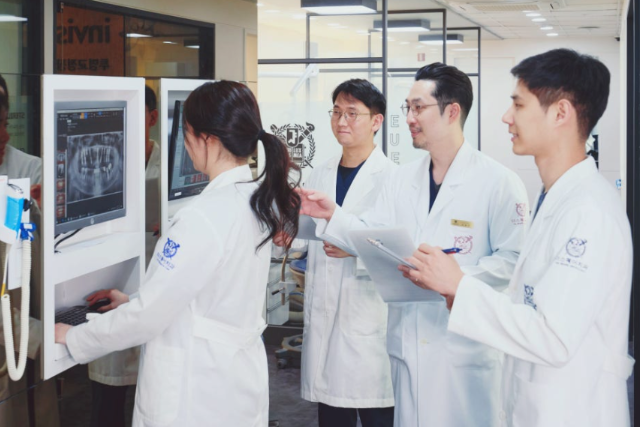
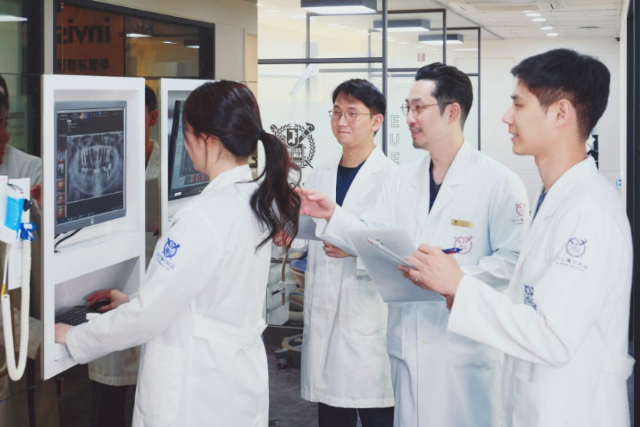
Porcelain veneers can cause problems such as sensitivity,
chipping or debonding, but the likelihood depends largely on how thoroughly the teeth,
bite and gums are assessed before treatment.
If you are considering veneers in Seoul and worry about side effects,
this guide covers why problems happen, what minimal-prep veneers are, and what to check before you book.
Potential side effects include tooth sensitivity, chipping or debonding, gum irritation at the veneer margin,
and the need for repeat treatment if the bond weakens.
Veneers are not just thin ceramic shells bonded to the front of the teeth.
A good plan has to account for how much tooth is removed, how the teeth meet,
the gum line and the proportions of the face.
Sensitivity or nerve irritation
Chipping, fracture or debonding
Visible margins and gum inflammation
Weakened bonding and a higher chance of replacement
Long-term studies report that well-selected cases with careful bonding can last ten years or more.
On the other hand, veneers placed on a poorly assessed bite are more likely to fail. In short,
the quality of the diagnosis matters as much as the technique.
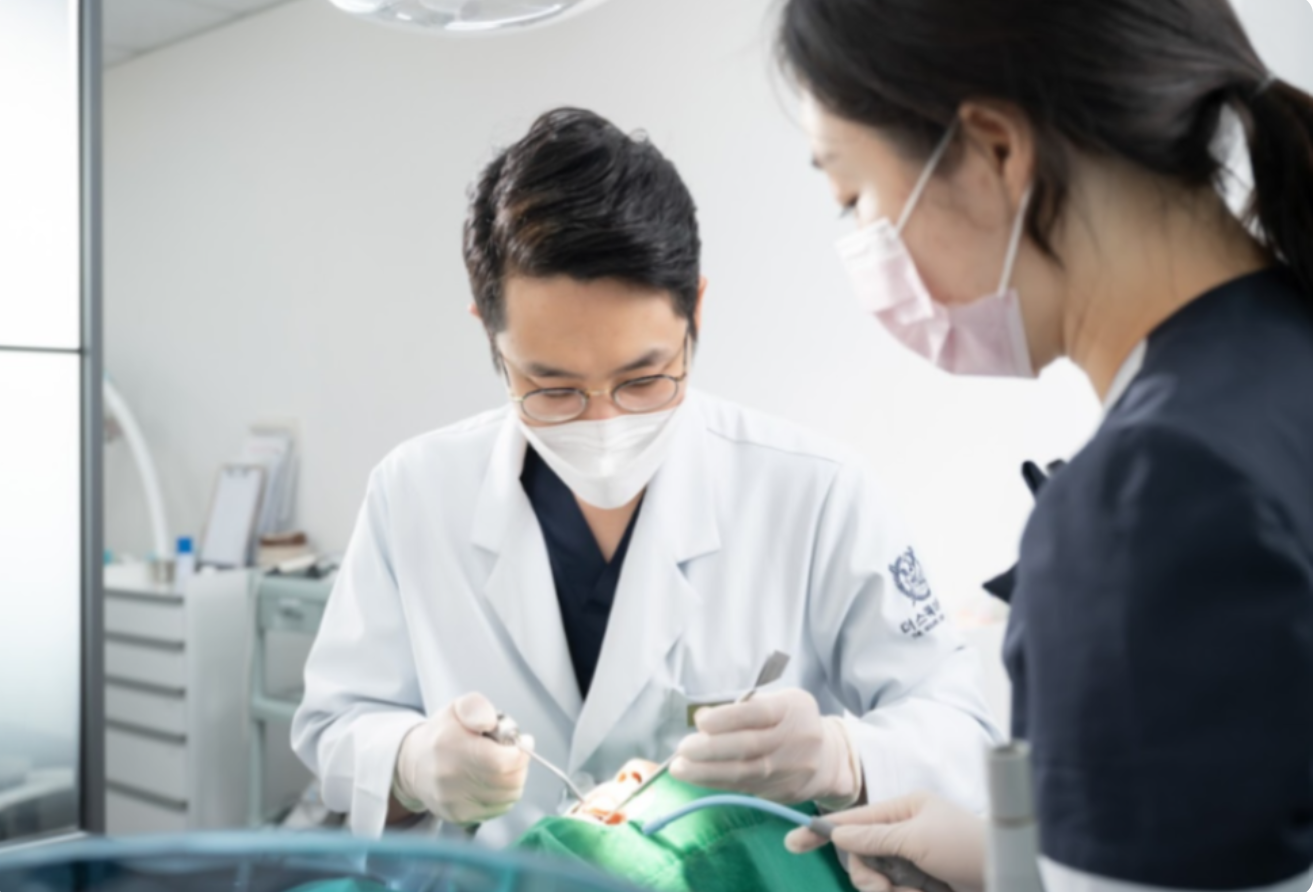
Traditional veneers usually involve removing some enamel,
and the amount depends on each case; no single figure applies to everyone.
Advances in bonding technology and ceramic materials mean that,in some cases,
the amount of tooth removed can be reduced while still achieving the planned result. Results and recovery vary from person to person.
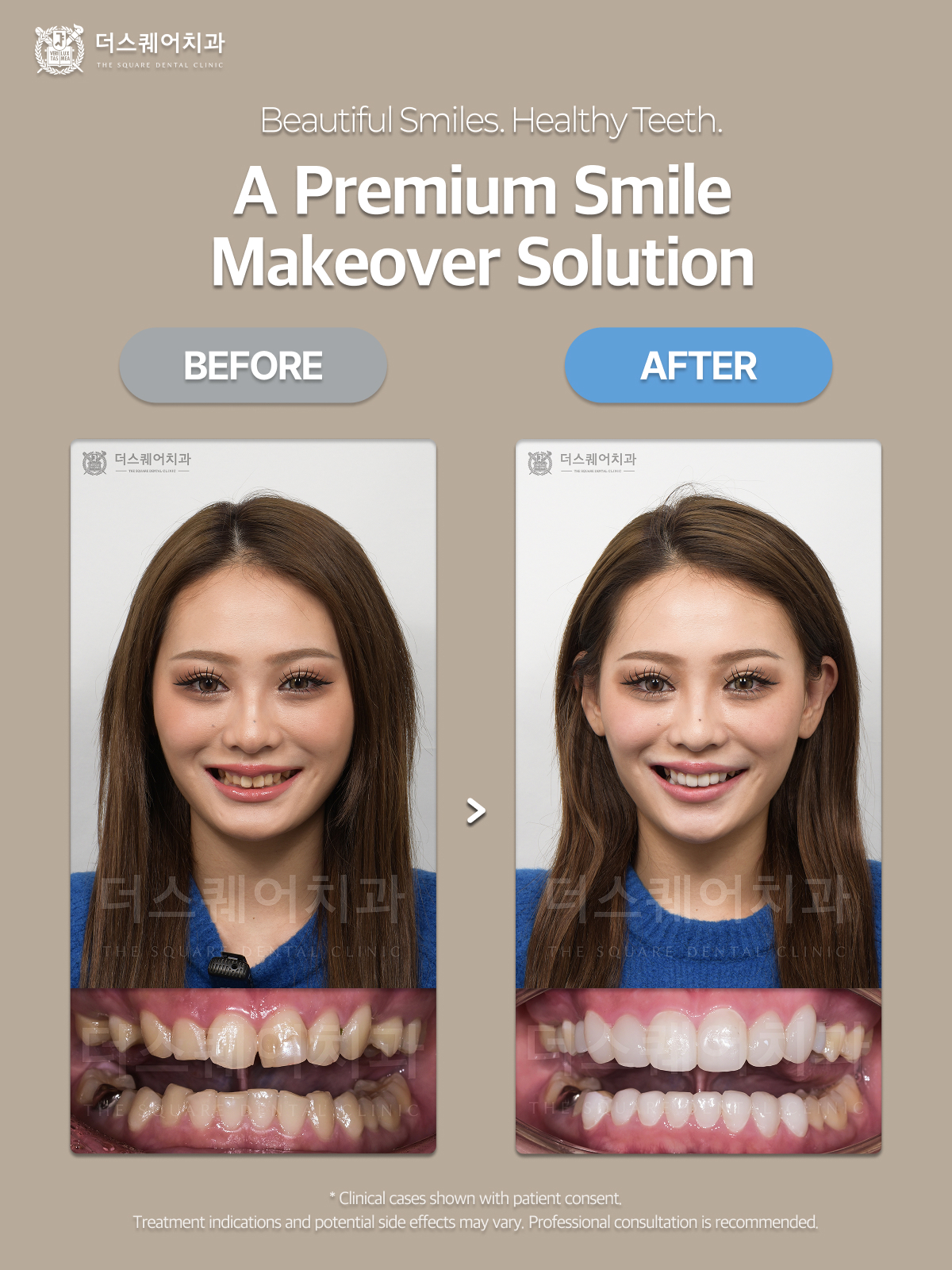
Veneer Cube is the name The Square Dental Clinic uses for an aesthetic prosthetic
approach that prioritizes preserving natural teeth while improving appearance and function;
it is a treatment philosophy rather than a single product or material.

Not everyone is a candidate.
Some conditions make tooth reduction unavoidable, and orthodontic treatment may need to come first.
Teeth that protrude significantly
A bite (occlusion) with major irregularities

Skipping this assessment can lead to unsatisfactory results or a greater risk of the problems above. Choosing the right plan for your own teeth matters more than choosing a treatment name.
The most useful way to choose is to check how the clinic diagnoses and plans before any tooth is touched. Ask these four questions:
Does the clinic use 3D CT and an intraoral scanner for diagnosis?
Will they explain a treatment plan designed to keep tooth reduction low?
Do they analyze your bite as part of the plan?
Do specialists from different fields discuss complex cases together?
Bite force is closely linked to how long restorations last, so it helps to confirm that diagnosis,
treatment and aftercare form one connected process.
Safety depends on the diagnosis and follow-up process rather than the country.
Before you travel, ask for a pre-visit review of your goals and any photos or X-rays you already have.
The Square Dental Clinic's specialists are graduates of Seoul National University College of Dentistry
The clinic is in D Tower near Gwanghwamun Station (Seoul Subway Line 5), roughly one hour from the airport.
The schedule depends on your case and is set after diagnosis.
Ask beforehand how follow-up, adjustments and records for your home dentist will be handled,
and bring any records of previous dental work.
A. Not always the same amount. It depends on your teeth and goals and is decided after diagnosis.
Protruding teeth or a significant bite problem may make reduction unavoidable.
A. Not necessarily, and it varies by person.
Preparation depth, bonding, bite and gum condition all play a role. If sensitivity persists, have it checked.
A. It varies with your bite, daily habits and bonding quality.
A. No. Tooth position and bite determine suitability, and some patients need orthodontics first.
A. Look for precise diagnosis (3D CT, intraoral scanning), a clear explanation of tooth reduction,
bite analysis, specialist collaboration and a defined aftercare process.
Fees depend on the individual case and are explained at consultation.