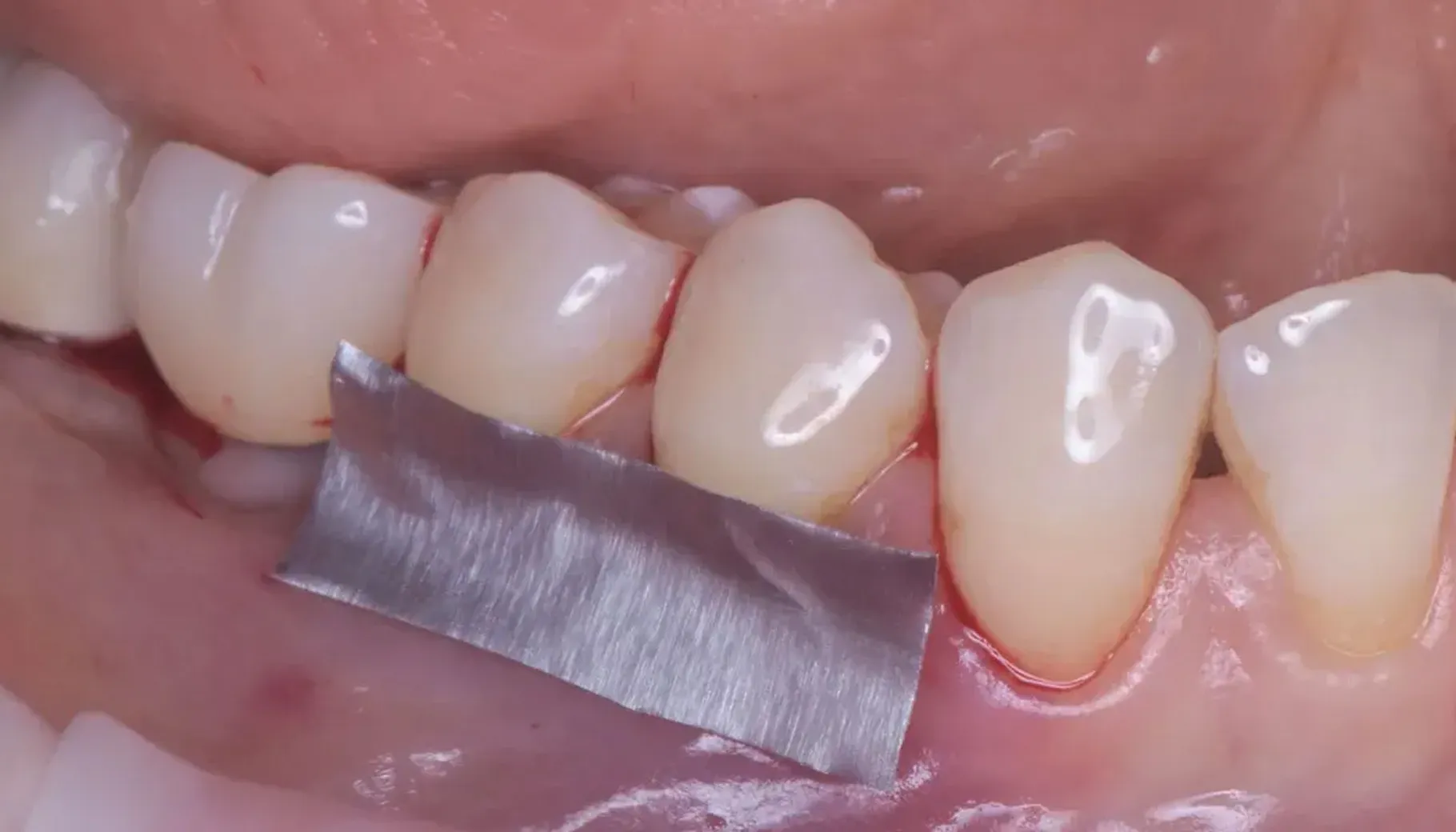
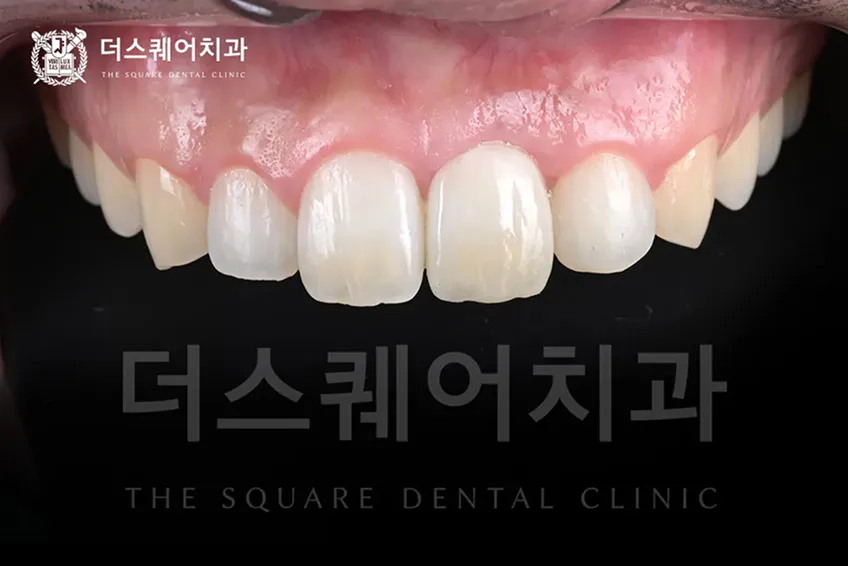
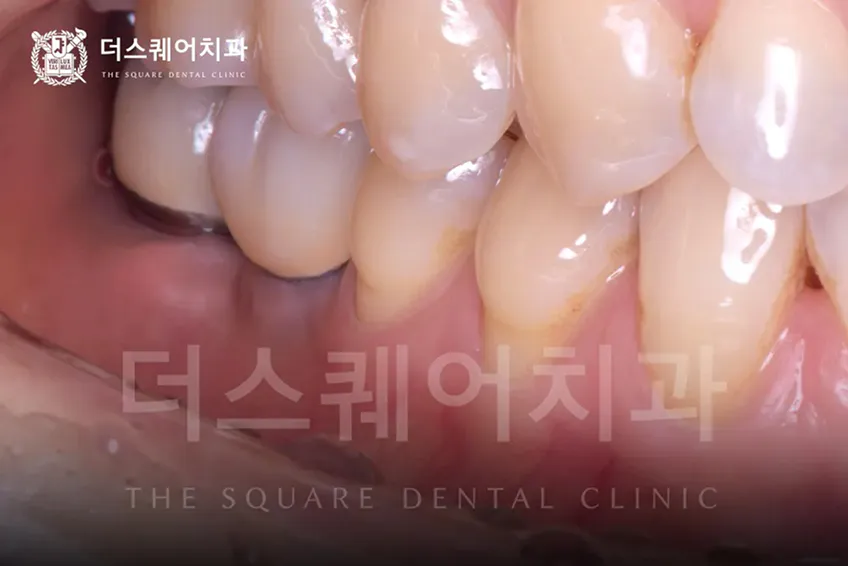
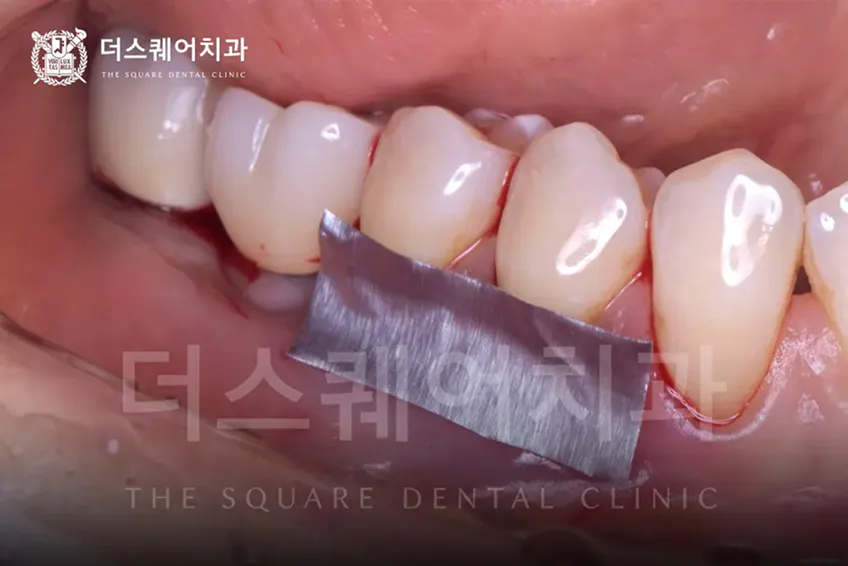
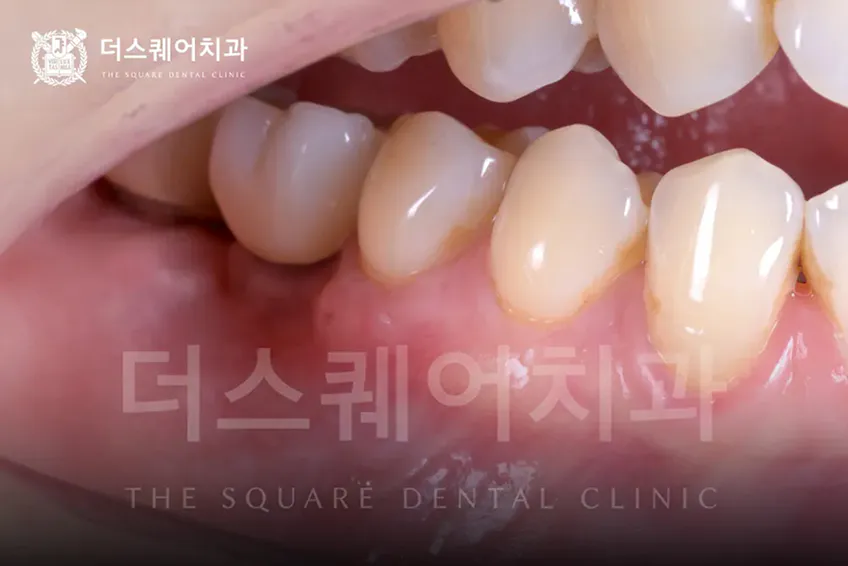
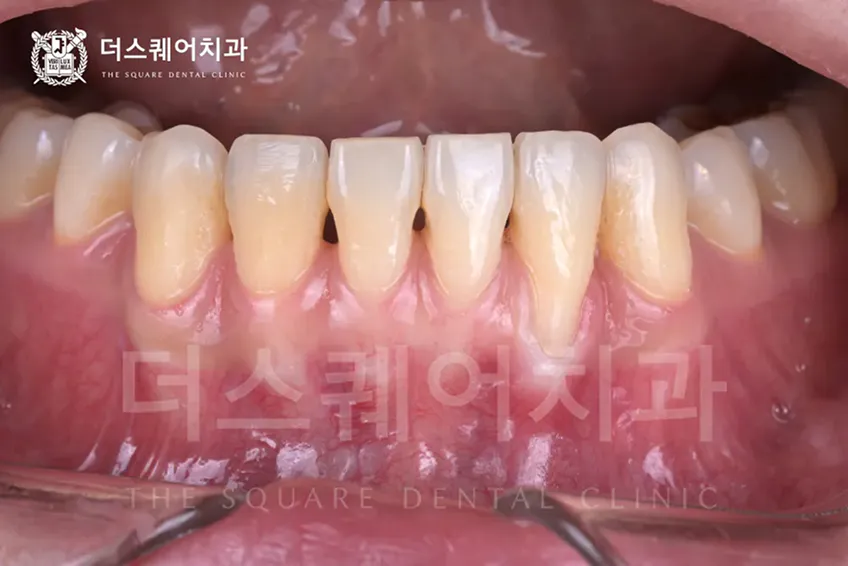
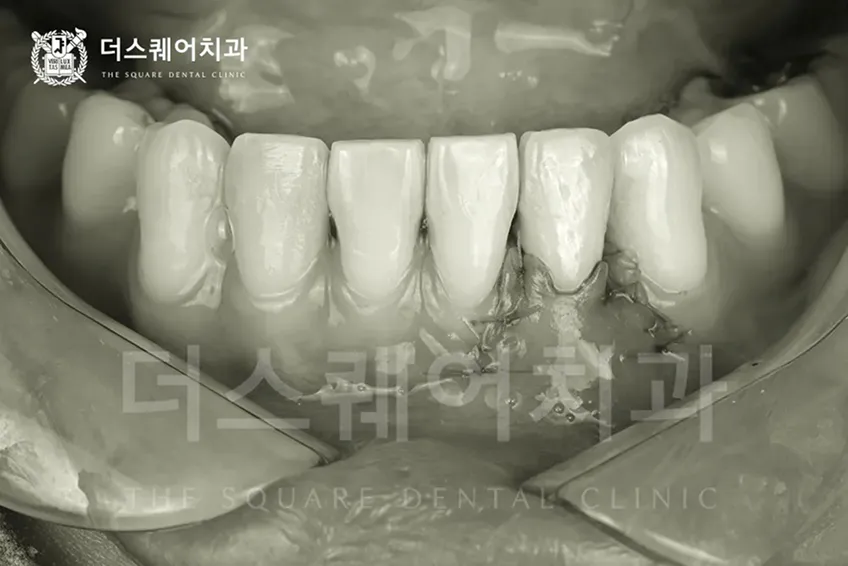
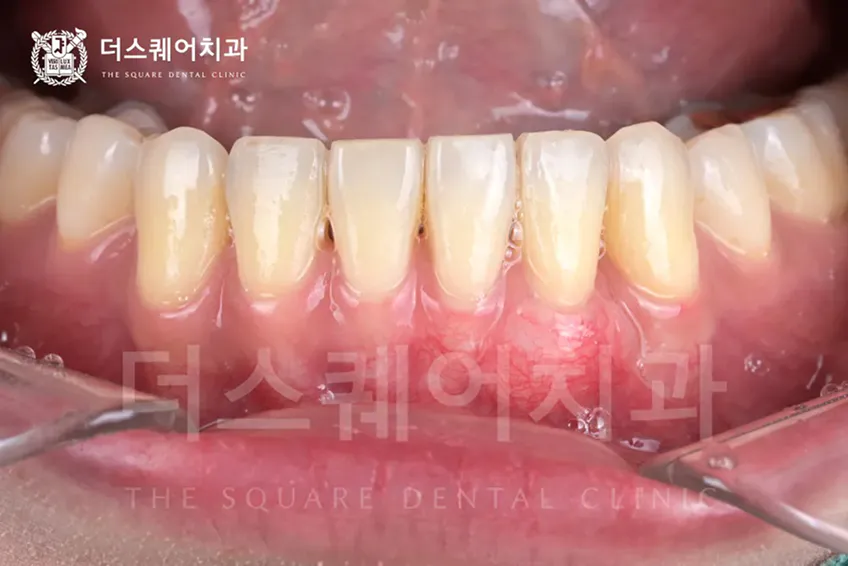
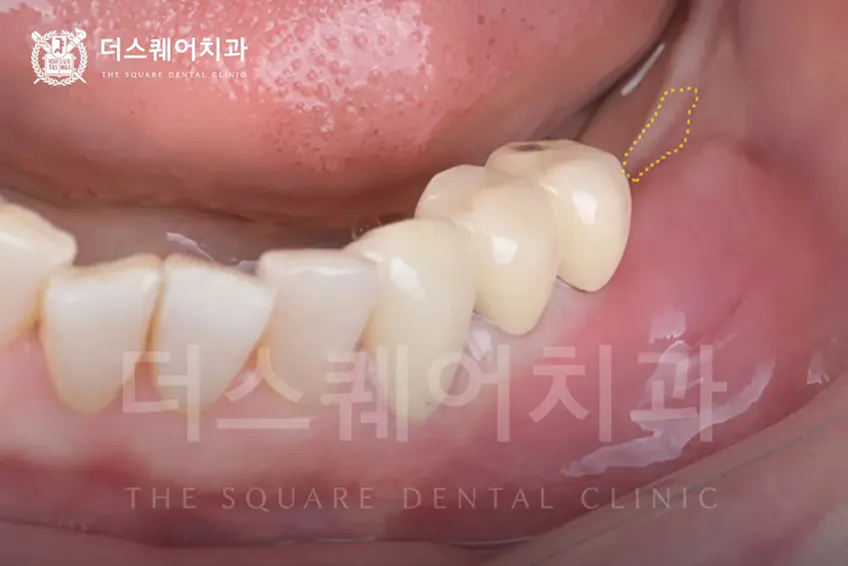
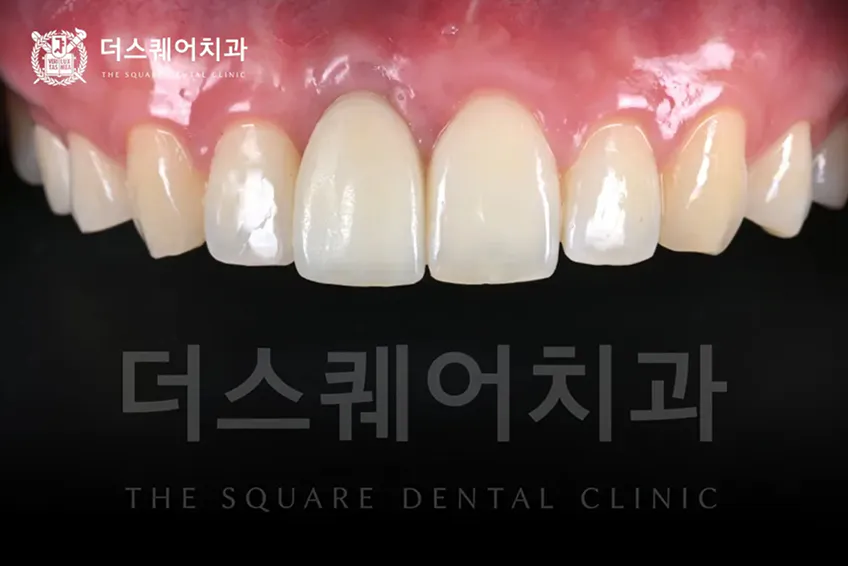
Gingival Grafting Is a Periodontal Procedure That Uses the Patient’s Own Tissue to Restore Receding Gums and Improve Both Gum Health and Aesthetics
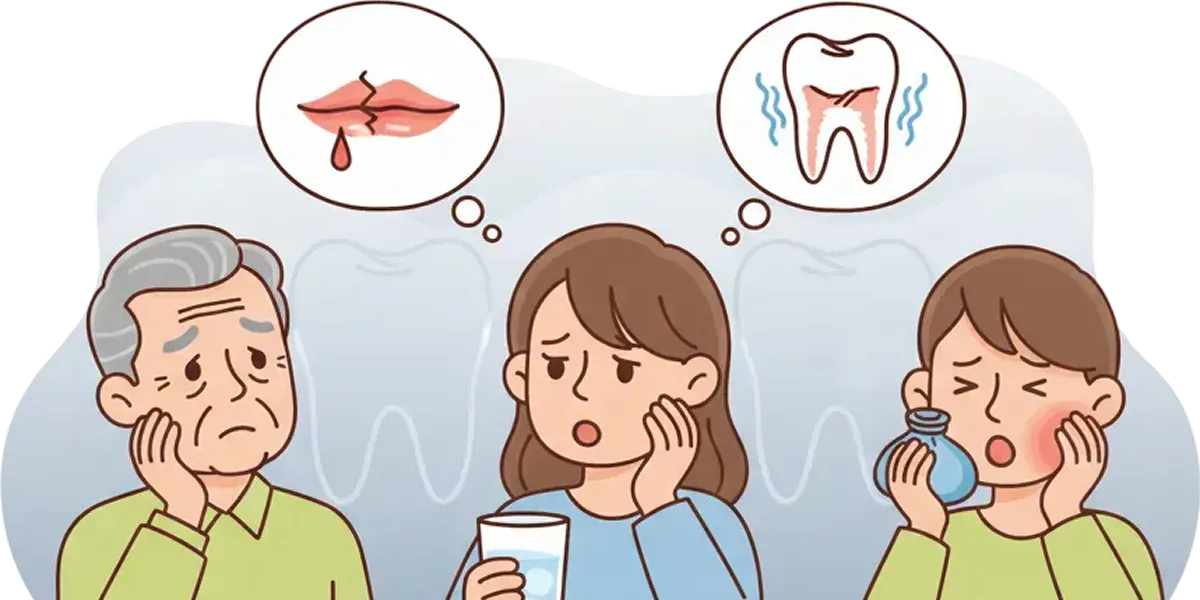
My gums have receded and I don’t like how they look. My exposed tooth roots are very sensitive. My gums keep receding and becoming inflamed.
Why Is Gum Grafting Necessary?
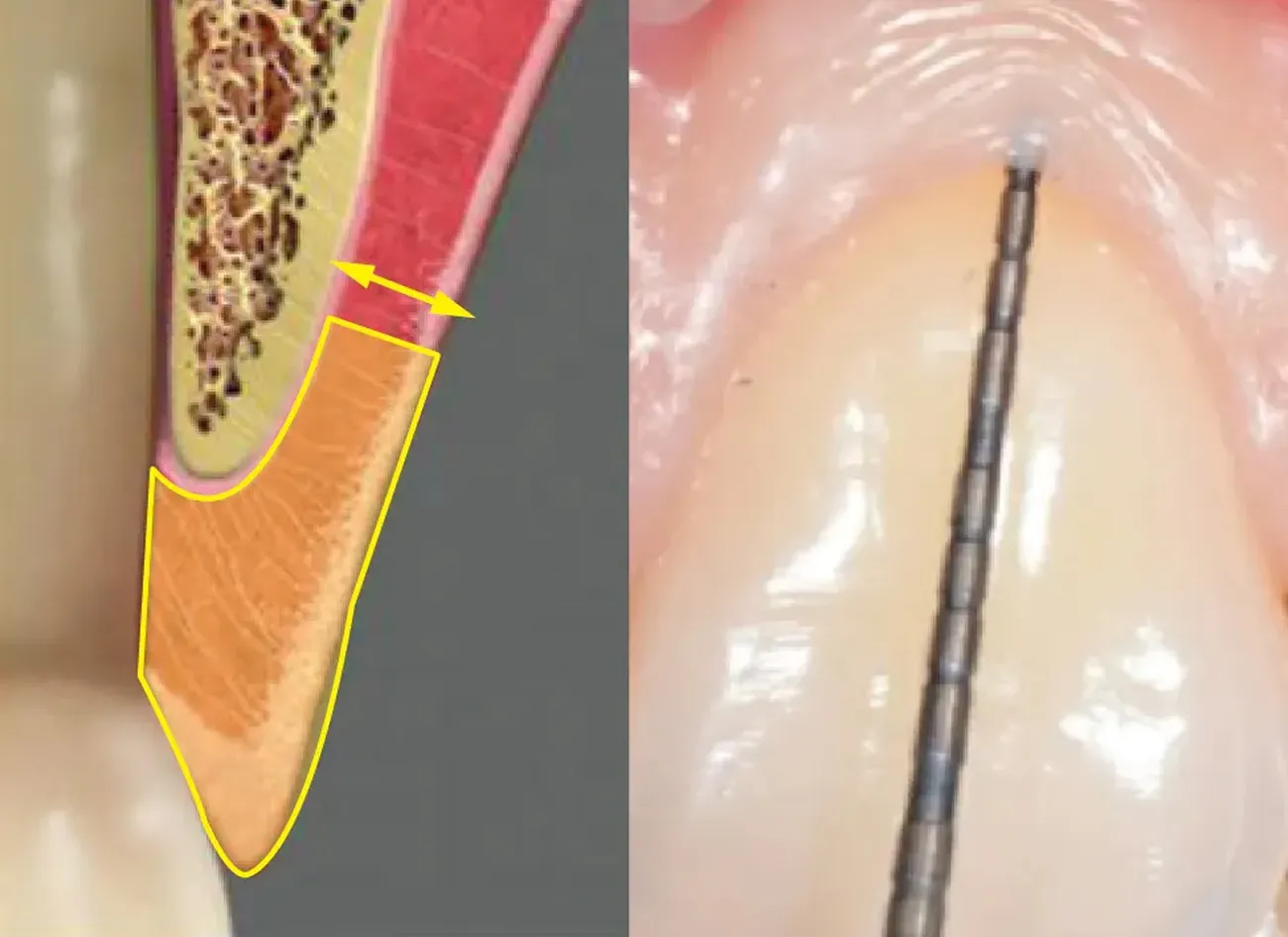
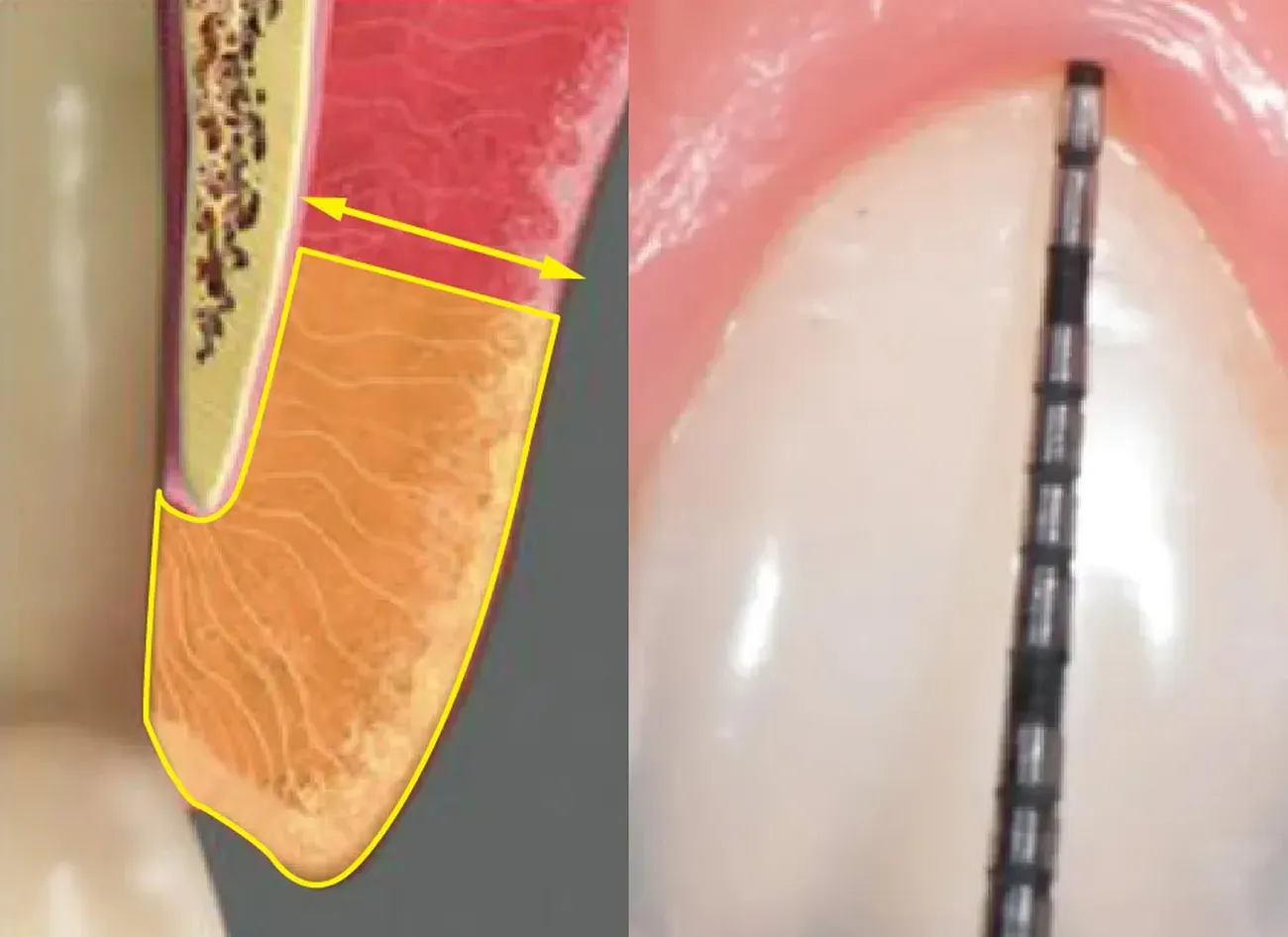
01Connective Tissue Graft (CTG) A connective tissue graft (CTG) can increase gum thickness and improve the contour and stability of the gum tissue around the teeth.
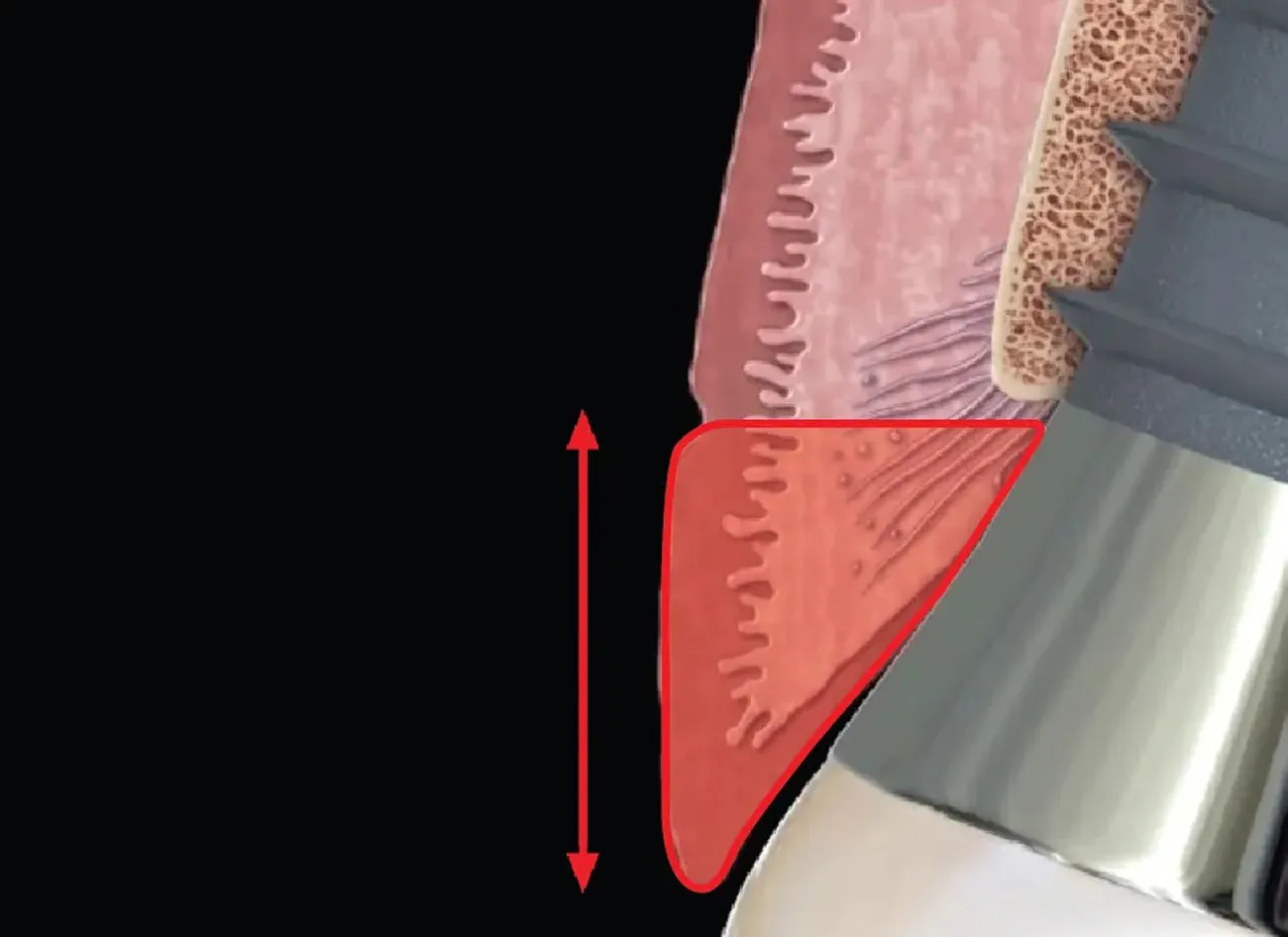
Thin Gingival Phenotype 😕
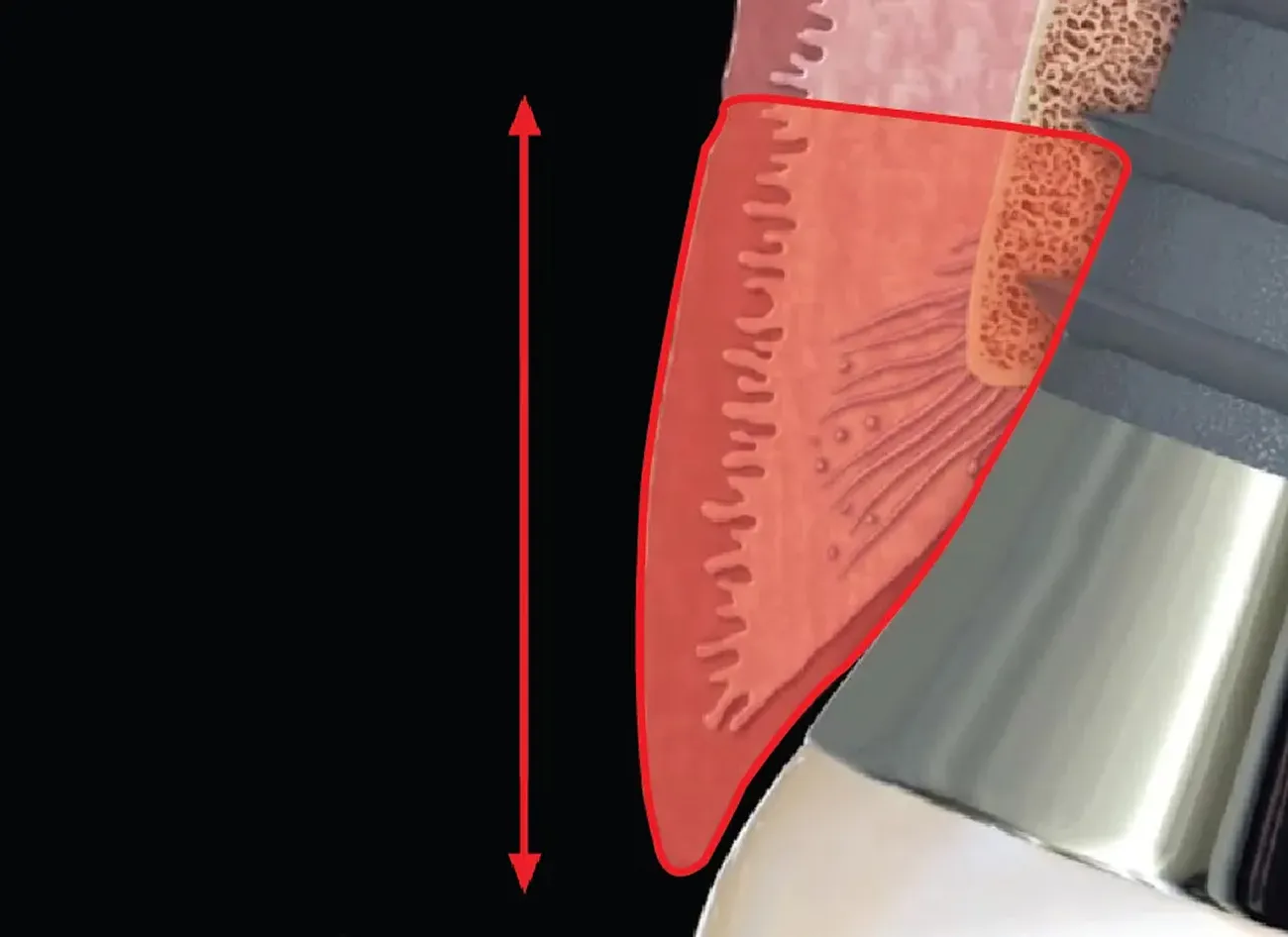
Thick Gingival Phenotype 😊
02Free Gingival Graft (FGG) A free gingival graft (FGG) increases the amount of keratinized gum tissue, creating a more stable and protective band of tissue around the teeth or implants.
Deficient Keratinized Gingiva 😕
Sufficient Keratinized Gingiva 😊
When Is Gum Grafting Recommended Around Natural Teeth?
01Improved Gum Aesthetics
Before2025. 4. 6
After2025. 8. 1
02Improved Resistance to Further Gum Recession
Before2024. 7. 13
After2024. 9. 11
03Improved Periodontal Tissue Stability
Before2024. 11. 11
After2025. 1. 6
When Is Gum Grafting Recommended Around Dental Implants?
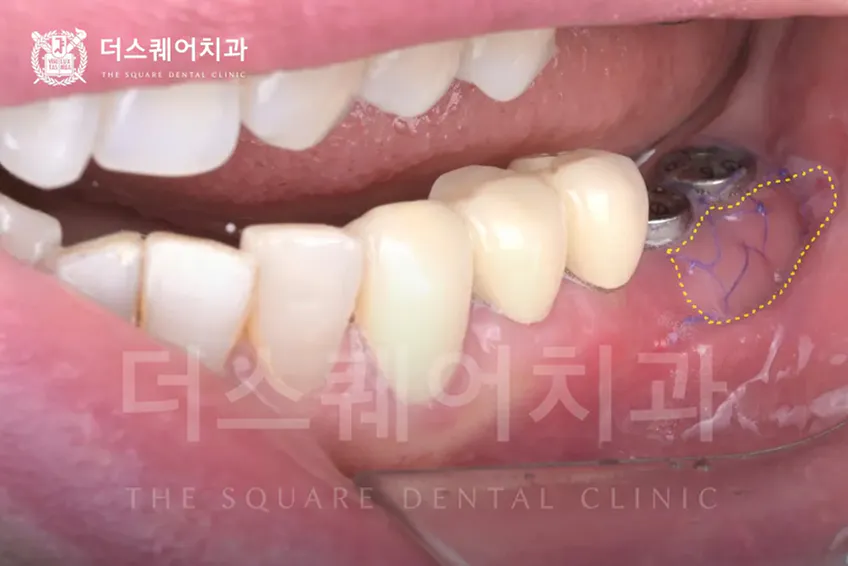
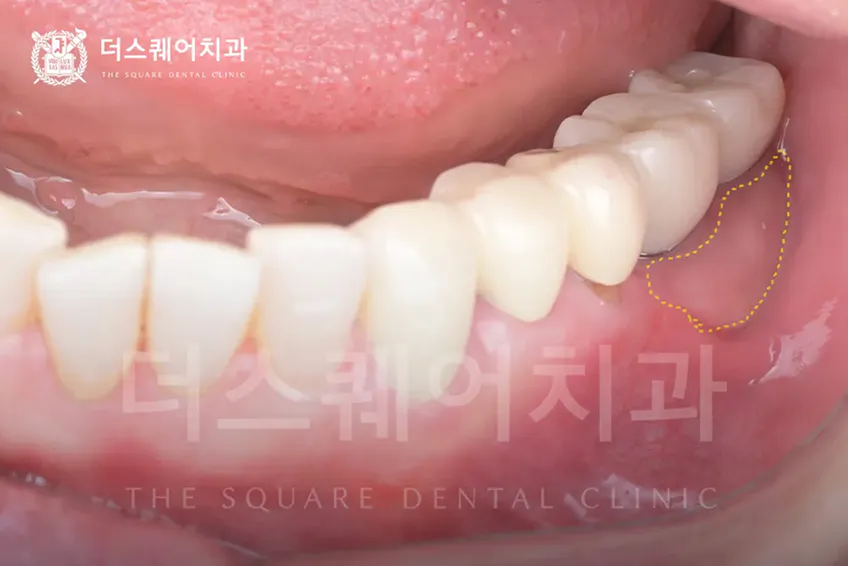
01Supporting Peri-Implant Tissue Health
Before2025. 1. 4
After2025. 3. 3
Increasing the amount of stable keratinized tissue around an implant may help make daily plaque control more comfortable and support long-term peri-implant tissue health.
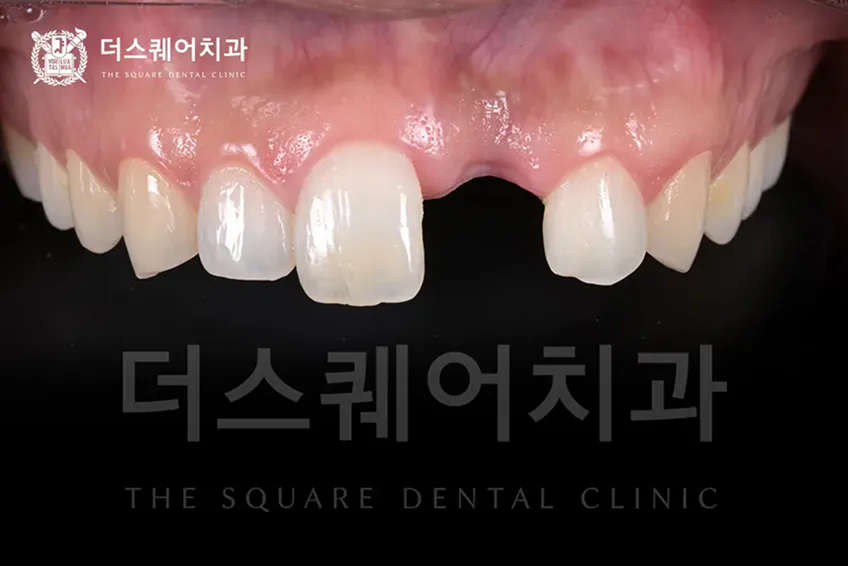
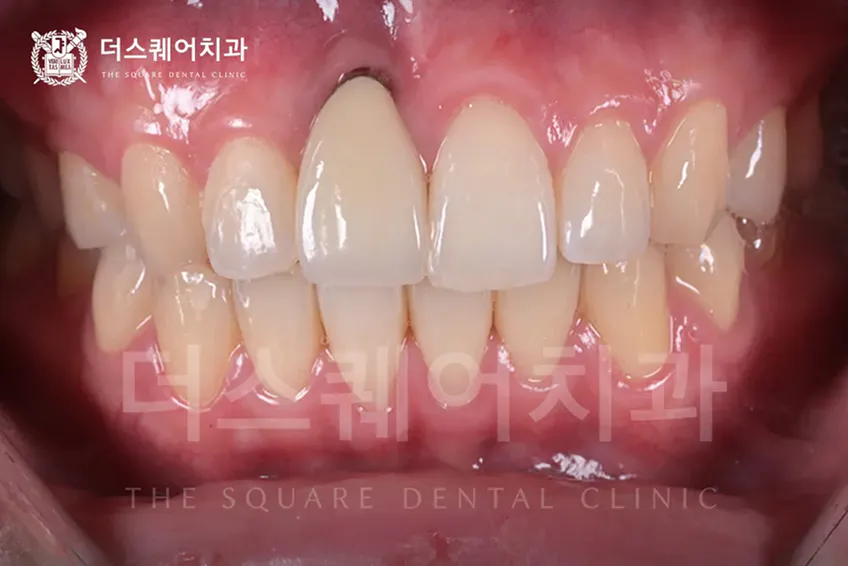
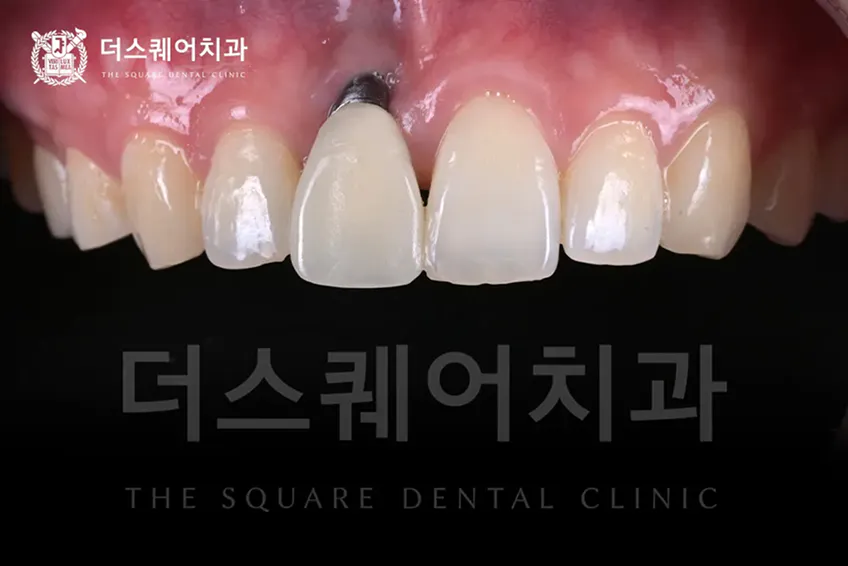
02Improved Aesthetics Around Implant Restorations
Before2024. 2. 23
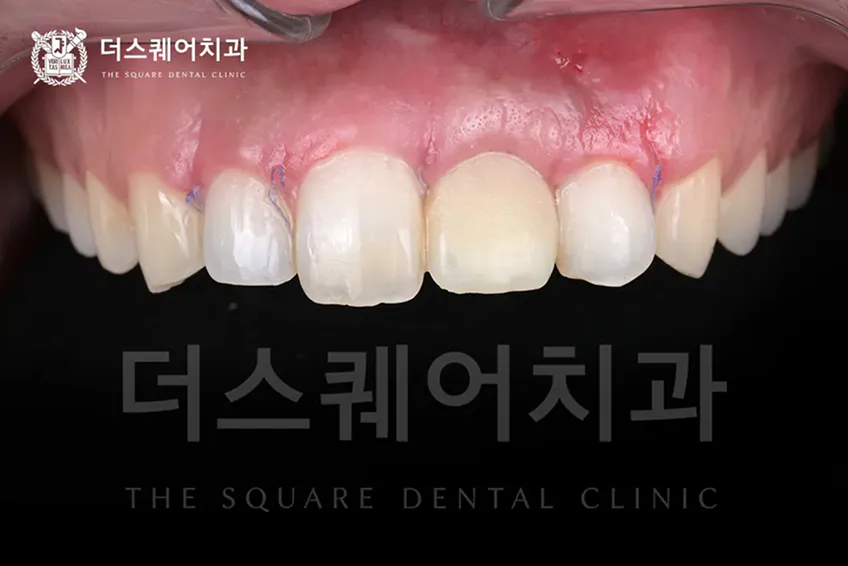
After2025. 5. 5
Soft-tissue grafting can help improve gum thickness, contour, and harmony around an implant restoration, particularly in aesthetically important areas.
What Causes Gum Recession?
01
Genetic and Anatomical Factors, Including a Thin Gingival Phenotype
02
Periodontal Disease
03
Traumatic or Improper Brushing Habits
04
Excessive Occlusal Forces and Habits Such as Clenching or Grinding
05
Lifestyle Factors Such as Smoking
Gingival Graft FAQ
How much does gum graft surgery cost?
The cost of gum grafting varies depending on the type of procedure, number of treatment sites, extent of recession, and complexity of the case. Please refer to our official fee schedule or contact us for a detailed estimate based on your individual condition.
How long does gum graft surgery take?
Treatment time varies depending on the type and complexity of the graft. In general, treatment of a single area may take approximately 60–90 minutes.
How long does it take for a gum graft to heal?
Initial healing usually occurs over the first few weeks, while the graft continues to integrate and mature over the following weeks to months. Approximately 6–8 weeks may be required for substantial tissue integration, although complete maturation can take longer.
Am I a candidate for gum graft surgery?
Gum grafting can be particularly effective for localized gum recession when the surrounding periodontal tissues are otherwise healthy and the underlying cause can be controlled. The predictability of root coverage varies depending on the amount of recession, bone and soft-tissue condition, tooth position, and other anatomical factors. A detailed periodontal examination is therefore necessary to determine whether gum grafting is appropriate.
How long does a gum graft last?
Gum grafts can remain stable for many years, but long-term results vary depending on the condition of the teeth and gums, oral hygiene, brushing habits, smoking, bite forces, and regular periodontal maintenance.
Can I have another gum graft in the future?
Yes, repeat grafting may be possible if clinically necessary. Connective tissue or free gingival grafts are commonly harvested from the palate, and the donor site generally heals and regenerates over time. Whether tissue can be harvested again depends on the thickness and condition of the healed donor site.
Are there any risks or complications associated with gum graft surgery?
As with any surgical procedure, gum grafting may involve temporary pain, swelling, bleeding, or sensitivity. Less commonly, infection, graft shrinkage, incomplete root coverage, or partial or complete loss of the graft may occur. Carefully following postoperative instructions—particularly avoiding trauma or brushing directly over the graft during the early healing period—is important for stable healing.