Dental Treatments Available with Conscious Sedation
01
Dental Implants
02
Root Canal Treatment
03
Cavity Treatment
04
Wisdom Tooth Extraction
05
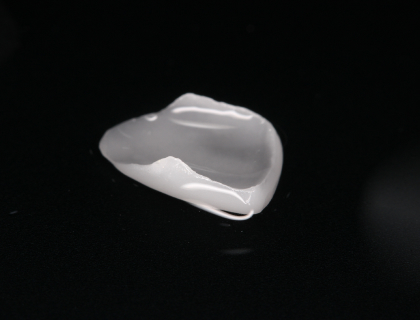
Veneers
06
MINISH Treatment
Safe and Comfortable Conscious Sedation
Safe
Conscious sedation allows spontaneous breathing while helping patients remain relaxed throughout treatment. Reversal agents may also be used when clinically appropriate.
Comfortable
Sedation can help reduce anxiety and make dental treatment feel much more manageable.
Fast
By helping patients remain calm and relaxed, sedation can make long or multiple procedures easier to complete efficiently.
Relax Through Your Treatment
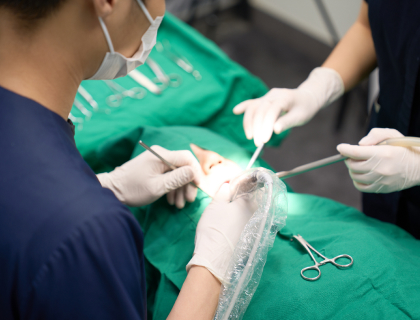
While you remain comfortably sedated, our team carefully performs your treatment. Once you are fully alert, we explain what was done and provide clear post-treatment instructions.
Comfortable Sedation Dentistry
Dental treatment does not have to feel overwhelming.
Patient Reviews of Sedation Dentistry
Sedation Dentistry Should Be Performed in a Clinic with Appropriate Experience and Equipment
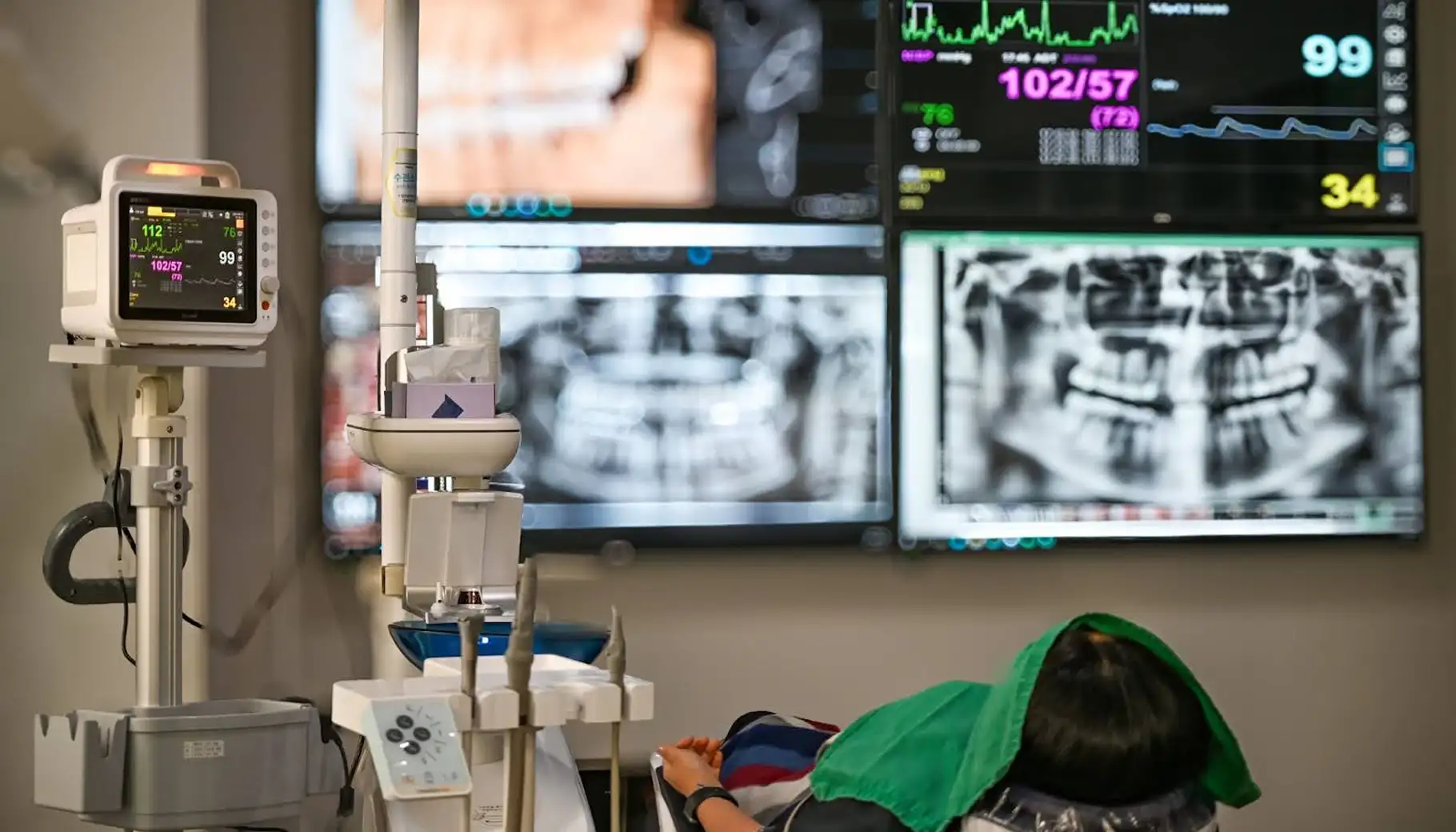
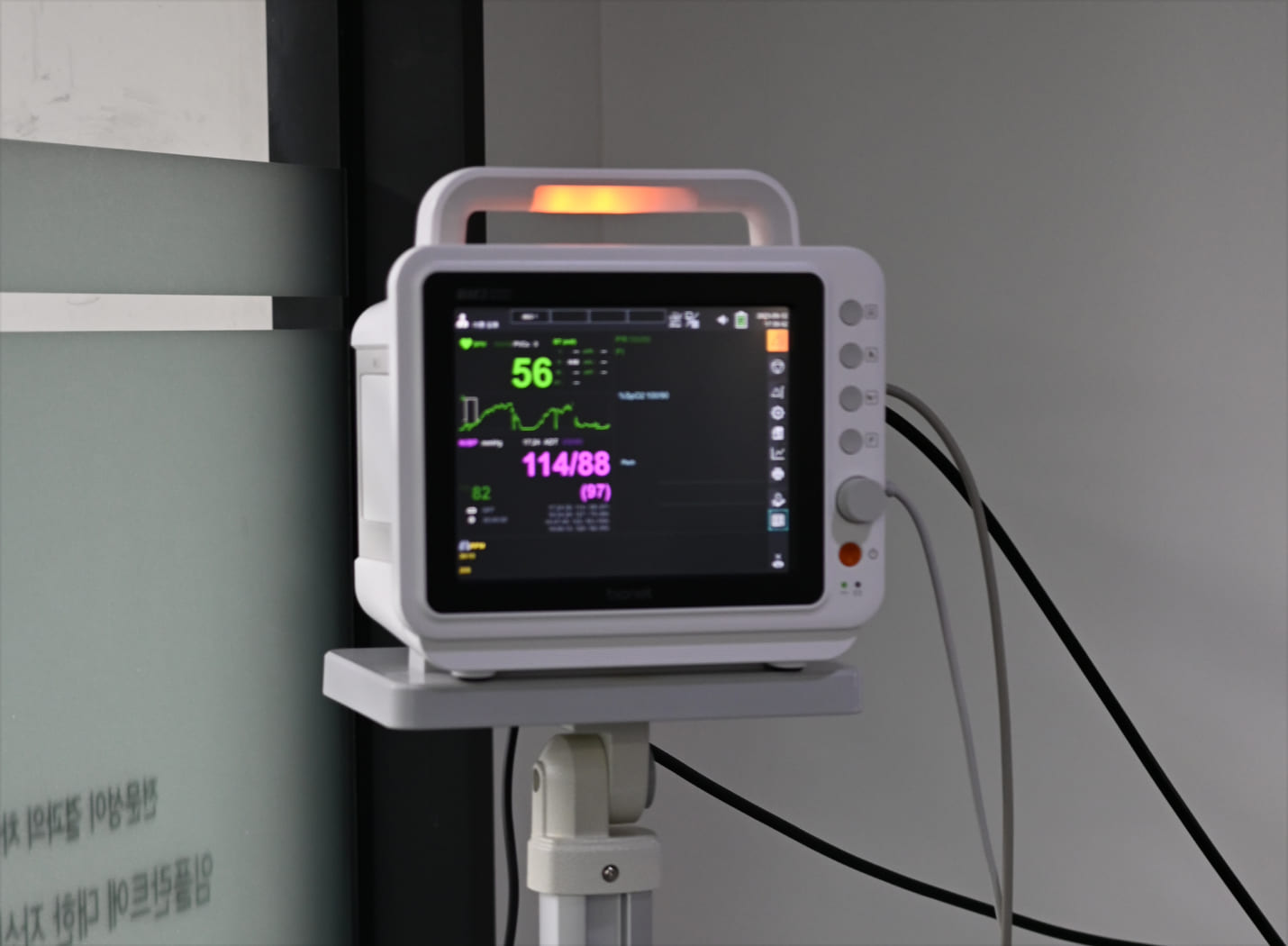
Equipment and Monitoring for Safe, Comfortable Sedation
01
Dosage adjusted according to each patient’s medical condition and individual response
02
Continuous monitoring of blood pressure, pulse, breathing, and oxygen saturation
03
Emergency medications and safety equipment available for unexpected situations
04
Discharge only after adequate recovery and observation
What Is Sedation Dentistry?
01
Local Anesthesia
Numbs the treatment area while the patient remains fully conscious.
02
Conscious Sedation
A medically controlled state of relaxation in which anxiety and awareness are reduced while spontaneous breathing is generally maintained.
03
General Anesthesia
A deeper state of anesthesia involving complete loss of consciousness, often requiring advanced airway and respiratory management.
Who May Benefit from Sedation Implant Treatment?
01
Dental Anxiety
For patients who experience significant fear or anxiety about dental treatment.
02
Concern About Pain
For patients who are especially concerned about discomfort during treatment.
03
Strong Gag Reflex
For patients whose gag reflex makes dental treatment difficult.
04
TMJ or Jaw Problems
For patients who have difficulty keeping their mouth open for long periods.
05
Complex Procedures
For patients undergoing procedures such as multiple implants or complex wisdom tooth extractions.
06
Long Treatment Sessions
For patients who find lengthy procedures or multiple treatments in one appointment difficult.
Sedation Treatment Process
01
Medical History Review
Complete a detailed medical questionnaire upon arrival.
02
Medication Review & Prescription
Current medications are reviewed, and any necessary postoperative medications are prescribed.
03
Conscious Sedation
After following the required fasting instructions, conscious sedation is administered and carefully monitored.
04
Topical & Local Anesthesia
Once the patient is comfortably sedated, topical and local anesthesia are administered to control pain during treatment.
05
Treatment
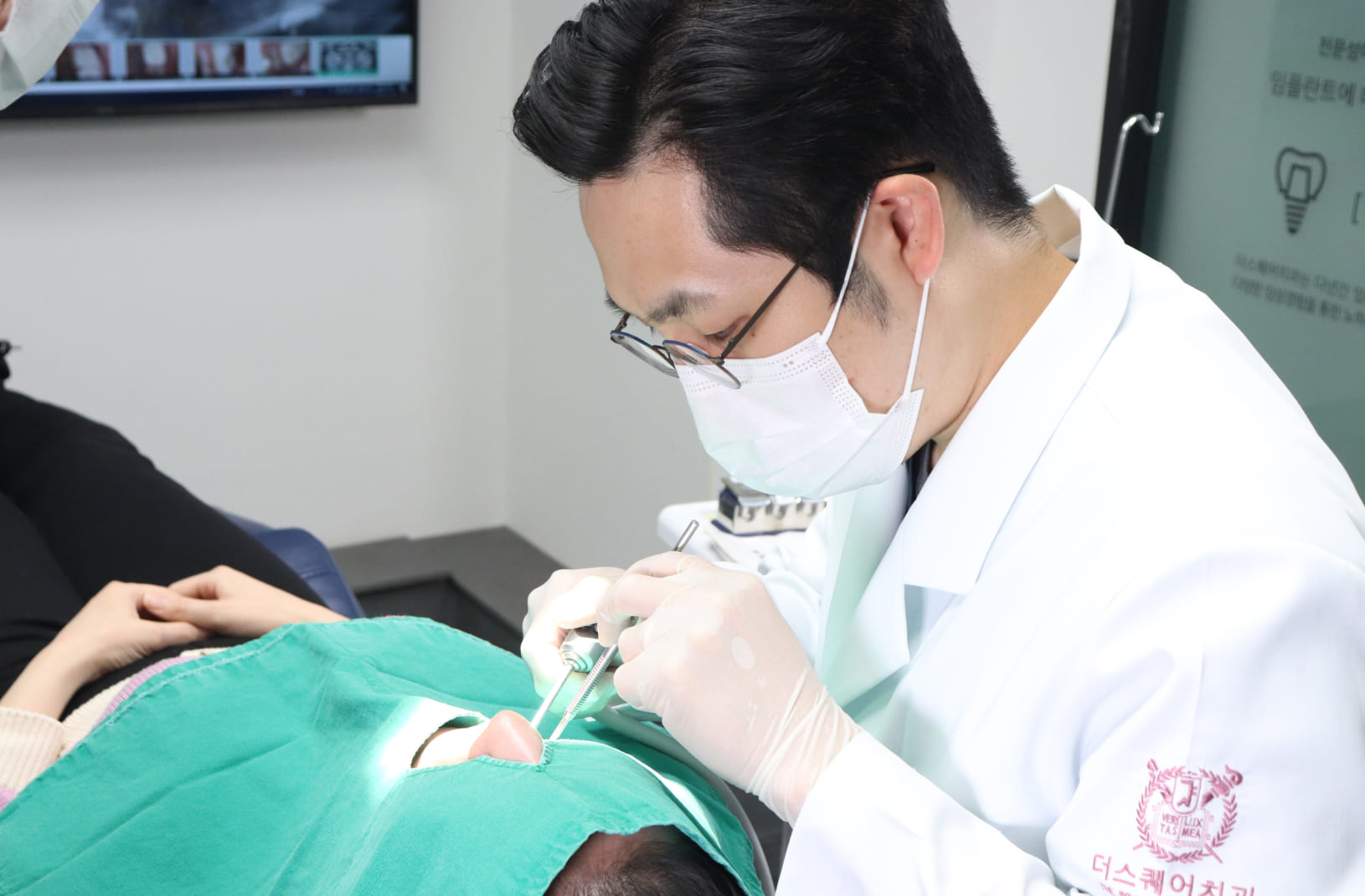
Dental treatment is performed while the patient remains appropriately sedated and continuously monitored.
06
Recovery & Discharge
After treatment, the patient remains under observation until adequately recovered and must be accompanied home by a responsible adult.
Medications Used for Conscious Sedation
01
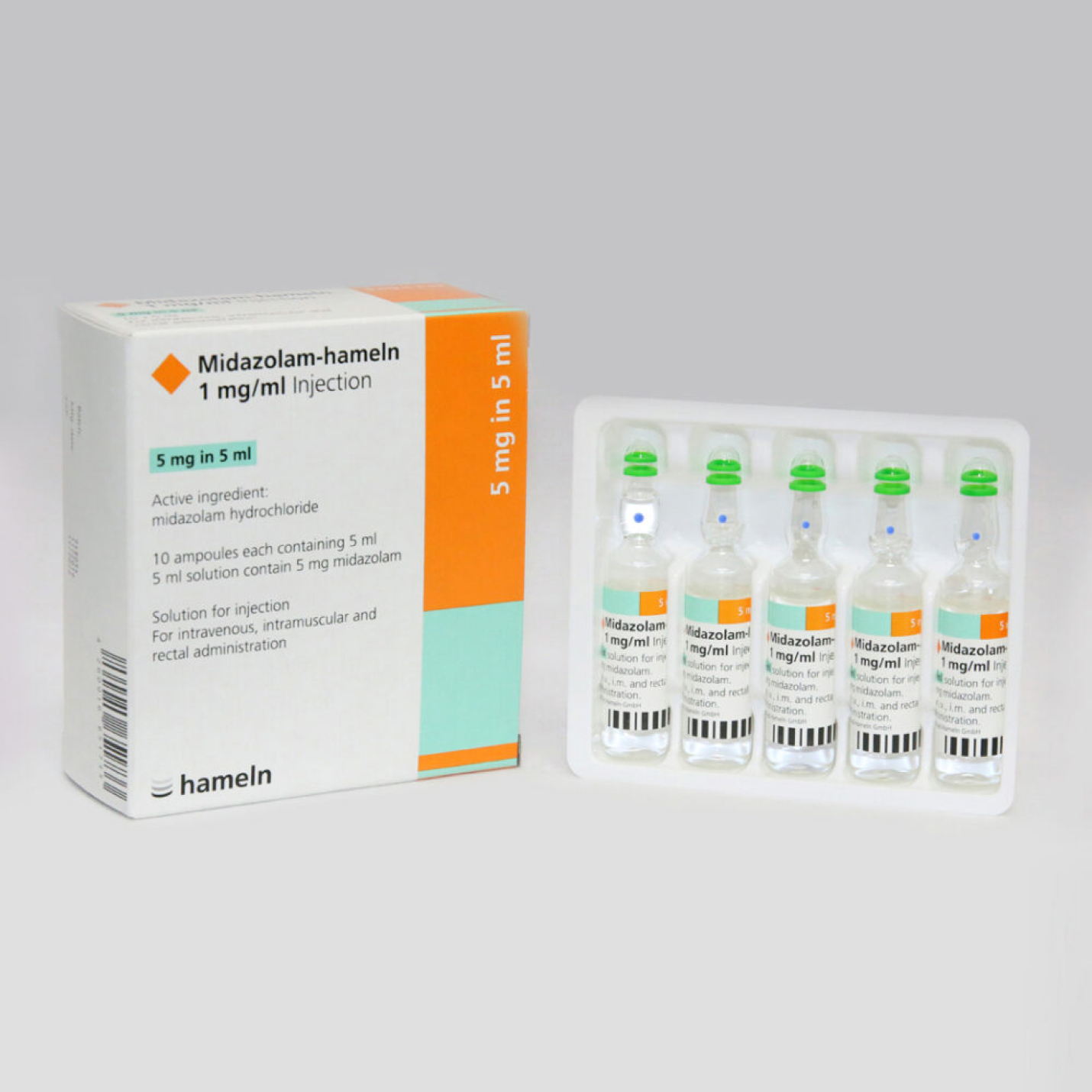
Midazolam
Midazolam is a benzodiazepine commonly used for procedural sedation. It enhances inhibitory activity in the central nervous system, producing sedation and reducing anxiety.
It has little analgesic effect but can produce anterograde amnesia, meaning patients may remember little of the procedure afterward.
Respiratory depression can occur, so appropriate dosing and continuous monitoring are essential.
02
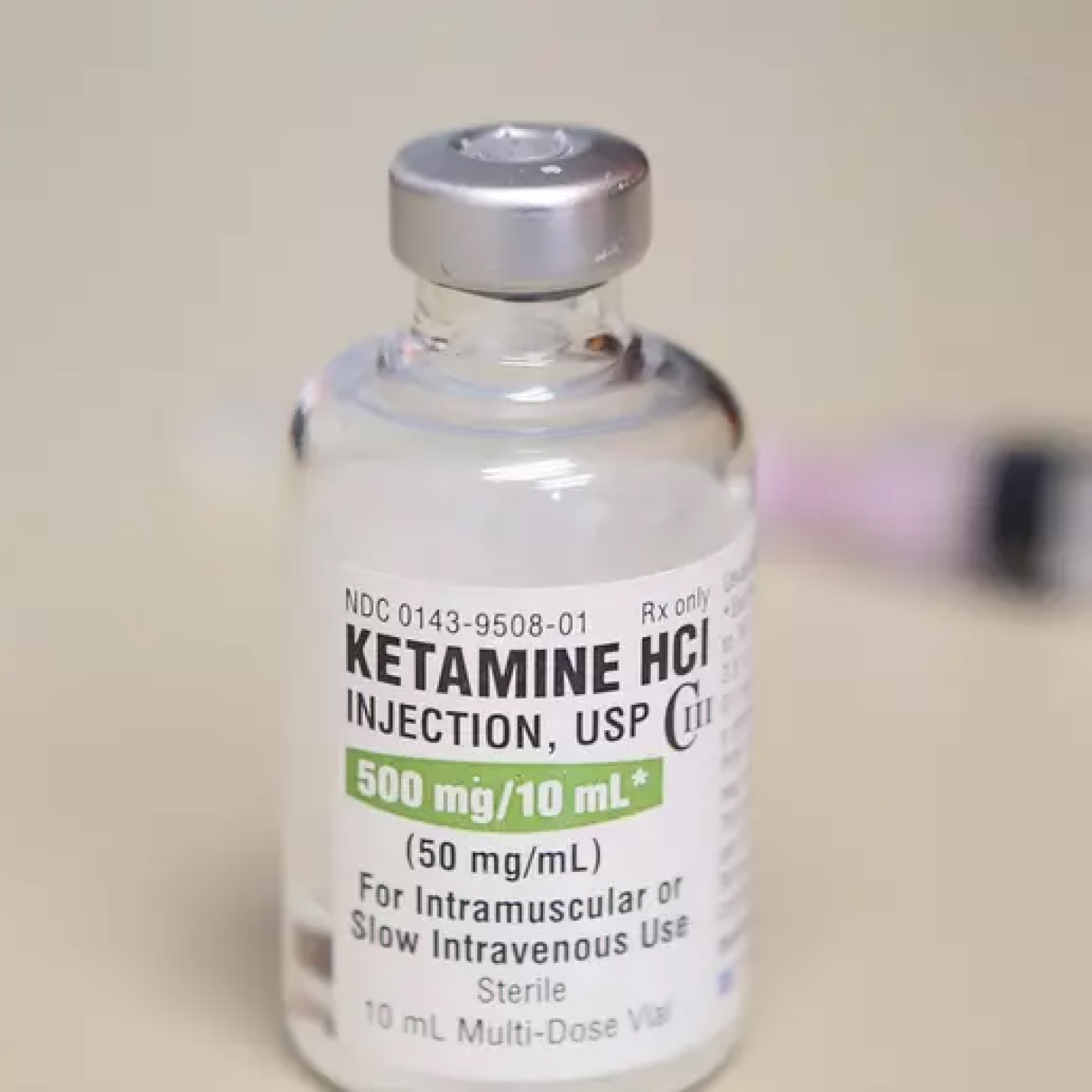
Ketamine
Ketamine is a sedative and anesthetic medication with strong analgesic properties.
Depending on the patient and procedure, it may be used alone or in combination with medications such as midazolam as part of a carefully monitored sedation protocol.
Possible adverse effects may include nausea, changes in blood pressure or heart rate, vivid dreams, or hallucination-like emergence reactions.
Important Instructions for Safe Sedation Dentistry
Before Sedation
01
Tell your dentist about all medical conditions, allergies, medications, and supplements.
02
Follow the fasting instructions provided by your dental team.
03
Wear comfortable clothing and avoid nail polish when requested, as it may interfere with pulse oximeter readings.
After Sedation
01
A responsible adult must accompany you home. Do not drive after sedation.
02
Rest adequately and follow the hydration instructions provided by your dental team.
03
Begin with soft, light foods as instructed.
Our Approach to Pain Management
Anesthesia Requires Both Care and Technique
Warming local anesthetic closer to body temperature may help reduce discomfort during injection.
01
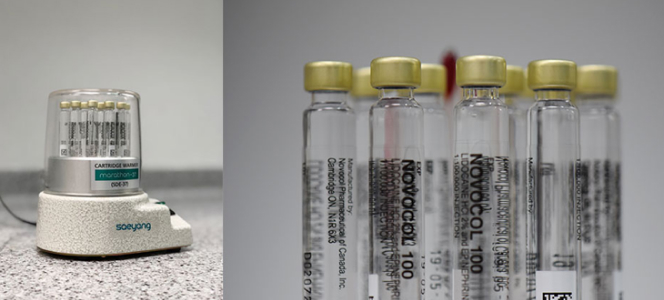
Anesthetic Cartridge Warmer
Warming local anesthetic closer to body temperature may help reduce discomfort during injection.
02
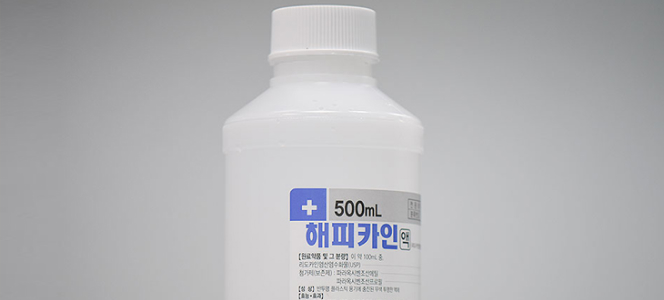
Topical Anesthetic Rinse
A topical anesthetic rinse may be used in selected cases to reduce oral sensitivity and help manage gagging or discomfort.
03
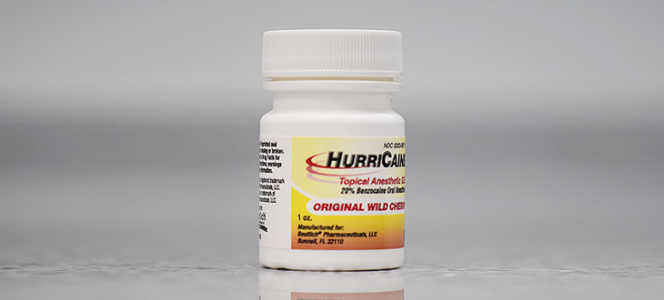
Topical Anesthetic Cream or Gel
Topical anesthetic is applied to the oral mucosa before injection to reduce discomfort from the needle.
04
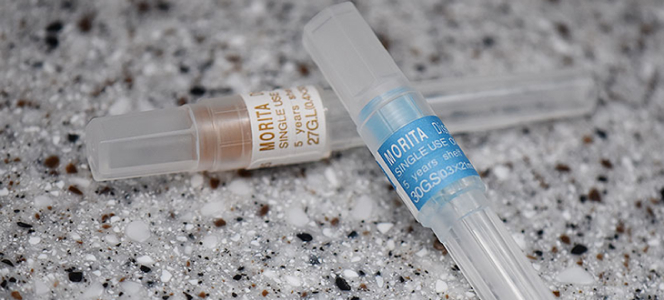
Morita Dental Needles
Precision-made dental needles are used as part of our approach to minimizing injection discomfort.
Sedation Implant FAQ
Q.
How much does sedation for implant treatment cost?
A .
Sedation fees vary between clinics and according to the treatment, medications used, and level of monitoring required. Please contact the clinic for an exact estimate based on your treatment plan.
Q.
How is conscious sedation different from painless anesthesia?
A .
They are different concepts. Techniques described as painless anesthesia mainly aim to reduce discomfort from local anesthetic injections. Conscious sedation, on the other hand, helps reduce anxiety and awareness during treatment. Local anesthesia is still used as needed to control pain at the treatment site.
Q.
Does conscious sedation have side effects?
A .
Conscious sedation is widely used in medical and dental procedures, but it is not completely risk-free. Possible side effects include drowsiness, dizziness, nausea, changes in blood pressure, and respiratory depression depending on the medications used and depth of sedation.
For this reason, careful patient selection, appropriate dosing, continuous monitoring, and adequate recovery observation are essential.
Q.
How is conscious sedation different from general anesthesia?
A .
With conscious or moderate sedation, patients generally maintain spontaneous breathing and may respond to verbal or light physical stimulation depending on the depth of sedation.
General anesthesia involves complete loss of consciousness and typically requires more advanced airway and respiratory management.
Q.
Will I feel any pain during sedation?
A .
Sedation itself does not replace local anesthesia. Its main role is to reduce anxiety, awareness, and treatment-related stress. Local anesthesia is used to control pain at the treatment site.
Medications such as midazolam may also reduce memory of the procedure afterward.
Q.
Is dental sedation harmful to the body?
A .
Sedation medications have temporary effects on the body and are not completely free of risk. However, conscious sedation is a well-established technique when used in appropriately selected patients with proper monitoring and emergency preparedness.
Q.
Sedation did not work well during a previous endoscopy. Can I still receive dental sedation?
A .
Possibly. Individual responses to sedative medications vary. Previous difficulty with sedation should be discussed with your dentist in advance so that your medical history and previous experience can be reviewed before determining the most appropriate sedation plan.
Q.
Can I receive conscious sedation if I have a medical condition?
A .
It depends on the condition and how well it is controlled. Patients with conditions such as diabetes, hypertension, cardiovascular disease, respiratory disease, or neurological disorders require careful assessment before sedation.
In some cases, consultation with the patient’s physician or treatment in a setting with a higher level of medical support may be recommended.
Q.
Which medications are used for sedation?
A .
The medications used depend on the patient’s medical condition, treatment, and required depth of sedation. Midazolam and ketamine are among the medications that may be considered, with dosage and combinations determined by the treating clinician.
Q.
Are there any disadvantages to conscious sedation?
A .
Yes. Safe sedation requires additional monitoring equipment, trained clinical staff, appropriate emergency equipment, and a recovery period after treatment. Patients must also be accompanied home by a responsible adult and should not drive or operate machinery for the period instructed by the medical team.