Consultation
Appointment
Appointment icon
Directions
Directions icon
Before & After
Before & After icon
HomeRestorativeSurgeryFull Mouth Rehabilitation
Full Mouth Rehabilitation
RestorativeDentistry
화살표 아이콘
화살표 아이콘
Restoration
Dentistry

Full Mouth Rehabilitation is a restorative treatment that replaces multiple missing teeth with dental implants to restore oral function and improve quality of life.

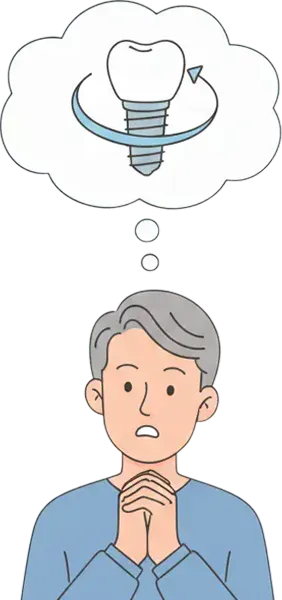
“I’m looking for a clinic experienced in full-mouth implant treatment.”
“If I’m getting implants, I want them to last as long as possible.”
“I want to recover quickly so I can eat comfortably again.”

We understand these concerns. Drawing on years of clinical experience,
The Square Dental Clinic provides individualized solutions designed around each patient’s condition and needs.

Character Image Character Image Character Image

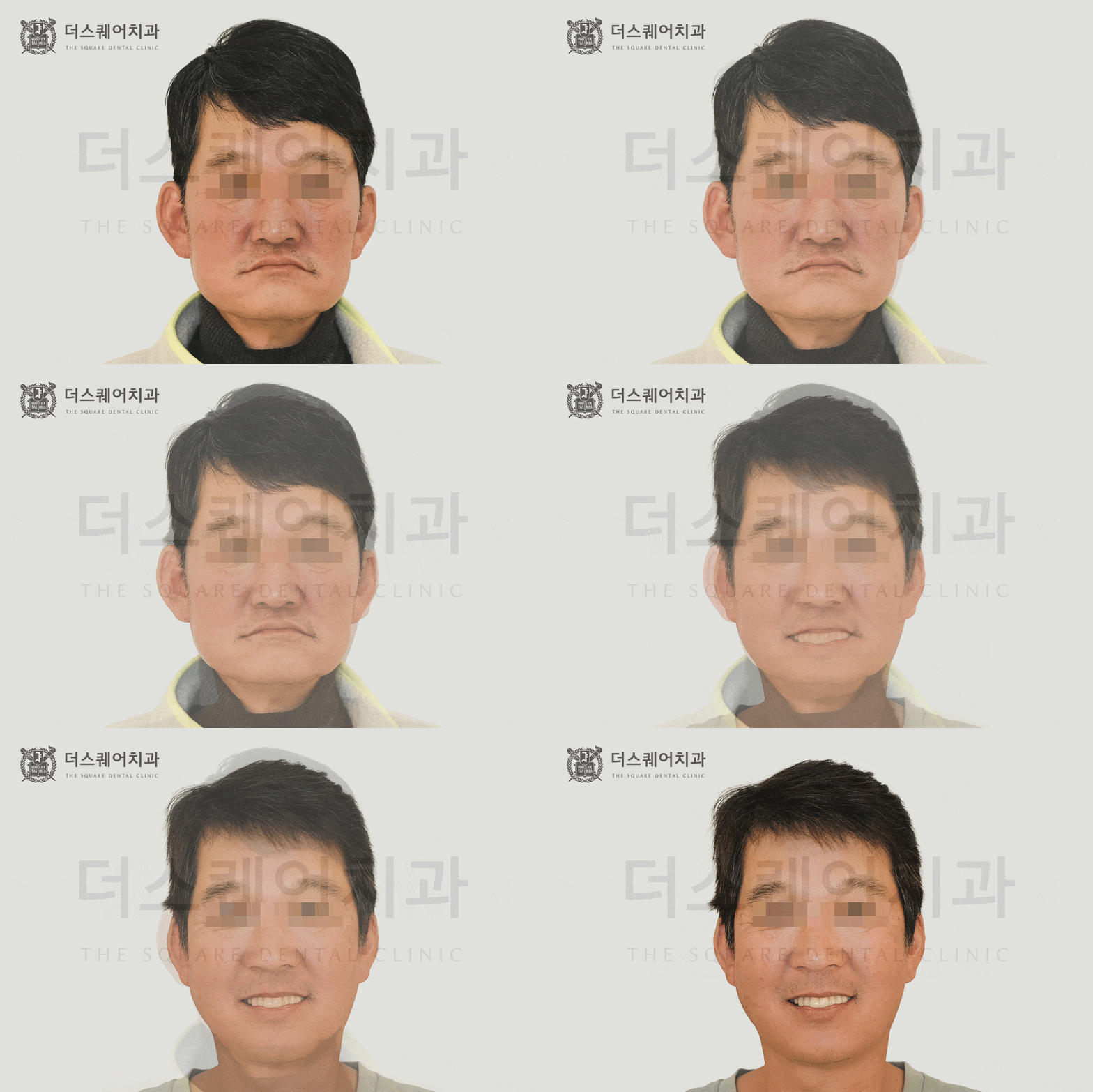
Full-Mouth Implant Treatment That Can Transform Quality of Life

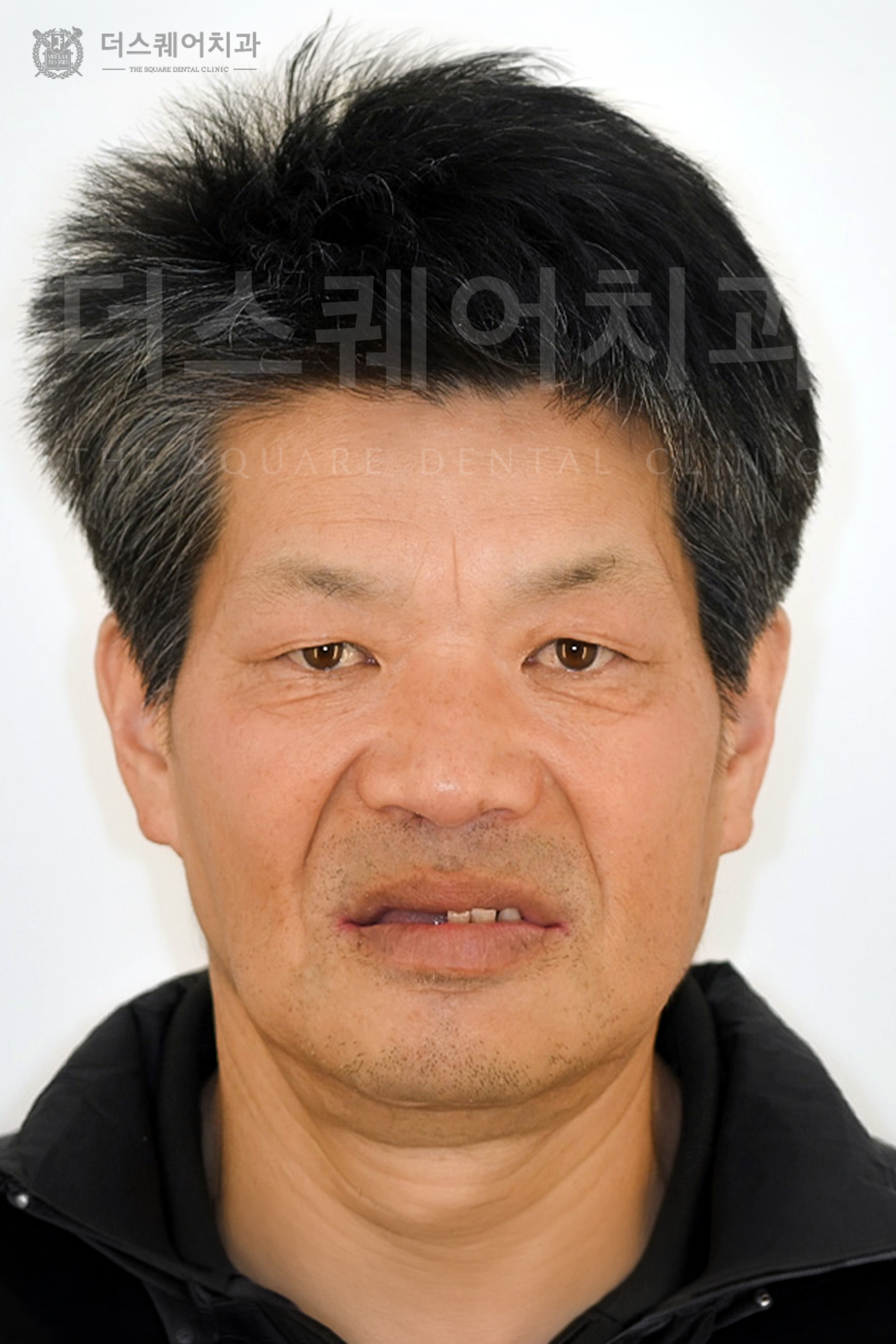
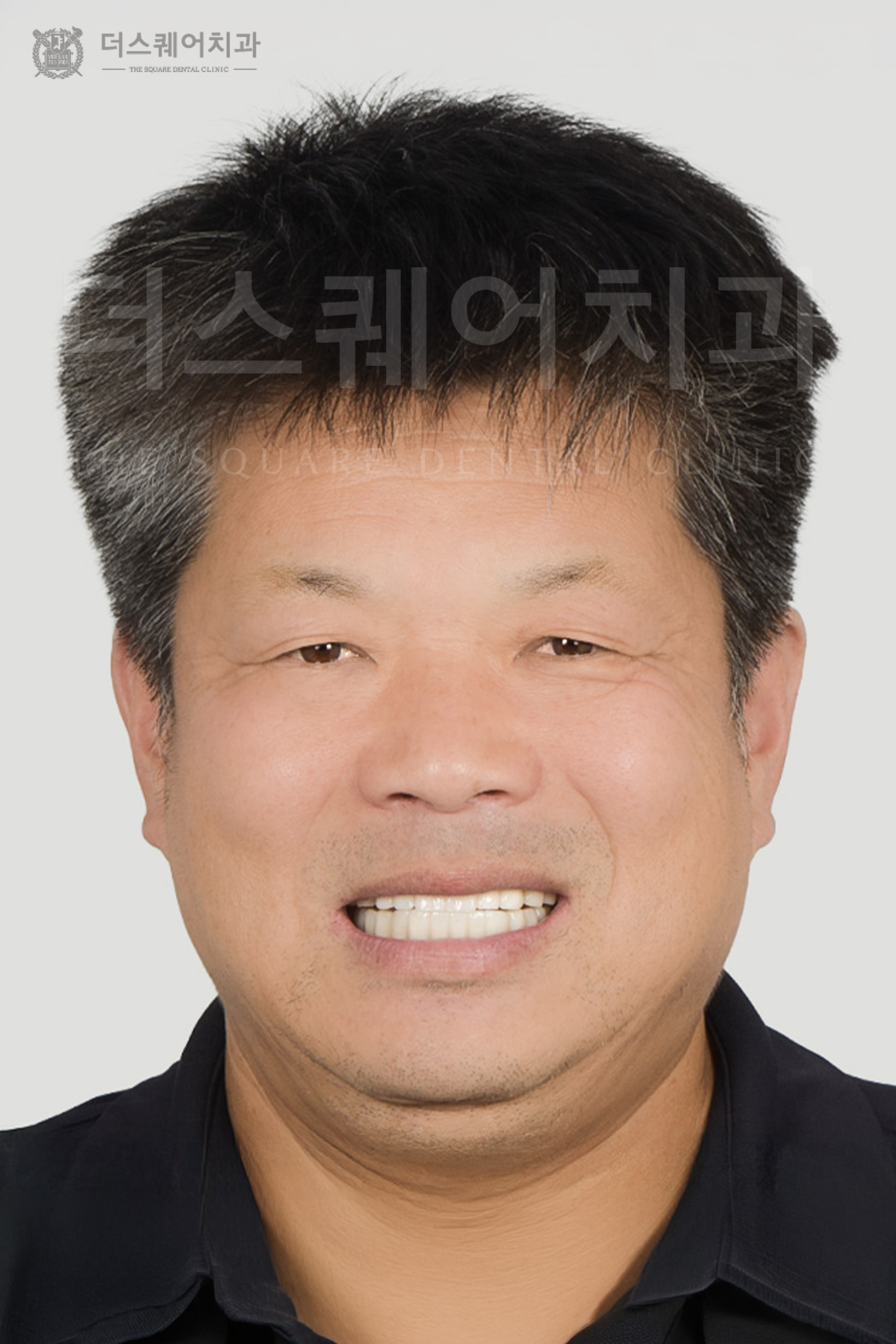
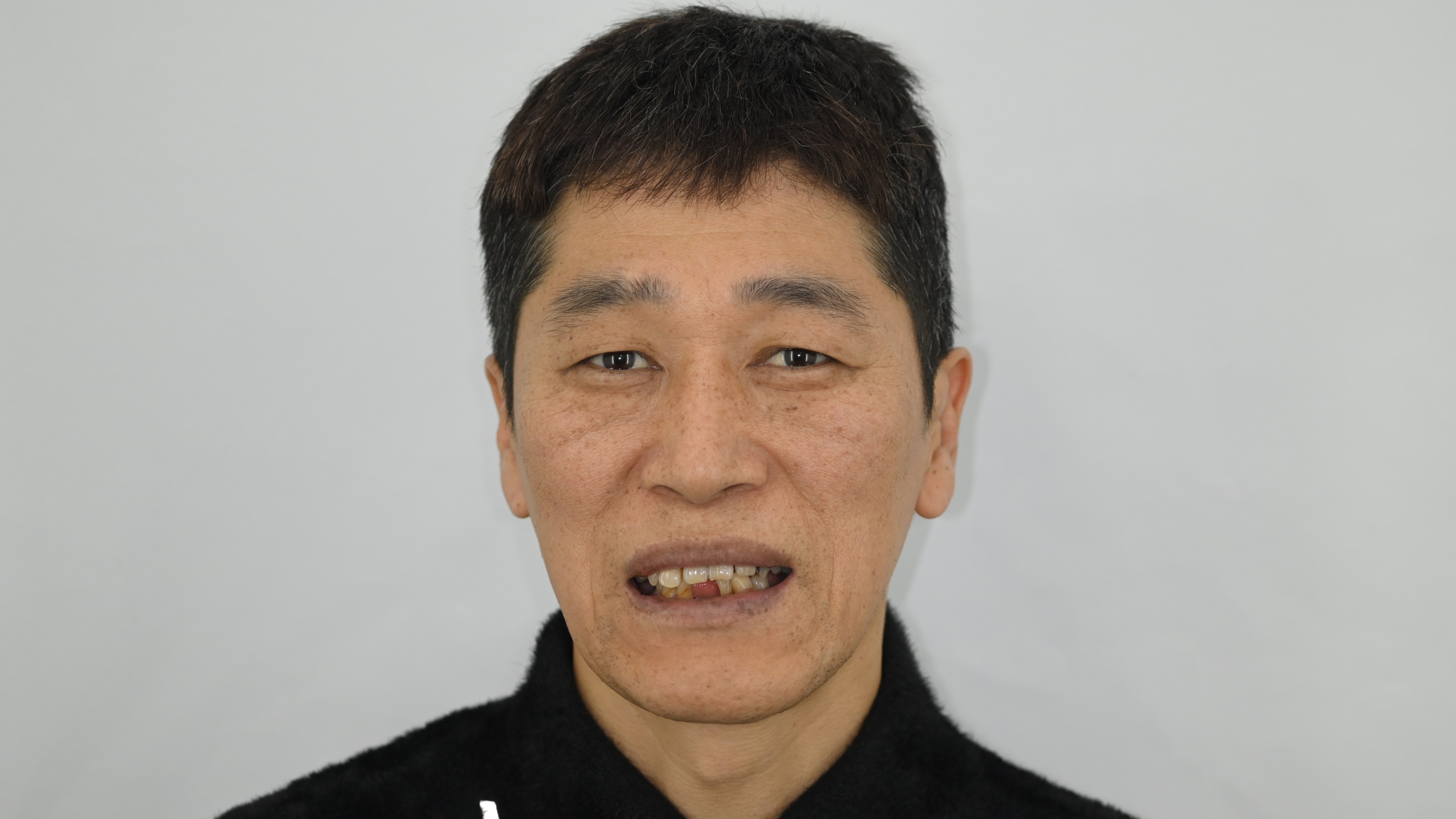
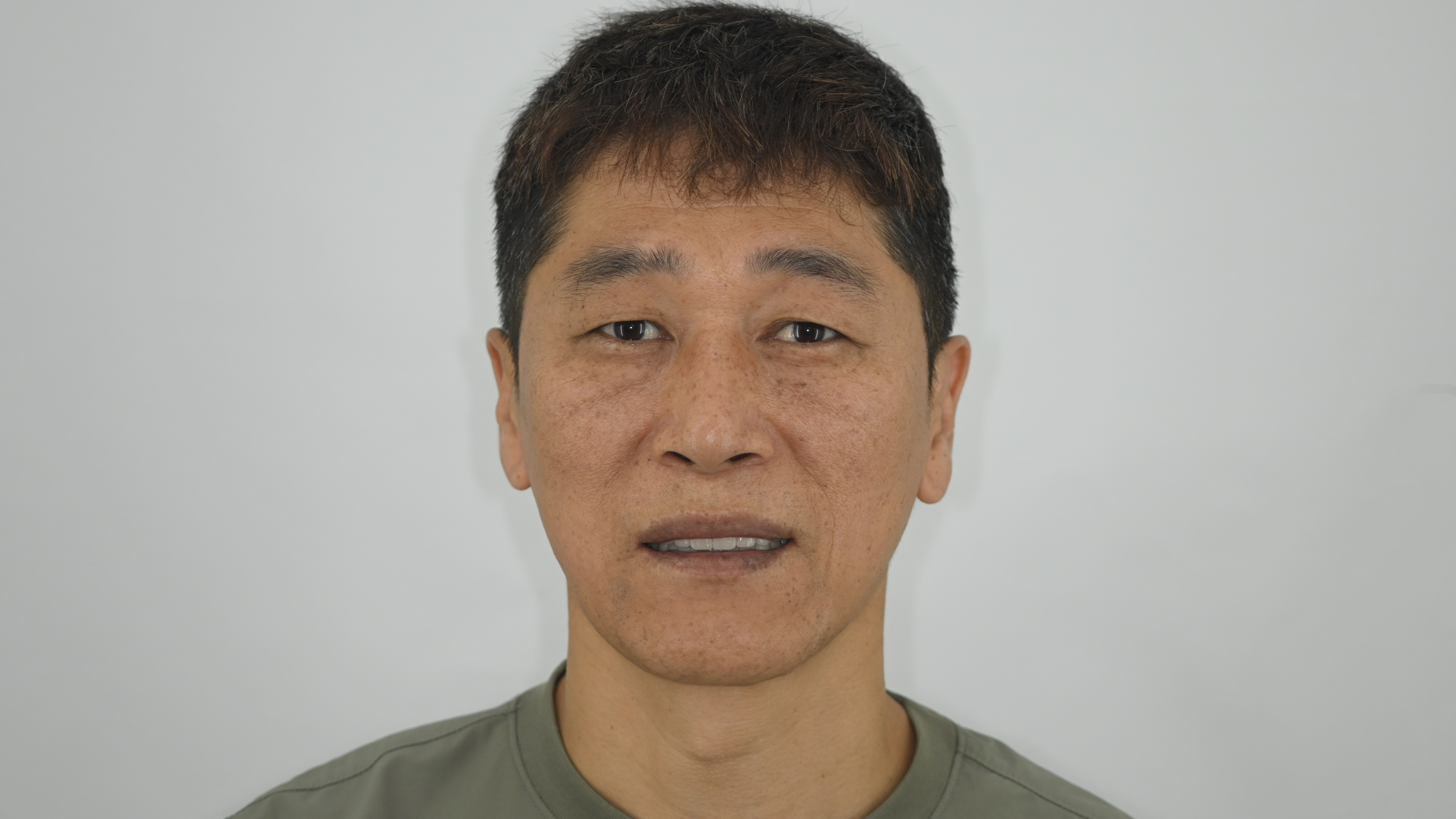
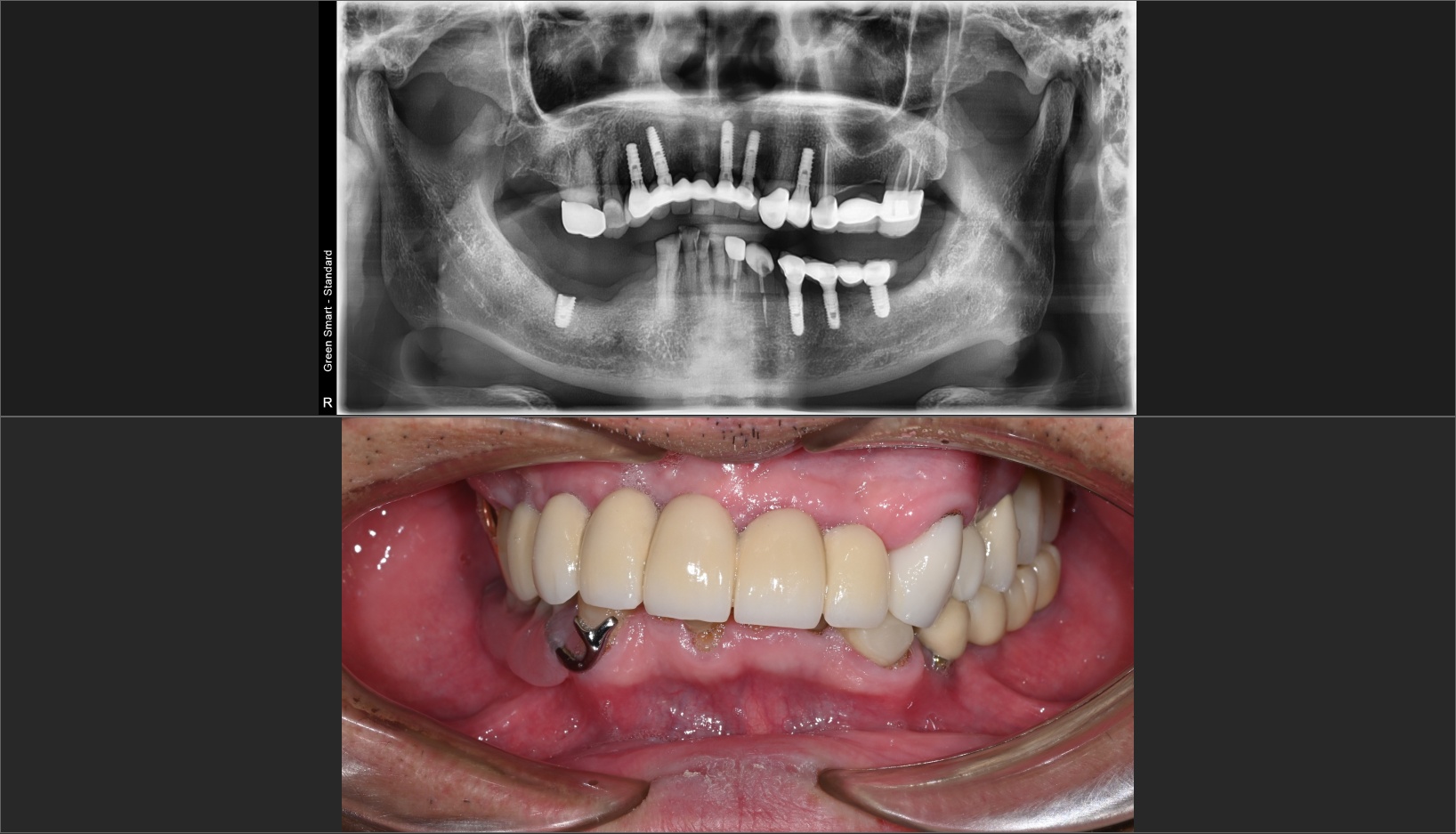
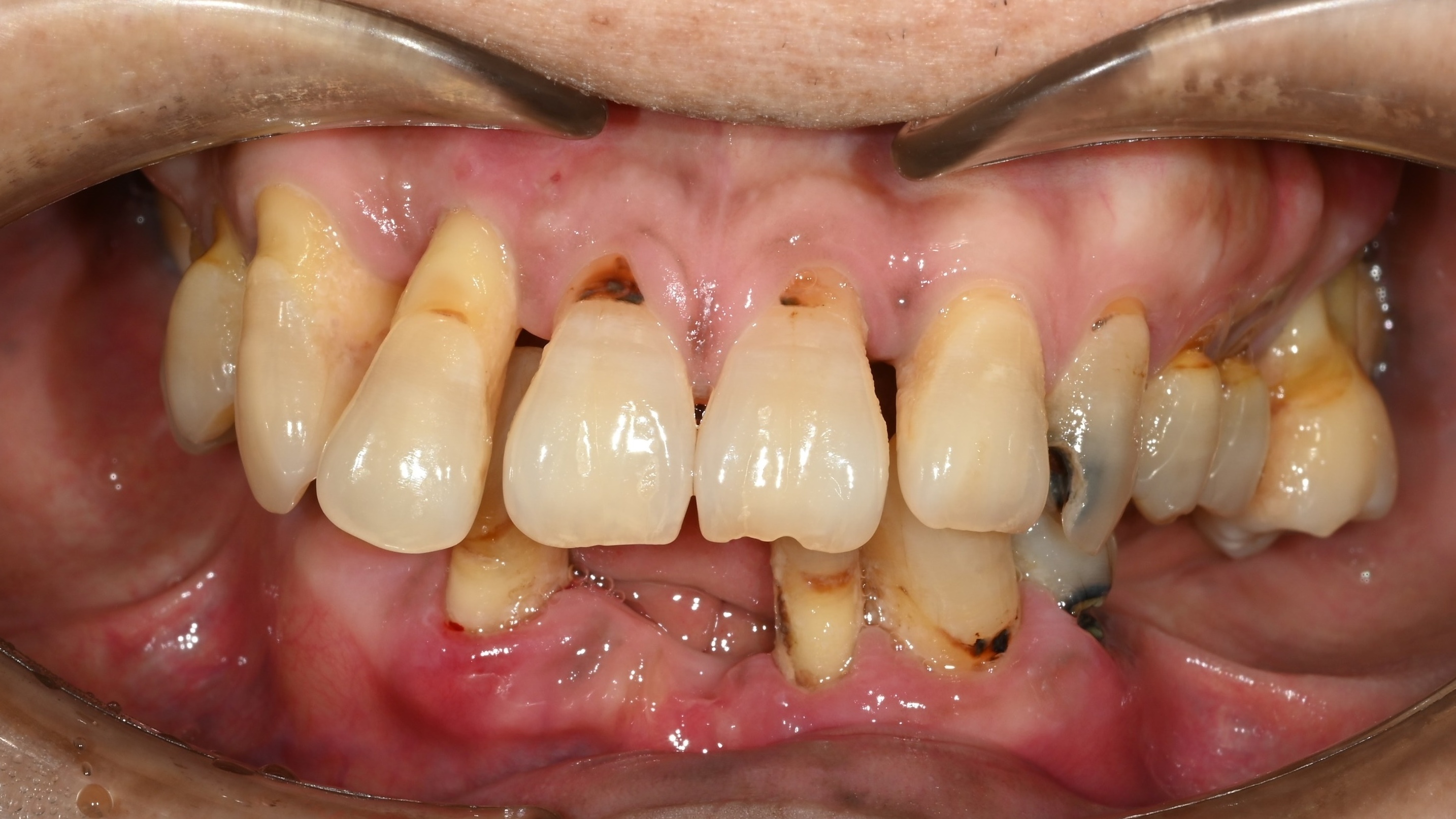
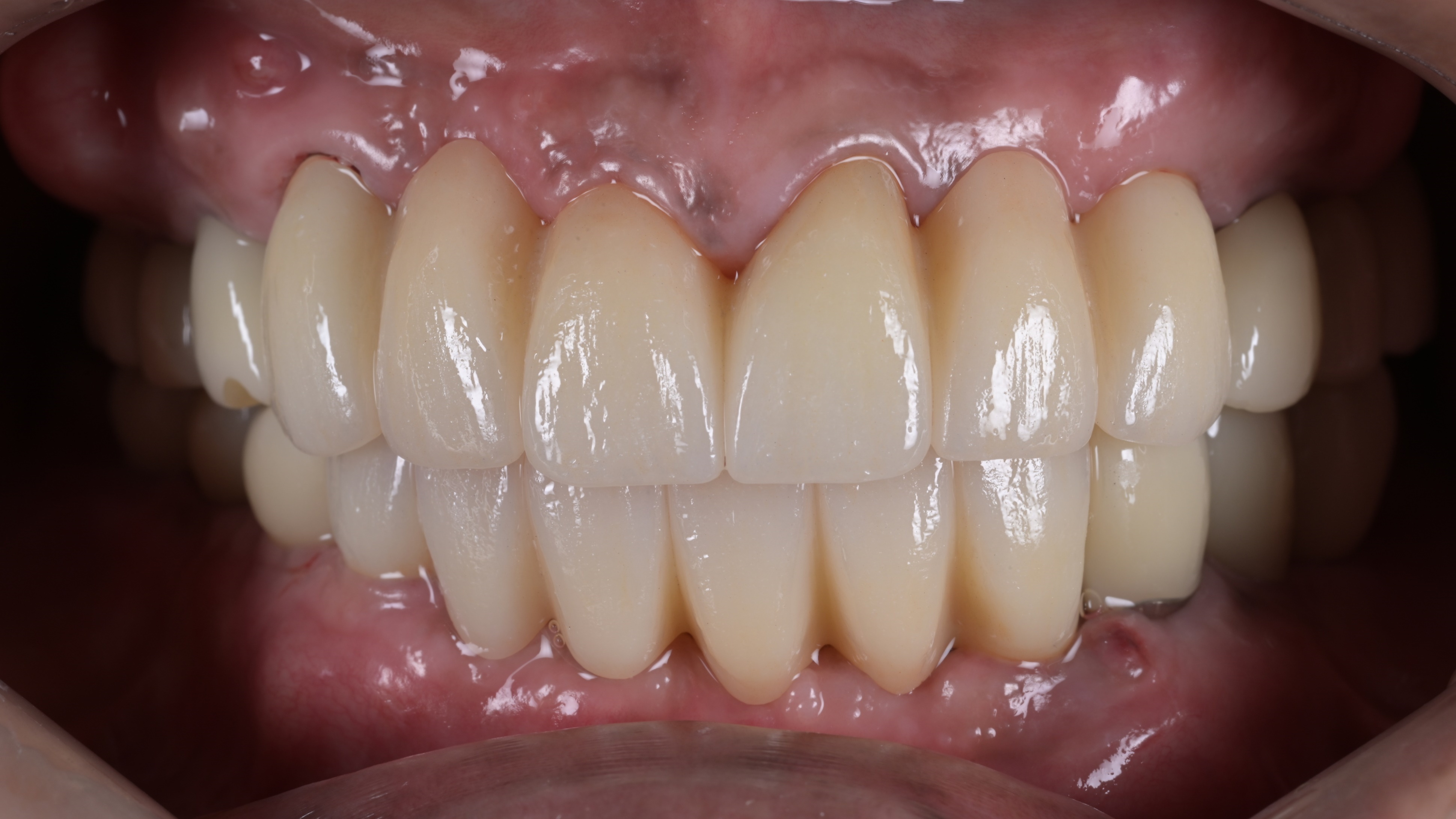
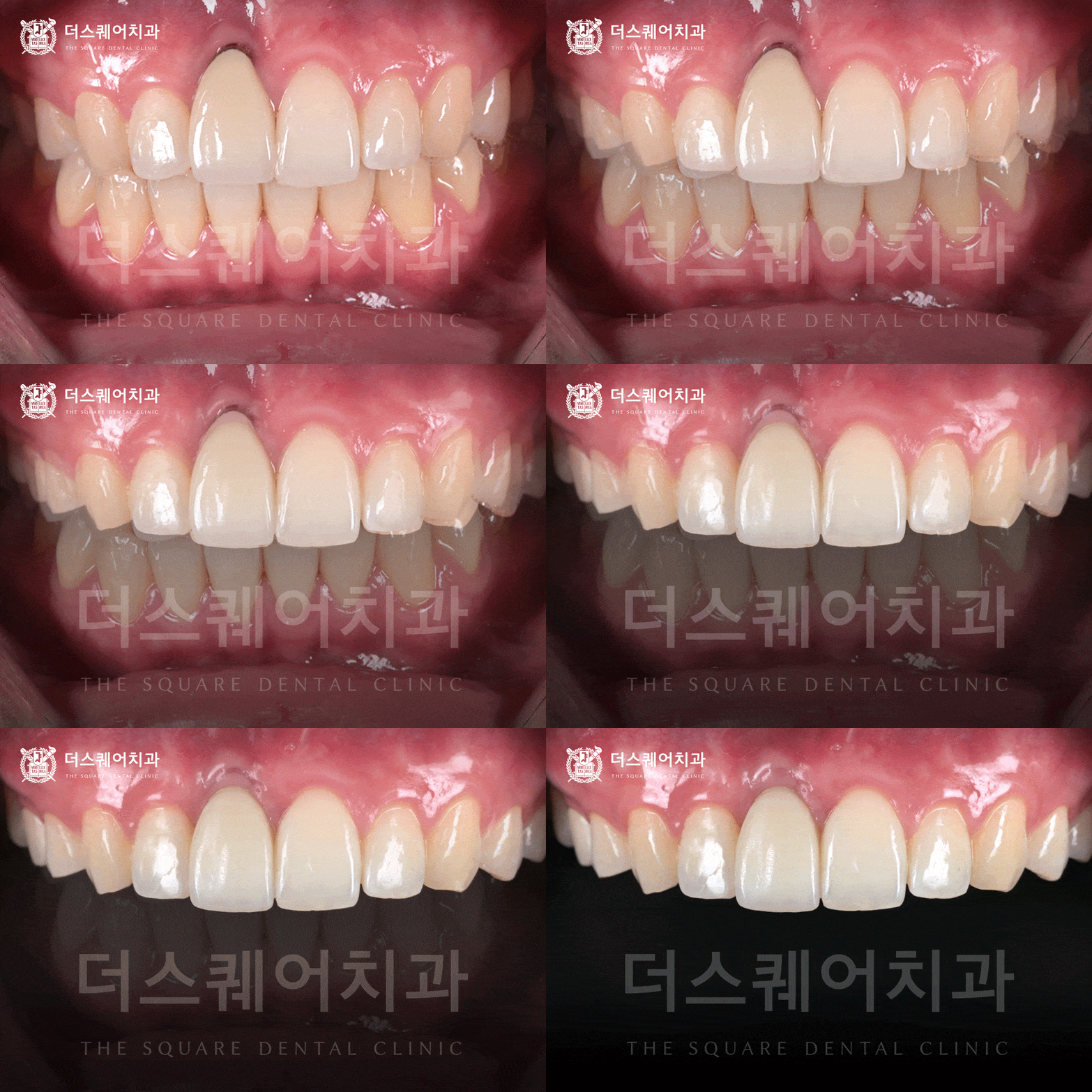
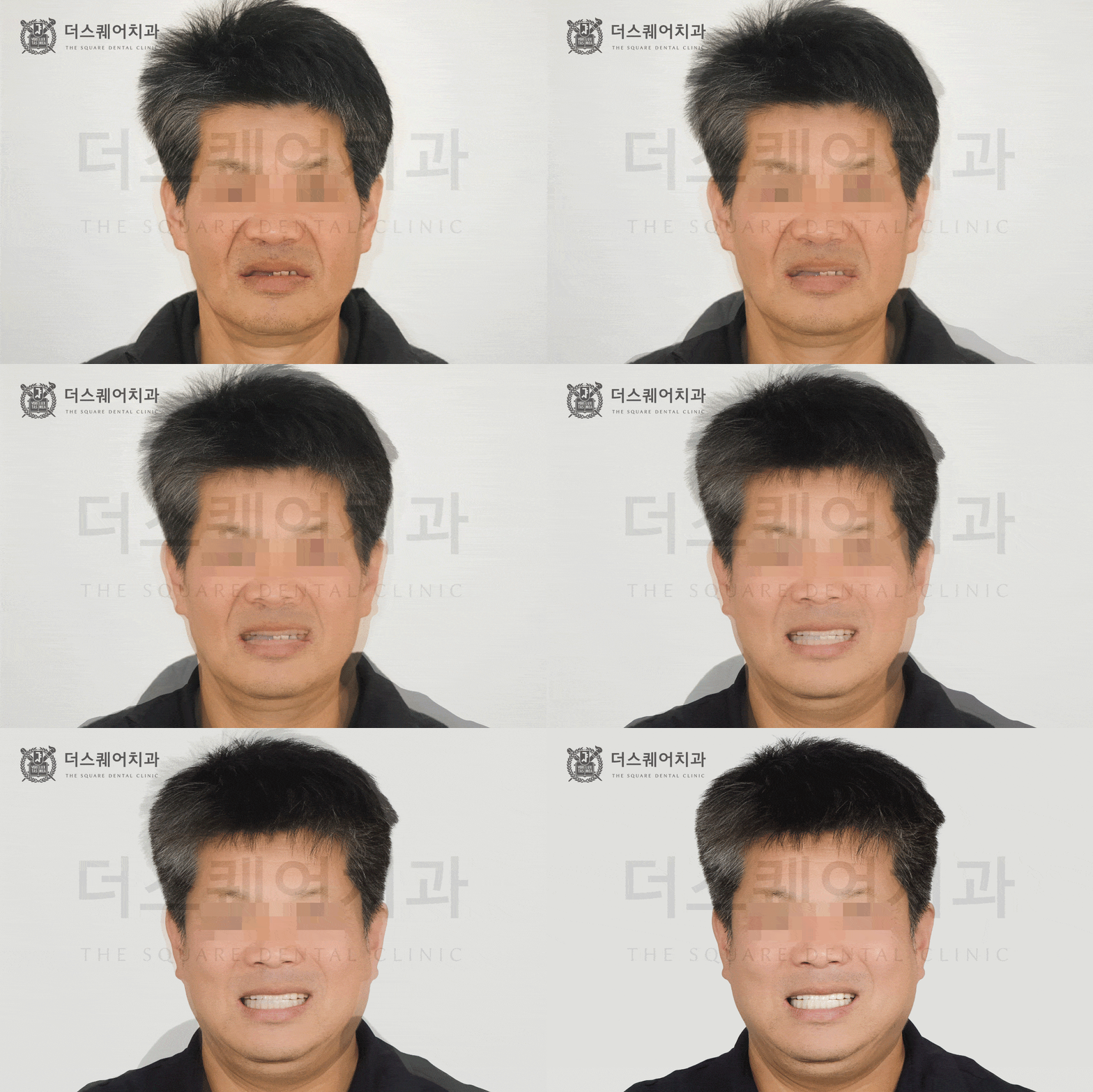
Front View
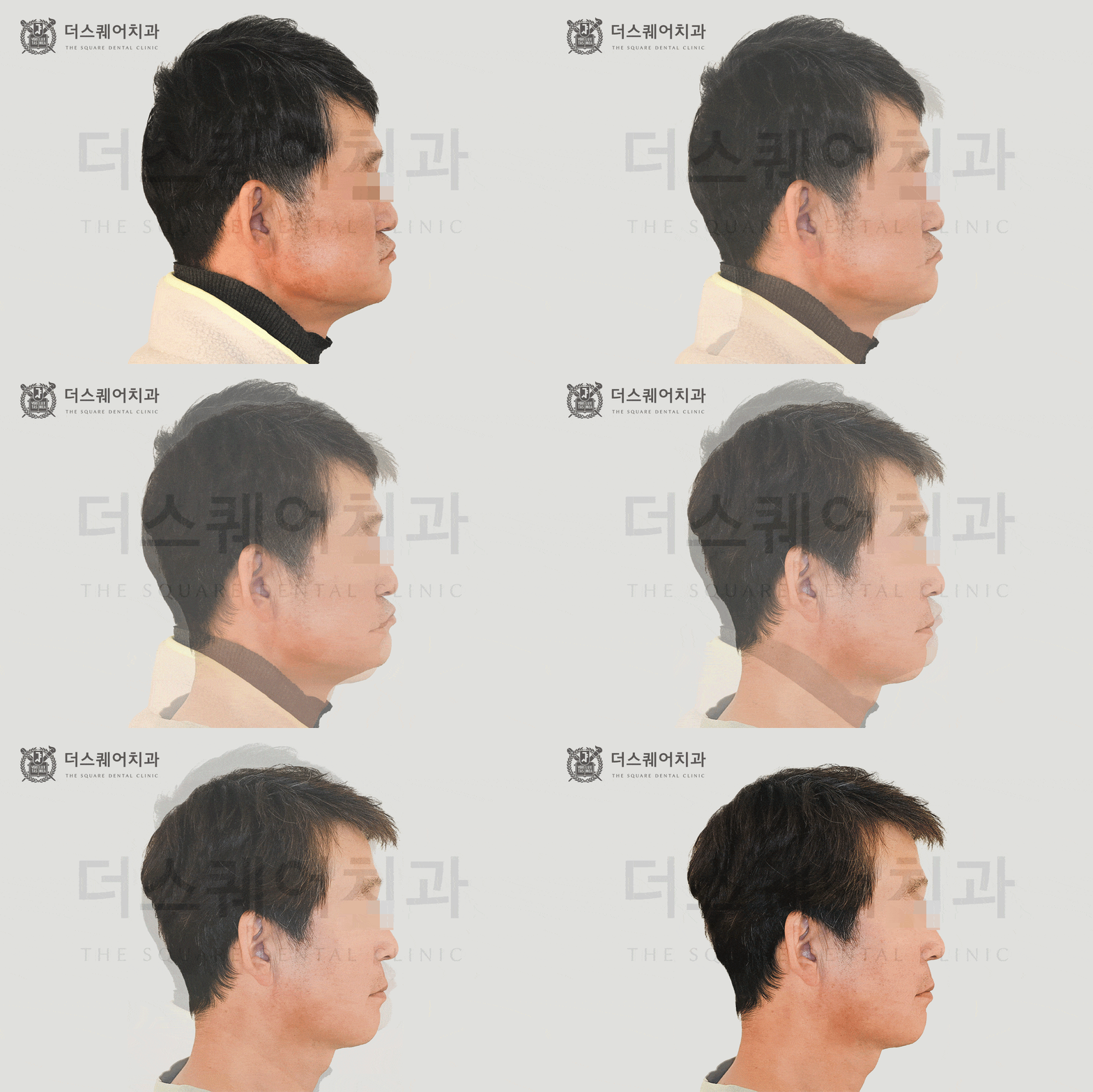
Full-Mouth Implant Treatment That Can Transform Quality of Life
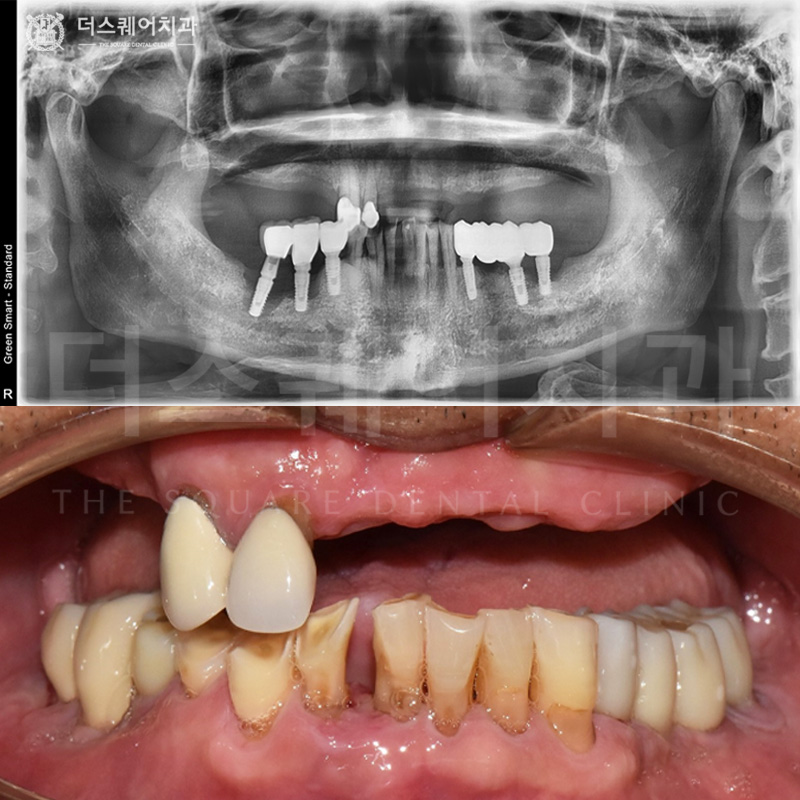
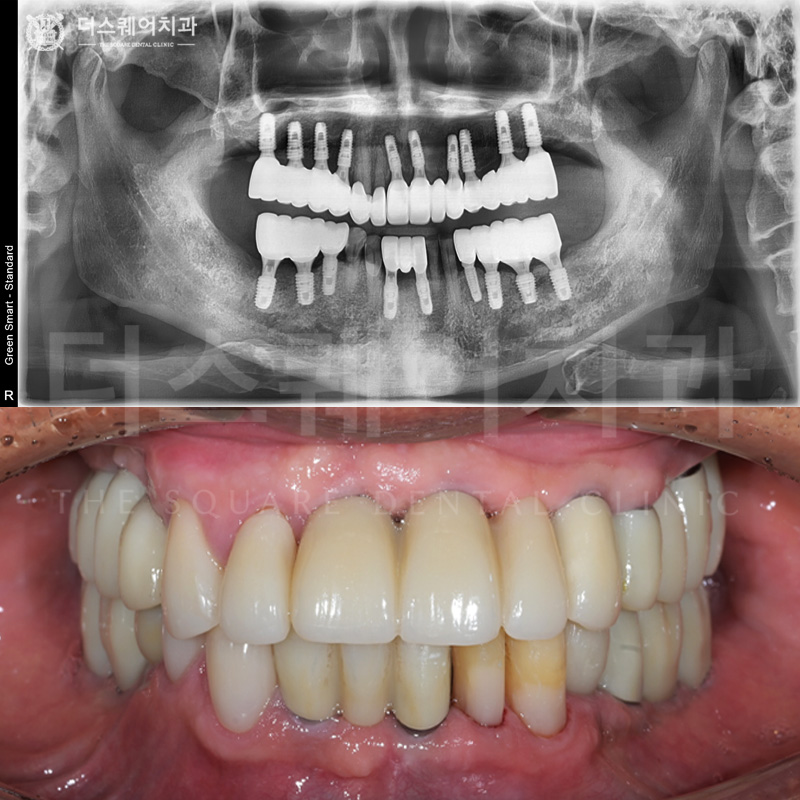
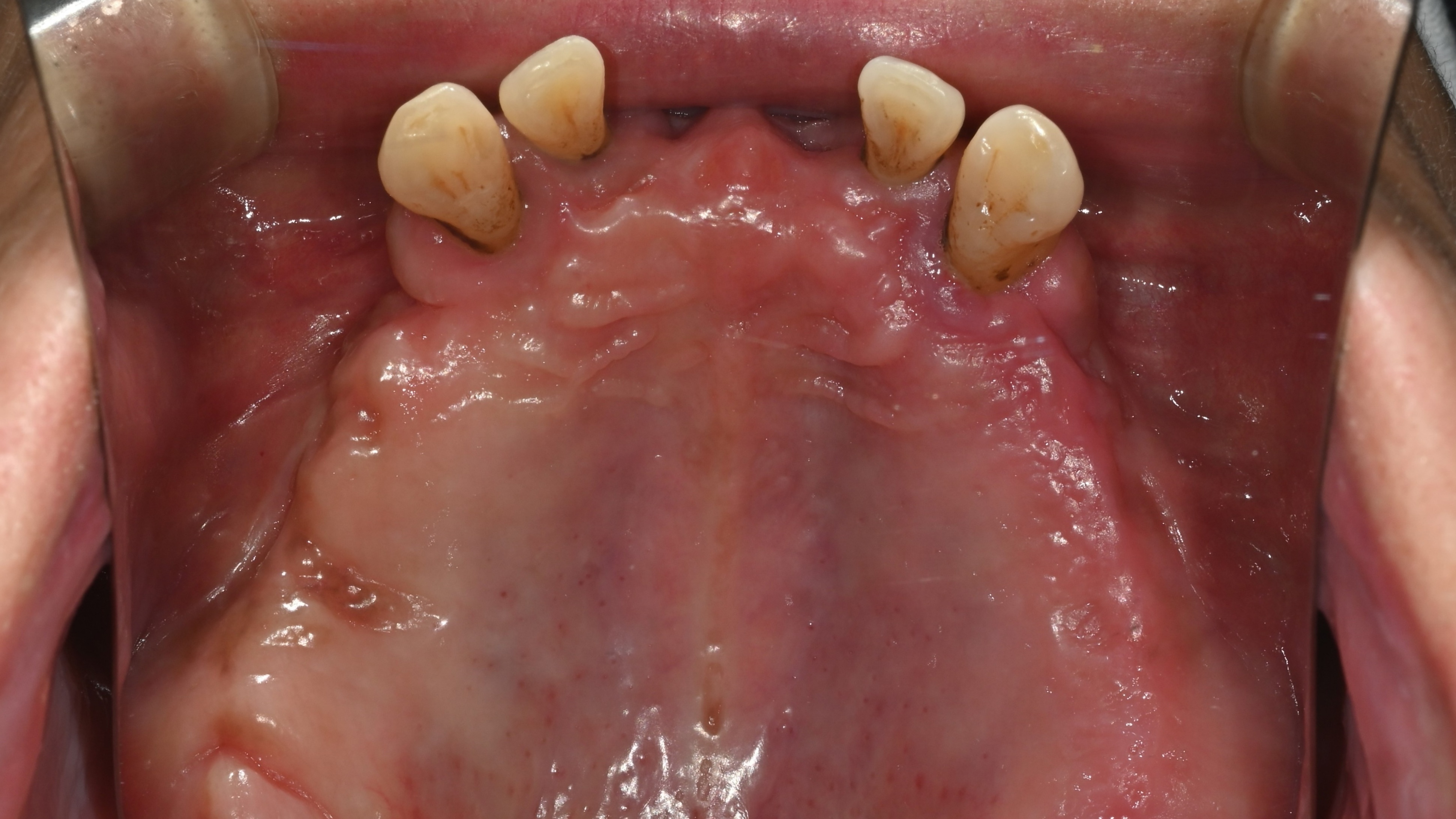
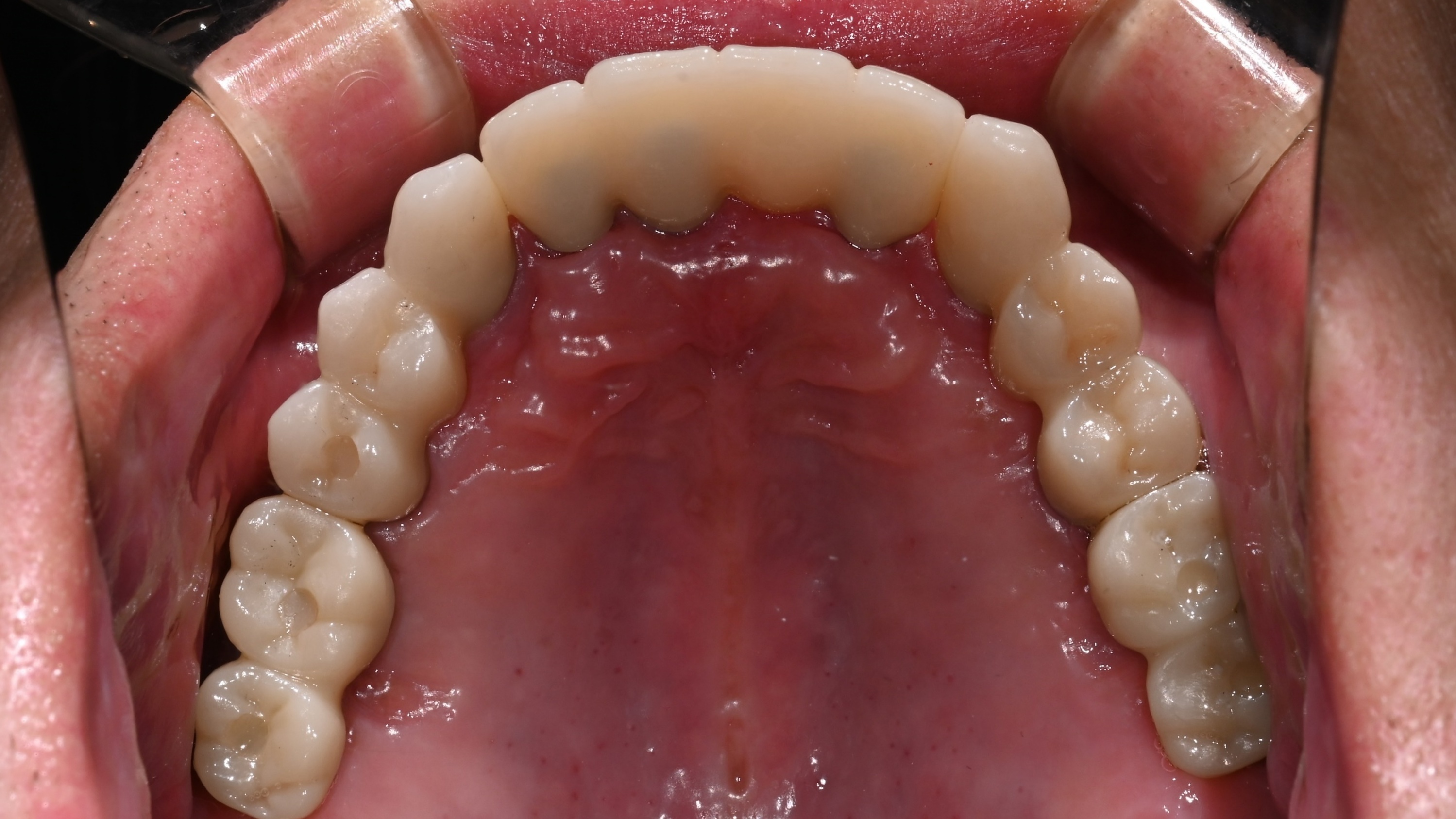
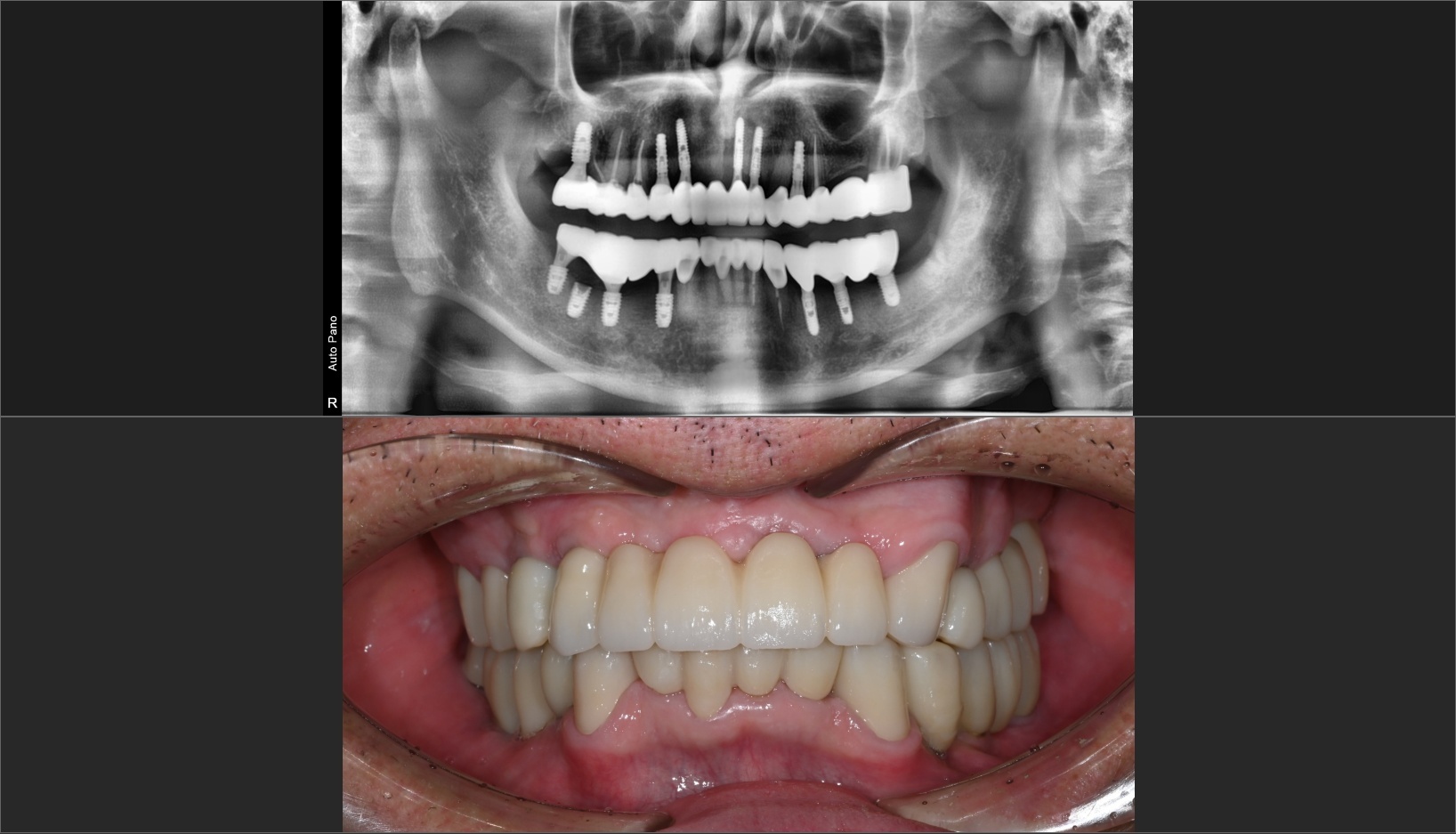
Side View
Full-Mouth Implant Treatment That Can Transform Quality of Life

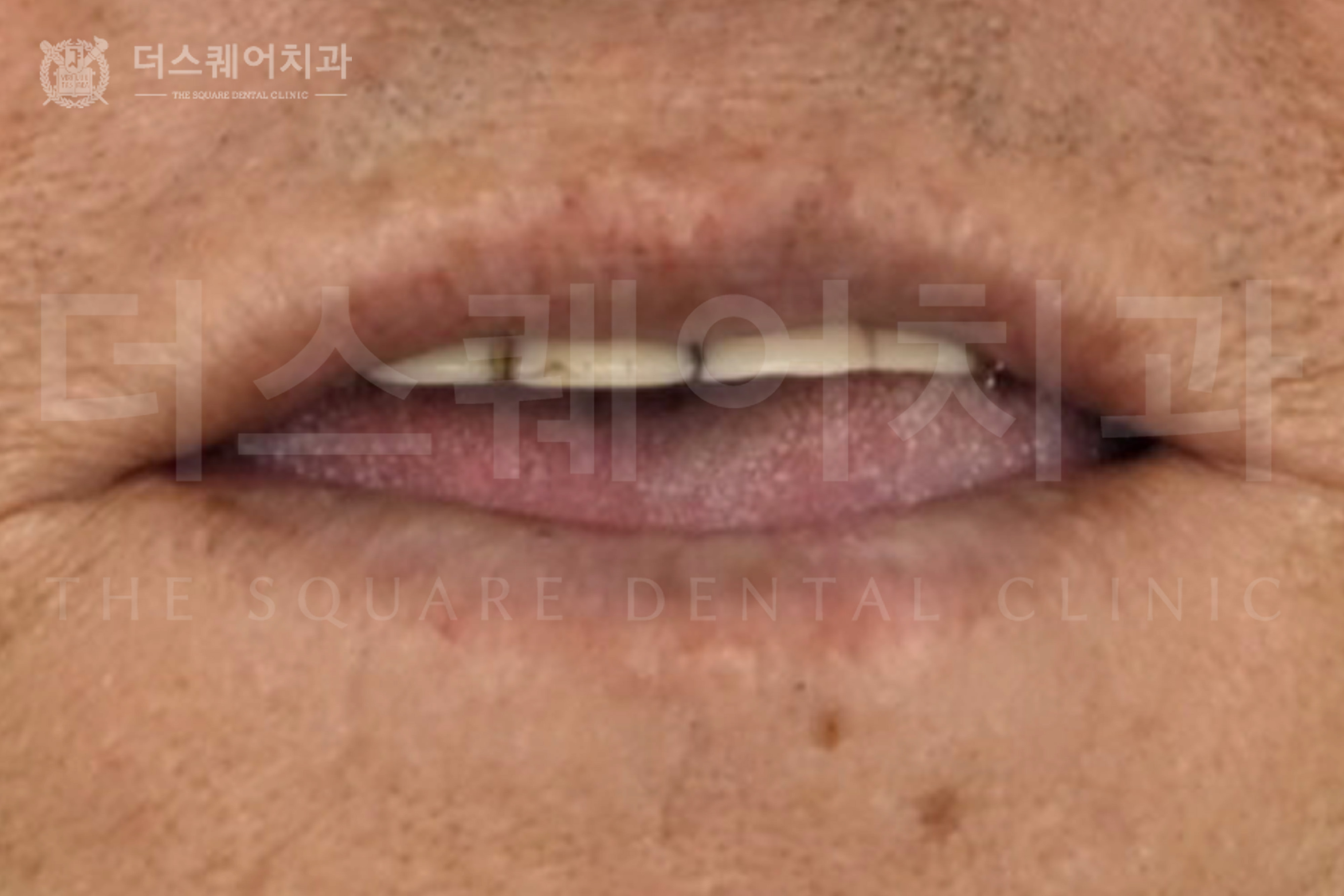
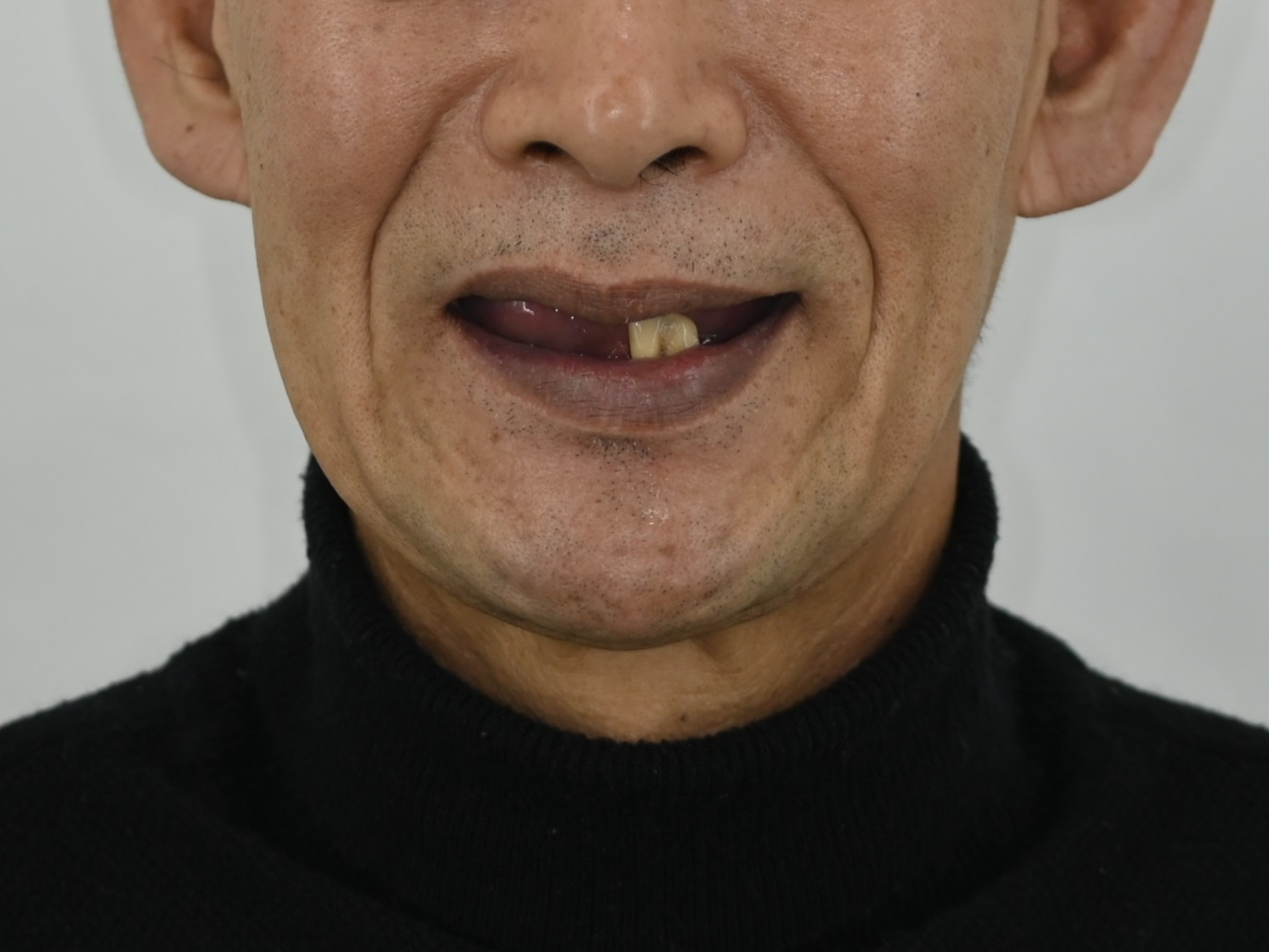
Before2023. 03. 06

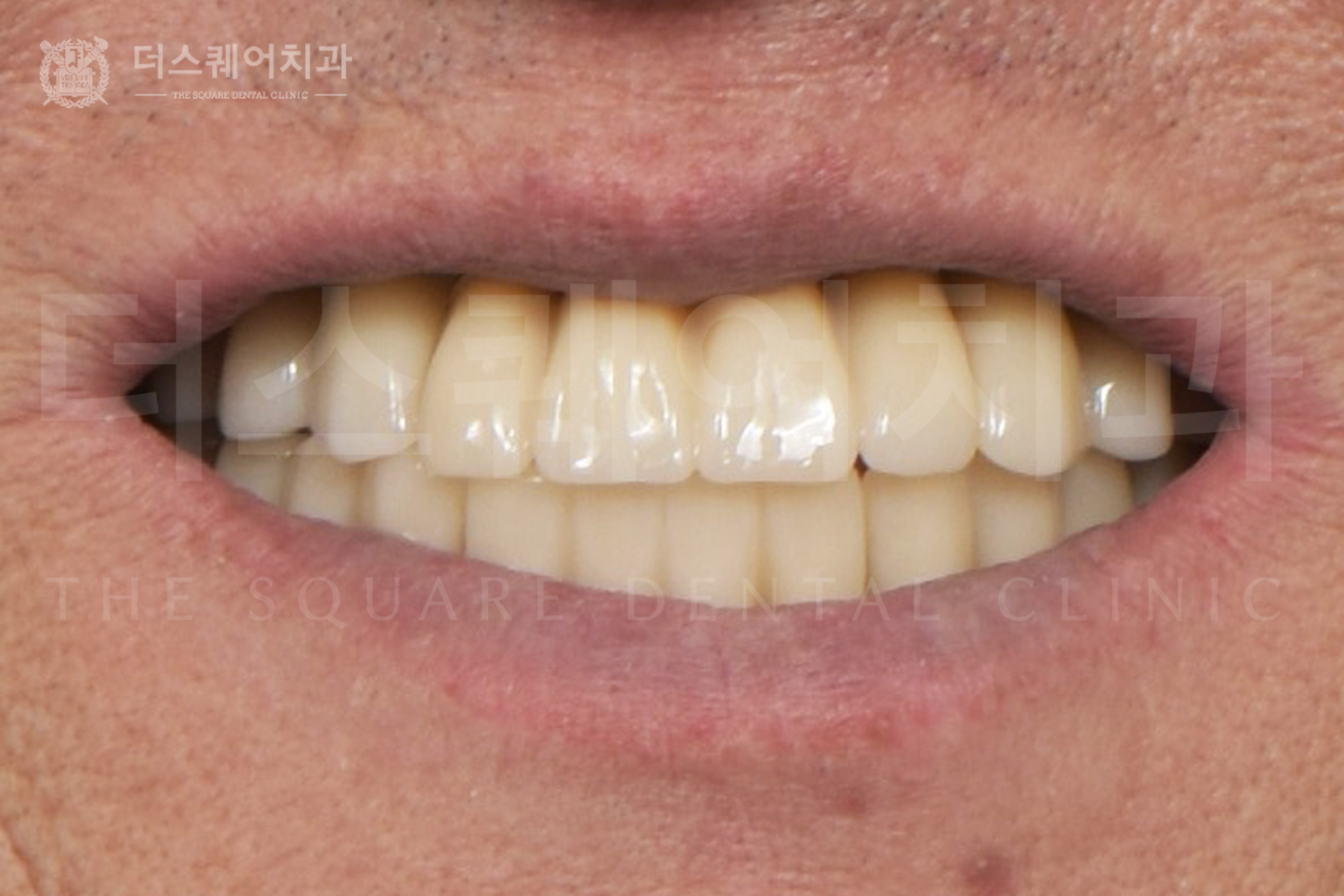
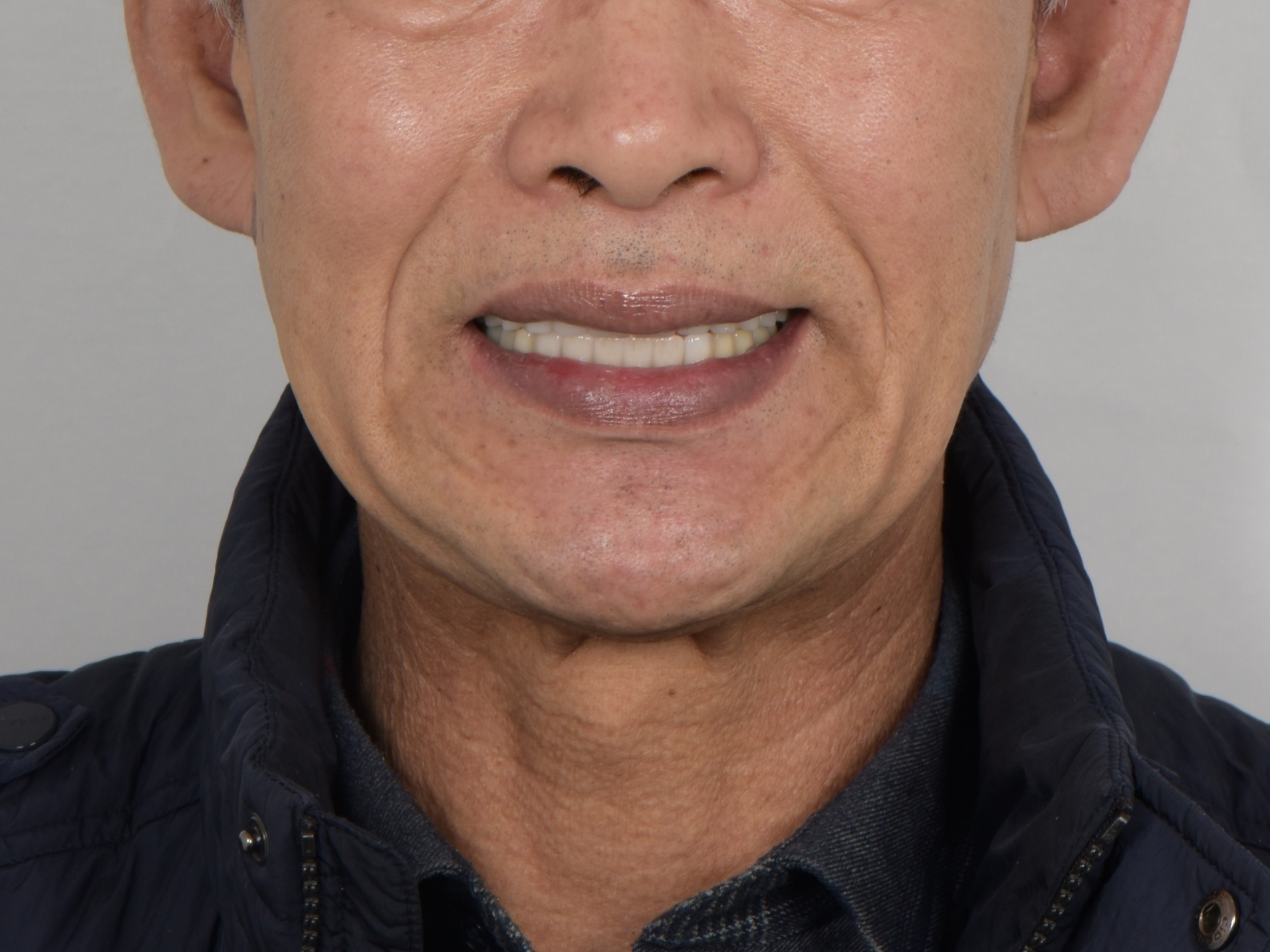
After2024. 04. 28

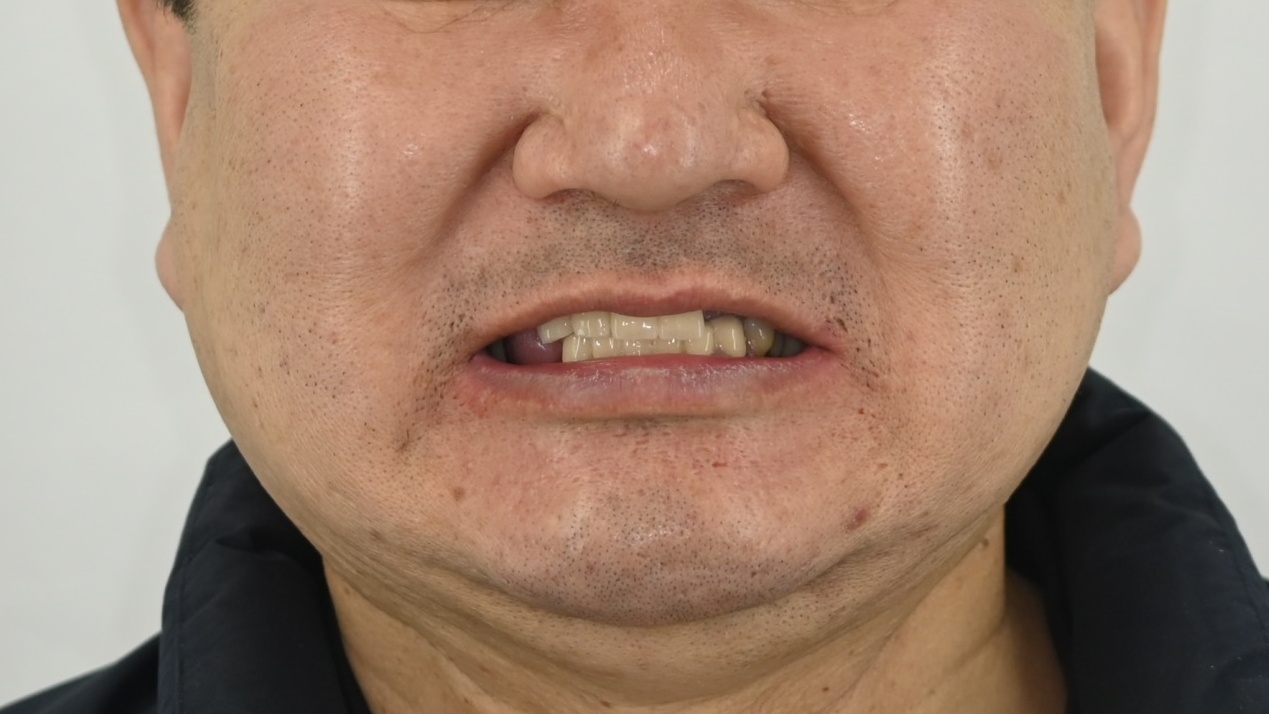
The clinical photographs above are published with the patient’s prior consent.
As with any dental treatment, side effects and complications may occur. A consultation with a qualified dental professional is required before treatment.
Front View
Full-Mouth Implant Treatment That Can Transform Quality of Life
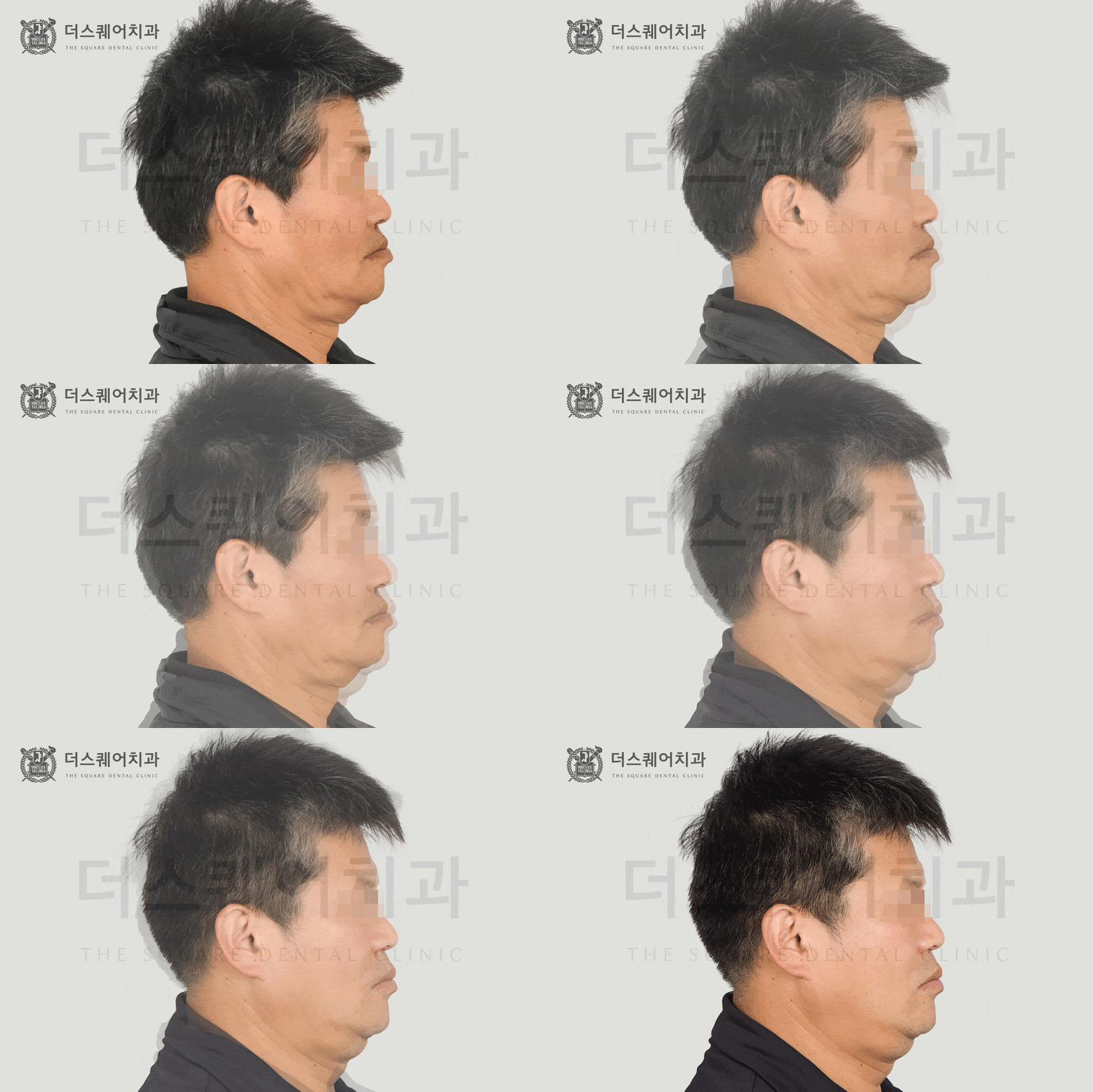
Side View
Full-Mouth Implant Treatment That Can Transform Quality of Life

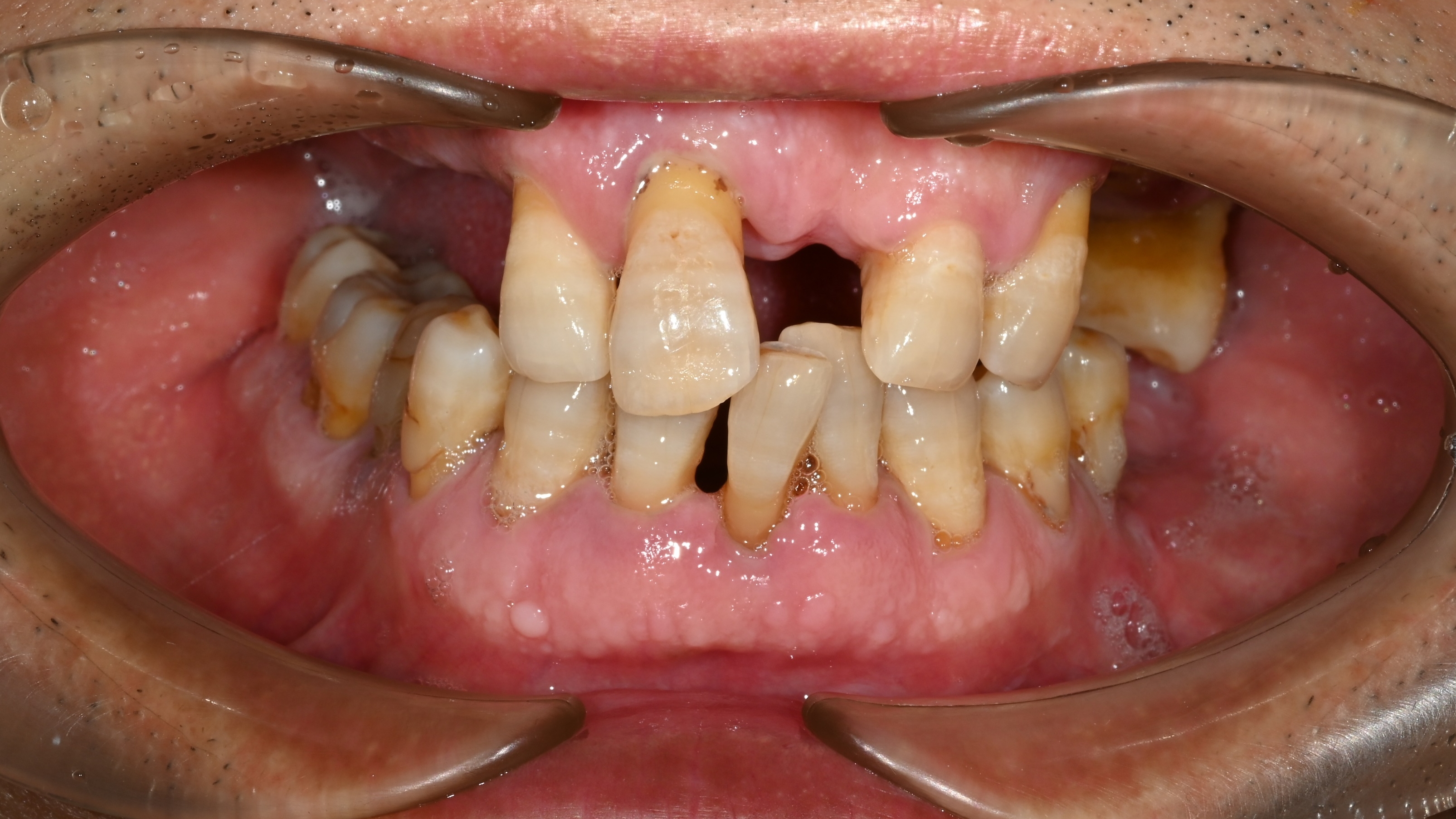
Before2023. 03. 30

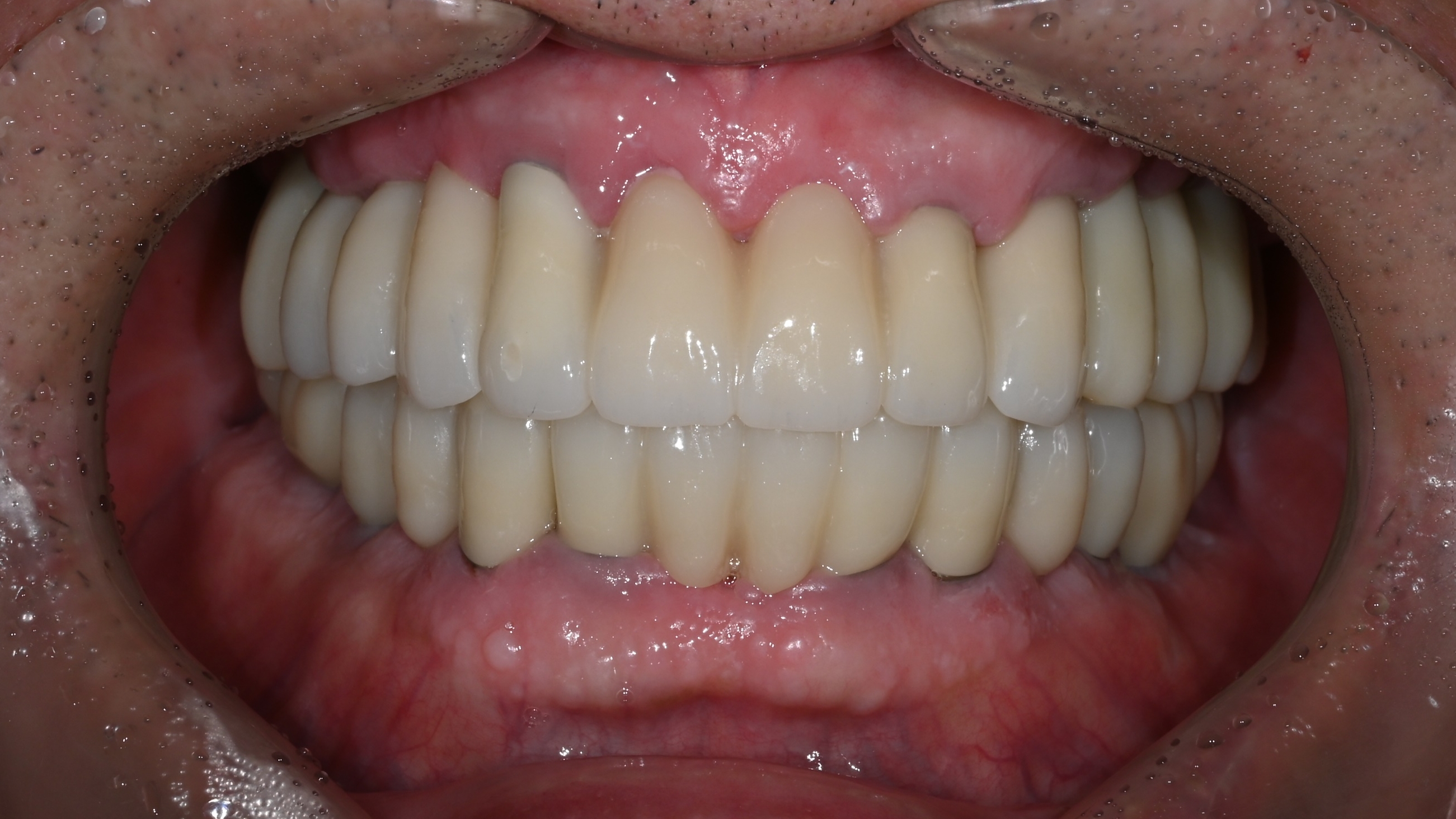
After2024. 10. 03

The clinical photographs above are published with the patient’s prior consent.
As with any dental treatment, side effects and complications may occur. A consultation with a qualified dental professional is required before treatment.

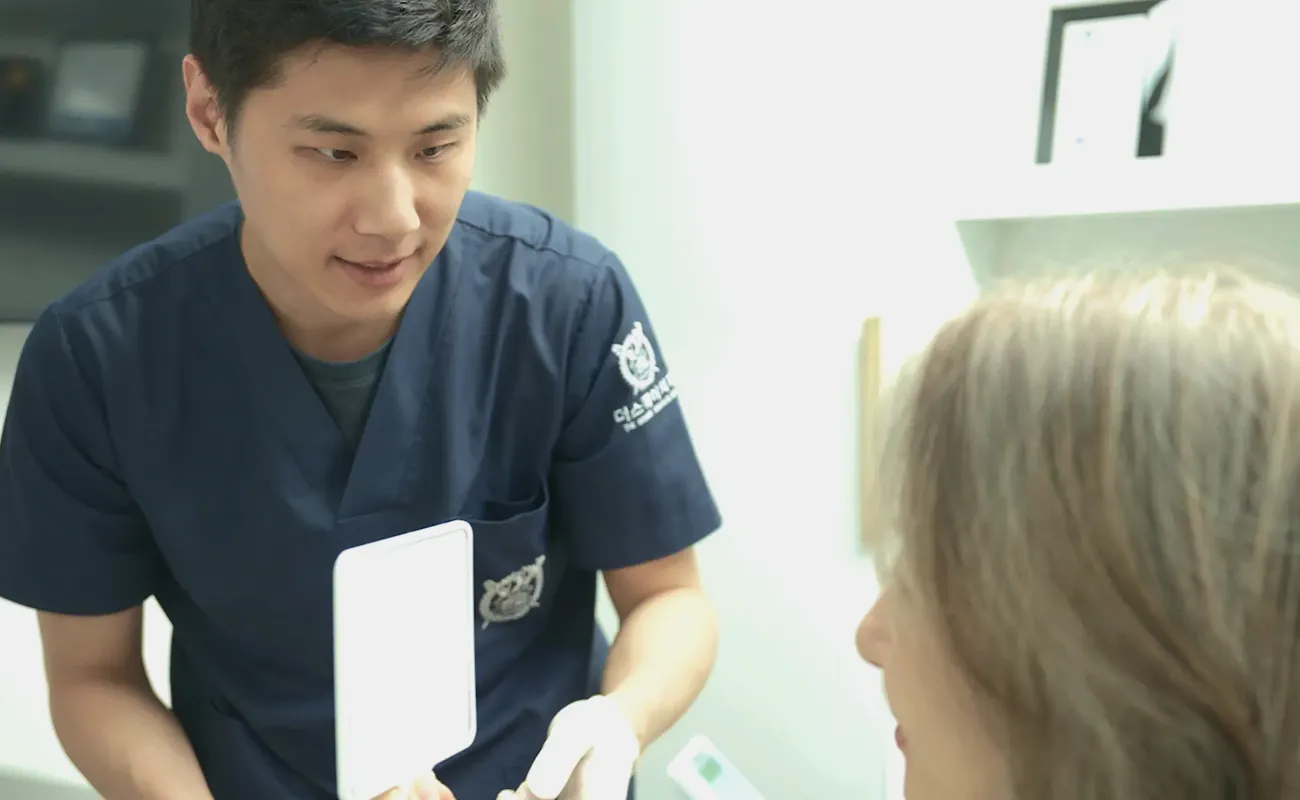
The Square Dental Clinic’s Full-Mouth Implant Solutions

01Same-Day Implant Solution
In selected cases, temporary teeth may be placed on the day of implant surgery, allowing patients to regain appearance and basic function sooner.

※ Available only in selected cases depending on bone condition, implant stability, and the overall treatment plan.

Same-Day Implant Solution

02Precise Digital Guided Implant Surgery
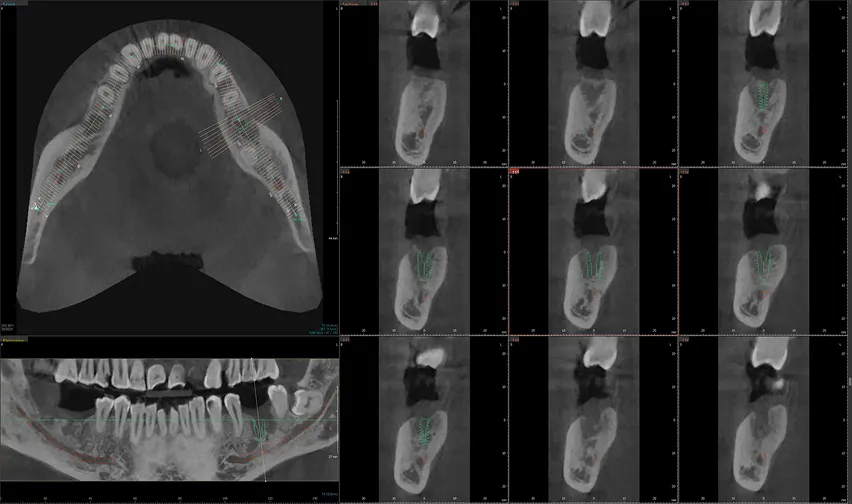
Digital planning and surgical guides help determine the planned implant position, angle, and depth before surgery, supporting more precise and predictable implant placement.

Precise Digital Guided Implant Surgery

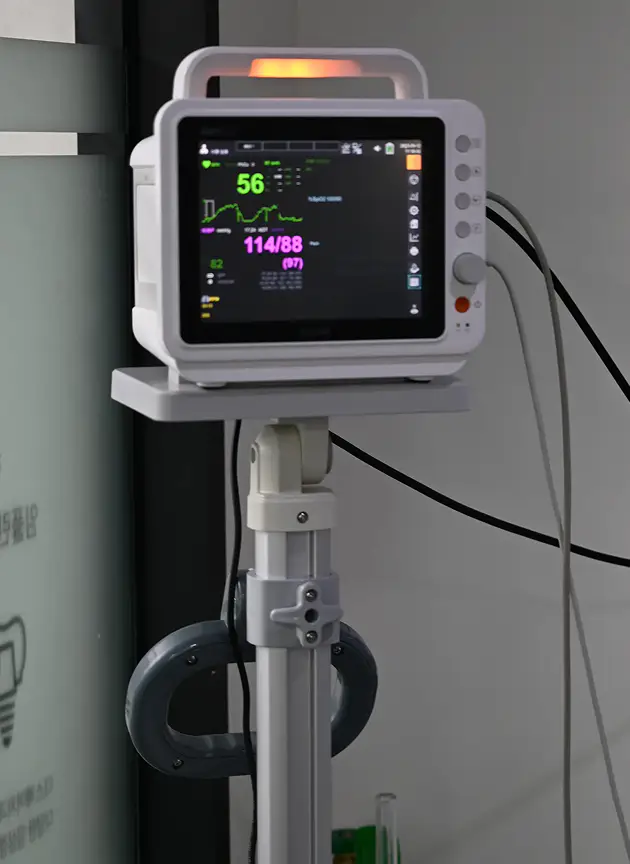
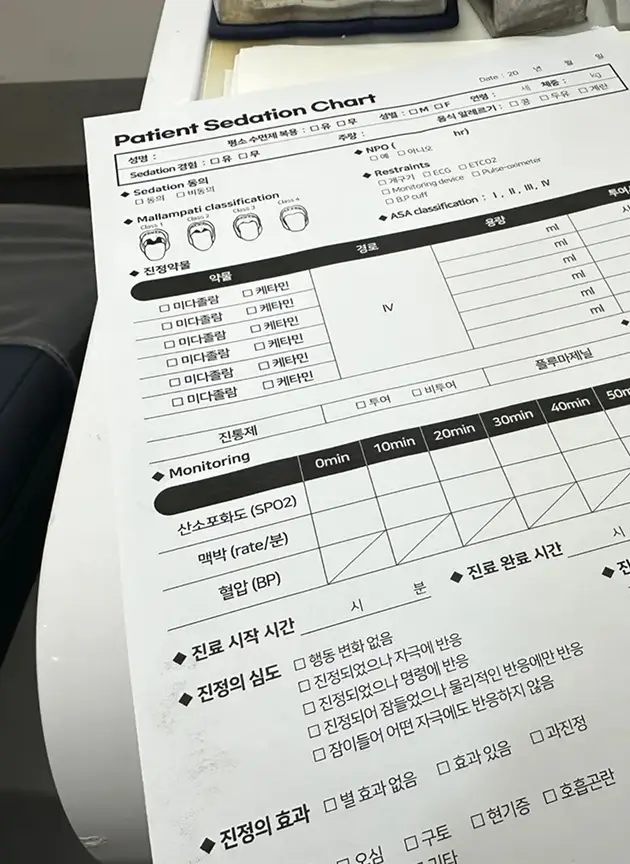
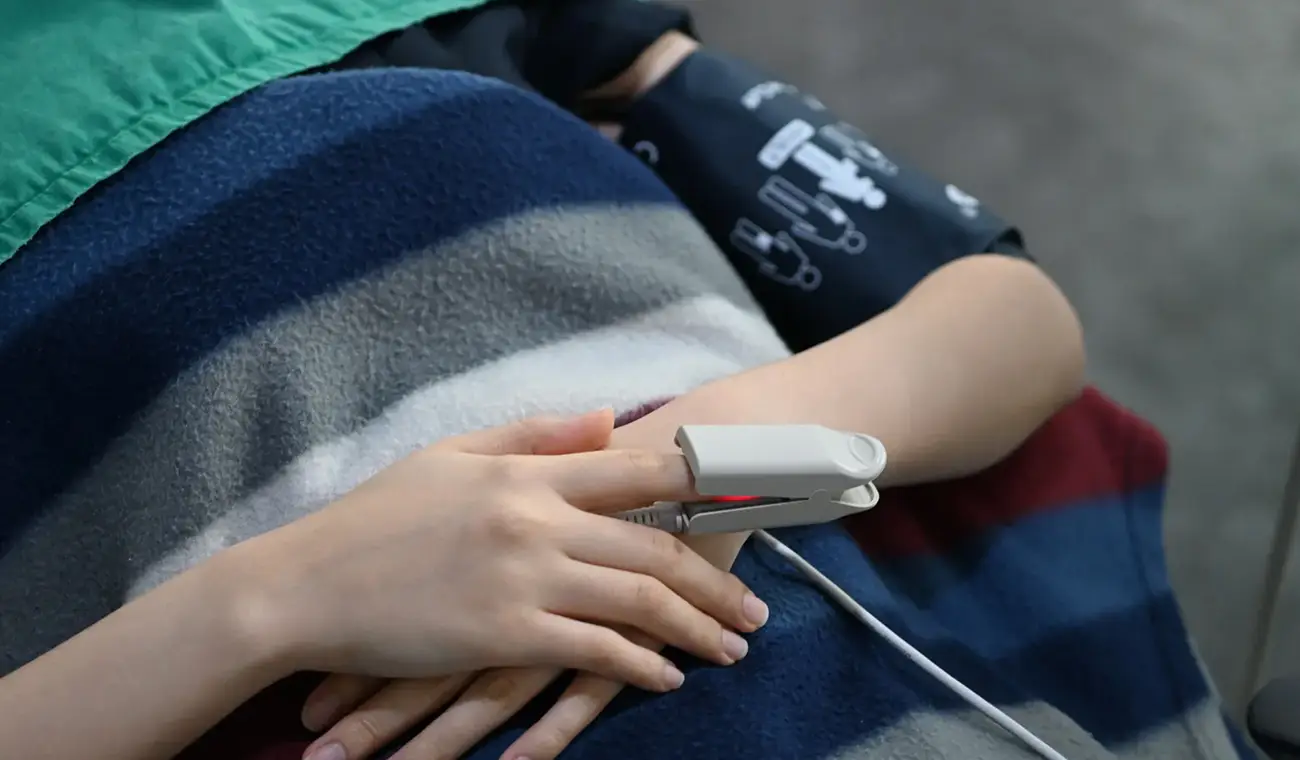
03Comfortable Implant Treatment with Conscious Sedation
For patients who experience significant dental anxiety, conscious sedation may be considered to help make treatment more comfortable.

※ This is conscious sedation, not general anesthesia.

omfortable Implant Treatment with Conscious Sedation

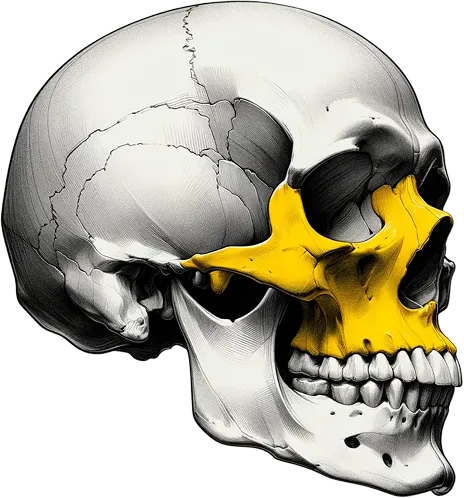
Complex Full-Mouth Implant Surgery Requires a Comprehensive Understanding of the Face and Jaws

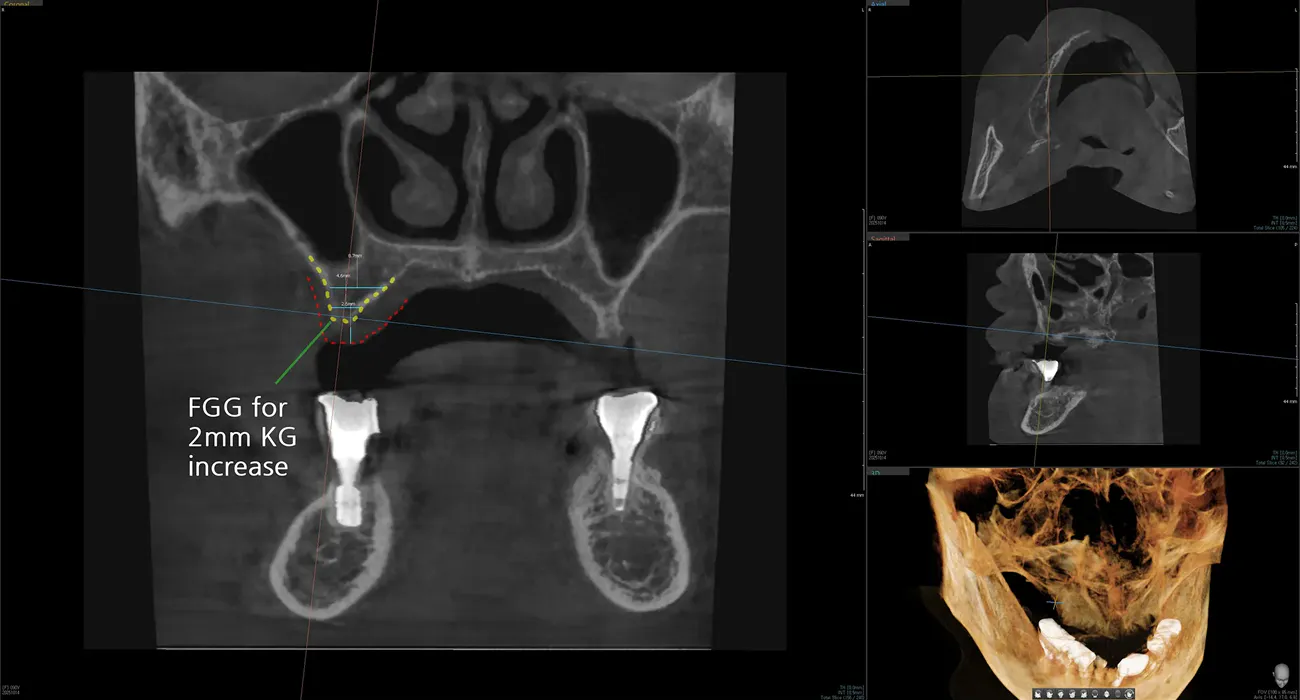
  • Three-Dimensional Diagnosis Considering Both Hard and Soft Tissues

    Three-Dimensional Diagnosis Considering Both Hard and Soft Tissues

  • Comprehensive Treatment Planning Considering Facial Structure, Skeletal Relationships, and the TMJ

    Comprehensive Treatment Planning Considering Facial Structure, Skeletal Relationships, and the TMJ

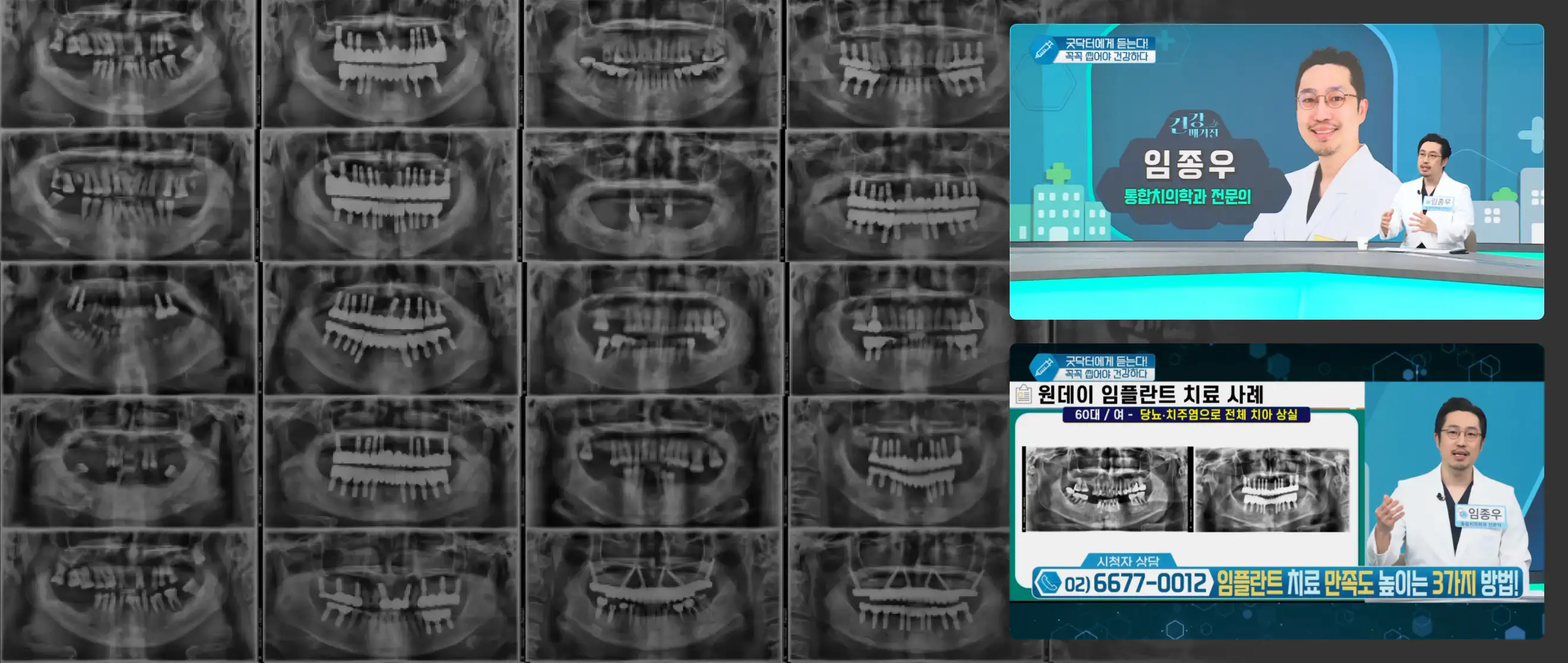
Experience Makes the Difference

Experience Makes the Difference Experience Makes the Difference

Full-Mouth Implant Before & After

Before
2023. 03. 30
After
2024. 10. 03
Before
2022. 09. 29
After
2023. 07. 03
Before
2025. 05. 05
After
2026. 04. 09
Before
2023. 08. 12
After
2024. 09. 24
Before
2023. 12. 05
After
2024. 12. 04
Before
2024. 01. 05
After
2024. 12. 21
Before
2024. 04. 12
After
2024. 09. 23
Before
2024. 01. 18
After
2025. 01. 23
Before
2023. 12. 05
After
2024. 07. 26
Before
2024. 03. 23
After
2024. 09. 14

The clinical photographs above are published with the patients’ prior consent.
As with any dental treatment, side effects and complications may occur. A consultation with a qualified dental professional is required before treatment.
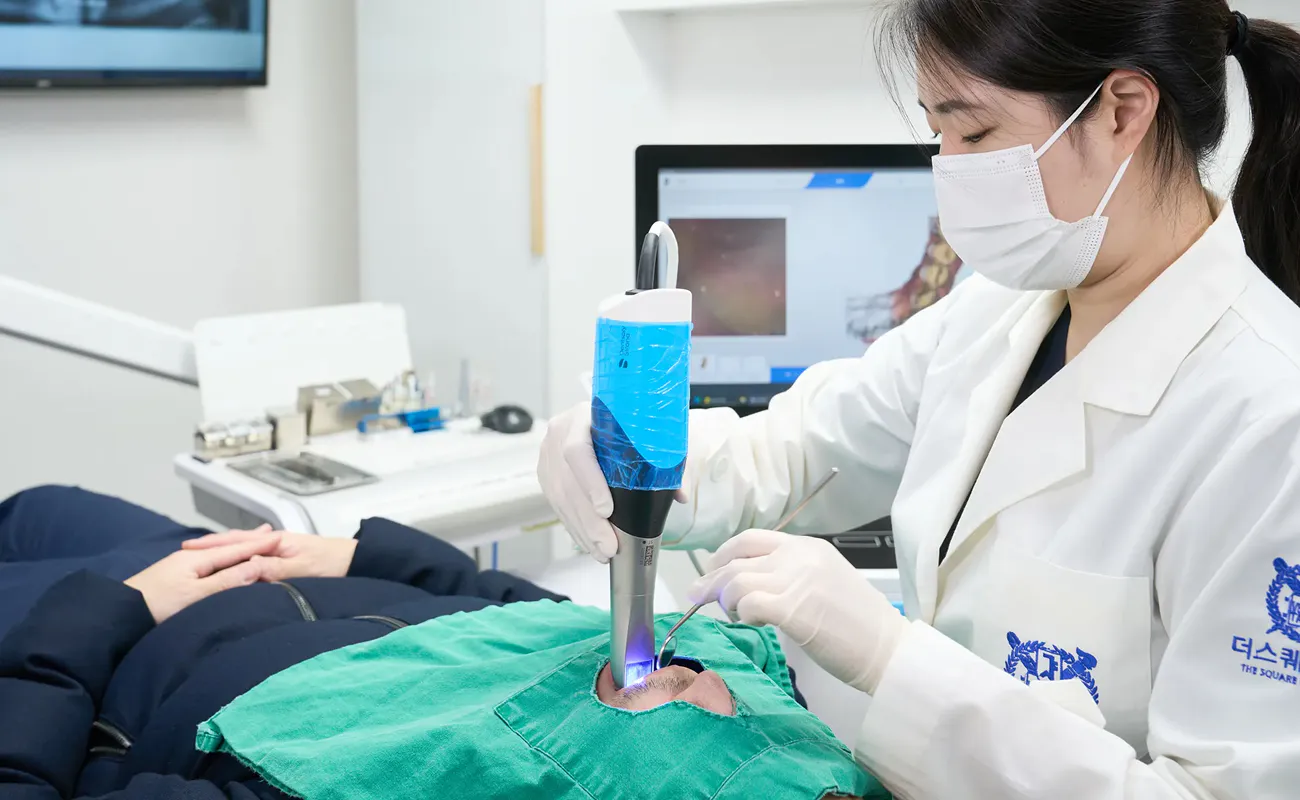
The Details Behind Comfortable, Long-Lasting Implant Care

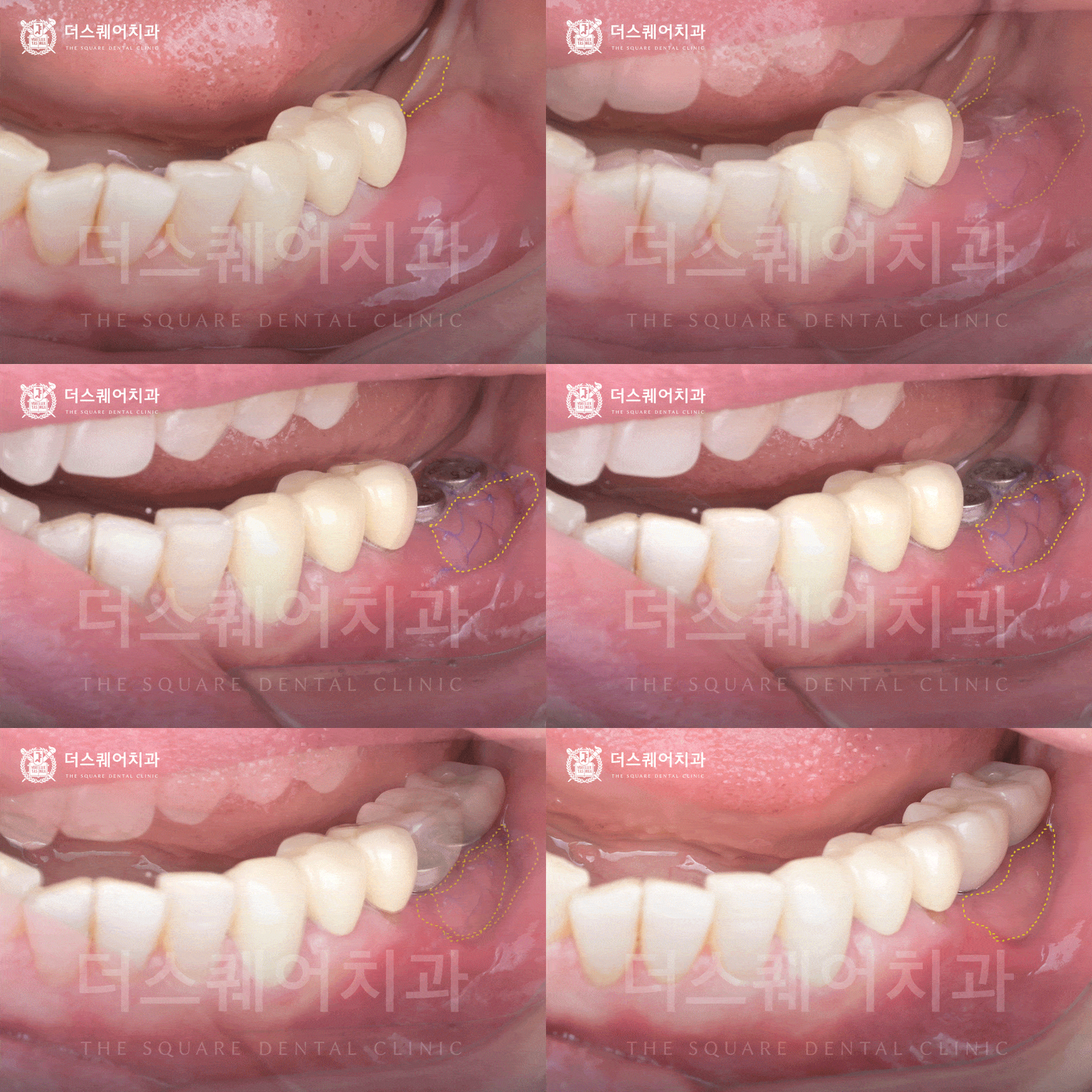
01Gum Grafting: The Details You Don’t See Begin with the Gums

Gum Grafting: The Details You Don’t See Begin with the Gums
  • 02Guided Surgery

    Guided Surgery

    A Difference of 1 Degree or 1 mm Can Matter

    Detailed implant analysis and digital simulation help improve surgical precision by planning subtle differences in implant position, angle, and depth.

  • 03Precision Occlusal Adjustment

    Precision Occlusal Adjustment

    Comfort Comes Down to Fractions of a Millimeter

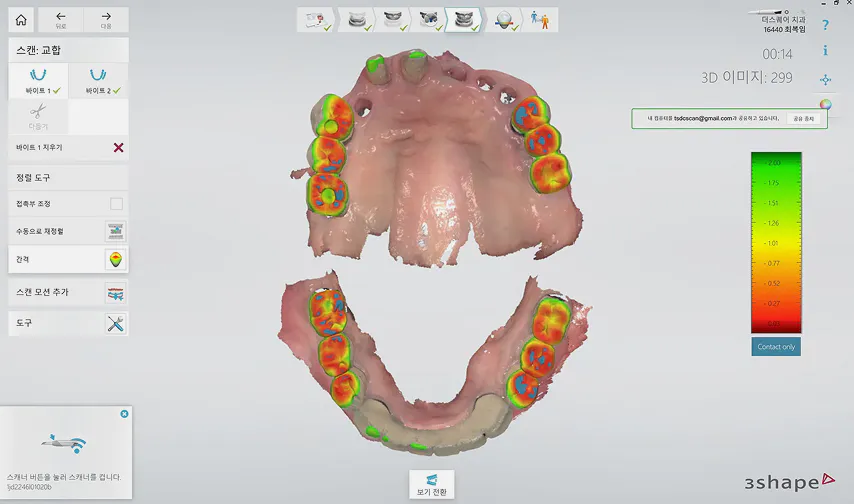
    Natural teeth can detect extremely small differences in bite contact. As the number of implants increases, precise prosthetic fabrication and occlusal adjustment become increasingly important for comfort, function, and long-term maintenance.

  • 04Customized Abutments

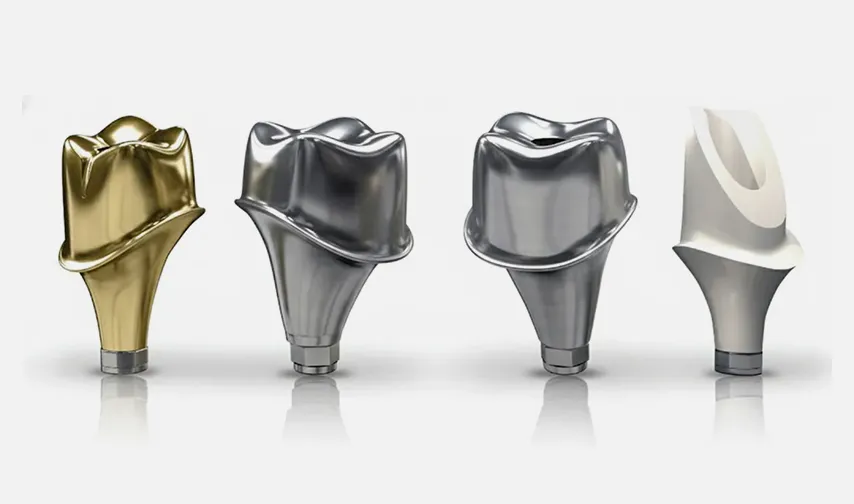
    Customized Abutments

    Customized to Your Bone and Gum Anatomy

    A custom abutment is individually designed to fit the patient’s implant position and gum contours, helping create a more natural emergence profile and supporting comfort and long-term maintenance.

Full-Arch Implant Treatment by Area

Lower Full-Arch Implant Rehabilitation

Lower Full-Arch Implant Rehabilitation

  • Estimated Treatment Time

    Approximately 3–6 months

  • Typical Number of Implants

    Approximately 6–10 implants, depending on the treatment plan

  • Possible Additional Procedures

    Bone GraftingLearn more

  • Important Considerations

    Careful three-dimensional assessment is required to avoid injury to the inferior alveolar nerve, which runs through the lower jaw and provides sensation to the lower lip and chin.

Upper Full-Arch Implant Rehabilitation

Upper Full-Arch Implant Rehabilitation

  • Estimated Treatment Time

    Approximately 3–12 months

  • Typical Number of Implants

    Approximately 8–12 implants, depending on the treatment plan

  • Possible Additional Procedures

    Bone GraftingLearn more

    Sinus Lift / Sinus AugmentationLearn more

  • Important Considerations

    The maxillary sinus is located close to the upper posterior teeth, so precise diagnosis and surgical planning are essential to reduce the risk of sinus membrane perforation.

Full-Mouth Implant Treatment Process

  • 01

    Implant Surgery

    Depending on bone and gum conditions, approximately 3–6 months may be required for osseointegration.

  • 02

    Temporary Prosthesis

    A temporary prosthesis is fabricated to evaluate function, bite, comfort, and aesthetics before the final restoration.

  • 03

    Final Prosthesis

    After evaluating the temporary prosthesis, it is gradually replaced with the final restoration, followed by a final assessment of function and bite.

Estimated Treatment Time & Number of Visits

  • Condition

    Estimated Treatment Time

    Estimated Visits

  • Favorable bone, gum, and TMJ conditions

    3–4 months

    3–4 visits

  • Moderate bone, gum, and TMJ conditions

    5–6 months

    5–7 visits

  • Compromised bone, gum, or TMJ conditions

    7–12 months

    8–10 visits

Safety-Focused Implant Care at The Square Dental Clinic

  • Safety-Focused Implant Care at The Square Dental Clinic
    Safety-Focused Implant Care at The Square Dental Clinic
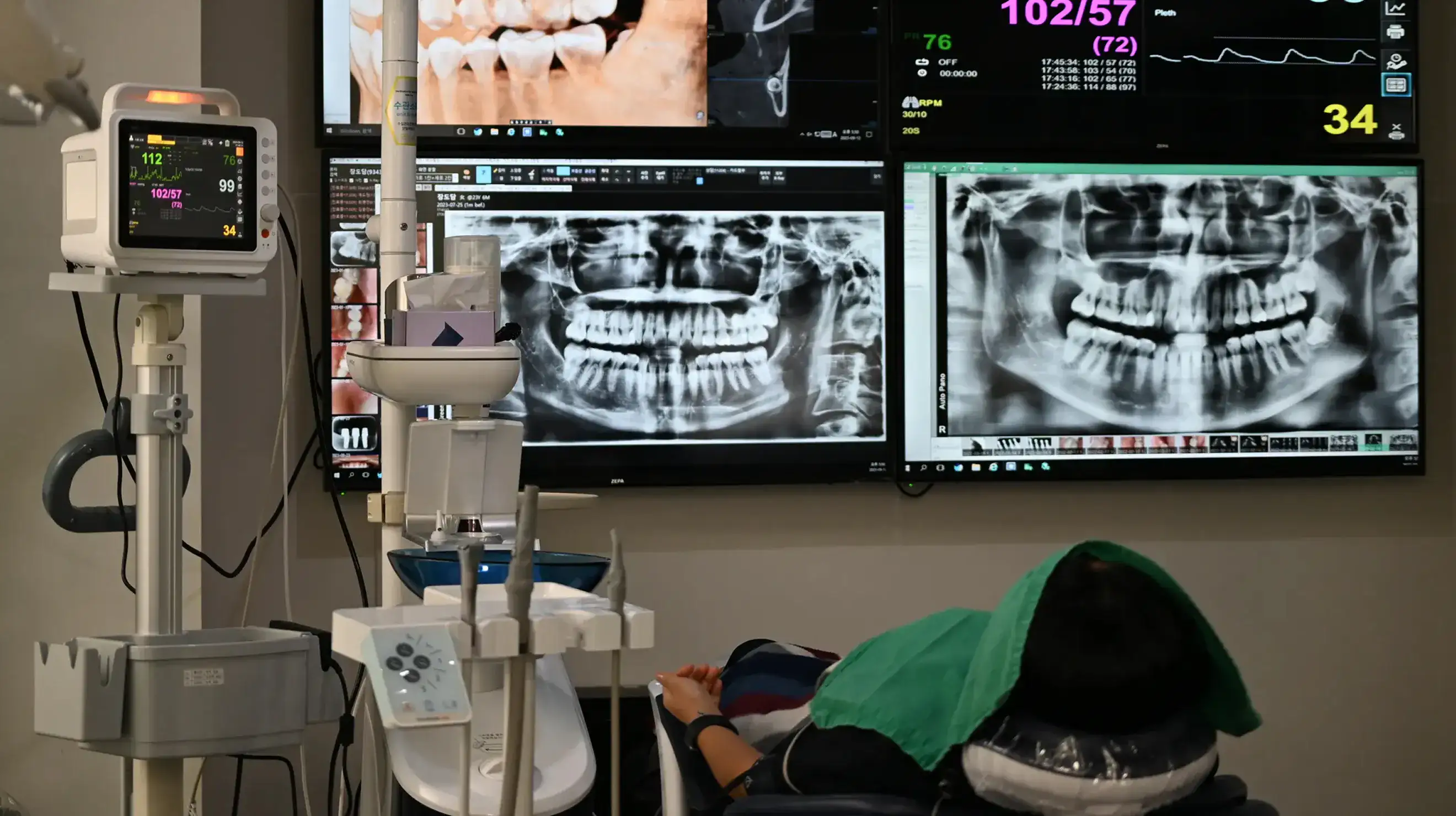
  • Careful Medical Screening and Real-Time Monitoring

    Careful Medical Screening and Real-Time Monitoring
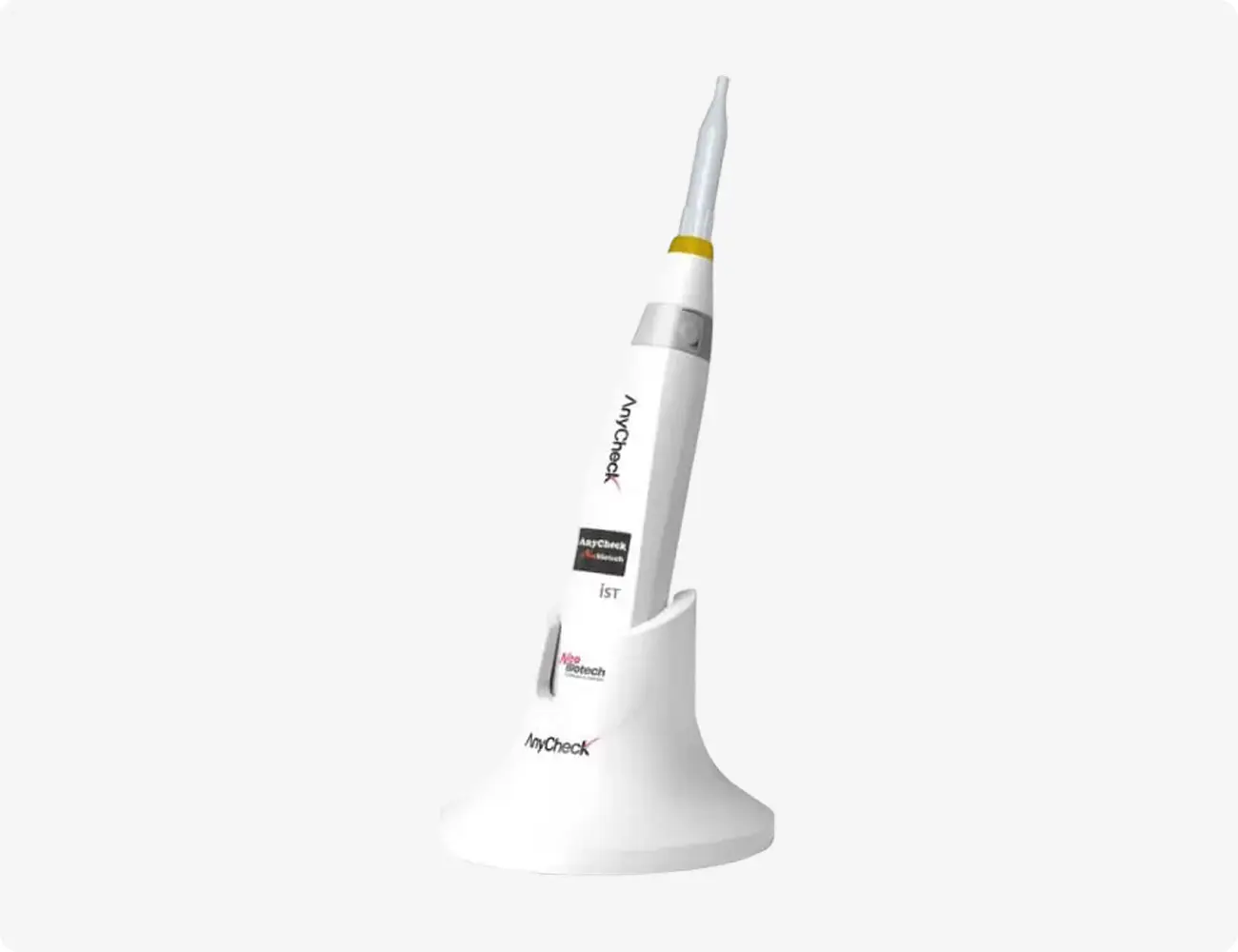
  • Osstell Mentor & AnyCheck for Implant Stability Assessment

    Osstell Mentor & AnyCheck for Implant Stability Assessment

    These devices objectively evaluate implant stability before progressing to the prosthetic stage, helping determine an appropriate timing for loading.

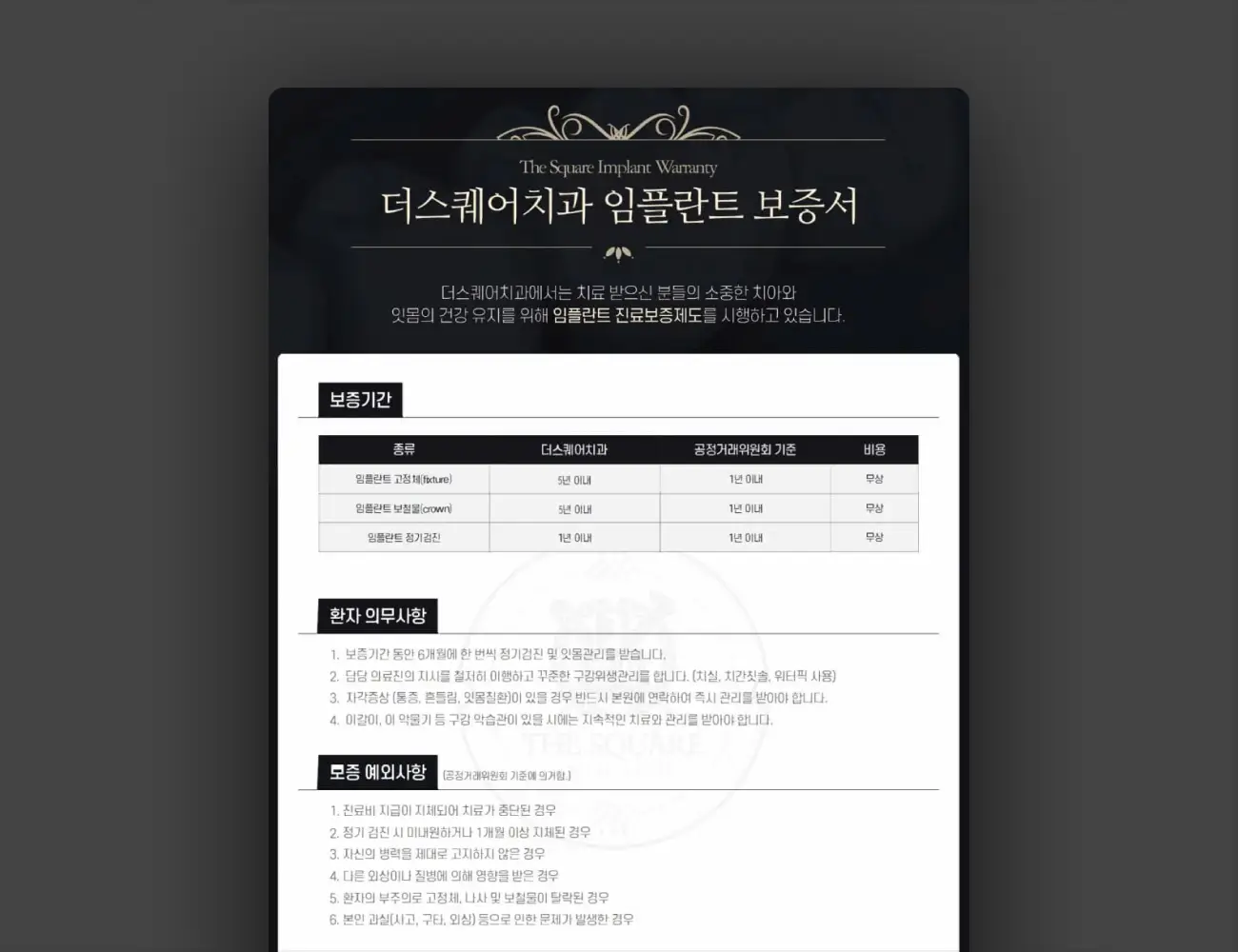
  • Comprehensive Treatment Warranty & Maintenance Program

    Comprehensive Treatment Warranty & Maintenance Program

    Long-term implant care does not end when treatment is completed. The Square Dental Clinic provides a structured follow-up and maintenance program, with warranty terms explained transparently according to the treatment performed.
    Regular examinations, professional maintenance, and careful bite monitoring are important for supporting the long-term health and function of implant restorations.

Full-Mouth Implant FAQ

    • The cost of full-mouth implant treatment varies depending on the clinic and the complexity of each case. When both the upper and lower arches require full-mouth implant rehabilitation, the total cost may range from the high KRW 10 millions to the low KRW 30 millions.
      Three main factors affect the overall cost: the cost per implant, the number of implants required, and whether additional procedures such as bone grafting or sinus augmentation are necessary.

    • The number of visits depends largely on the condition of your bone, gums, and temporomandibular joints (TMJs).
      · Favorable bone, gum, and TMJ conditions: approximately 3–4 visits
      · Moderate bone, gum, and TMJ conditions: approximately 5–7 visits
      · Compromised bone, gum, or TMJ conditions: approximately 8–10 visits

    • Treatment time also varies depending on the condition of the bone, gums, and TMJs.
      · Favorable conditions: approximately 3–4 months
      · Moderate conditions: approximately 5–6 months
      · Compromised conditions: approximately 7–12 months
      Additional procedures such as bone grafting or sinus augmentation may extend the overall treatment period.

    • Preserving natural teeth is always an important priority in dentistry. However, full-mouth rehabilitation requires a comprehensive treatment plan that considers the long-term prognosis of each remaining tooth and how it will contribute to the final result.
      Teeth with a favorable prognosis are preserved whenever clinically appropriate. However, teeth with severe root damage, advanced periodontal disease, or excessive mobility may have a poor long-term prognosis and may need to be extracted.

    • There is no single number that is right for every patient. The ideal number depends on bone availability, bite forces, the type of prosthesis, the condition of the opposing teeth, and the overall treatment plan.
      When clinically appropriate, using a sufficient number of implants helps distribute chewing forces more effectively. We determine the appropriate number by balancing biomechanical stability, the patient’s anatomy, treatment goals, and cost.

    • Full-mouth implant surgery is often performed separately for the upper and lower arches. Surgery typically takes approximately 60–90 minutes per arch, although the actual time varies depending on the number of implants, bone condition, and whether additional procedures are required.

    • Multiple implants can be placed during a single procedure when the patient’s overall health, bone condition, and surgical plan allow it. In suitable cases, treating one arch in a single well-planned procedure may reduce the number of separate surgeries and anesthesia sessions.
      Whether implants should be placed at once or in stages is determined individually after evaluating systemic health, surgical complexity, bone grafting requirements, and expected treatment time.

    • Medical conditions such as diabetes, osteoporosis, hypertension, hyperlipidemia, and kidney disease do not automatically rule out implant treatment. However, careful medical assessment is essential.
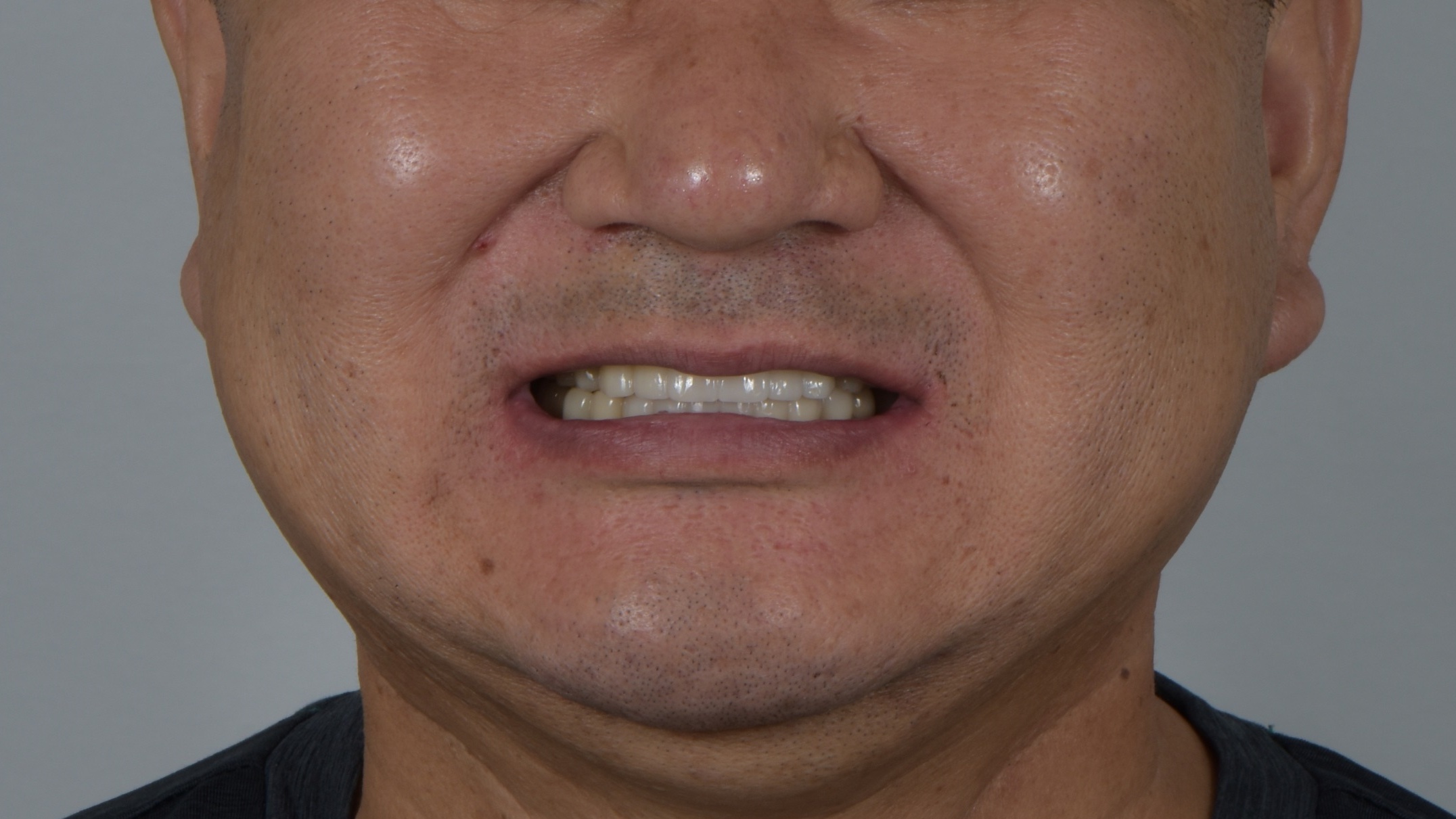
      We review your medical history and medications and, when necessary, coordinate with your physician before surgery. Any adjustment or interruption of medication should only be made in consultation with the prescribing physician. Preventive antibiotics may also be considered when clinically indicated.

    • Many patients can return to light daily activities relatively soon after surgery and may be able to begin a soft diet within the first few days. More complex cases involving extensive bone grafting or additional surgery may require a longer recovery period.
      Your individual recovery schedule and dietary instructions will be provided according to the extent of surgery and initial healing.

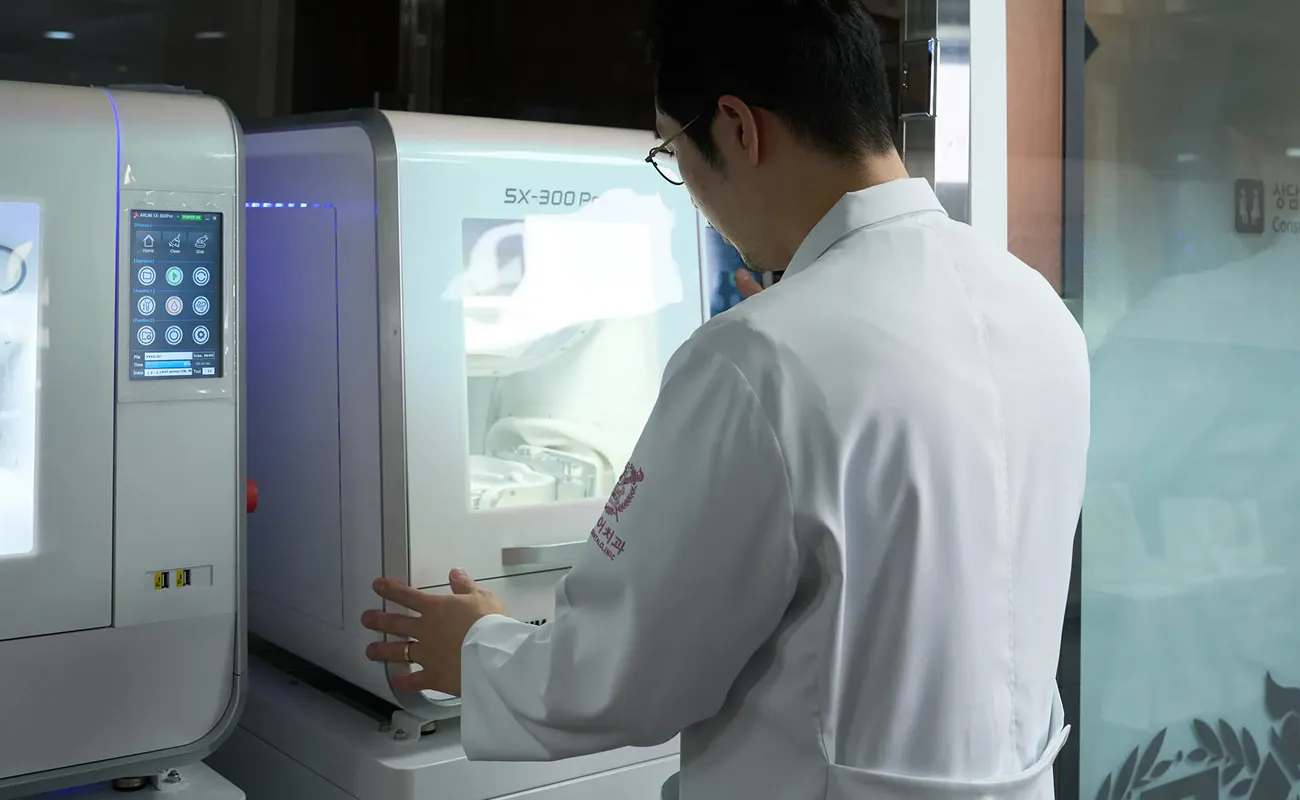
    • In selected cases, temporary teeth can be provided shortly after implant placement. The Square Dental Clinic has an in-house digital dental laboratory, allowing temporary restorations to be fabricated within approximately 1–3 days when immediate or early loading is clinically appropriate.
      If primary implant stability is insufficient—particularly in some upper-jaw cases—a stable temporary denture may be provided instead while the implants heal.

    • Dental implants are designed for long-term use, but they should not be considered permanent or maintenance-free. Their longevity depends on factors such as oral hygiene, gum and bone health, bite forces, smoking, systemic health, and regular professional maintenance.
      Regular examinations allow us to identify potential problems early and manage them before they become more serious.

    • Full-mouth implant rehabilitation may be considered when only a few natural teeth remain or when many remaining teeth have severe mobility and a poor long-term prognosis.
      However, the decision should never be based simply on the number of remaining teeth. A comprehensive examination is necessary to identify which teeth can and should be preserved and which teeth may compromise the long-term treatment outcome if retained.

    • Korean National Health Insurance coverage for dental implants is subject to specific eligibility requirements, including age, the number of covered implants, and the patient’s remaining teeth. Coverage rules may change, so eligibility should be confirmed at the time of consultation.
      Our team can review your current oral condition and explain which portions of your treatment may qualify for insurance coverage.

    • The Square Dental Clinic uses several implant systems, including Osstem SOI, Osstem BA, Osstem SA, Neo IS-III, and Straumann BLT. The appropriate implant system is selected according to bone quality, implant site, surgical requirements, and the overall treatment plan.
      Regardless of the implant system selected, customized abutments and high-strength zirconia restorations can be fabricated through our in-house digital dental laboratory according to the individual case.

    • Full-mouth implant rehabilitation is significantly more complex than replacing a single missing tooth. The treatment must restore not only individual teeth, but also the bite, chewing function, vertical dimension, smile, and overall harmony of the face.
      Successful treatment therefore requires comprehensive diagnosis, precise implant positioning, sophisticated prosthetic design, careful bite adjustment, and coordinated long-term maintenance.

    • Implant-supported dentures may include several different treatment concepts, such as implant overdentures and certain full-arch or hybrid prosthetic designs. Compared with individually restored fixed implants, they may require fewer implants and can therefore be more cost-effective in suitable cases.
      However, function, comfort, removability, hygiene requirements, and maintenance differ depending on the type of prosthesis. The most appropriate option should be selected according to the patient’s bone condition, remaining teeth, functional needs, expectations, and budget.
      Implant-supported dentures may be considered when:
      · Placement of multiple implants is not possible or desirable
      · The patient wishes to reduce the number of implants or the extent of surgery
      · Conventional dentures are uncomfortable or unstable
      · A more cost-conscious implant-supported treatment option is desired
      The cost varies between clinics and depends on factors such as the number and type of implants, additional surgical procedures, and the design and material of the final prosthesis.