Consultation

Appointment

Directions

Before & After


Yes. Cavities and gum disease often cause little or no pain in their early stages,
so a routine dental check-up can find problems before they need larger treatment.
This guide explains what a good check-up covers and
what to look for when choosing a dental clinic in Seoul’s Gwanghwamun area.
It is written for busy professionals, including expats and visitors.
Early-stage cavities, gum disease, tooth wear and bite problems are usually painless,
so many people only find out when the problem has advanced. Long working days,
skipped brushing after meals and frequent coffee can add up over time.
| Condition | Early stage | What can happen if ignored |
|---|---|---|
| Cavities | Often painless | Higher chance of needing root canal treatment |
| Gum disease | Slight bleeding when brushing | Bone loss around teeth, loose teeth |
| Tooth wear | Hard to notice | Sensitivity, cracks |
| Bite problems | Mild discomfort | Extra strain on the jaw joint |
Regular check-ups and preventive care are generally associated with earlier detection of gum disease
and a lower risk of tooth loss. Results and progression vary from person to person.
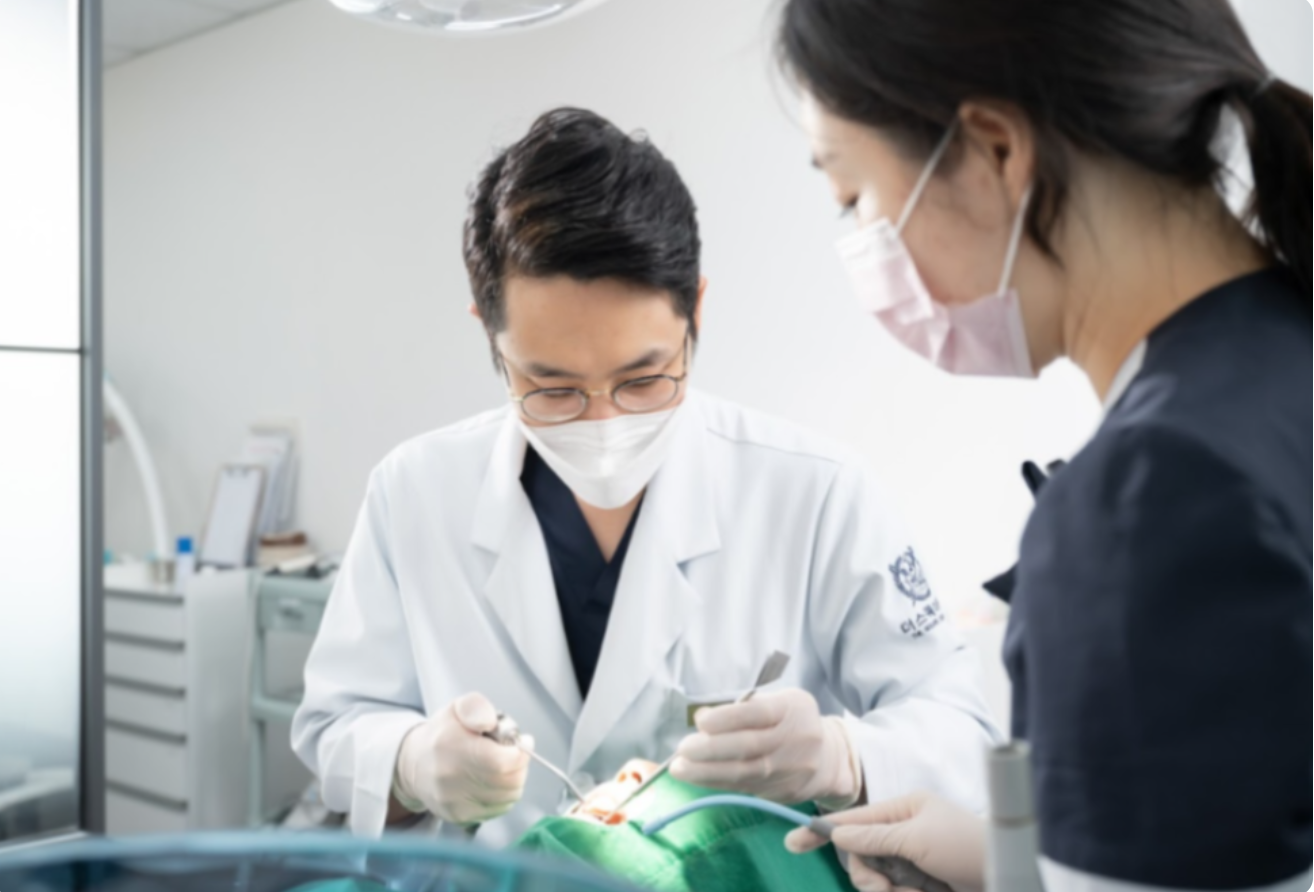
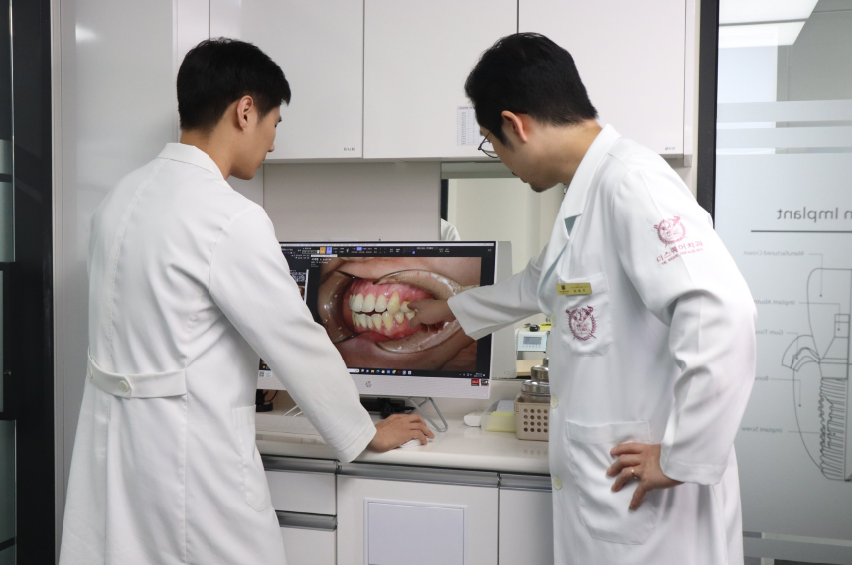
A thorough check-up looks at the whole mouth,
not only for cavities. Here are four things worth asking about.
Cavities between teeth and gaps around older crowns or
fillings are hard to see. Ask whether the clinic examines them.
2. Are gums and the bone around the teeth assessed?
Gum inflammation can progress even when gums look healthy.
X-rays help evaluate the bone that supports your teeth.
3. Is your bite analyzed?
If your teeth do not meet evenly, uneven pressure can contribute to cracks, wear and jaw discomfort.
4. Is the soft tissue inside your mouth examined?
Checking the inner cheeks, tongue and other soft tissue helps catch changes early.
Tell your dentist about any sore that does not heal.
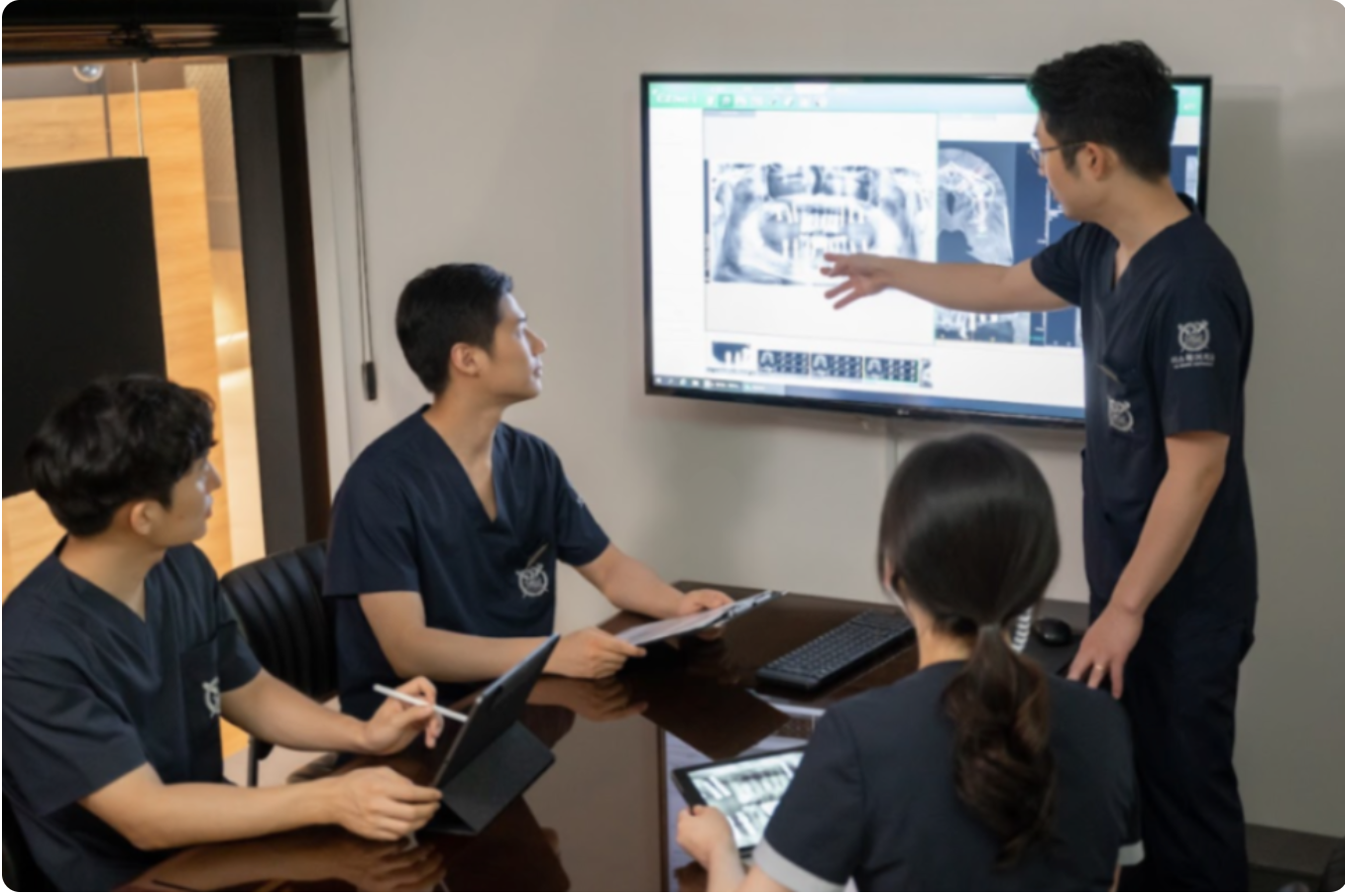
Sensitive teeth can come from several causes, and looking at them from one angle may miss the real reason.
Besides cavities, causes can include:
Tooth wear
Bite problems
Receding gums
Teeth grinding (bruxism)
Wear near the gum line
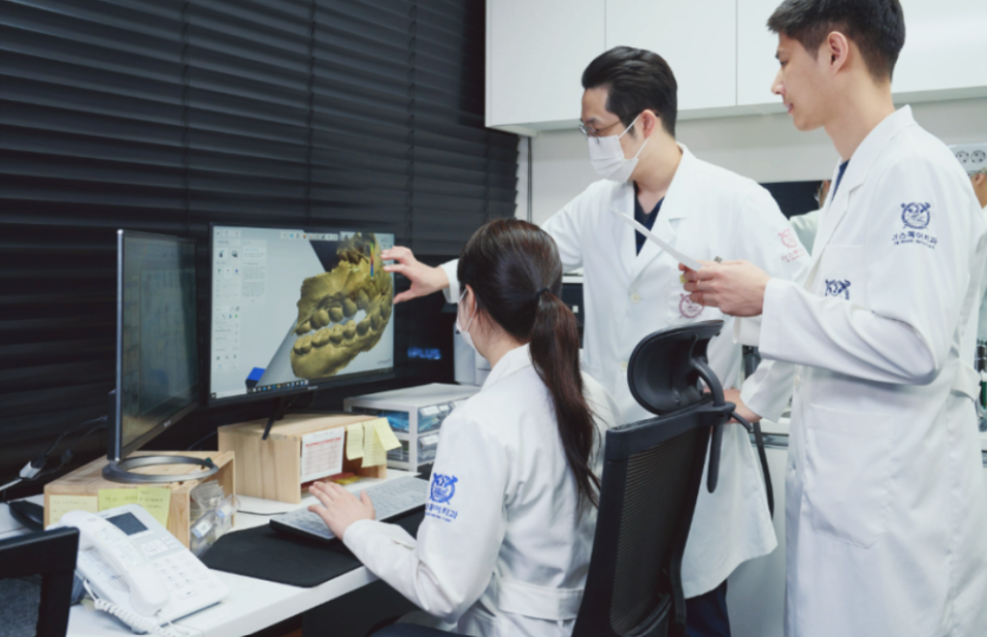
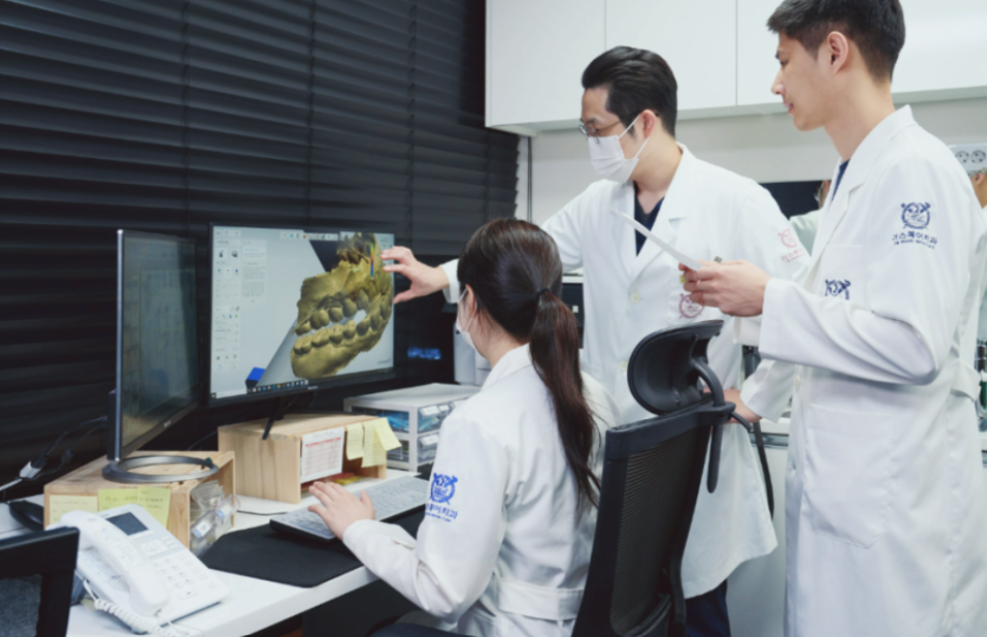
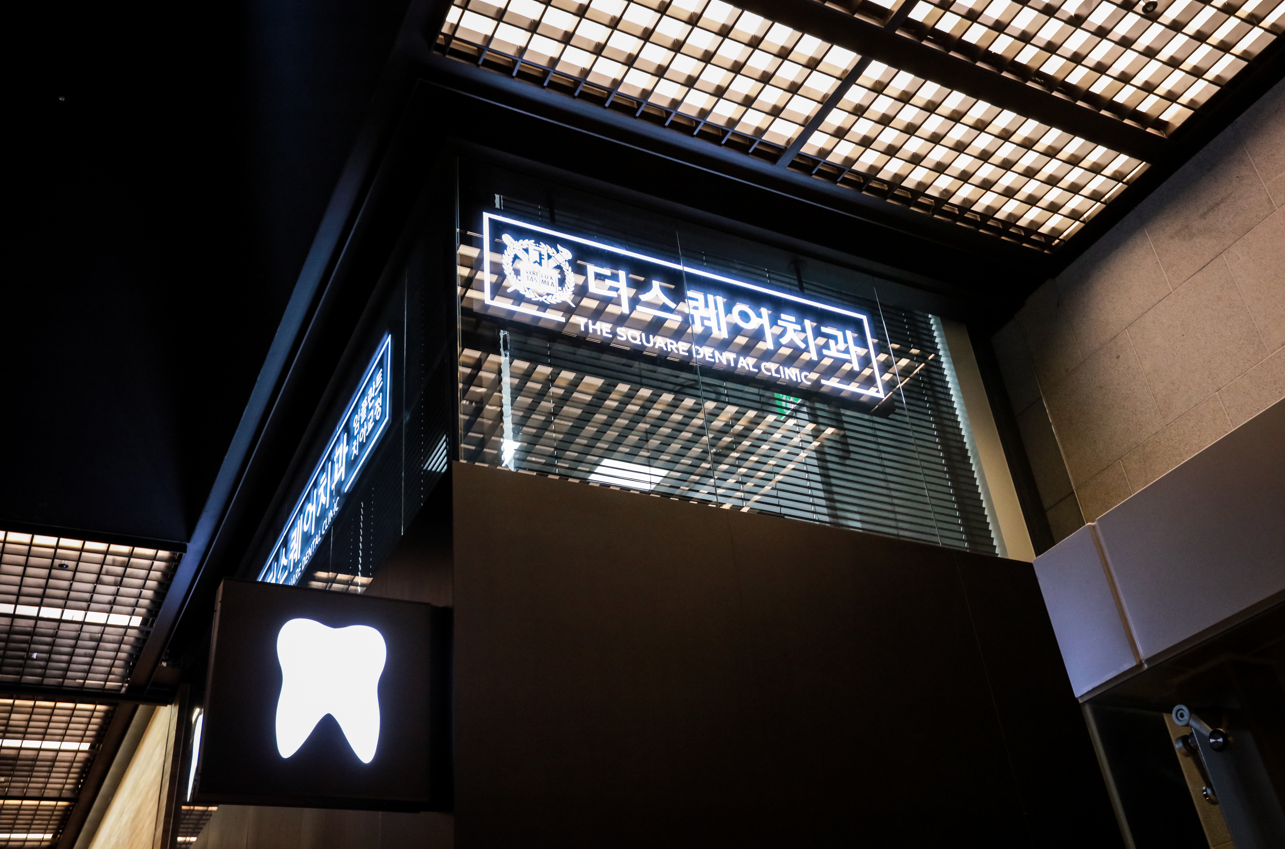
At The Square Dental Clinic, dentists from different areas,
including oral medicine and comprehensive dentistry,
discuss the diagnostic direction together before building a plan.
When choosing a clinic, the team’s makeup and how they collaborate are reasonable criteria to compare.
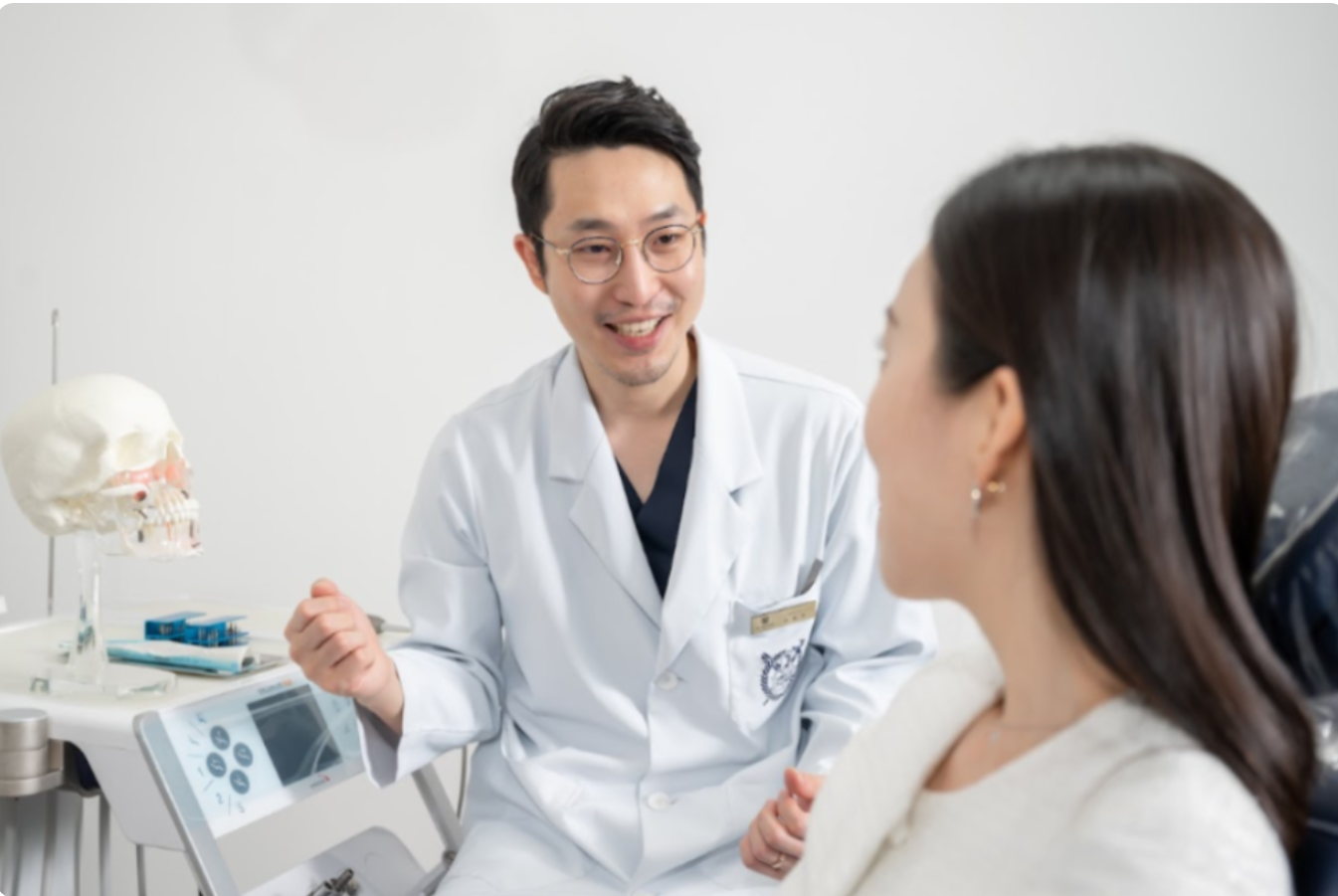
Can I get a check-up in Seoul as an expat or visitor?
Yes, and the clinic is set up with international patients in mind.
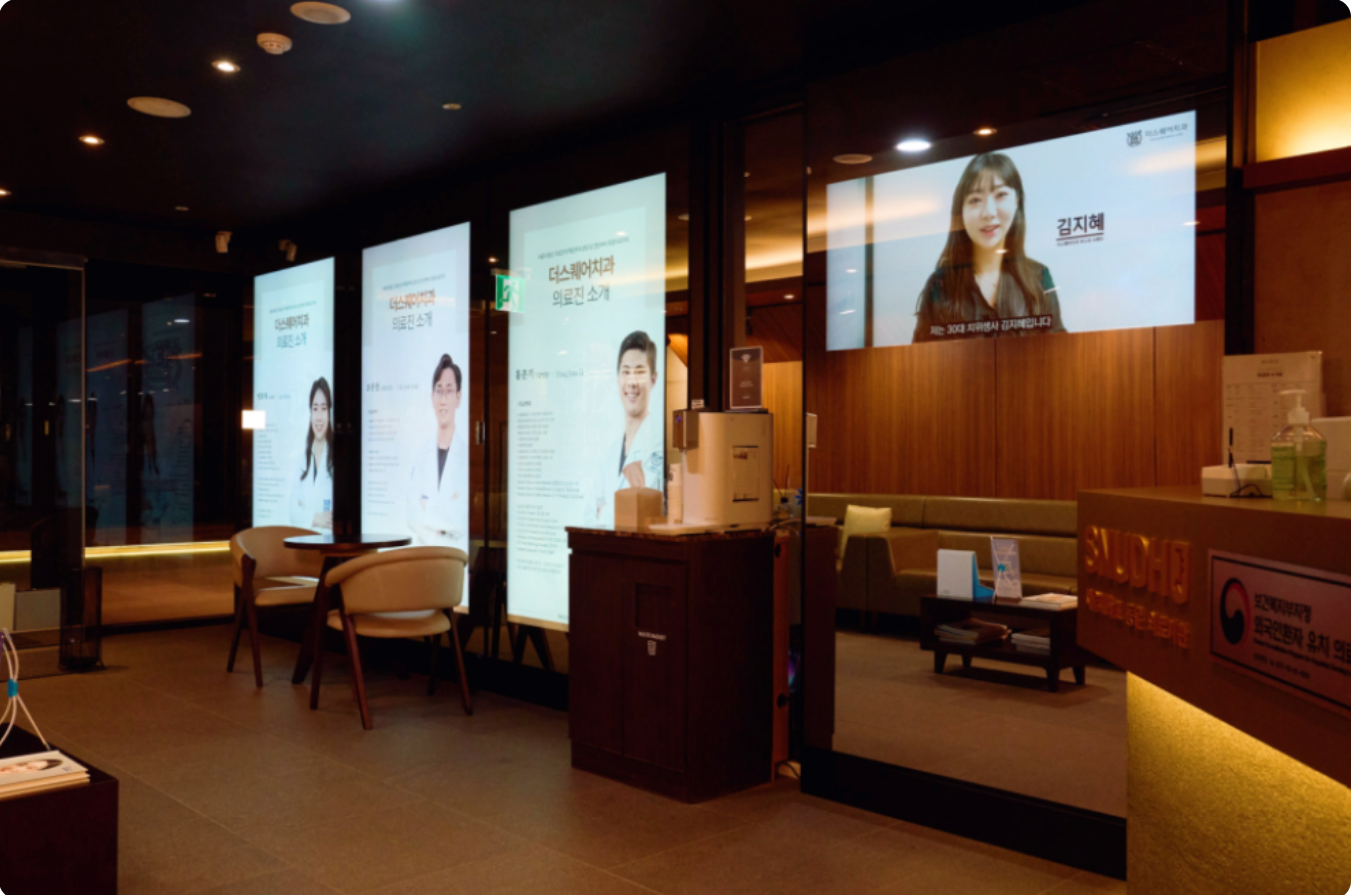
Location: Gwanghwamun D-Tower, near Gwanghwamun Station (Line 5), in central Seoul. It takes roughly one hour from the airport.
Language: English consultation is available.
Safety and hygiene
Time needed: A basic check-up is usually a short visit, and any further treatment would be scheduled after consultation.
Aftercare after you go home
Cost: Fees depend on the examinations and treatment you need and are explained at consultation.
Dental disease can progress without symptoms, so routine check-ups matter.
A check-up is about prevention, not only treatment.
When choosing a clinic, check what the exam covers and how the dental team works together.
If it has been over a year since your last dental check-up, consider booking one, whether you live in Seoul or are visiting.
Q. Do I need a dental check-up if I brush well and nothing hurts?
A. Possibly yes. Cavities,
gum inflammation and bite problems can develop without pain, even with good brushing.
Q. What does a dental check-up include?
A. Typically cavities and existing dental work, gums and supporting bone (often with X-rays), your bite,
and the soft tissue in your mouth. The exact scope varies by clinic and patient.
Q. How often should I get a dental check-up?
A. Many dentists recommend every 6 to 12 months, but the right interval depends on your oral health.
Q. Why do my teeth feel sensitive?
A. Cavities are one cause, but tooth wear, bite problems, receding gums and grinding can also cause it.
A proper exam is needed to find the cause.
Q. Can I see an English-speaking dentist in Seoul?
A. The Square Dental Clinic offers English consultation.