Consultation

Appointment

Directions

Before & After


Whether whitening or porcelain veneers suits yellow teeth depends on whether the discoloration
sits on the tooth surface (extrinsic) or inside the tooth (intrinsic).
Brushing harder rarely solves intrinsic discoloration, so identifying the cause comes before choosing a treatment.
This guide explains how to tell the two apart, when professional whitening makes sense,
when veneers are worth considering, and what to look for in a dental clinic.
It also covers practical points for international patients visiting Seoul.
*Results vary from person to person and depend on tooth condition and daily habits.*
Yes. The cause of yellowing largely determines which treatment is appropriate.
Discoloration falls into two broad groups:
|
Type |
Typical causes |
Treatment to consider |
|---|---|---|
|
Extrinsic (surface stains) |
Coffee, tea, red wine, smoking |
Professional teeth whitening |
|
Intrinsic (inside the tooth) |
Aging, certain medications, nerve damage, congenital discoloration |
Cosmetic restoration such as porcelain veneers, decided after an exam |
Professional whitening is generally expected to work better
on surface stains than on intrinsic discoloration, where its effect can be limited.
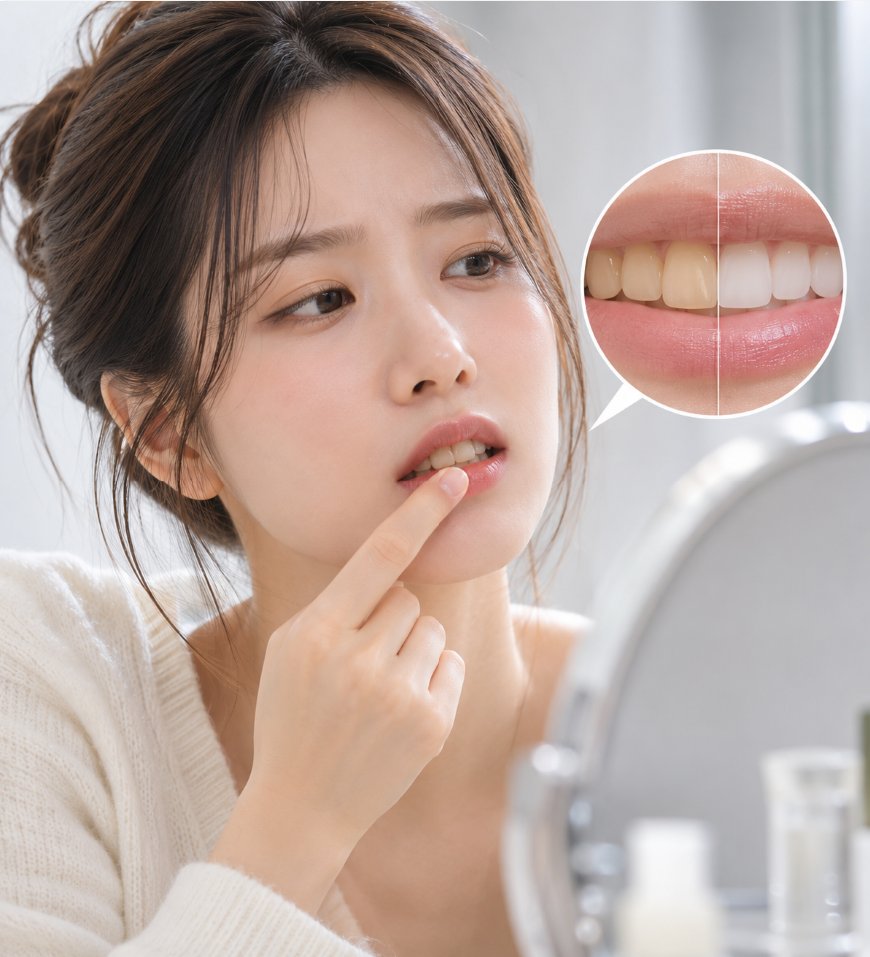
Teeth with naturally dark shades or thin enamel may also fall short of the brightness a patient hopes for.
Whitening gel also does not change the color of existing crowns, fillings or veneers. Before any treatment, ask whether your dentist:
Identified whether the stain is surface-level or internal
Checked your gums and screened for cavities
Discussed options that do not require removing tooth structure
In-clinic whitening differs from home kits mainly
because a dentist examines your teeth first and applies professional-grade gel while protecting your gums.
Home products are formulated with lower peroxide concentrations for safety,
so reaching your target shade can take longer.

A clinic process typically includes gum protection, cleaning and drying of the tooth surface,
and controlled application of the whitening agent.
Temporary tooth sensitivity can occur, and its degree differs between individuals.
Stains can return over time, even after clinic whitening,
so reducing coffee, tea, red wine and tobacco and keeping regular check-ups helps maintain results.
Porcelain veneers are thin ceramic shells bonded to the front of the teeth that can change color,
shape and length together, which makes them an option when whitening alone is not enough.
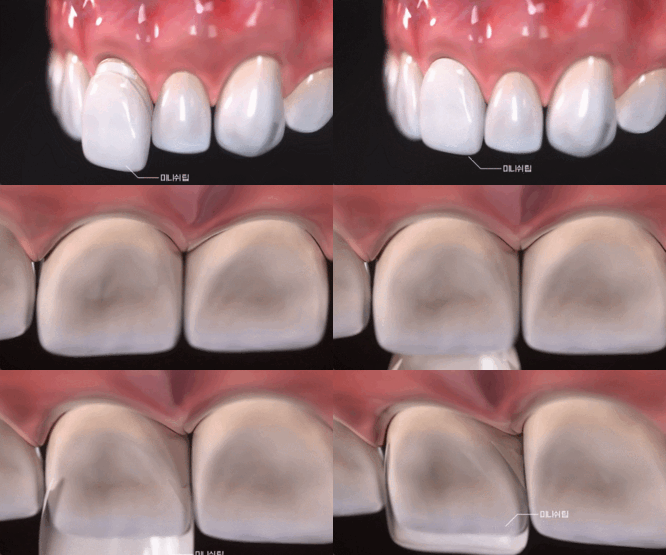
A typical case is someone who has whitened several times without much change.
Veneers may be considered when:
Teeth are naturally dark
Tooth edges are worn down
There are gaps between teeth
Discoloration keeps coming back
You want to improve shape and function as well as color
Veneers are not just a cosmetic add-on.
Tooth preparation, bite analysis, bonding precision and design all affect the result.
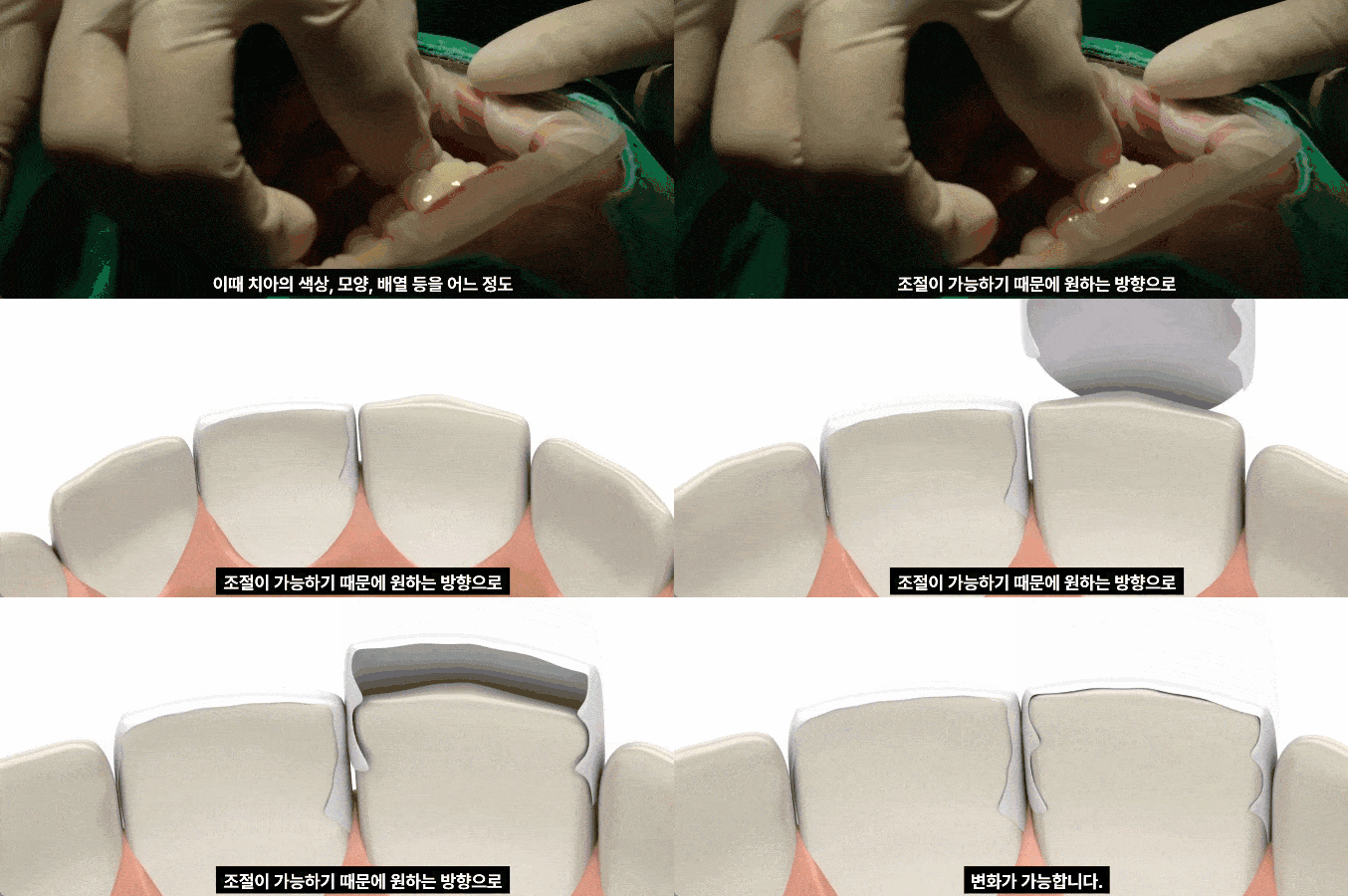
Even minimal-preparation approaches may require removing a small amount of enamel, which does not grow back,
so ask for the expected amount and the alternatives before deciding.
Cavities, gum disease and teeth grinding should be evaluated first.
There is no single lifespan for veneers: durability depends on bonding precision,
bite forces and how well they are maintained, so it varies by person.
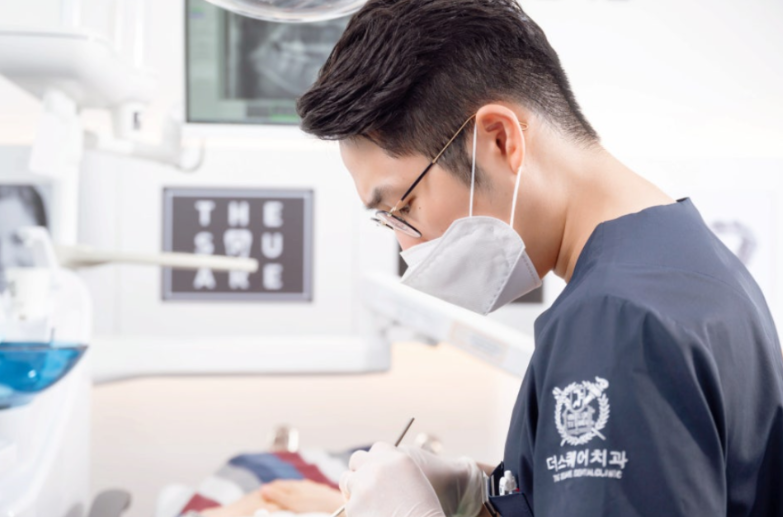
A tiny gap between tooth and veneer can let bacteria in, leading to secondary decay or weaker bonding.
Points worth asking about:
|
What to ask |
Why it matters |
|---|---|
|
Bite (occlusal) analysis |
Helps spread chewing force evenly and may reduce the risk of chipping |
|
Custom-made restorations |
Improves shade matching and fit with natural teeth |
|
Precise bonding procedure |
Helps minimize micro-gaps and secondary decay |
|
Regular follow-up exams |
Allows bonding and bite changes to be monitored over time |
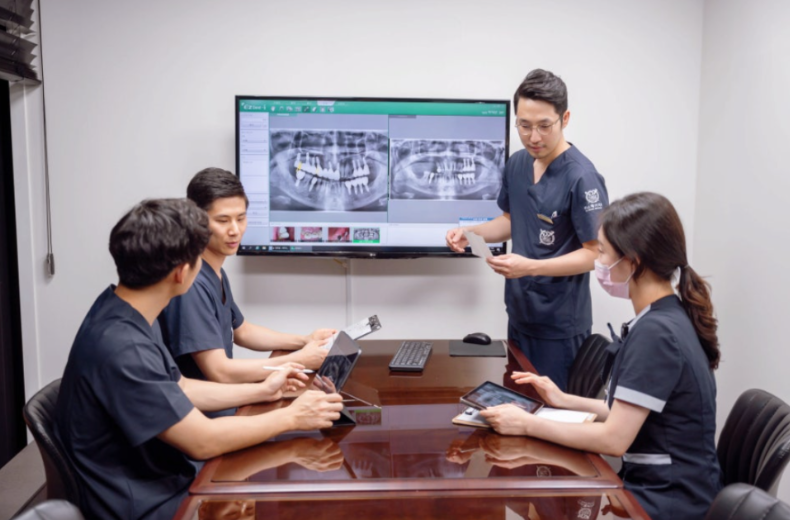
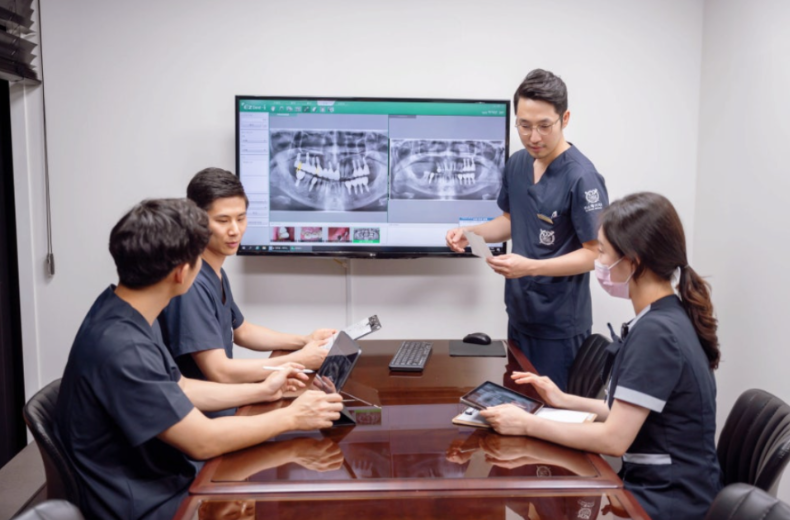
At The Square Dental Clinic, specialists from fields such as oral medicine and comprehensive dentistry collaborate on diagnosis, bite analysis and follow-up.
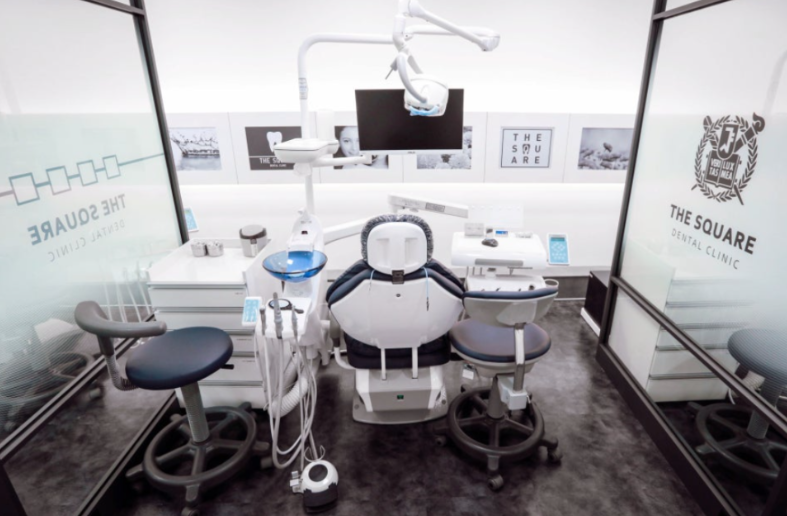
When choosing a clinic, look for one that diagnoses the cause of discoloration first,
explains more than one treatment option, and has a follow-up system. In short:
Start with the cause of the yellowing.
Professional whitening can help with surface stains but may be limited for internal discoloration.
Veneers may suit people who want to improve color, shape and function together while preserving as much natural tooth as possible.
Check both the diagnostic process and the aftercare system.
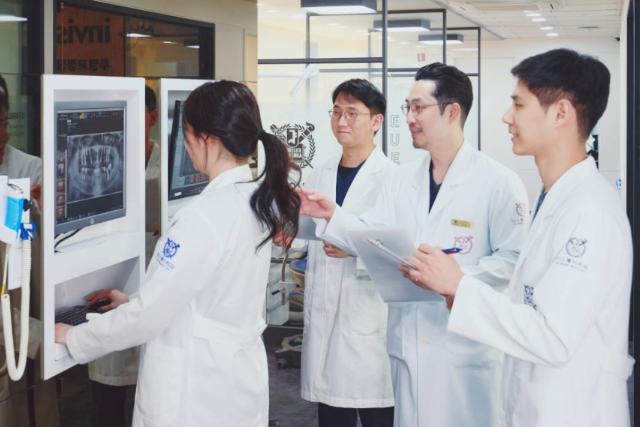
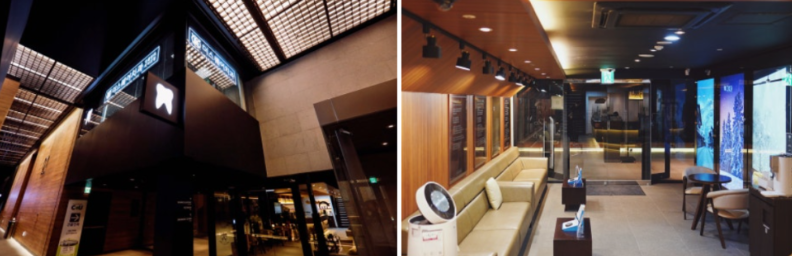
The Square Dental Clinic is located in D Tower near Gwanghwamun Station in central Seoul, about one hour from the airport, and welcomes international patients.
Q. Do veneers damage your teeth?
A. Veneers can involve removing a small amount of enamel, and enamel does not grow back.
The amount depends on your teeth and the design, so ask for it to be explained before treatment.
Q. Can teeth whitening fix yellow teeth caused by antibiotics or aging?
A. Intrinsic discoloration from causes such as medications or aging can respond less to whitening,
so alternatives such as veneers may be discussed after an exam.
Q. Does professional teeth whitening hurt?
A. Some people experience temporary sensitivity, and how strong it is varies.
See a dentist if it is severe or lasts.
Q. Can I get veneers during a short trip to Seoul?
A. It depends on your case, because veneers usually need more than one visit and time for fabrication.
Ask for the expected schedule before booking flights.
Q. Do I need whitening before getting veneers?
A. In some cases, whitening the surrounding teeth first helps match the final shade.
Your dentist will advise on the order after an exam.