Consultation

Appointment

Directions

Before & After




Sensitive teeth can come from worn tooth surfaces, receding gums, gum disease, tiny cracks,
or an uneven bite, and sometimes several of these at once.
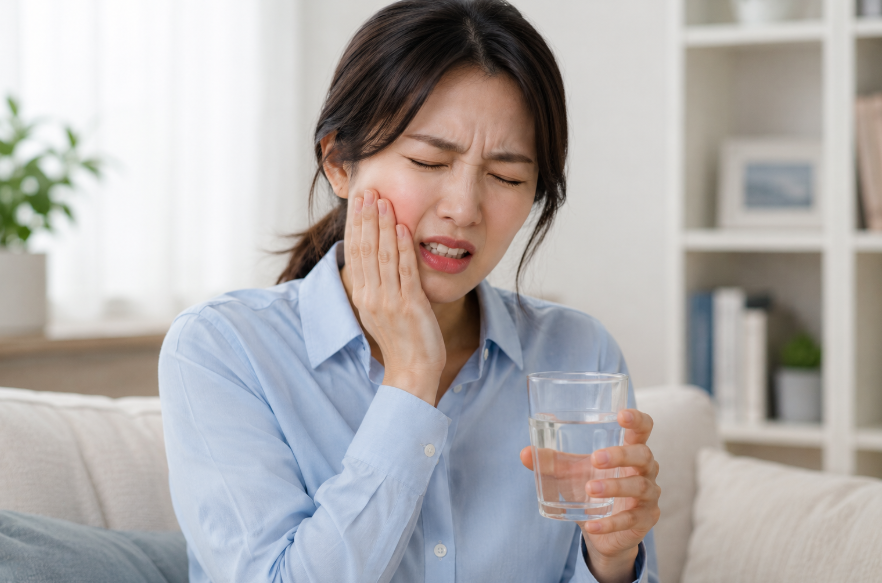
A sharp, brief twinge when you drink something cold or brush is common.
The same symptom can have different causes, so finding the cause comes before treating the symptom.
Common contributors include:
Wear of the outer tooth surface (enamel)
Gum recession that exposes the tooth root
Gum (periodontal) disease
Hairline cracks that are hard to see
A bite that puts extra force on certain teeth, or teeth grinding and clenching
Noting the details below can help your dentist narrow things down.
|
What to note |
What to look at |
|---|---|
|
Trigger |
Cold, sweet, or during brushing |
|
Location |
One tooth or several |
|
Duration |
Gone in a moment, or lingers |
|
Gum changes |
Gums receding or bleeding |
|
Habits |
Grinding or clenching |
If the pain lingers after the trigger is gone, or aches at night, see a dentist sooner.
Looking only at the sensitive tooth can miss the cause, because teeth, gums, supporting bone,
and bite work as one connected system.
For example, when gums recede and the root is exposed, the tooth can react to outside stimuli.
Treating only that tooth may leave the recession itself unaddressed.
If grinding or a bite issue is behind it, that needs attention too.

So the useful question is not only "which tooth hurts?" but also "why did this change happen?"
How much needs to be checked depends on your exam findings.
A good starting point is whether the clinic explains the cause
and your next steps based on exam results.
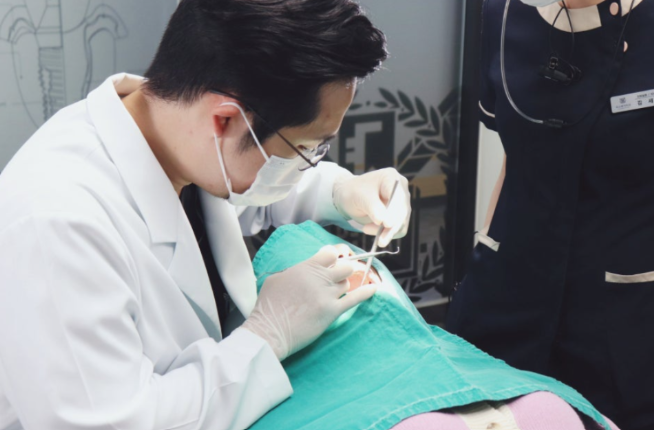
Since the cause may lie beyond the tooth itself, you may want to see whether the clinic:
Looks at why symptoms started, not only whether there is a cavity
Checks your gums and bite as well as the teeth
Shows and explains your exam findings clearly
Outlines the care you will need going forward

A dentist typically reviews:
Tooth wear and cracks
Degree of gum recession
Condition of the gum tissue
How your teeth come together (bite)
Condition of the supporting bone
Daily habits, such as grinding or brushing technique
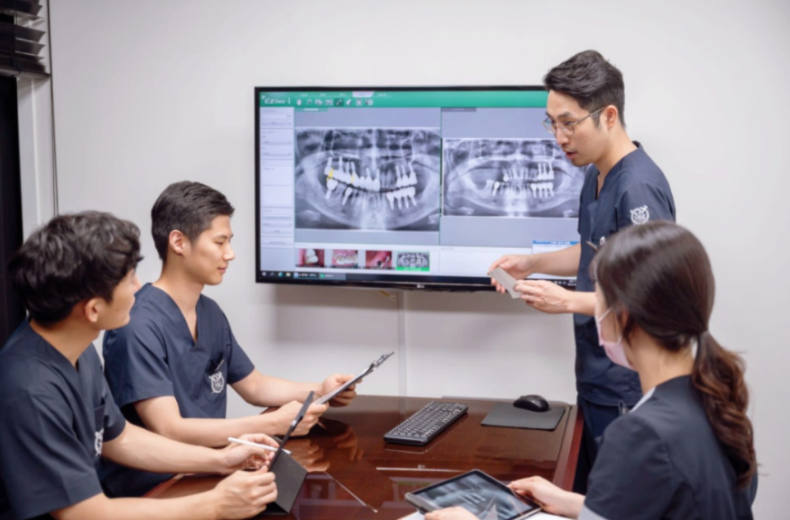
Imaging such as X-rays or CT can help with areas that are hard to see by eye,
though CT is not needed in every case; whether it is used depends on your symptoms and exam.
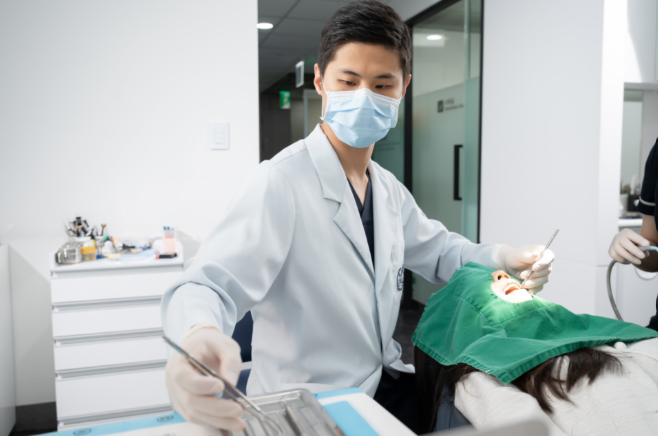
In dentistry, the usual approach to dentin sensitivity is to look at underlying factors such as tooth wear
and gum recession, not only to relieve the symptom.
Not necessarily. Relief from symptoms does not mean the underlying cause is gone.
If the cause was gum recession, grinding, or bite habits, similar symptoms can return when care slips.
Keeping up with habits and regular checks after symptoms improve is worthwhile.

Keep a correct brushing technique
Avoid brushing too hard
Watch for grinding or clenching
Have your gums checked regularly
Notice any changes in how your teeth fit together
The Square Dental Clinic aims to look beyond the current symptom and explain how to keep your natural teeth for the long term.
The Square Dental Clinic is in the D-Tower in Gwanghwamun, central Seoul, about one hour from the airport,
which suits both short-term visitors and expatriates.
Here is what overseas patients most often ask about:
Language: English consultation is available.
Safety: An exam, and X-rays where needed, help identify the cause before any treatment is suggested. Care proceeds only after you understand and agree to the plan.
Time: It depends on your condition. We explain the expected schedule after the exam so you can plan around your trip.
After you return home: We can explain what to watch for and how to continue home care, and share your records so your home dentist can follow up.
Cost: Non-covered treatment fees depend on your condition and are explained during consultation.
Results and recovery vary between individuals.

Sensitive teeth can have several causes: cavities, wear, gum recession, bite, and habits.
If sensitivity keeps returning, have your gums and bite checked along with the teeth.
Continuing care after symptoms improve can help you keep your natural teeth longer.
Sensitivity can be a signal from your mouth. If it recurs or becomes more frequent, find out the cause first.
Diagnosis and outcomes vary from person to person.
A. No. Cavities are one possibility, but worn enamel, receding gums, hairline cracks,
and bite problems can also cause it, so an exam is needed to tell them apart.
A. If it keeps recurring or becomes more frequent, it is worth getting checked.
Pain that lingers or aches at night calls for earlier care.
A. Receding gums can expose the tooth root, which is normally covered,
making it more reactive to cold and other stimuli.
A. If the cause remains, symptoms can return.
Regular checks of your gums and bite are recommended even after improvement.
A. An initial exam can often be arranged within a short visit, but the plan depends on your condition.
Please contact us in advance to discuss your schedule.