Consultation

Appointment

Directions

Before & After


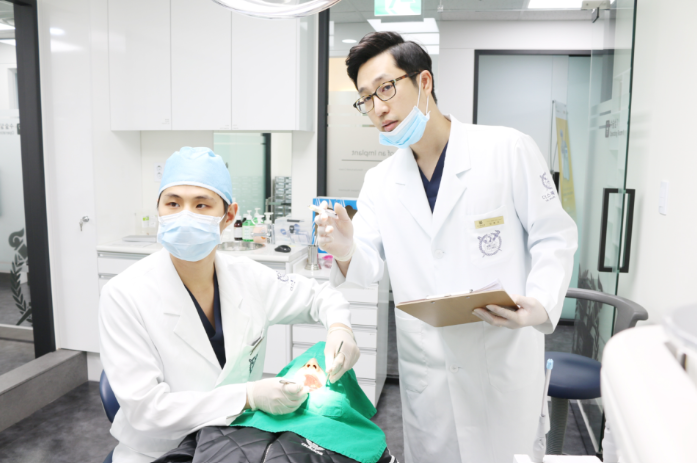
The Square Dental Clinic · Reviewed by a specialist dentist (Seoul National University School of Dentistry graduate) · Gwanghwamun, Seoul
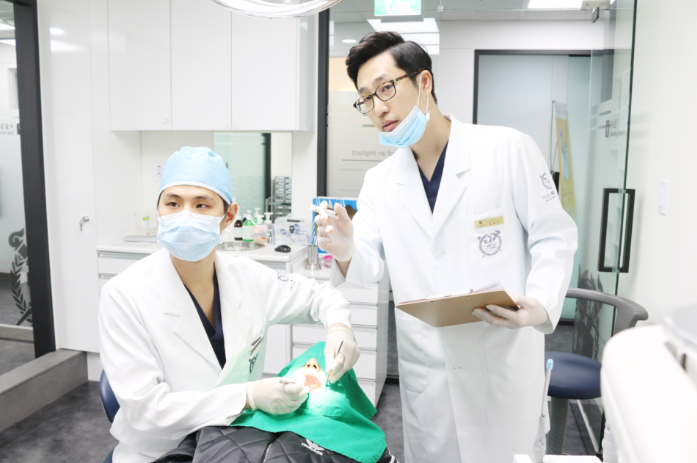
After a root canal, many people are surprised to hear that their dentist also recommends a crown.
A root canal and a crown serve different purposes,
and whether a crown is needed depends on the individual tooth,
so the more useful question is not "yes or no?" but "why does this particular tooth need one?"
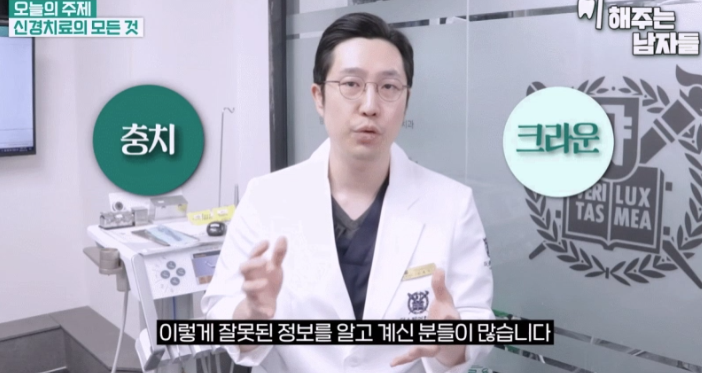
A root canal treats the inside of the tooth,
while the restoration that follows is a separate step to rebuild the shape, strength and function of the tooth that remains.
A root canal removes infected tissue from inside the tooth and disinfects the root canals.
It does not, on its own, resolve every structural problem.
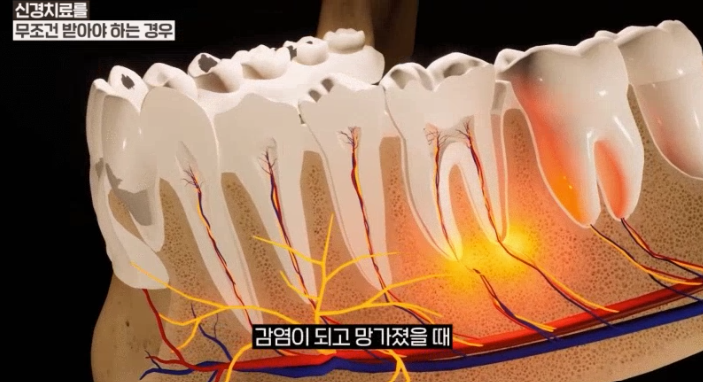
Teeth that need a root canal may already be weakened by decay or cracks,
and some tooth structure is removed to reach the inside, so the remaining tooth has to be re-evaluated.
It helps to think of two stages:
That is why "the pain is gone" doesn't automatically mean everything is finished.
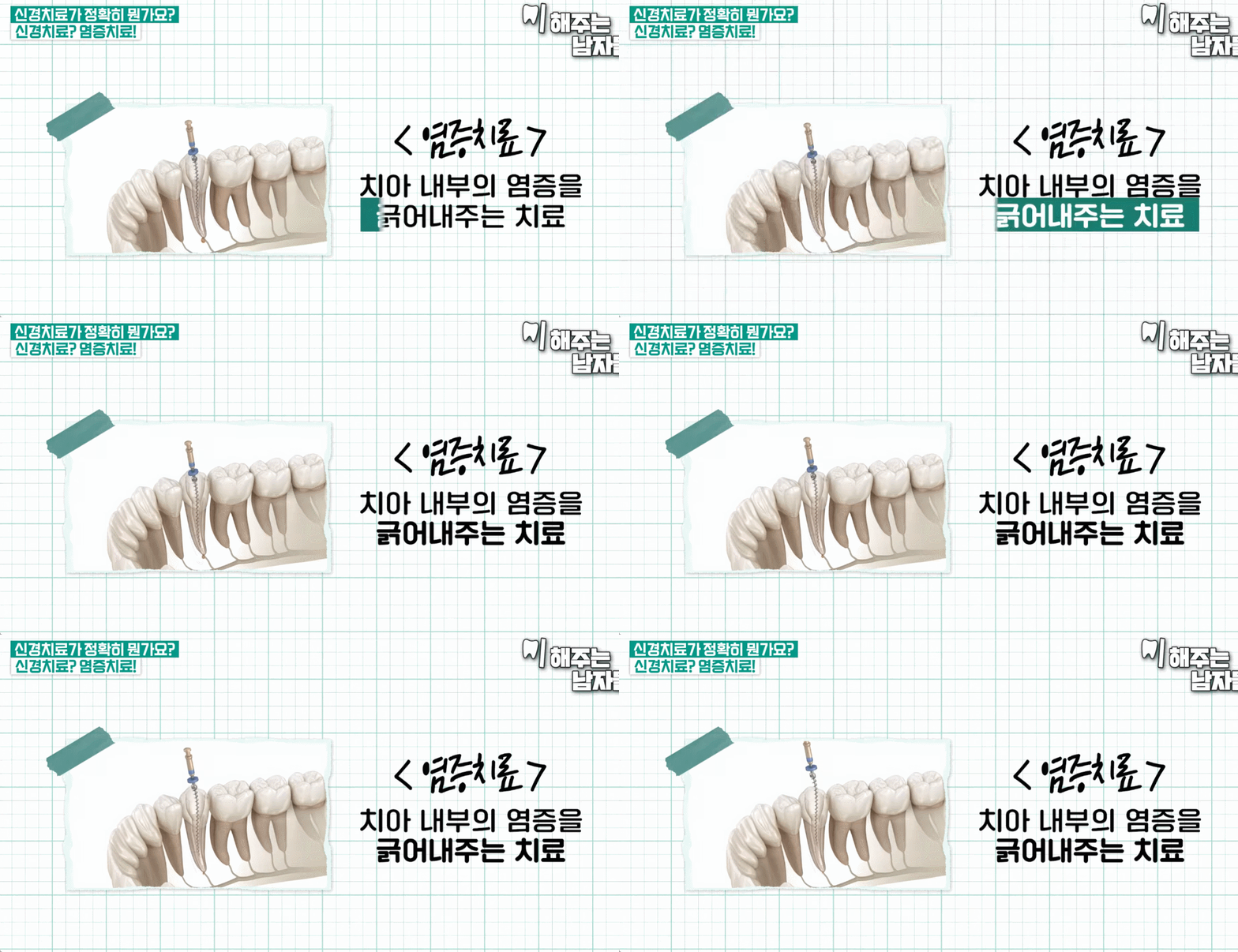
Depending on the extent of damage and how much tooth remains, a crown may be considered.
If one is recommended, ask your dentist to explain the reason for your tooth specifically.
The decision is based on a combination of how much tooth structure remains,
the extent of damage, cracks or fractures, tooth position and how your teeth bite together,
so the same approach does not apply to every tooth.
For teeth that take heavy chewing forces, fractures and cracks are looked at more closely.

Factors commonly reviewed include:
So instead of comparing crown types first,
it is more useful to understand how much of the tooth remains and what condition it is in.

Where needed, an oral exam and records can be used to plan more precisely.
The specific restoration depends on your mouth.
Yes.Even if the pain has eased, treatment isn't complete until the final restoration is placed,
so it is important to follow the guidance you are given.
There may be a period when a temporary material is used beforethe final restoration.
Precautions can vary with the condition of the tooth, so make sure your dentist explains them clearly.
If a temporary filling or cover comes off, problems can develop, so it is best to let the clinic know promptly.
Less pain and a finished treatment are not the same thing.
If discomfort continues or something new appears, the bite, the gum around the crown
and the tissue around the treated tooth are worth checking.
| If you notice | What can be checked |
|---|---|
| One tooth seems to touch first | How the upper and lower teeth meet (bite) |
| Discomfort or changes in the gum around the crown | The area around the restoration and the gum |
| Pain that continues or appears newly | The treated tooth and surrounding tissue |

The cause of symptoms can differ from person to person.
Rather than judging from a single sign, it is better to have the necessary exams done.
A good starting point is whether the clinic explains, based on your exam, why a crown is needed (or why another option may be considered), rather than recommending a crown right away.
The Square Dental Clinic aims to explain the condition of your tooth and the reasoning behind a restoration plan based on your exam findings.

The Square Dental Clinic is in the D-Tower in Gwanghwamun, central Seoul, about one hour from the airport,
which suits both short-stay visitors and expatriates.
Here is what overseas patients most often ask about:
Results and recovery vary between individuals.
Rather than "do I have to or not?", the more helpful question is "why does my tooth need this?" Treatment approaches and outcomes vary from person to person.
A. No. The restoration depends on how much tooth remains, the extent of damage, the tooth's position and the bite,
so the same approach is not used for every tooth.
A. Less pain does not mean treatment is finished.
Until the final restoration is placed, the tooth may only have a temporary material,
so timing and precautions should be confirmed with your dentist.
A. Problems can develop, so contact the clinic promptly to have it checked.
A. If one tooth seems to touch first or pain continues, your dentist can check your bite,
the gum around the crown and the tissue around the treated tooth.
A. It depends on the condition of the tooth and how many steps are needed.
Please contact us in advance to discuss your schedule.