Temporomandibular Joint (TMJ)
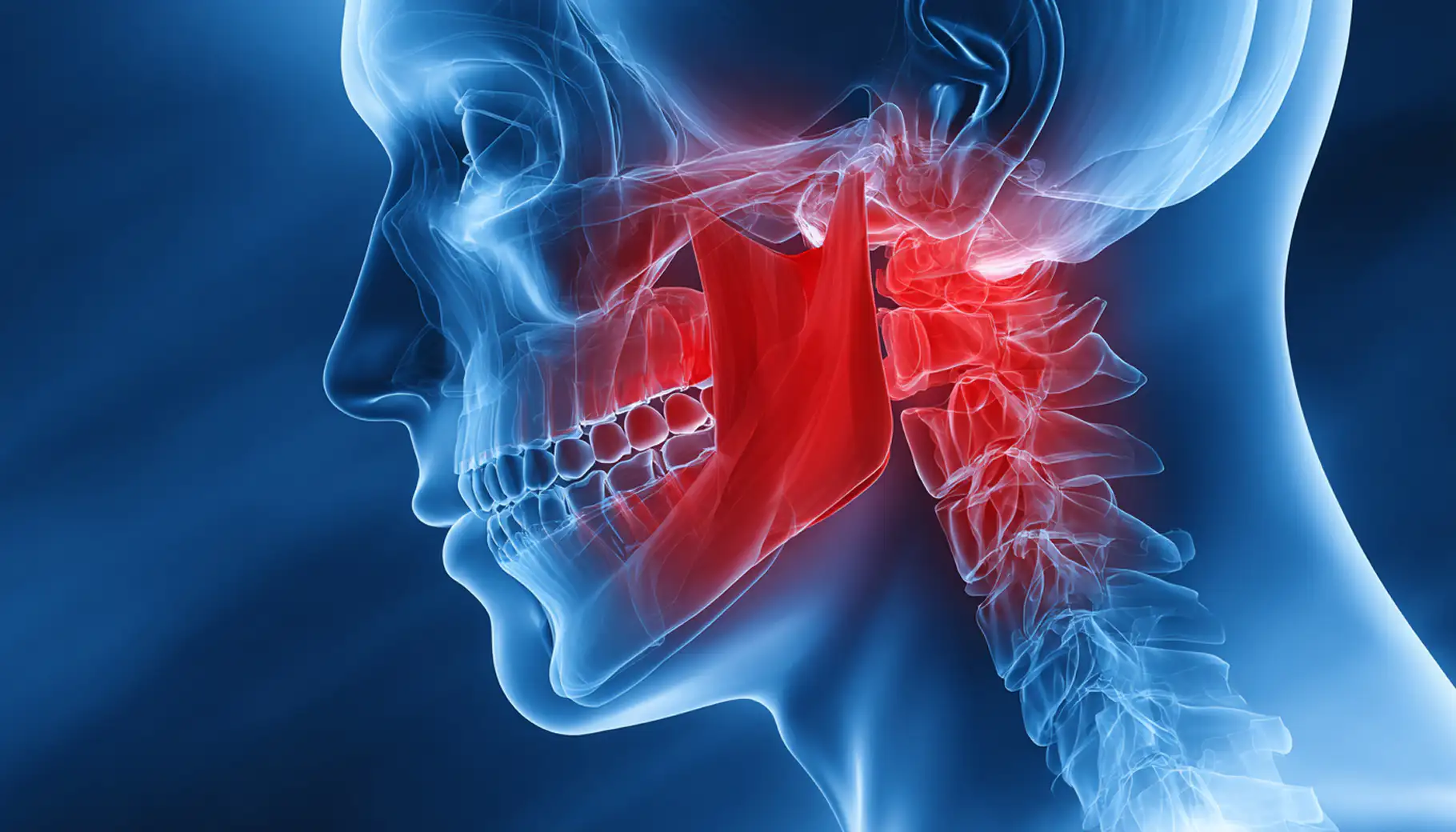
The temporomandibular joint (TMJ) is the joint that connects the lower jaw to the skull. In dentistry, TMJ disorders are commonly evaluated and treated within the field of Oral Medicine, which also manages diseases of the oral soft tissues, including the tongue.
TMJ Anatomy and Temporomandibular Disorders (TMD)
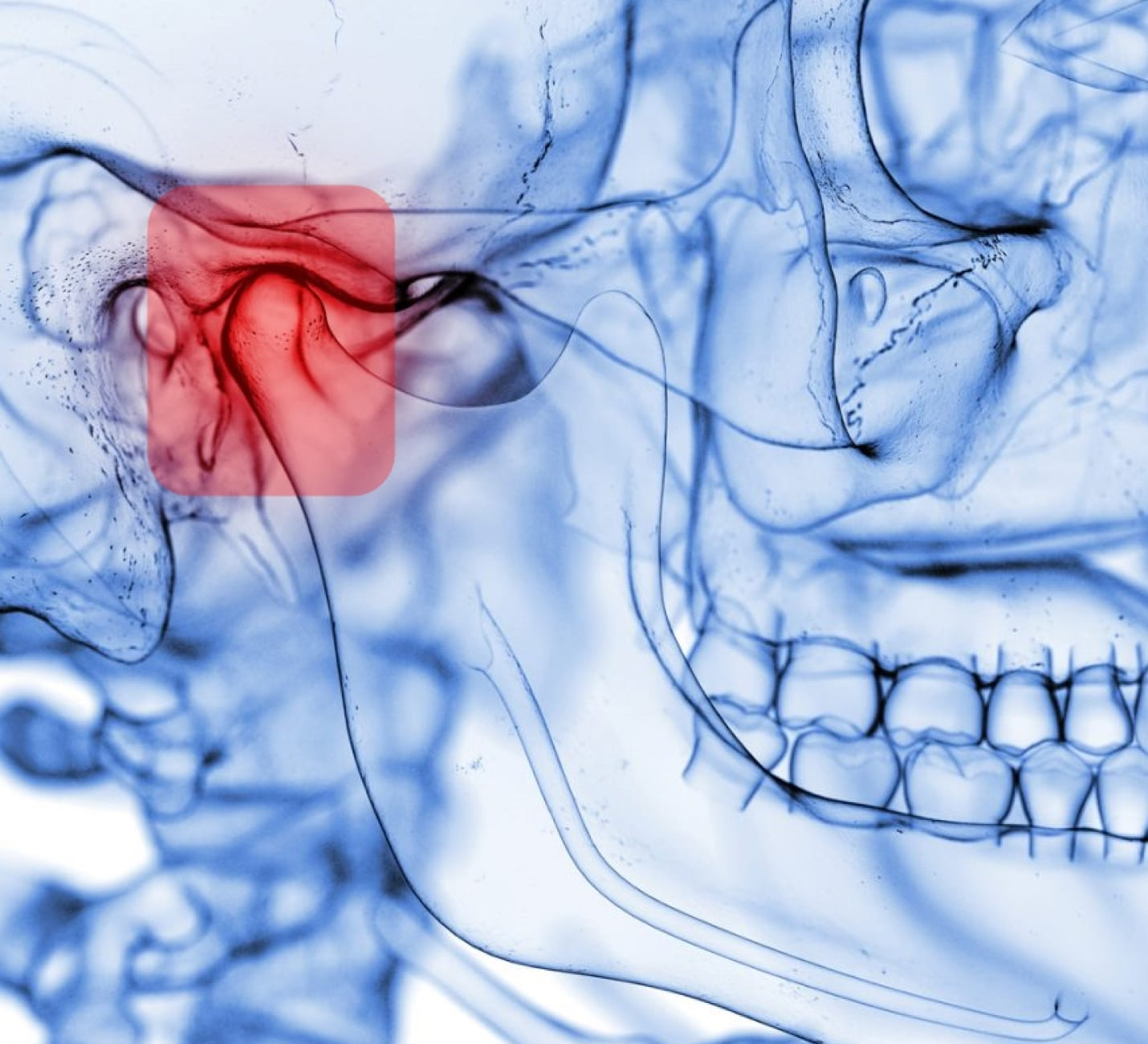
The jaw plays an essential role in chewing and speaking. The TMJs are located just in front of each ear, where the lower jaw meets the skull. If you place your fingers in front of your ears and open your mouth, you can feel the joints moving.
The TMJ is a synovial joint, and the right and left joints function together as a coordinated pair.
How the TMJ Moves
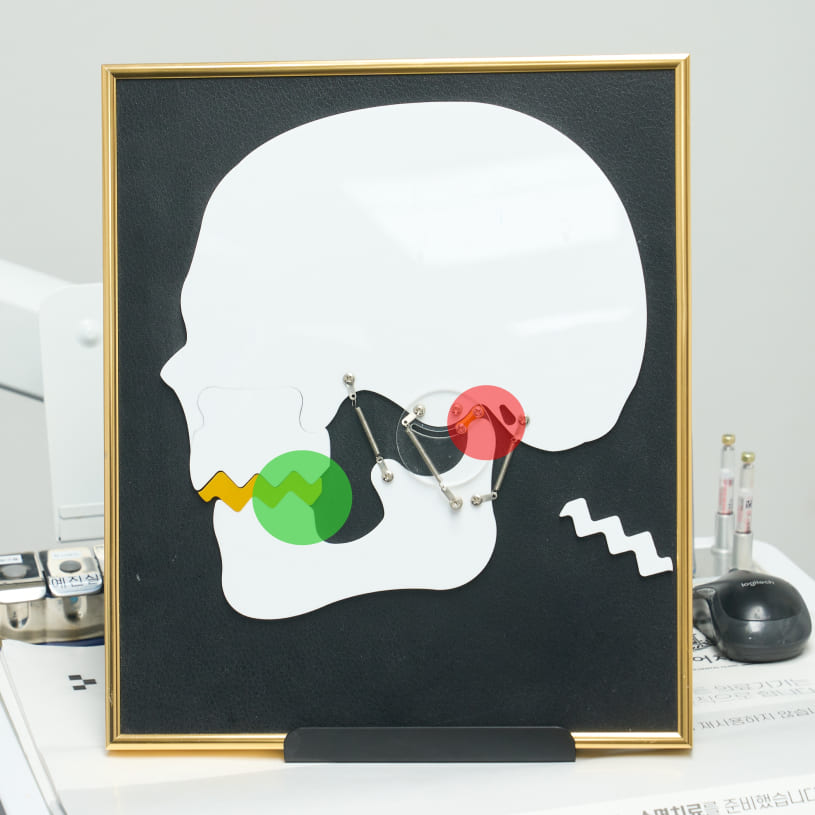
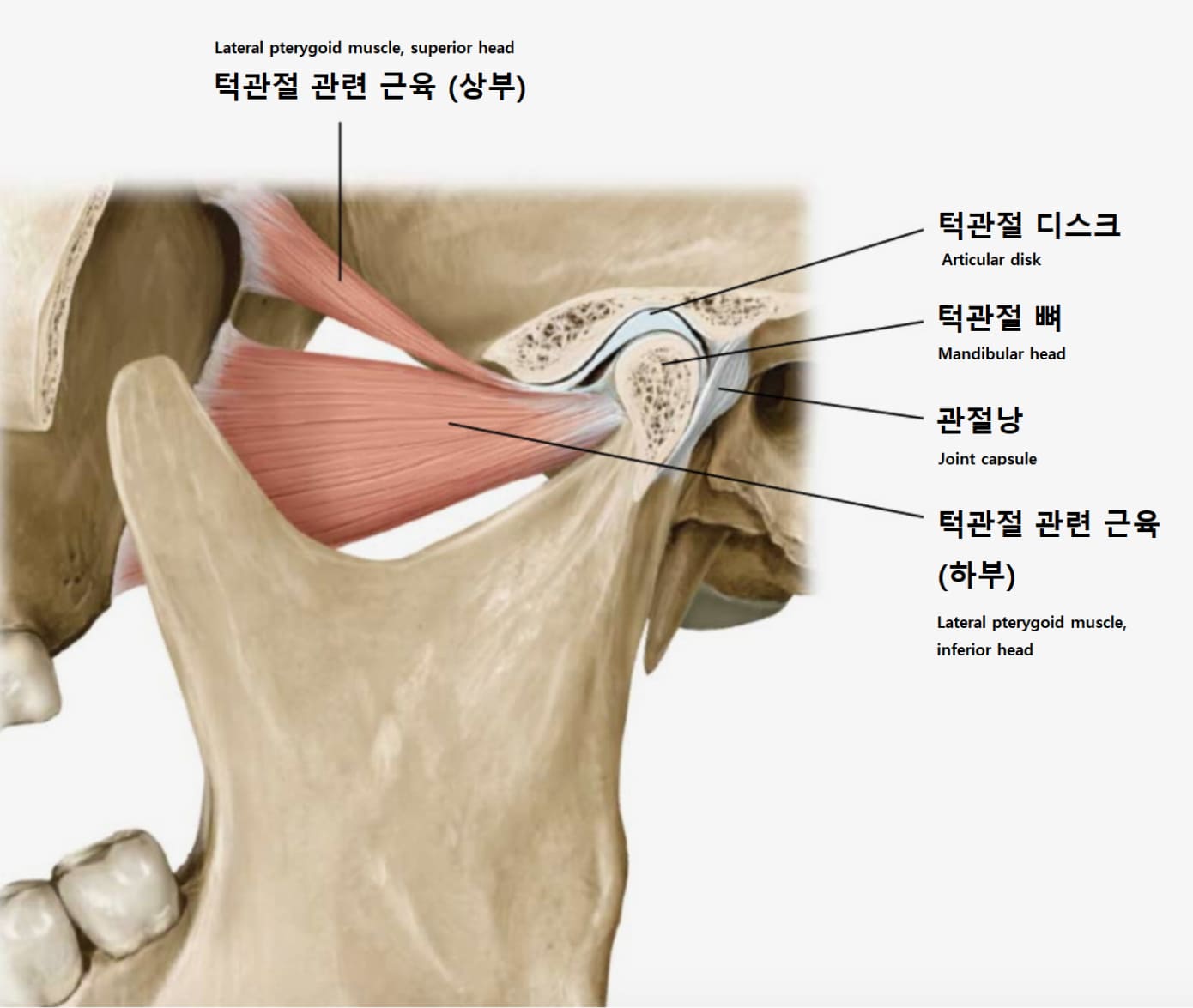
An articular disc within each TMJ moves together with the jaw and plays an important role in smooth joint movement. Many temporomandibular disorders involve the disc, although the muscles, ligaments, and joint surfaces may also be affected.
Types of Temporomandibular Disorders and Their Treatment
01
TMJ Anatomy
Temporomandibular disorders can involve not only the bones of the joint but also the surrounding muscles, ligaments, and articular disc. These problems may occur individually or together and may affect one or both sides of the jaw.
02
Symptoms of TMD
Joint Sounds
Clicking, popping, or grinding sounds when opening or closing the mouth
Functional Problems
Deviation or asymmetrical movement of the jaw when opening or closing the mouth
Difficulty or limitation when opening or closing the mouth
Pain
Pain or a deep, blocked sensation around the area in front of the ear
Headache, masticatory muscle pain, toothache, or facial pain associated with TMD
Pain while chewing
Treatment for Temporomandibular Disorders
Most TMD cases are initially managed with conservative, non-invasive treatment. More invasive procedures, such as arthrocentesis or TMJ surgery, may be considered in selected cases involving significant structural changes, persistent joint dysfunction, or severe intra-articular problems.
Because the jaw joints are used constantly for speaking, chewing, and other everyday activities, recovery may take time and often requires consistent treatment and self-care.
Non-Invasive TMD Treatments
01
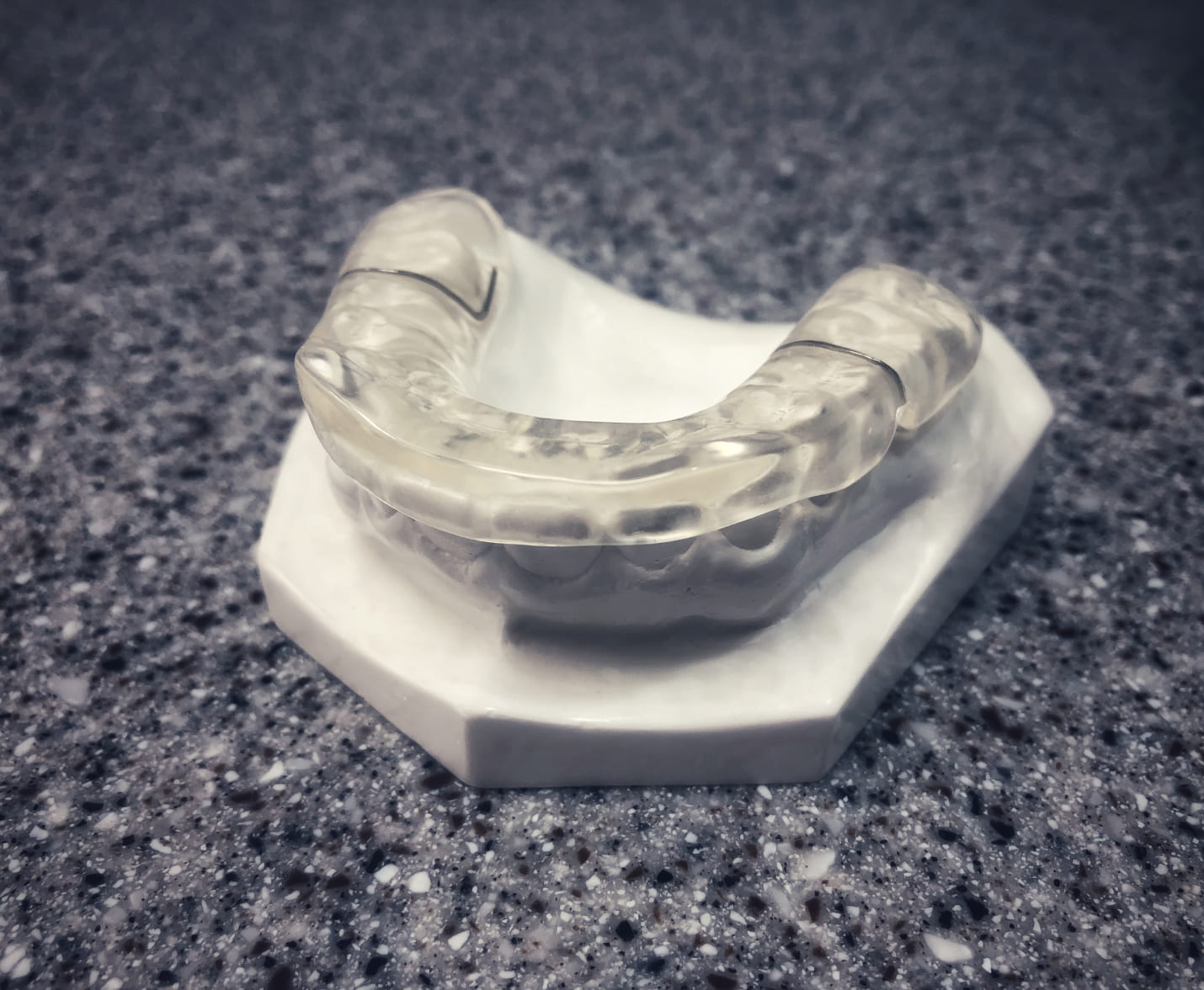
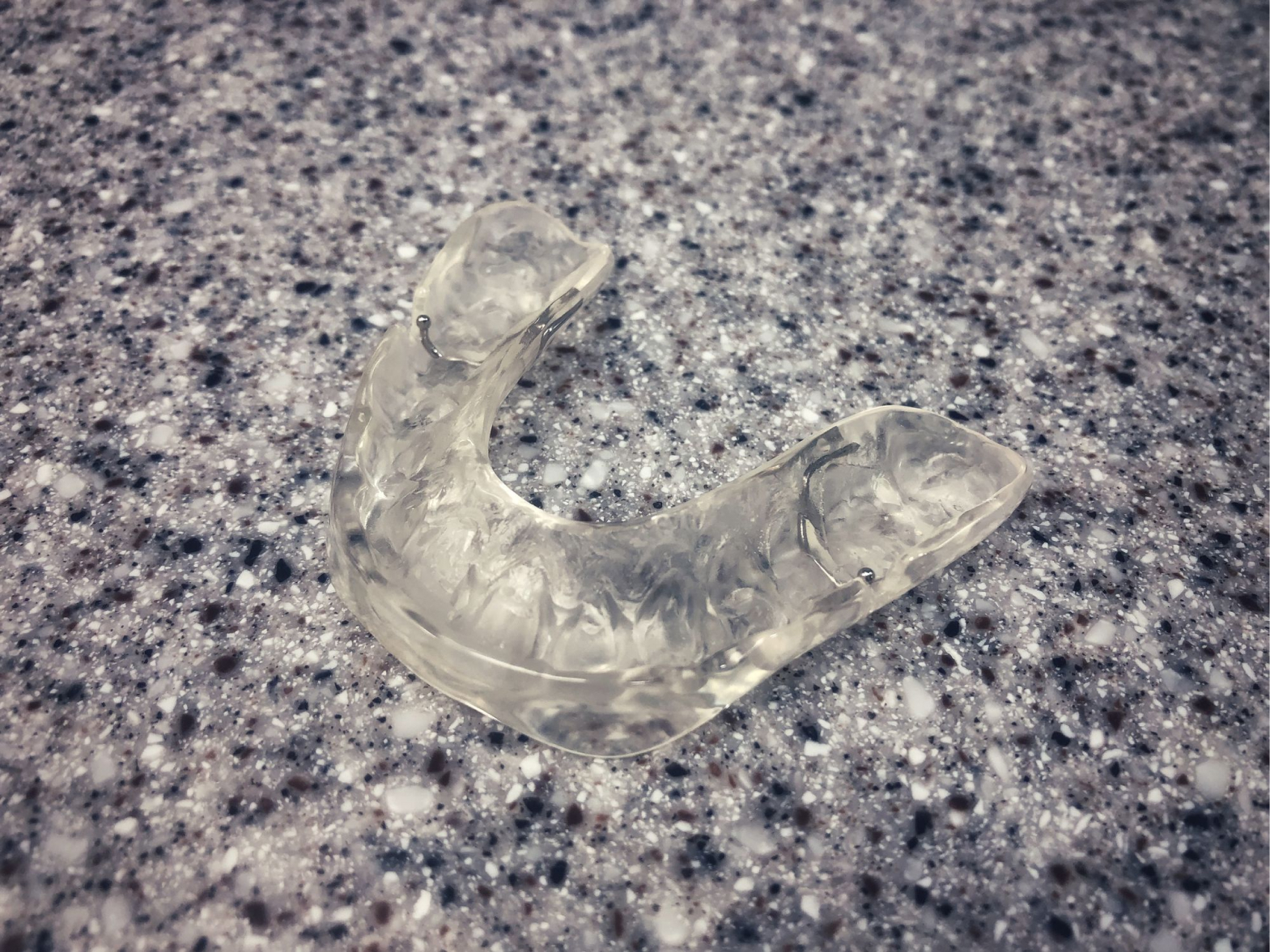
Occlusal Splint Therapy
02
Botulinum Toxin Injection
04
6×6 TMJ Exercises & Posture Correction
Types and Causes of TMJ Sounds
TMJ sounds can generally be classified into several patterns, and their clinical significance and treatment may differ depending on the underlying cause.
Common Association
Often associated with disc displacement
May be associated with disc or joint movement
May be associated with degenerative changes of the joint surfaces
Typical Management
Conservative management when indicated
Evaluation and conservative management when indicated
Evaluation and management of underlying joint disease
*You can move left and right to view additional information.
TMJ sounds are relatively common. If there is no pain, limitation of movement, or interference with daily activities, joint sounds alone do not always require active treatment.
However, if the sound changes, pain develops, or jaw movement becomes limited, a detailed examination is recommended. Early evaluation can help identify conditions that may otherwise progress to chronic TMD.
Occlusal Splint Therapy
01
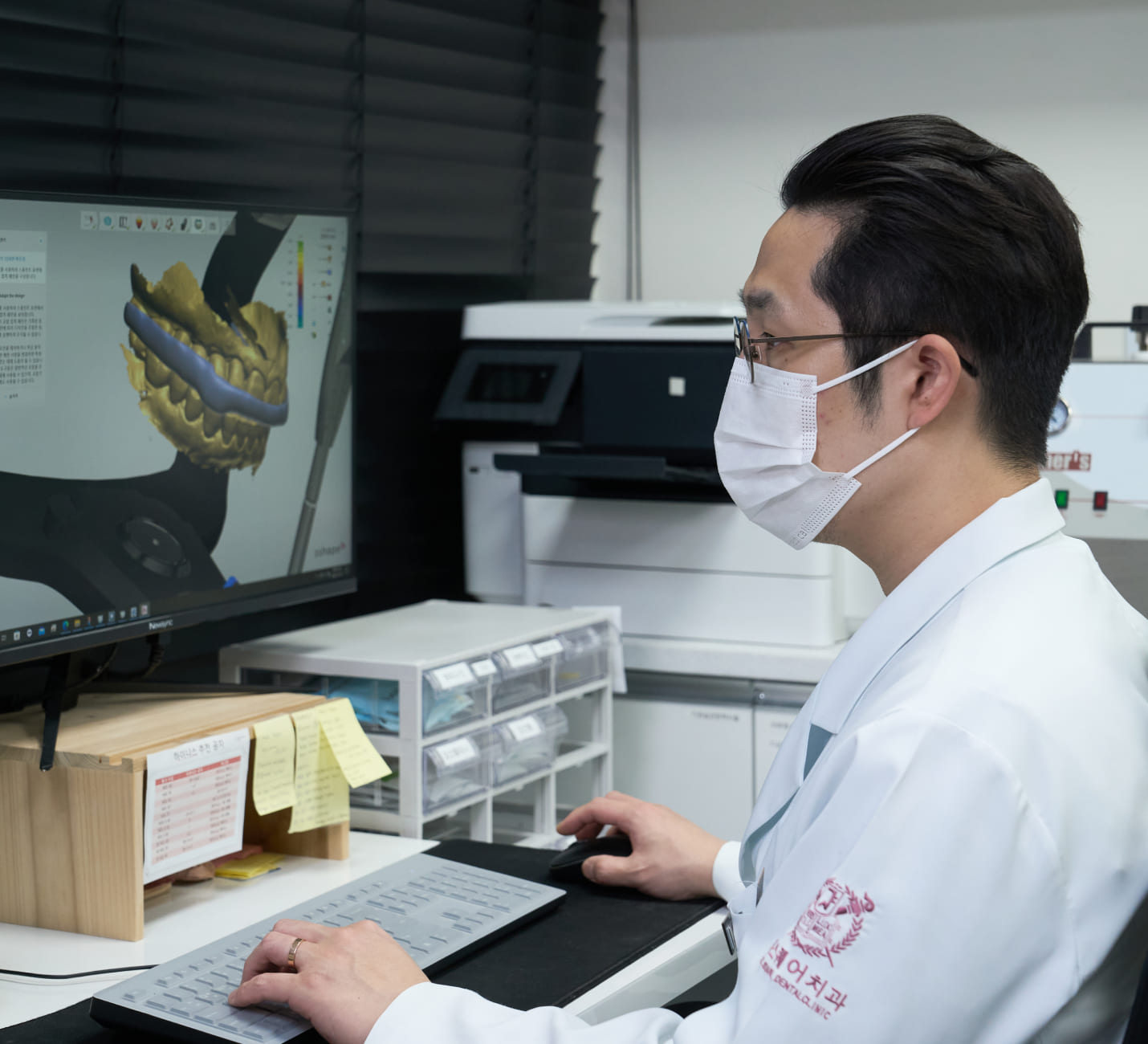
Precision Fabrication in Our In-House Digital Lab
TMJ stabilization appliances are precisely designed and fabricated in our in-house digital dental laboratory.
02
3D Digital Dentistry
Digital scanning and 3D design technology are used to create a customized appliance based on the patient’s teeth and bite.
03
24-Month Warranty Program
*The warranty does not cover replacement due to loss.
Physical Therapy for TMD
01
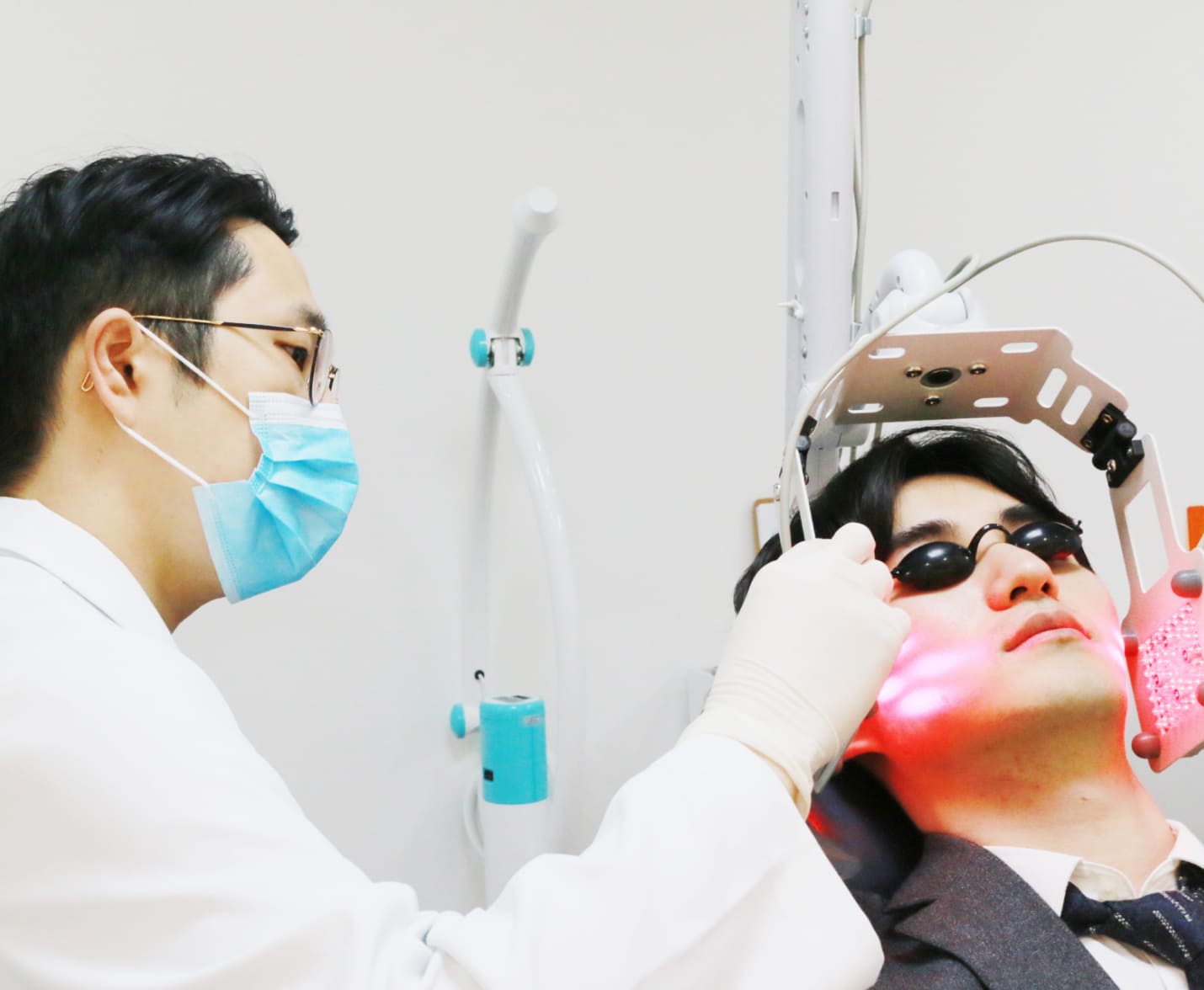
Infrared Therapy
Infrared therapy applies therapeutic light energy to the tissues surrounding the TMJ and masticatory muscles. It may help promote local circulation, relax muscles, and relieve discomfort.
02
Laser Therapy
Low-level laser therapy may be used to help reduce pain and support tissue recovery by delivering controlled light energy to the affected area.
03
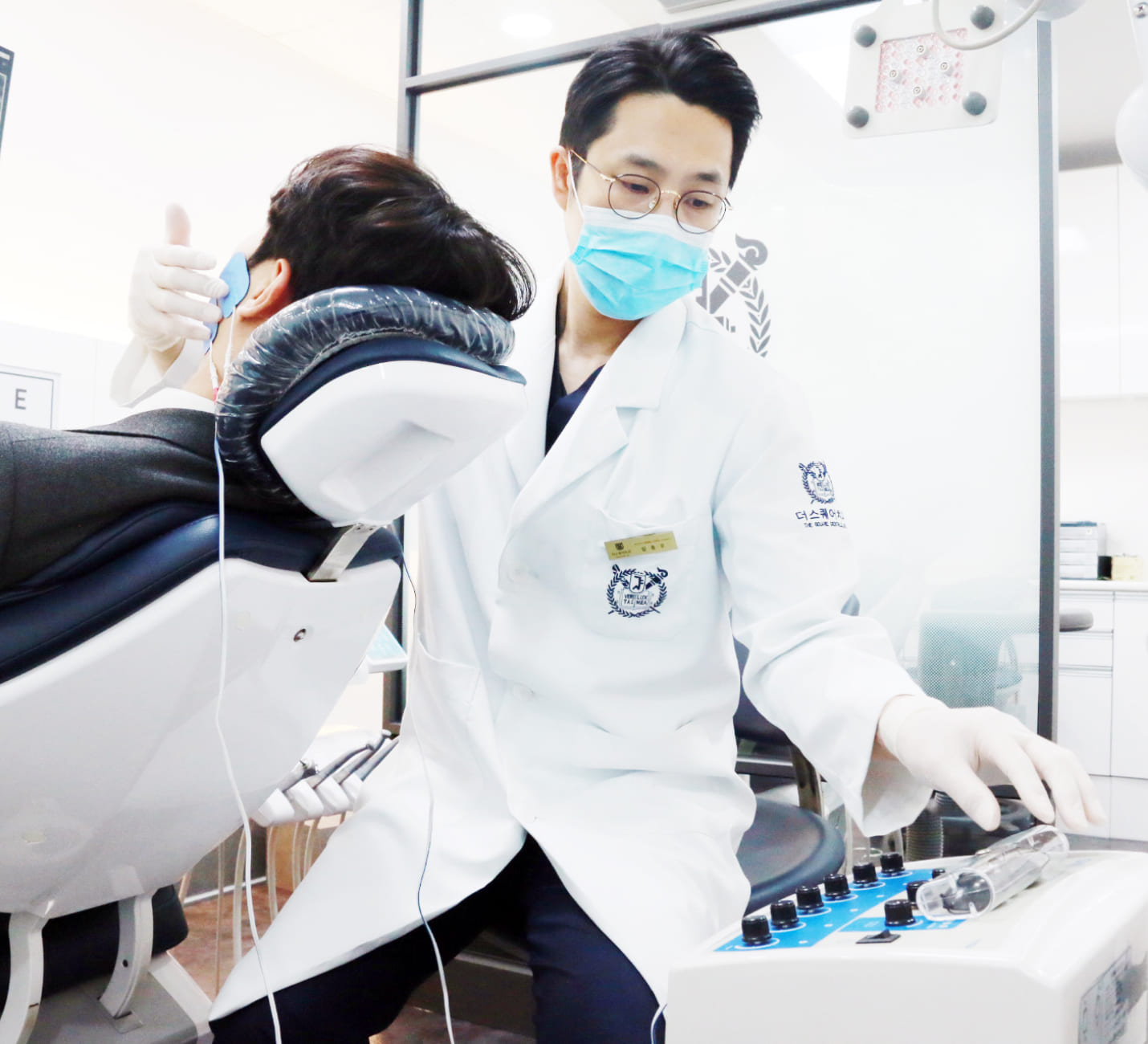
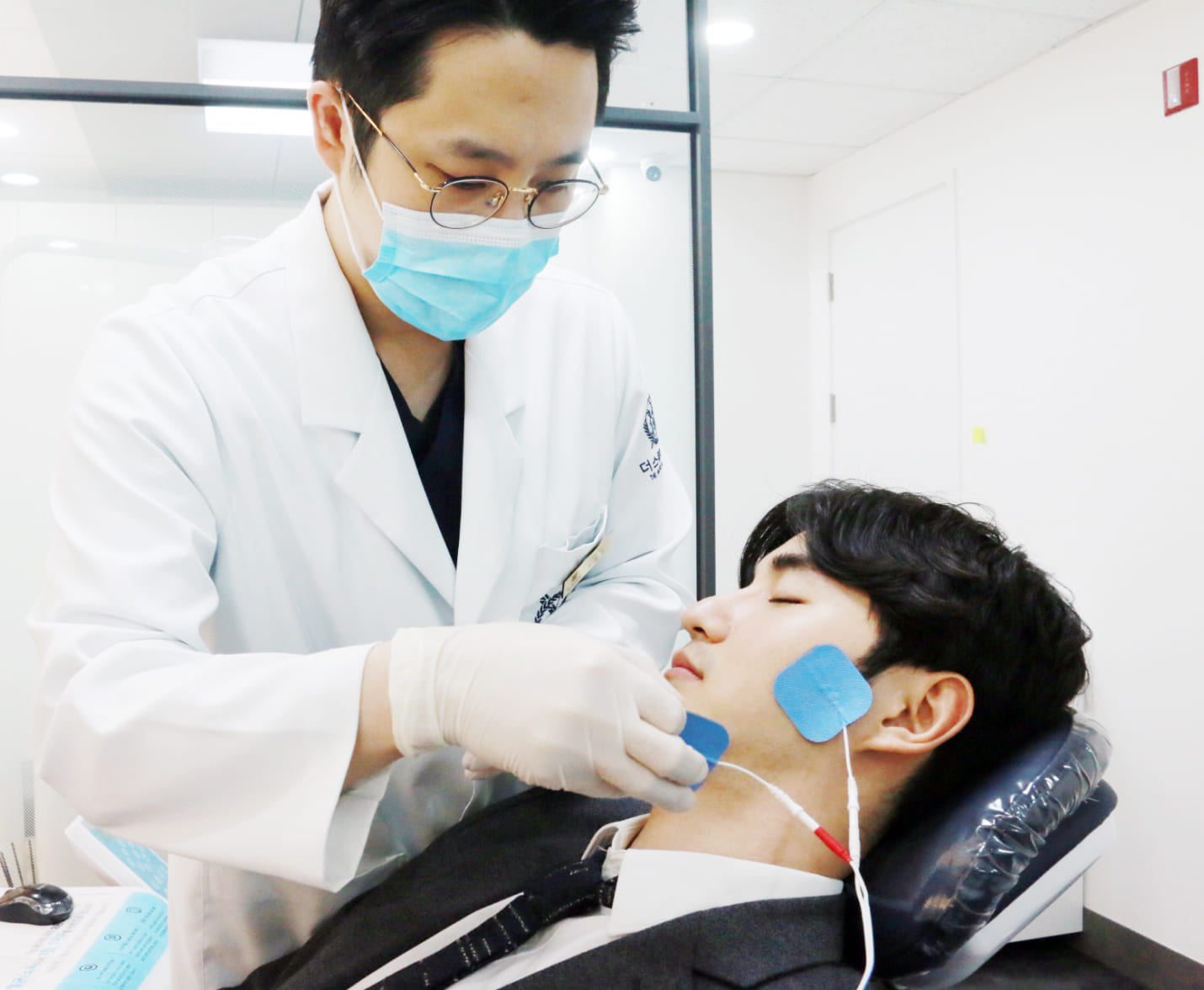
TENS — Transcutaneous Electrical Nerve Stimulation
TENS uses low-level electrical stimulation to modulate pain signals and may also help relax tense masticatory muscles associated with TMD.
Botulinum Toxin Treatment for TMD
01
Botulinum Toxin Treatment
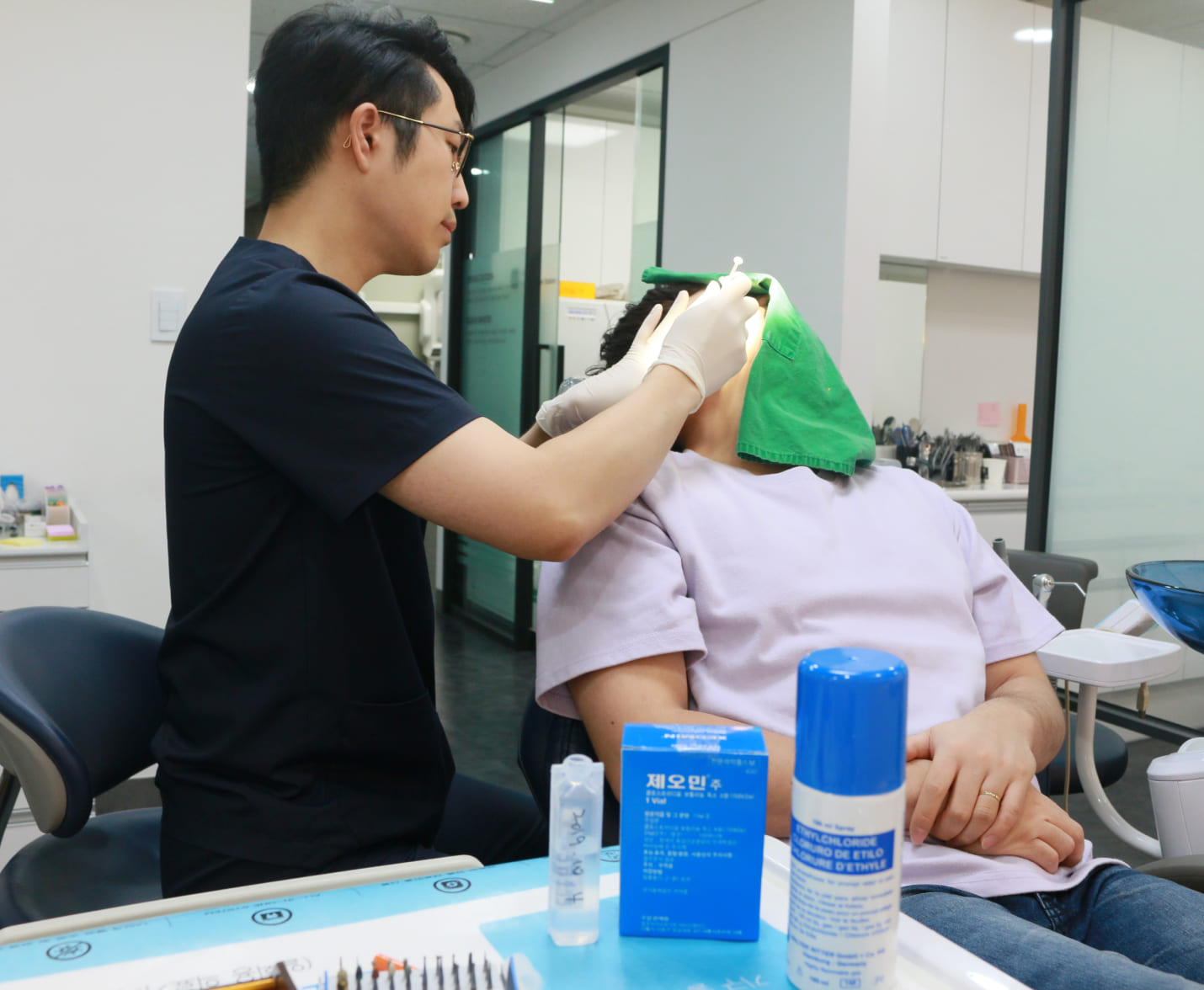
Botulinum toxin may be injected into overactive masticatory muscles, such as the masseter and temporalis, to reduce excessive muscle activity and relieve muscle-related jaw pain and tension.
Treatment is recommended only after determining whether excessive muscle activity is contributing to the patient’s symptoms.
02
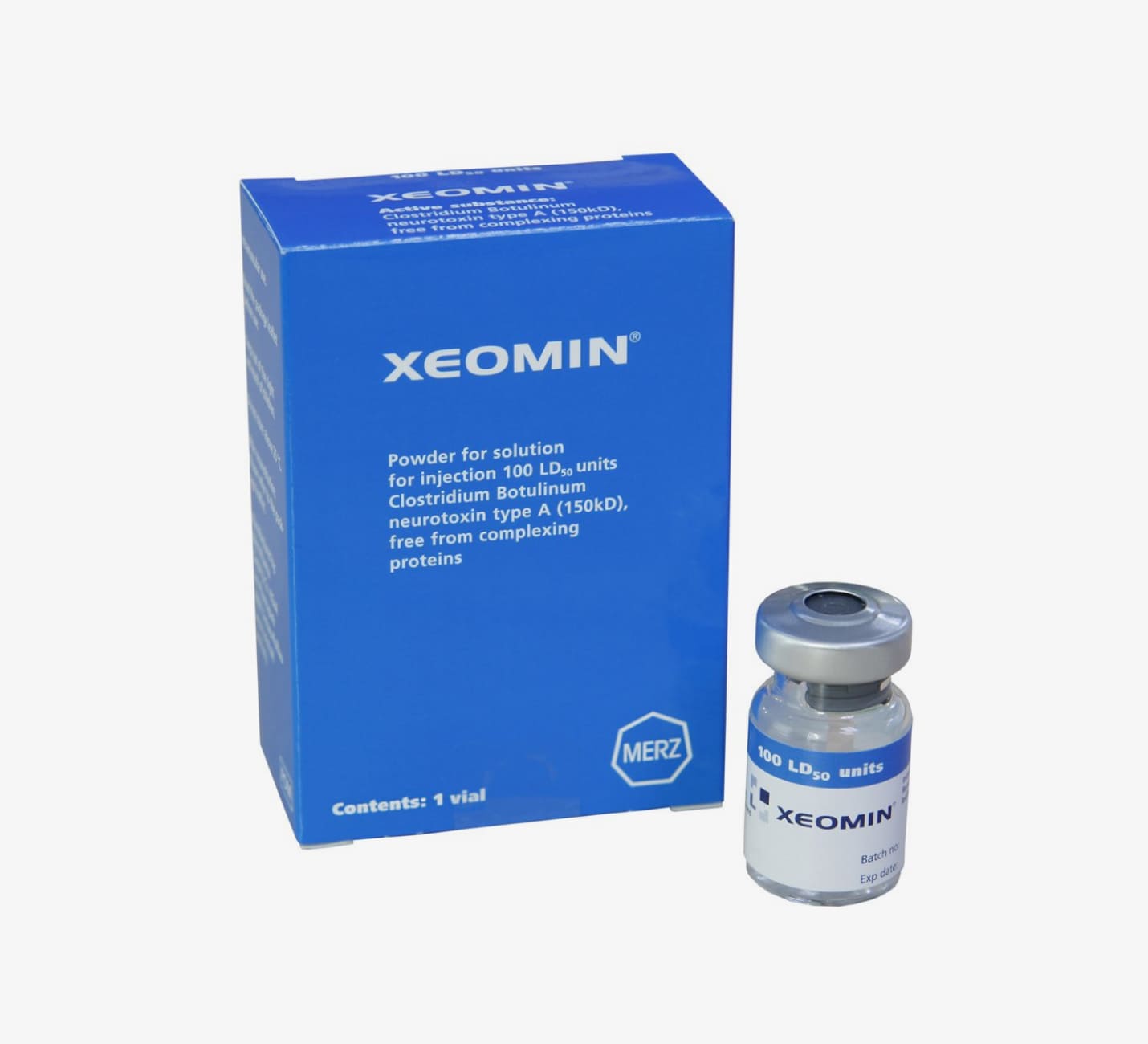
XEOMIN® Botulinum Toxin
The Square Dental Clinic uses XEOMIN®, a botulinum toxin type A product manufactured in Germany. The appropriate dose and injection sites are determined individually according to muscle activity, facial anatomy, and clinical symptoms.