The Square Dental Clinic’s Step-by-Step Tooth Preservation Program
01
Root Canal Therapy (RCT)
When the dental pulp becomes irreversibly inflamed or infected, root canal treatment may be necessary. At The Square Dental Clinic, experienced clinicians use modern instruments and materials to remove infection, disinfect the root canal system, and preserve the natural tooth whenever possible.
02
Root Canal Retreatment (Re-RCT)
If a previously root canal-treated tooth develops a clearly identifiable problem, root canal retreatment may be performed to address the cause and give the natural tooth another chance to heal.
03
Apicoectomy
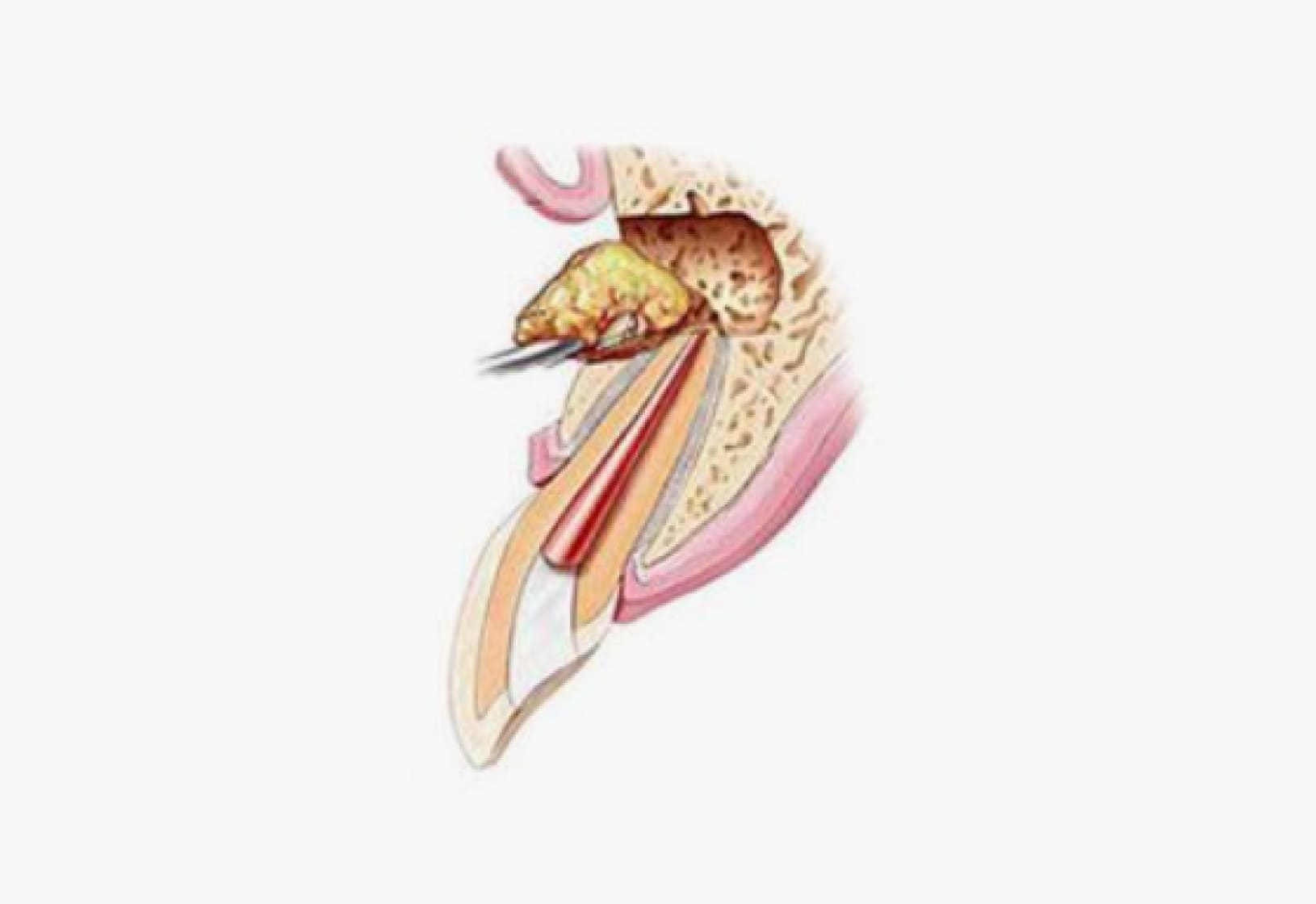
When conventional retreatment is not possible or does not resolve persistent inflammation, an apicoectomy may be considered before extraction. The infected tissue around the root tip is removed surgically in an effort to preserve the natural tooth.
04
Intentional Replantation
Intentional replantation may be considered for posterior teeth when surgical access to the root tip is difficult. If the periodontal tissues are healthy, the root is not fractured, and the main problem is persistent apical inflammation, the tooth may be carefully extracted, treated outside the mouth, and replanted.
What Is Root Canal Treatment?
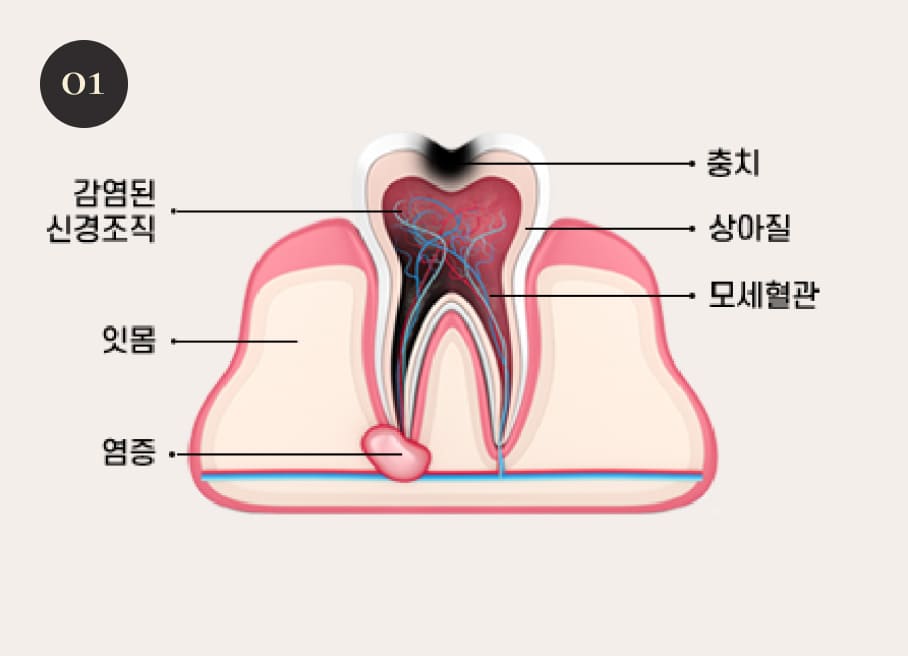
Root canal treatment is essentially a procedure to remove infection and inflammation from inside a tooth. When the pulp tissue—which contains nerves and blood vessels—becomes irreversibly inflamed or infected, inflammation may spread through the root canals and into the tissues around the root tip.
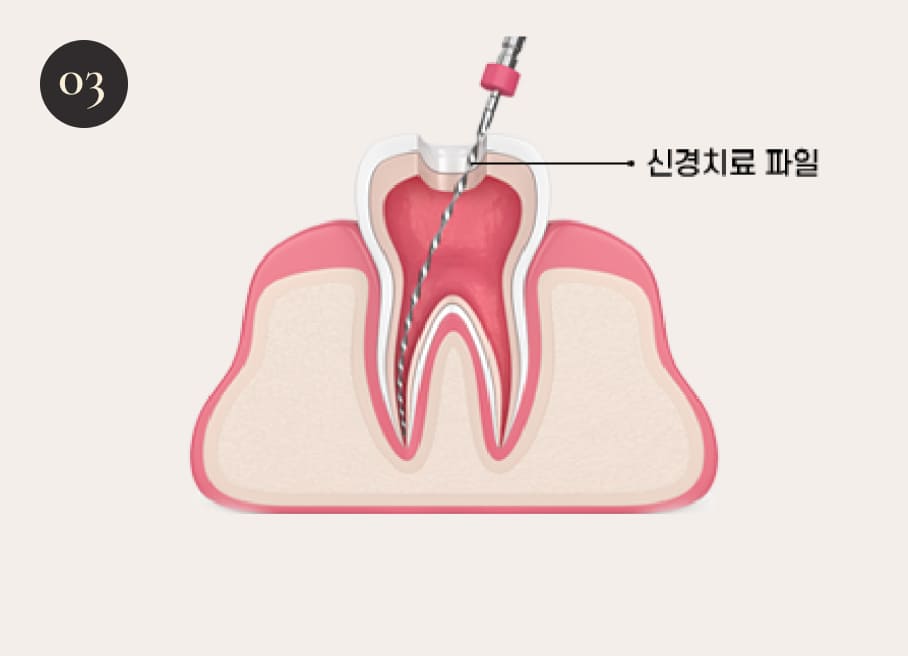
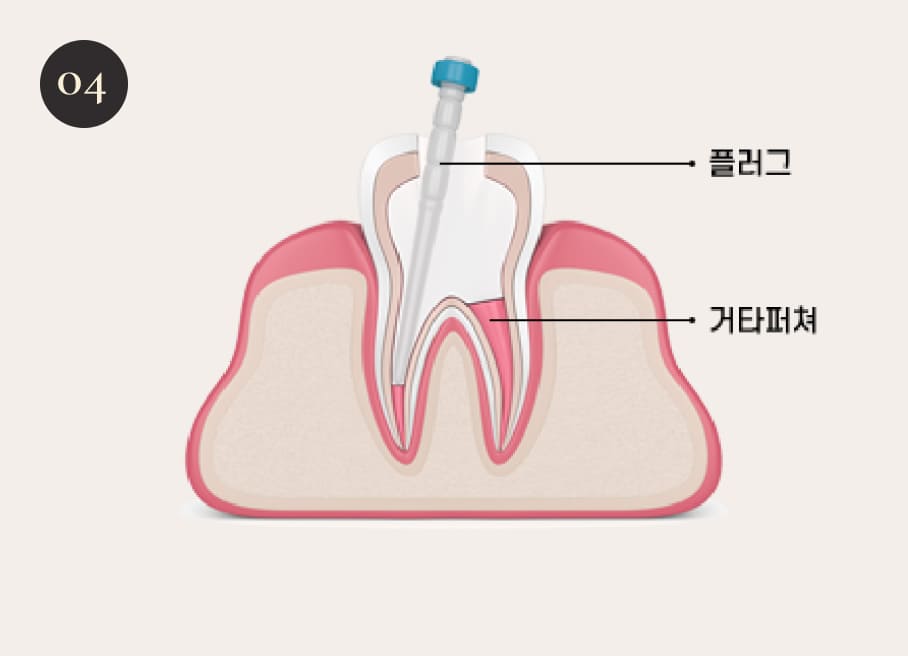
During root canal treatment, infected or inflamed tissue is removed, the canals are thoroughly cleaned and disinfected, and the internal space is sealed with a root canal filling material.
Although the name may sound intimidating, root canal therapy is one of the most important tooth-preserving treatments in dentistry and often requires a high level of precision.
Root Canal Treatment Process and Duration
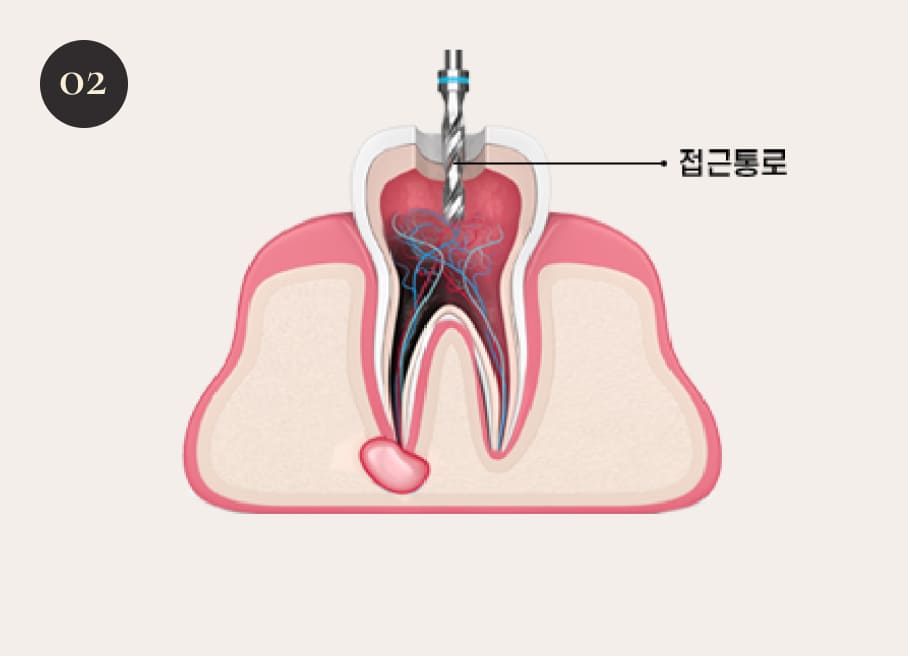
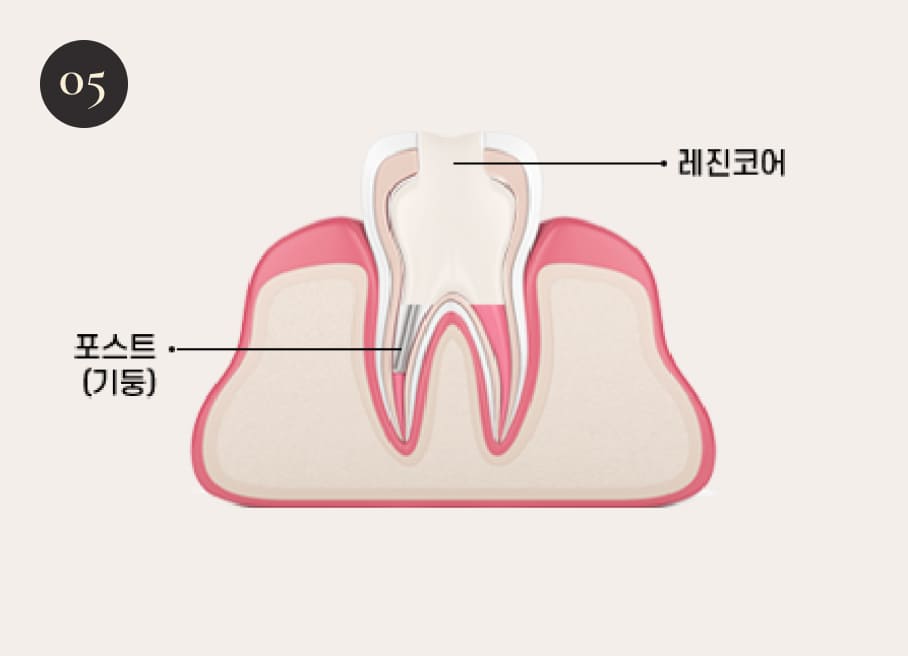
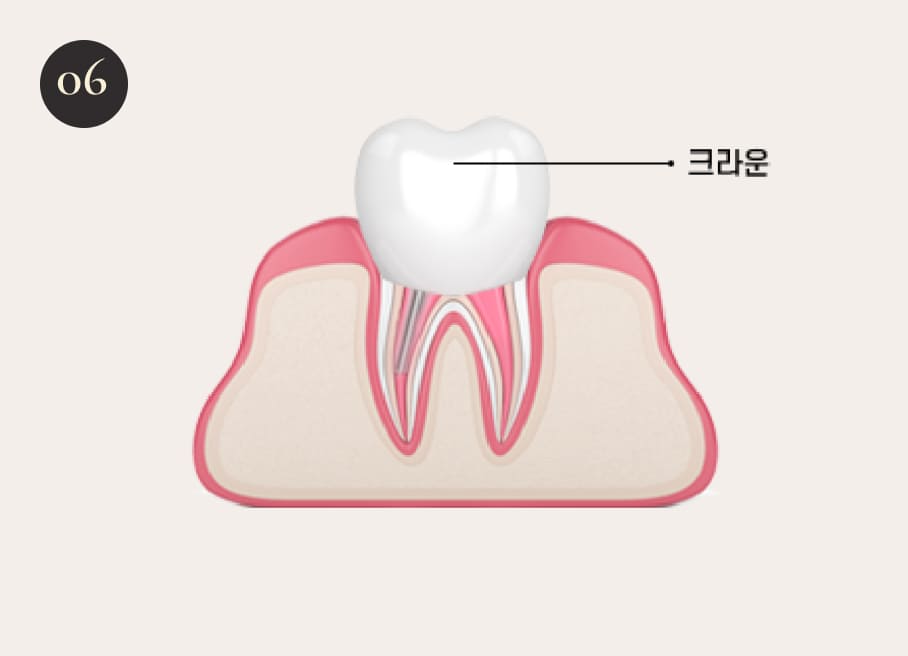
The exact sequence may vary depending on the tooth and severity of infection, but treatment generally includes diagnosis and anesthesia, isolation with a rubber dam, access to the root canals, cleaning and shaping, disinfection, root canal filling, and final restoration.
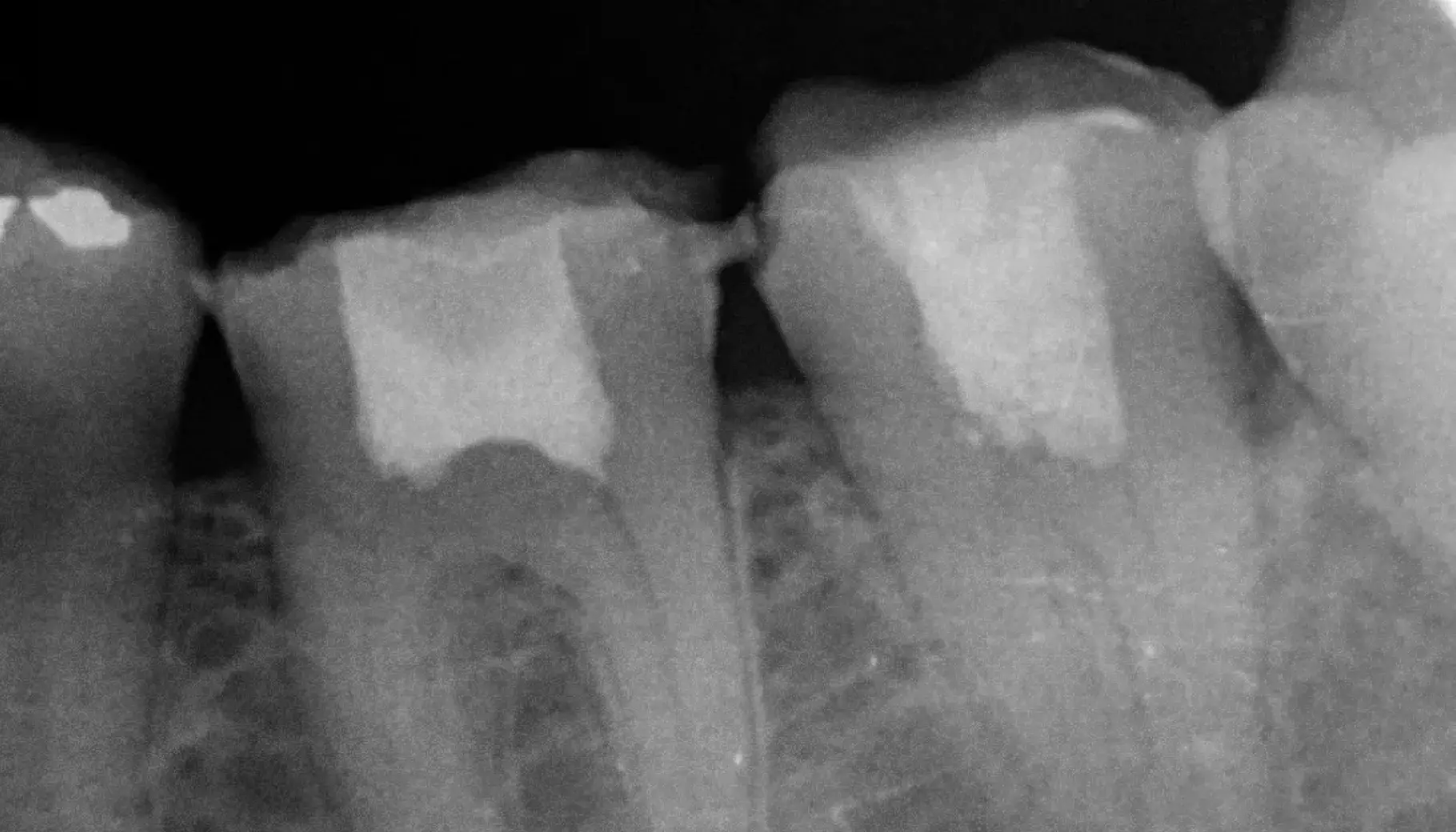
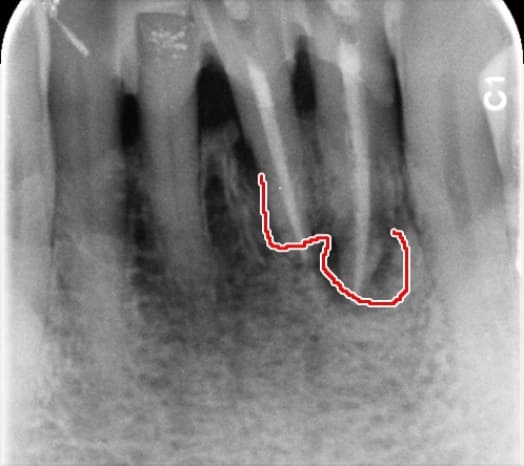
Advanced Root Canal Retreatment (Re-RCT)
Root canal retreatment is technically more complex than initial root canal treatment. Existing filling materials must be removed carefully while minimizing unnecessary damage to the tooth, and the underlying cause of the previous treatment failure must be identified and corrected.
Although retreatment outcomes vary depending on the tooth and underlying problem, it may be an important tooth-preserving option when the periodontal condition is healthy and the cause of failure can be clearly identified.
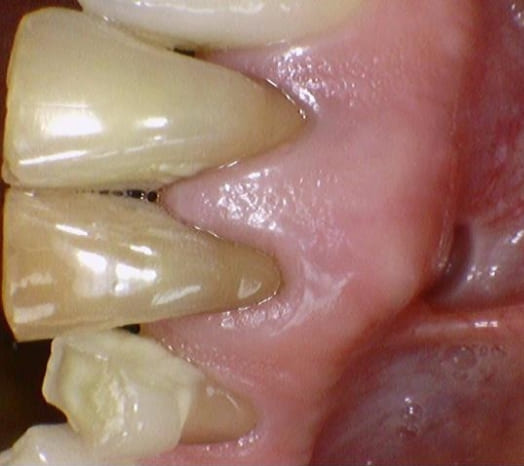
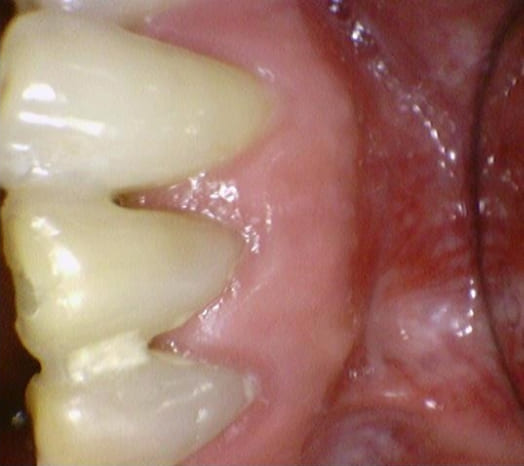
Before Re-RCT
After Re-RCT
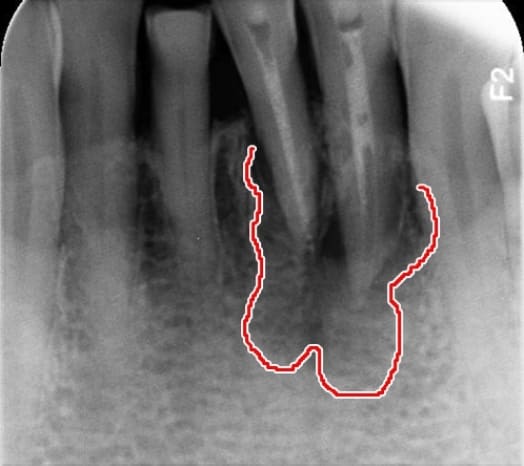
Before Re-RCT
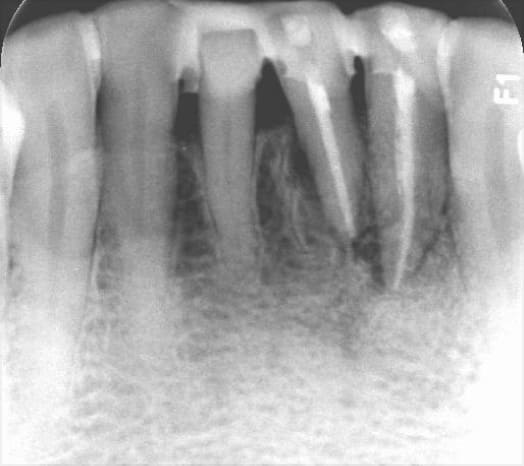
During Re-RCT
After Re-RCT
MTA (Mineral Trioxide Aggregate) for Tooth Preservation
A Biocompatible Dental Material
01
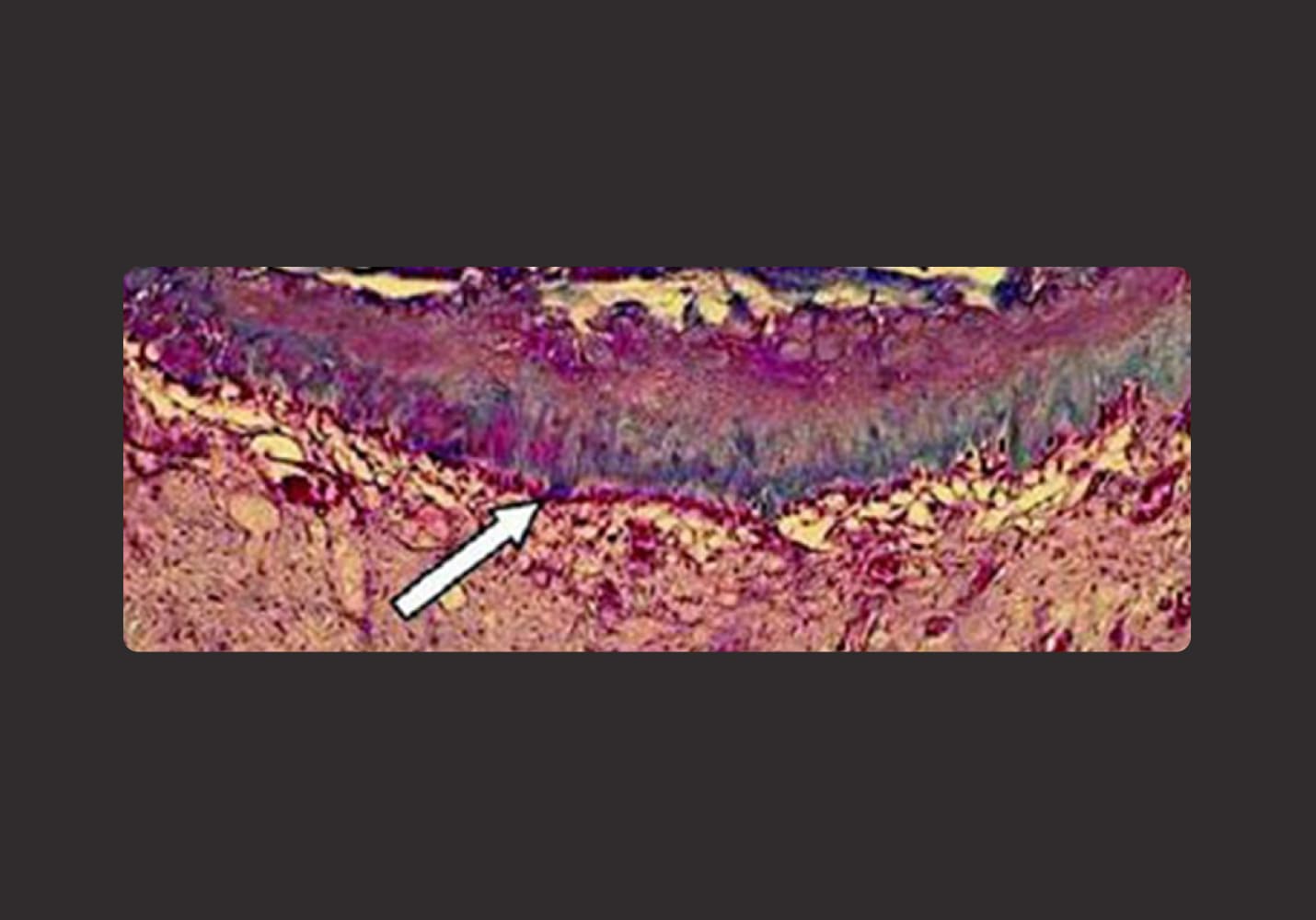
Formation of a Biological Barrier
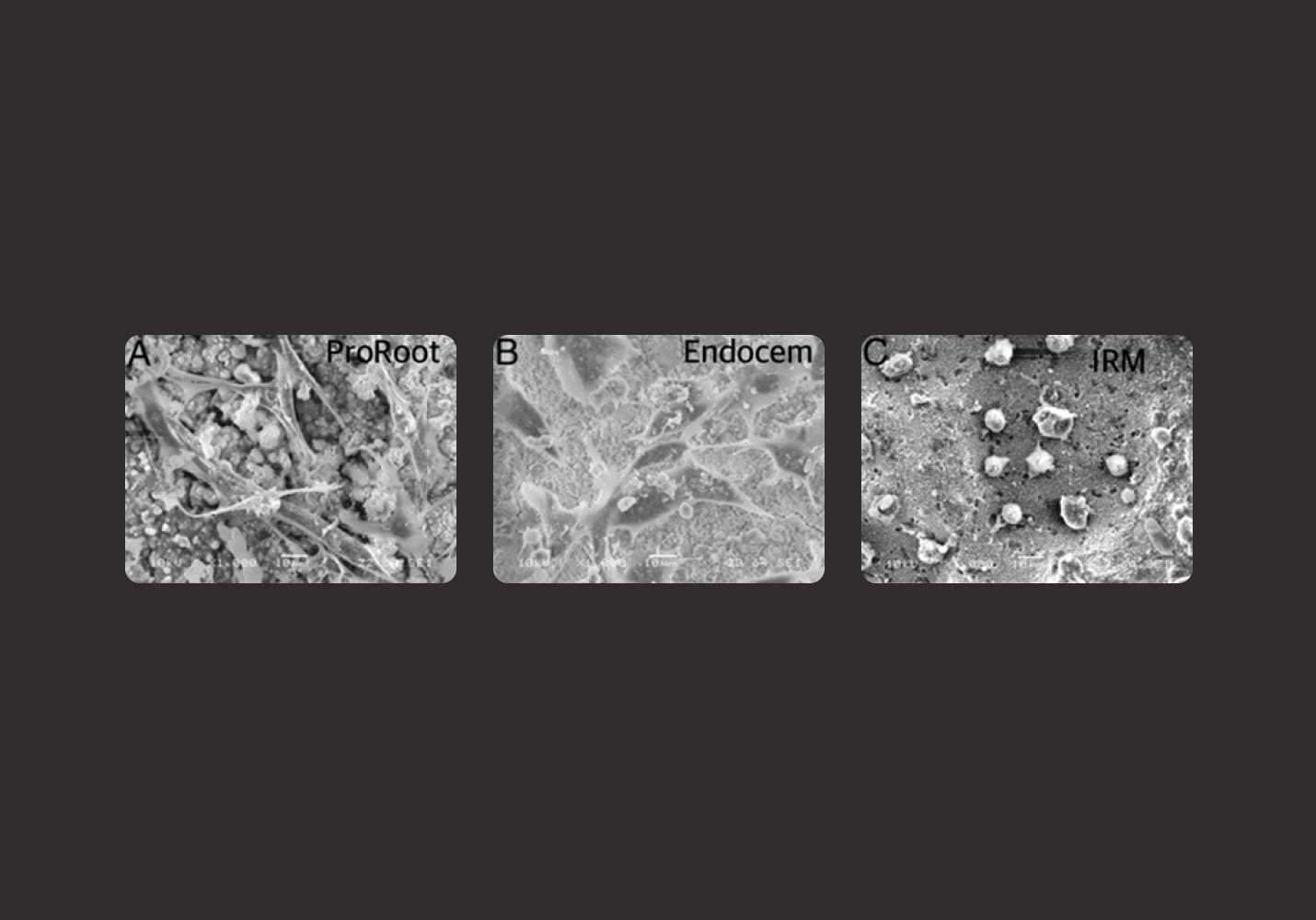
MTA is a calcium-silicate-based bioceramic material that can promote the formation of mineralized tissue and provides an effective seal in selected endodontic procedures.
The arrow indicates newly formed hard tissue adjacent to the MTA.
02
Biocompatibility
MTA is widely used because of its favorable biocompatibility and its ability to interact well with surrounding dental tissues.
MTA Materials Used at The Square Dental Clinic
01
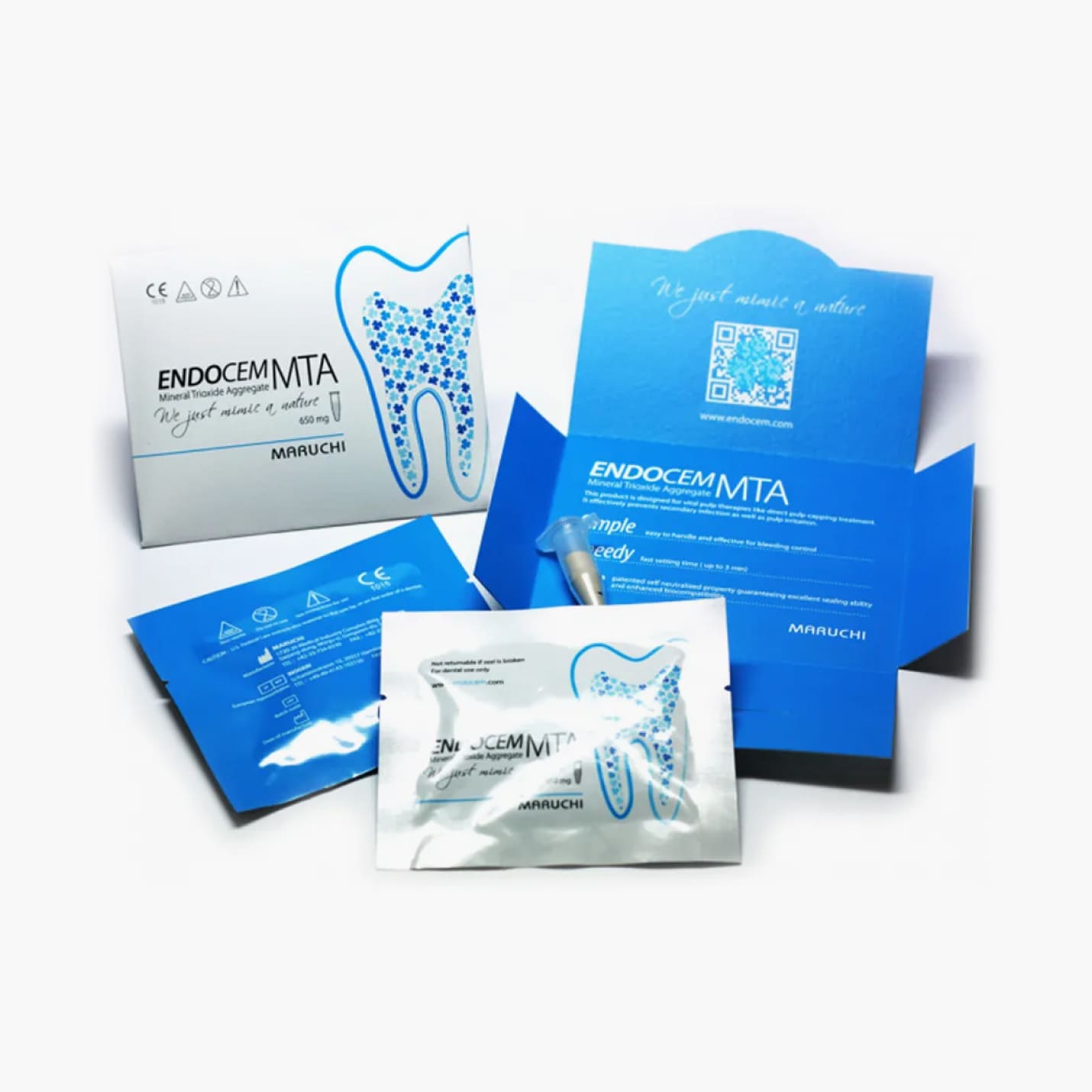
Endocem
Endocem is a calcium-silicate-based material that may be used in vital pulp therapy when the pulp is exposed but still considered healthy or capable of healing.
02
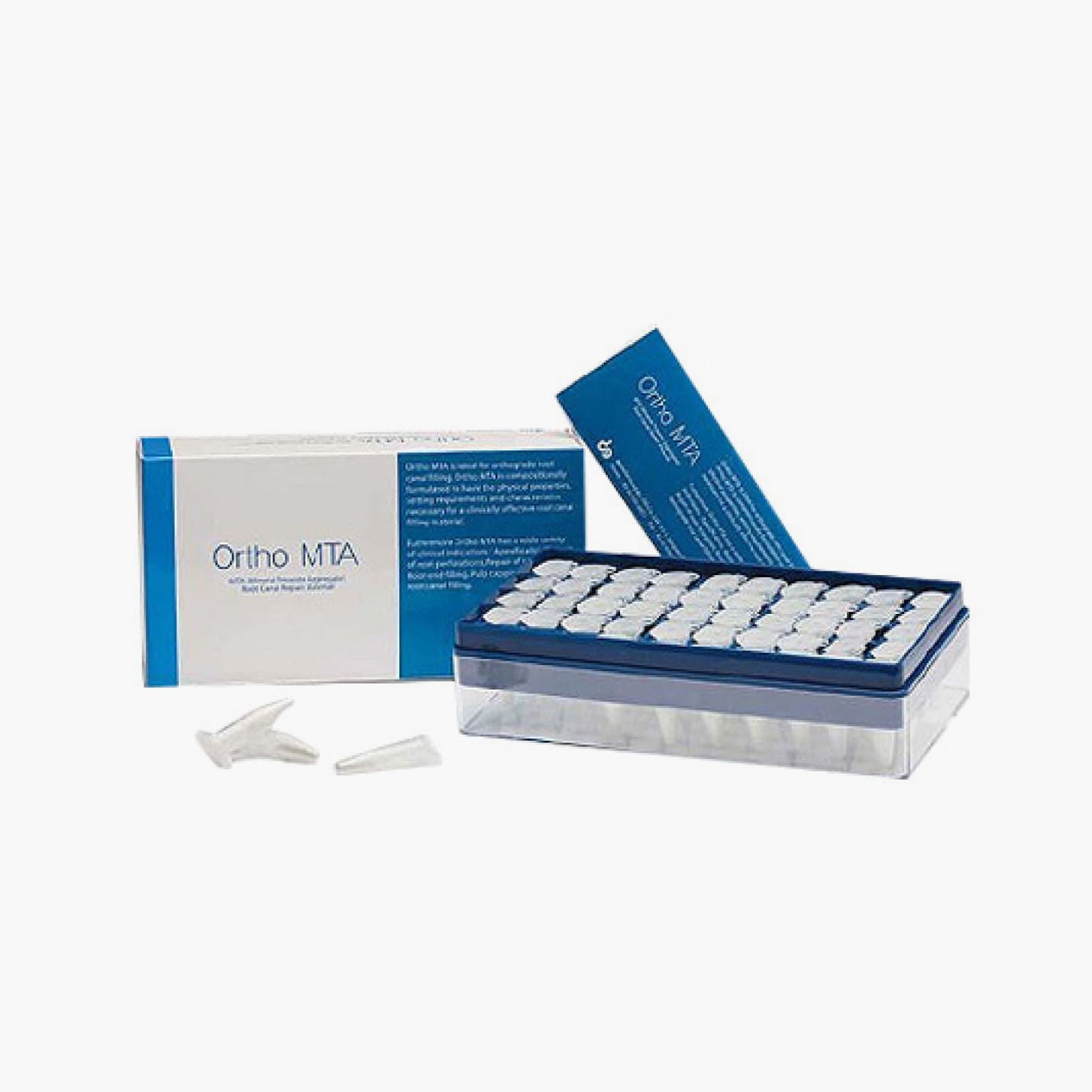
OrthoMTA
OrthoMTA is a bioceramic material used in endodontic treatment to help achieve effective sealing and support a biologically favorable environment within the root canal system.
MTA-Based Root Canal Treatment
Conventional Root Canal Filling
MTA / Bioceramic-Based Treatment
Category
Conventional Root Canal Filling
Bioceramic
Material
Gutta-Percha (Rubber)
Graft / Biocompatible Sealing
Procedure
Obturation / Filling
O
Root Regeneration
X
O
Antibacterial Effect
X
O
Pain Relief
X
2–3 Visits (Avg.)
Required Visits
4–5 Visits (Avg.)
Equipment for Tooth-Preserving Root Canal Treatment
01
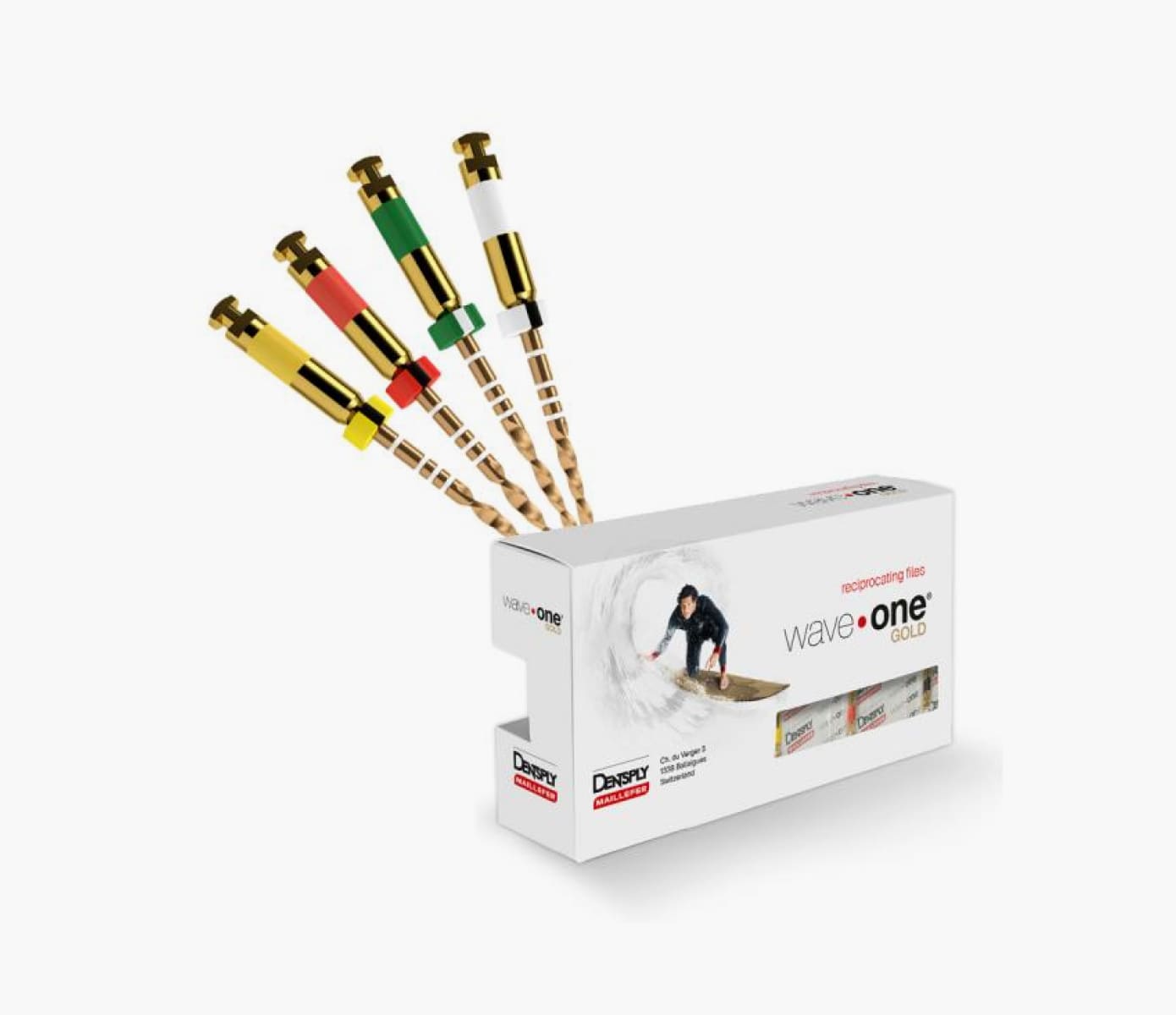
WaveOne Gold NiTi File
WaveOne Gold is a nickel-titanium rotary/reciprocating file system developed for efficient and controlled root canal preparation. Its flexibility and design help clinicians shape complex root canals while reducing unnecessary removal of tooth structure.
Benefit 01
Efficient Treatment
Benefit 02
Reduced Chair Time
Benefit 03
Effective Cleaning and Shaping
Benefit 04
Improved Procedural Consistency
02
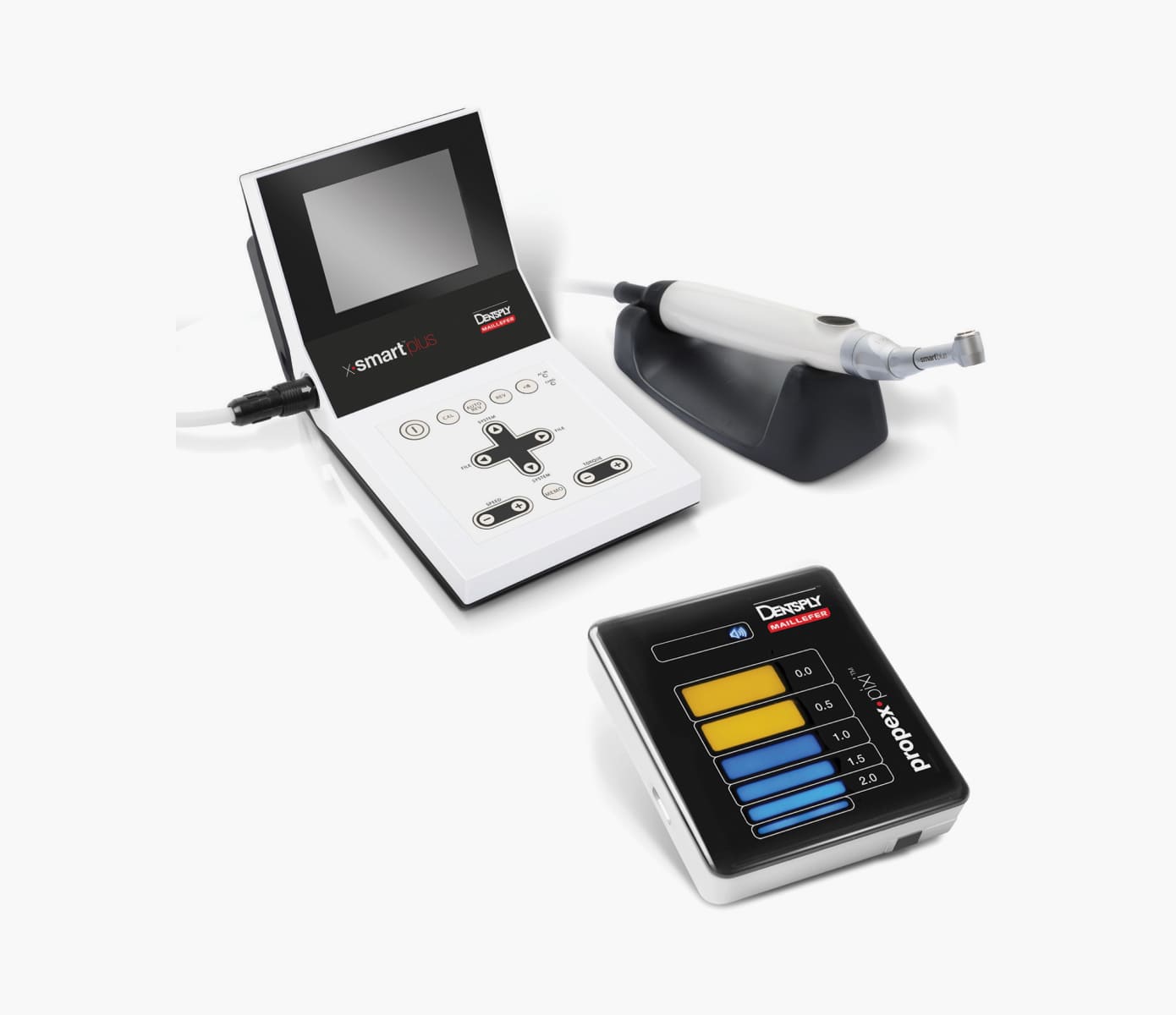
X-Smart Plus
X-Smart Plus is an endodontic motor designed for use with NiTi file systems such as WaveOne. It provides controlled speed, direction, and torque to support safe and efficient root canal preparation.
Frequently Asked Questions About Root Canal Treatment
I don’t have any pain. Do I really need root canal treatment?
Yes, in some cases. Pulp inflammation or infection can progress without obvious pain, particularly when the condition becomes chronic or the pulp has lost vitality.
The need for root canal treatment is determined by clinical examination, pulp testing, X-rays, and other diagnostic findings—not by pain alone. If the pulp can be preserved, conservative treatment should be considered, but delaying necessary root canal treatment can reduce the chance of saving the tooth.
Do I always need a crown after root canal treatment?
Not every tooth requires a full crown, but many posterior teeth benefit from cuspal coverage after root canal treatment because they often have significant structural loss and are exposed to strong chewing forces. Depending on the amount of remaining tooth structure, an overlay or crown may be recommended.
Anterior teeth may sometimes be restored more conservatively, depending on the extent of tooth loss, discoloration, and bite.
Is pain after root canal treatment normal?
Mild tenderness or discomfort during or after root canal treatment can occur because the tissues around the root tip may become temporarily irritated. In most cases, symptoms gradually improve over several days.
If pain is severe, swelling develops, or symptoms continue to worsen, the tooth should be re-evaluated.
Additional Root Canal Treatment FAQ
Q.
How much does root canal treatment cost?
A .
In Korea, root canal treatment is generally covered by National Health Insurance. The patient’s out-of-pocket cost varies according to the tooth, number of root canals, treatment complexity, and procedures performed.
Q.
How many visits are required for root canal treatment?
A .
Some straightforward cases may be completed in one visit, but many cases require approximately two to four visits. The number of appointments depends on the degree of inflammation, infection, anatomy of the root canals, and clinical response.
Q.
Why does root canal treatment sometimes require multiple visits?
A .
Root canal systems can be highly complex. In some cases, mechanical cleaning alone is not sufficient, so additional irrigation, disinfection, intracanal medication, and observation are required before the canals are permanently filled.
Q.
How long does each root canal appointment take?
A .
A typical appointment may take approximately 30–60 minutes, although treatment time can vary significantly depending on the tooth and complexity of the root canal anatomy.
Q.
How long does the overall root canal treatment take?
A .
Some cases can be completed in one day, while treatment requiring multiple appointments may take approximately one to several weeks.
Q.
Do I need anesthesia at every root canal appointment?
A .
Not necessarily. The need for local anesthesia depends on pulp vitality, the treatment stage, symptoms, and patient comfort. At The Square Dental Clinic, anesthesia may be used whenever necessary to keep treatment as comfortable as possible.
Q.
Can root canal treatment be performed under sedation?
A .
Yes, conscious sedation may be considered for patients with severe dental anxiety or those who have difficulty tolerating treatment. Because repeated sedation is not appropriate for every patient, the treatment schedule and amount of treatment performed in each session should be carefully planned.
Q.
What precautions should I take after root canal treatment?
A .
Until the tooth has been permanently restored, avoid chewing hard foods on the treated side because the tooth may be structurally weakened or temporarily sensitive.
Local anesthesia may last for several hours, so take care not to bite your lip, cheek, or tongue until sensation has fully returned. Follow all medication and postoperative instructions provided by your dentist.
Q.
What happens if root canal treatment fails?
A .
Failure does not automatically mean the tooth must be extracted. Depending on the cause, root canal retreatment, apicoectomy, or intentional replantation may still be considered before extraction.
If the tooth cannot be predictably preserved because of severe fracture, extensive periodontal damage, or persistent infection that cannot be treated, extraction and replacement options such as an implant may then be discussed.