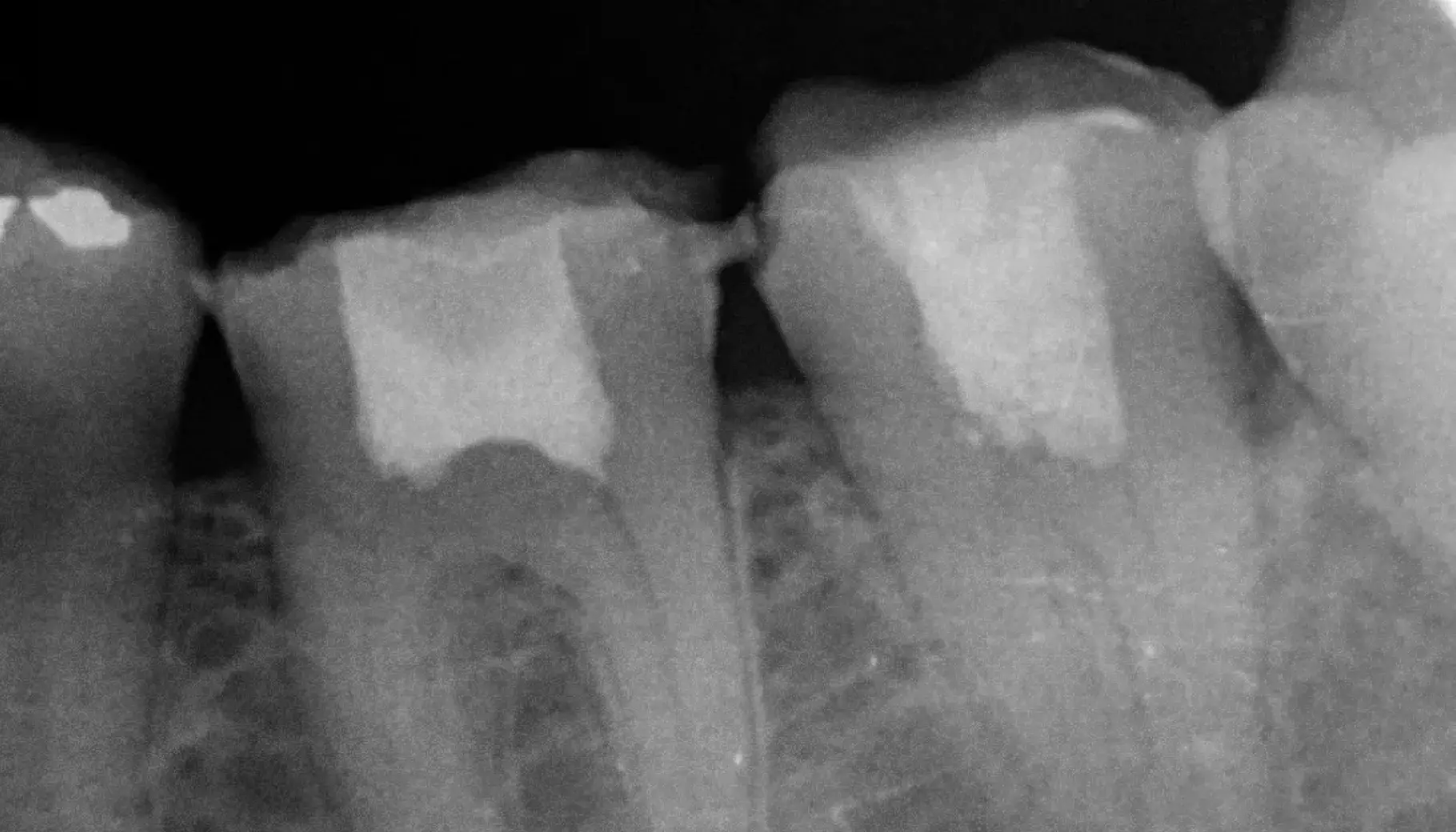
Vital Pulp Therapy (VPT) Is a Modern Tooth-Preserving Treatment Designed to Preserve as Much Healthy Pulp Tissue as Possible
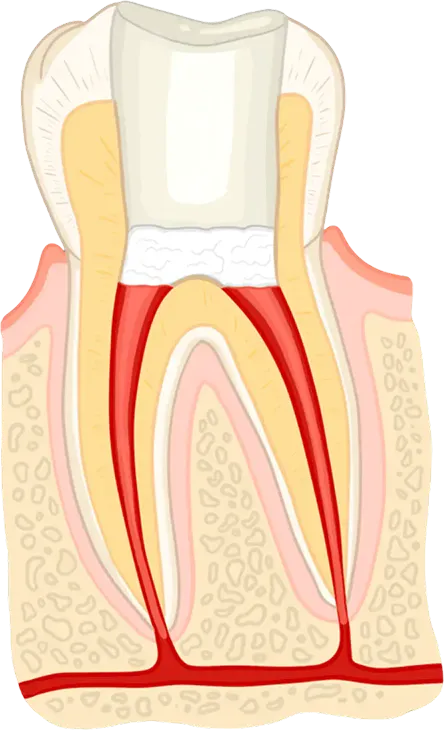
VPT Vital Pulp Therapy
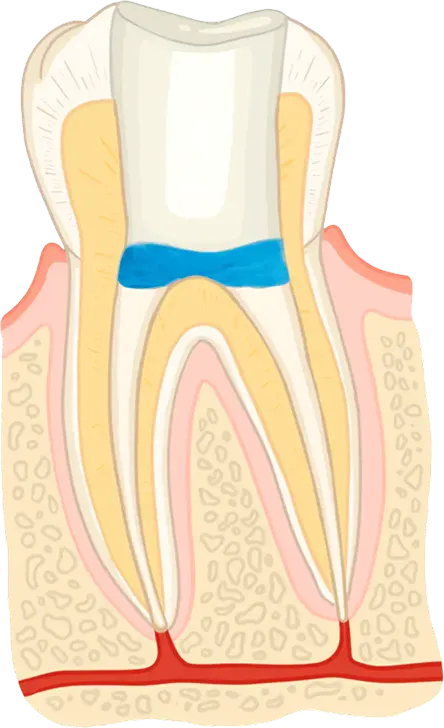
RCT Root Canal Treatment
What Are the Benefits of Vital Pulp Therapy (VPT)?
01Shorter Treatment Time VPT can often be completed in fewer visits than conventional root canal treatment.
02Less Treatment-Related Discomfort Because healthy pulp tissue is preserved whenever possible, treatment can be less invasive and may involve less postoperative discomfort.
03Lower Risk of Reinfection By preserving healthy pulp tissue and limiting treatment to the affected area, the tooth may be exposed to fewer procedural steps that can contribute to reinfection.
04Preserves Pulp Vitality and Sensation VPT aims to preserve the vitality and biological function of the remaining pulp tissue.
05Preserves More Tooth Structure Compared with full root canal treatment, VPT may allow more natural tooth structure to be preserved in appropriate cases.
Which Teeth Can Be Treated with VPT?
Inflammation or infection is limited to the coronal portion of the pulp
The pulp is still vital
There is no significant apical inflammation
What Is MTA (Mineral Trioxide Aggregate)?
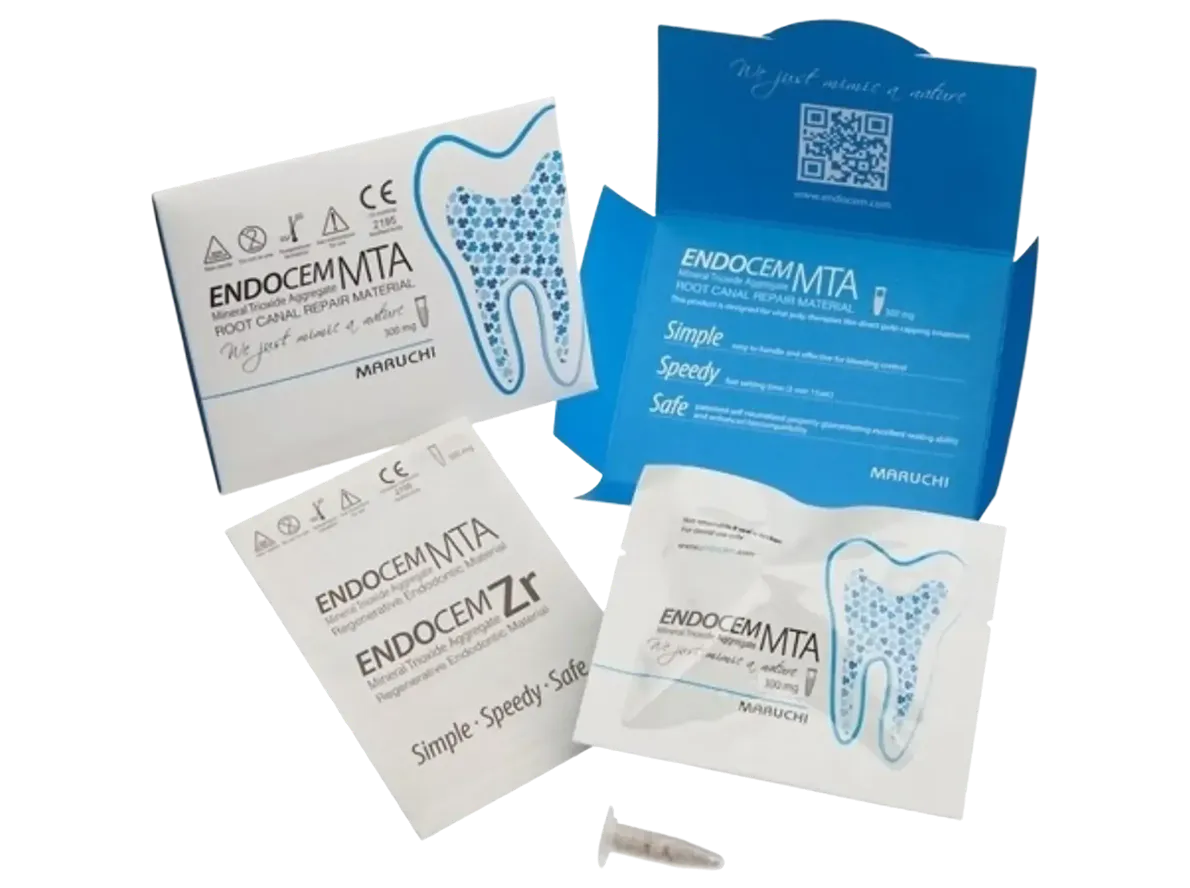
MTA is one of the key biomaterials used in Vital Pulp Therapy.
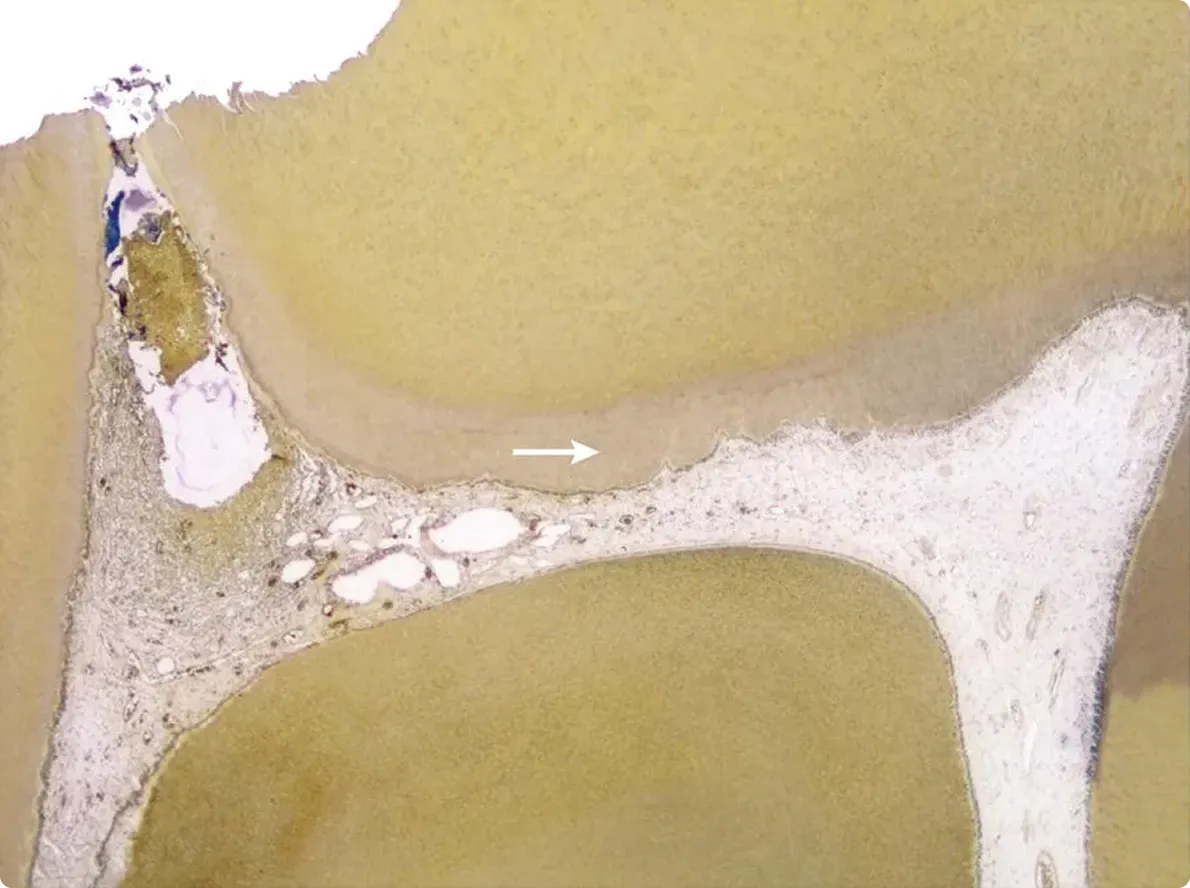
It is highly biocompatible and can be placed in contact with vital pulp tissue to help protect the pulp and promote the formation of a hard-tissue barrier.
Vital Pulp Therapy (VPT) FAQ
How much does Vital Pulp Therapy (VPT) cost?
In Korea, Vital Pulp Therapy may be covered under National Health Insurance in a similar way to root canal treatment, depending on the clinical procedure. Additional charges may apply for materials such as MTA. Please contact the clinic for a detailed estimate based on your case.
How long does VPT take?
VPT is generally completed in one or two visits. After the pulp-preserving treatment is finished, the tooth is re-evaluated and may require a protective restoration such as an overlay or crown.
Are there cases where VPT cannot be performed?
Yes. If inflammation or infection has extended beyond the pulp chamber and involves the root canal system, full root canal treatment may be necessary.
What is the success rate of VPT?
Recent studies have shown favorable outcomes for VPT in appropriately selected cases, with success rates that can be comparable to conventional root canal treatment. The prognosis depends heavily on diagnosis, case selection, infection control, and the quality of the final restoration.
What are the possible complications of VPT?
If inflammation or infection has already spread beyond the area that can be seen clinically, symptoms may persist or recur after treatment. In that case, full root canal treatment may become necessary.
Do I still need a crown after VPT?
Often, yes. Because VPT requires access through the central part of the tooth, the remaining tooth structure may need reinforcement. Depending on the amount of remaining tooth structure and the location of the tooth, a Mini Crown (overlay) or a conventional crown may be recommended to protect the tooth and reduce the risk of reinfection or fracture.