Consultation
Appointment
Appointment icon
Directions
Directions icon
Before & After
Before & After icon
HomeConservativeWhite EstheticComposit Resin Build-up
Composit Resin Build-up
ConservativeDentistry
icon
화살표 아이콘
Conservative
Dentistry

Composite Resin Build-Up Is a Minimally Invasive Restorative Treatment Designed to Recreate the Natural Color and Shape of Teeth While Preserving Healthy Tooth Structure

Recreating the Natural Anatomy of Teeth

Dentin, which forms the inner structure of the tooth, and enamel, which forms the outer layer, differ in their physical properties, structure, translucency, and color. To reproduce the appearance of a natural tooth, different composite resins are selected and layered according to these characteristics.
Recreating the Natural Anatomy of Teeth

Composite resin build-up is not suitable for every case. For teeth with extensive structural damage,
an indirect restoration such as an inlay, overlay, or crown may be recommended.

Benefits of Composite Resin Build-Up

  • Minimally Invasive Before 2024. 06. 14
    01

    Minimally Invasive

    Because composite resin can be shaped directly inside the mouth, healthy tooth structure can be preserved as much as possible while restoring function and appearance.

  • Same-Day Treatment After 2024. 06. 14
    02

    Same-Day Treatment

    In most suitable cases, the entire restoration can be completed in a single visit without a separate laboratory fabrication process.

Composite Resin Build-Up Process정

01Rubber Dam Isolation

Rubber Dam Isolation

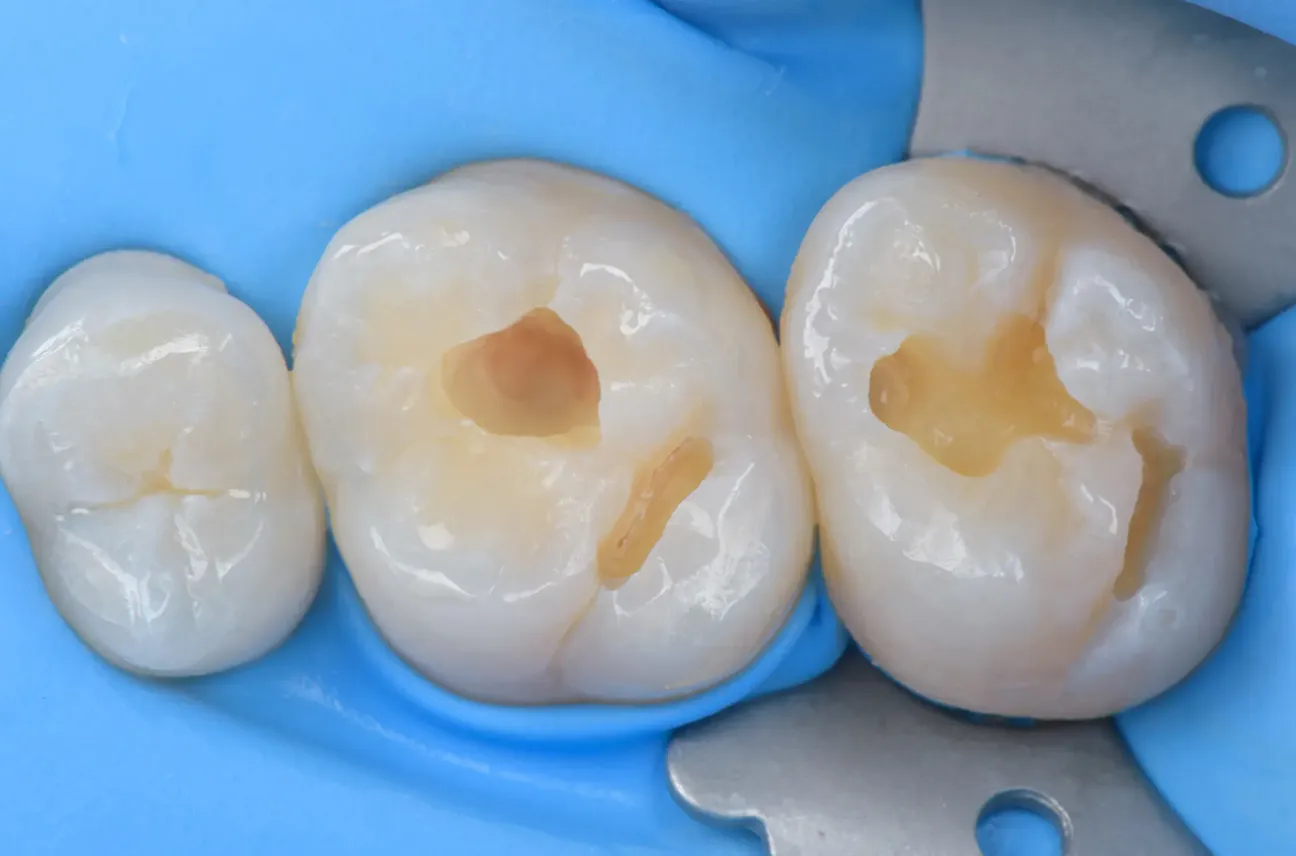
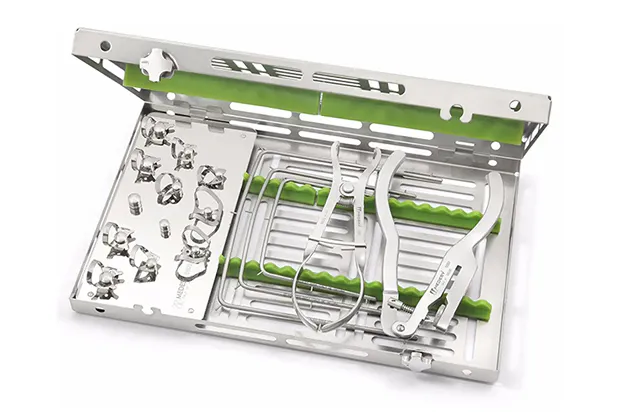
A rubber dam isolates the treatment area from saliva and moisture, helping prevent contamination and create optimal conditions for reliable bonding. Even small amounts of moisture can compromise the adhesive procedure.

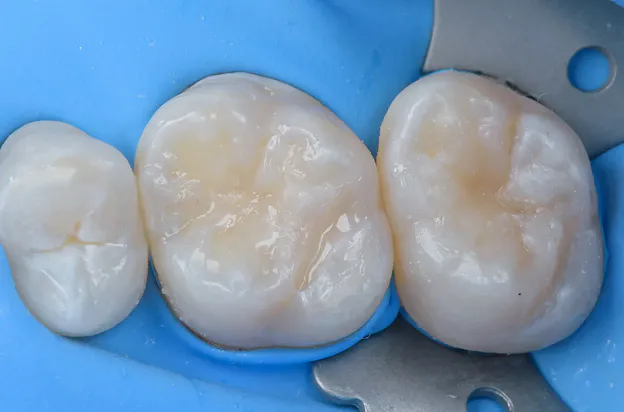
Rubber Dam Isolation

A dedicated rubber dam system is used to maintain a clean, controlled working field throughout the adhesive procedure.

02Etching

Etching

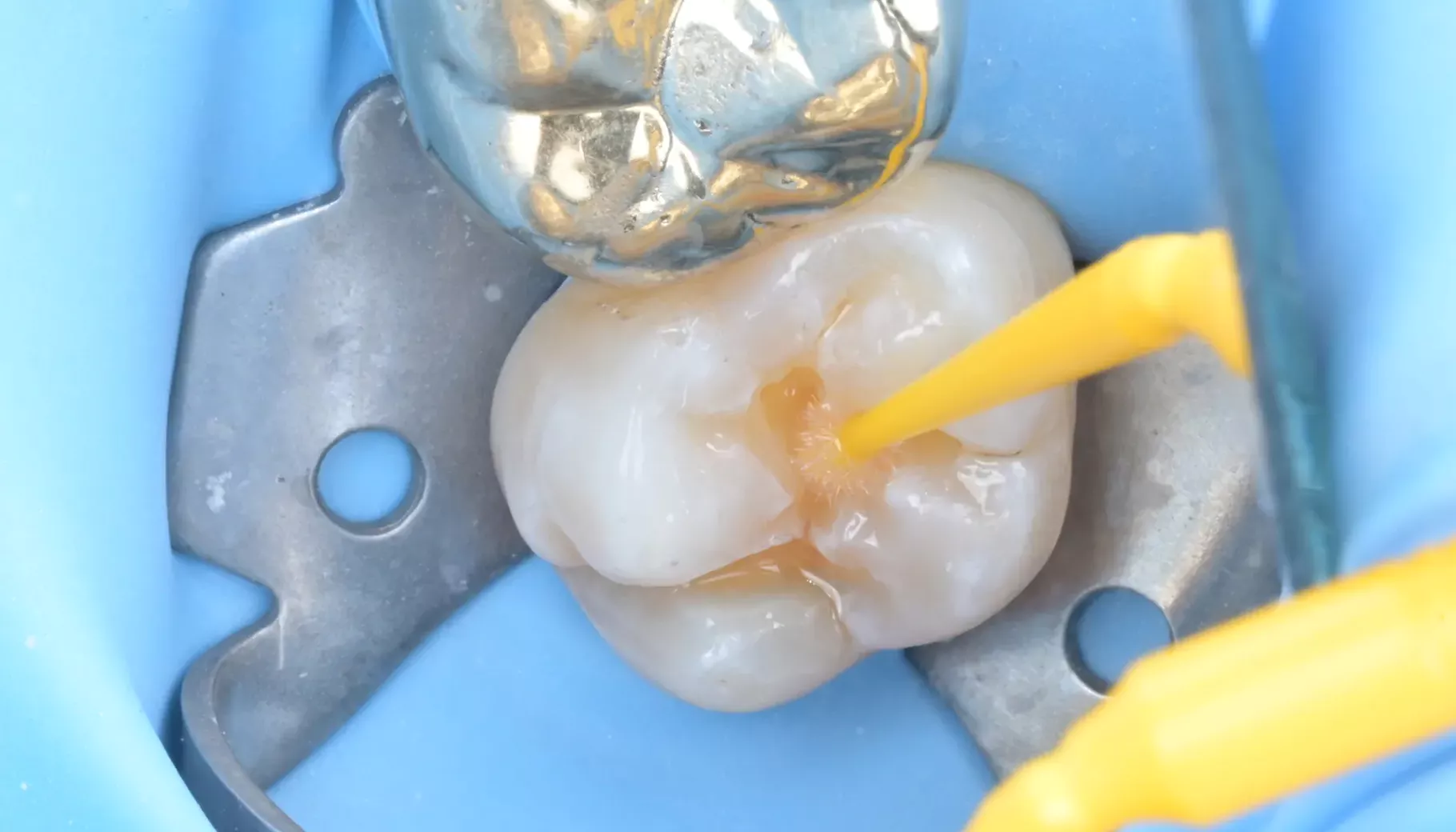
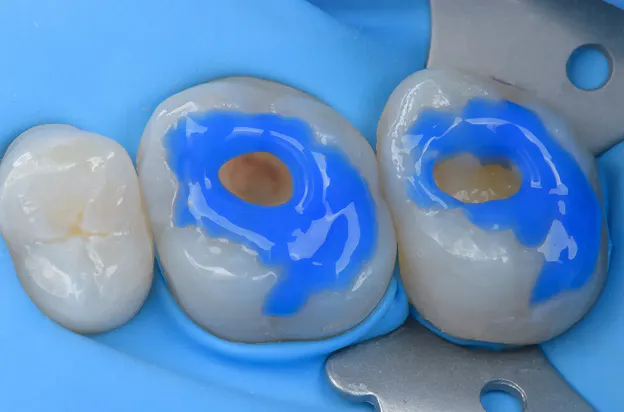
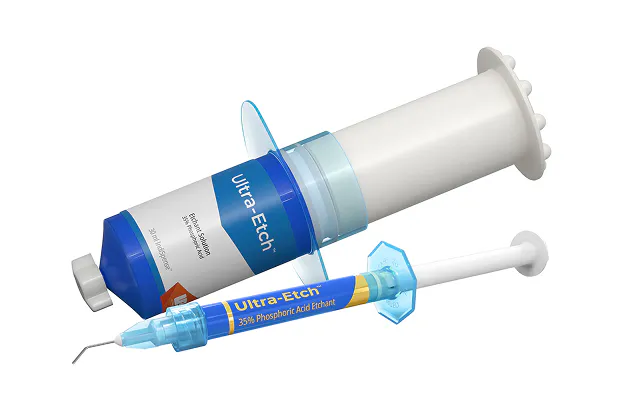
Etching is an important first step in creating a strong adhesive bond. The enamel surface is carefully conditioned to prepare it for bonding.

Etching

When indicated, selective enamel etching is performed to condition the enamel while minimizing unnecessary exposure of the dentin.

03Bonding

Bonding

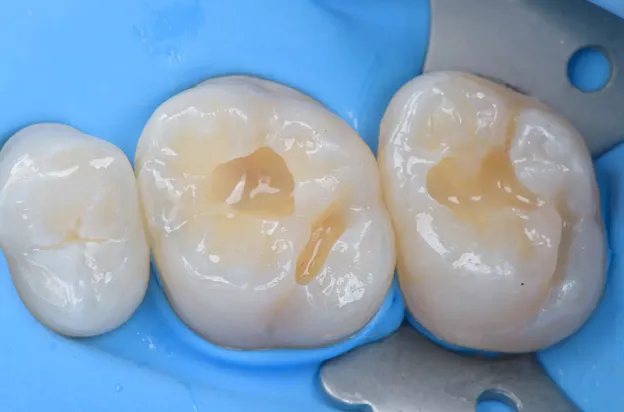
The quality of the adhesive interface plays an important role in the longevity of a composite restoration. Because bonding is highly technique-sensitive, each step must be performed carefully according to a strict clinical protocol.

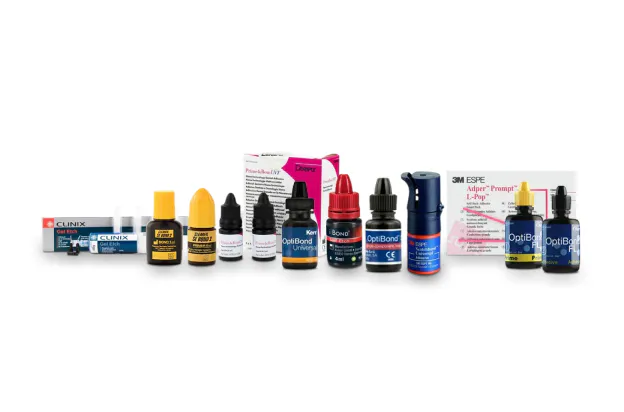
Bonding

Different adhesive systems may be selected according to the clinical situation and bonding protocol.

04Composite Resin Build-Up

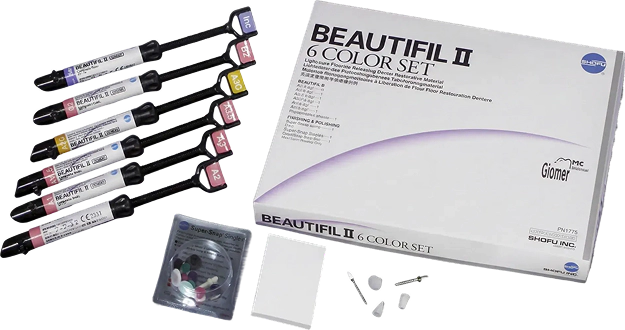
Composite Resin Build-Up

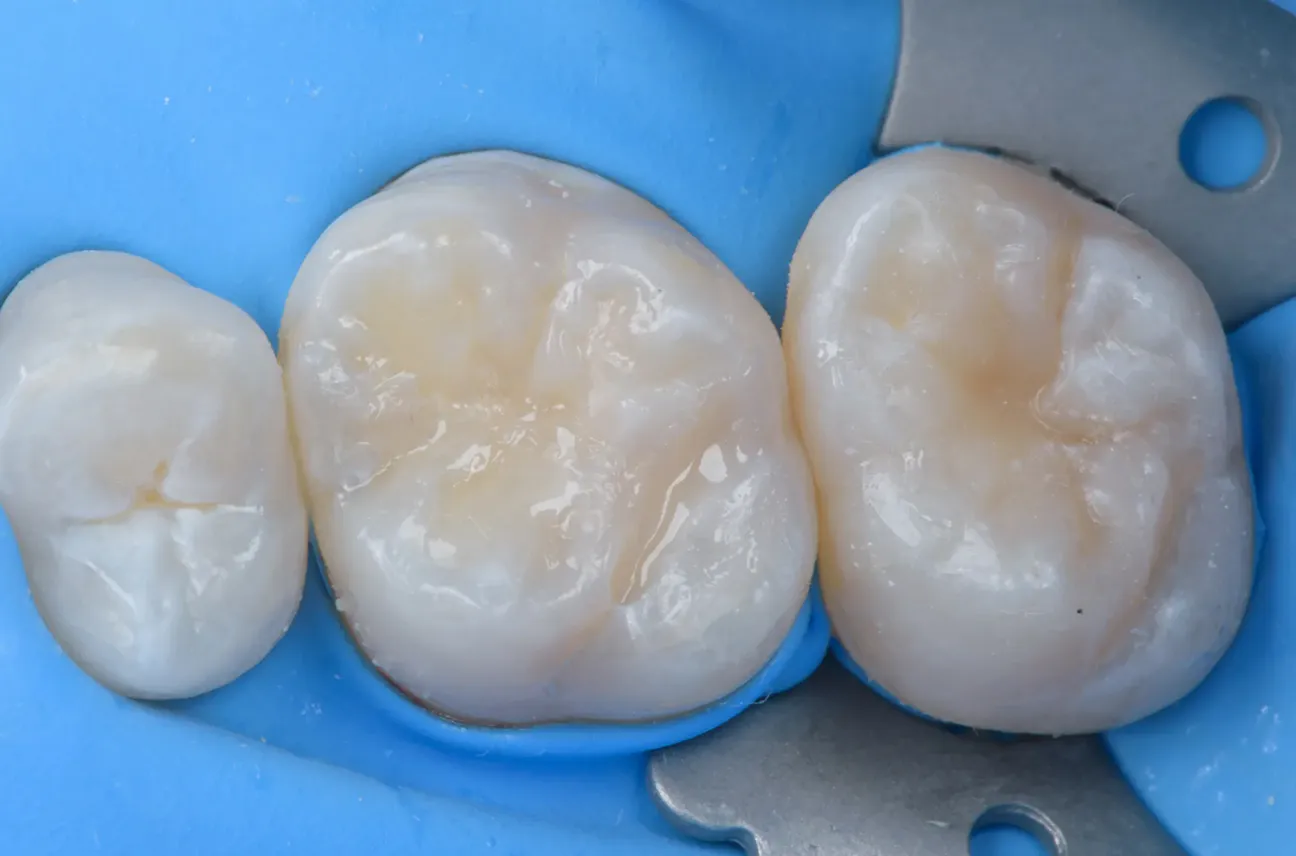
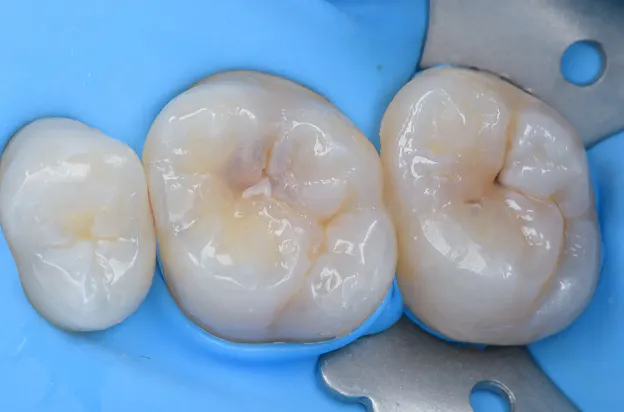
Composite resin is carefully layered, shaped, and finished to recreate the tooth’s natural anatomy, function, and appearance. This step requires precise control of tooth shape, contact points, bite, color, and surface texture.

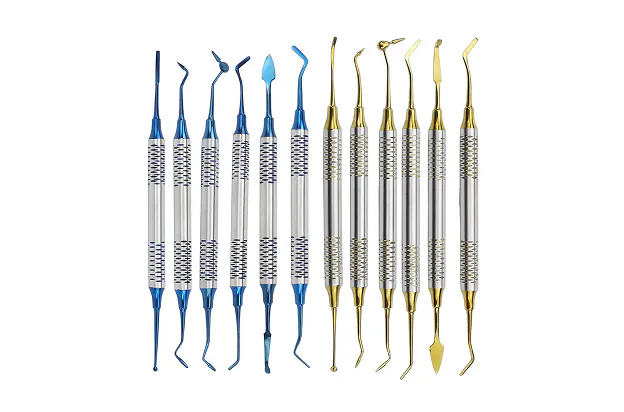
Composite Resin Build-Up

Specialized resin instruments and applicators are used for precise layering and contouring.

Composite Resin Build-Up FAQ

    • Composite resin build-up may be suitable when the damaged area is relatively localized, the tooth is not exposed to excessive biting forces, and the treatment area can be properly accessed and isolated.
      For more extensive damage or areas exposed to heavy biting forces, an indirect restoration may provide a more predictable option.

    • The cost varies depending on the tooth, extent of damage, treatment area, and complexity of the restoration. Please refer to our official fee schedule or contact us for a detailed estimate based on your individual case.

    • One of the main advantages of direct composite resin treatment is that it can generally be completed in a single visit.

    • Treatment time varies depending on the complexity of the case. In general, approximately 30–60 minutes may be required per tooth. More complex aesthetic or anatomical restorations may take longer.

    • Temporary sensitivity to cold or temperature changes may occur after tooth preparation and adhesive treatment. In many cases, it gradually improves over several days to a few weeks.
      If sensitivity persists, becomes more severe, or pain remains when biting, a follow-up examination is recommended.

    • There is no single fixed lifespan. Longevity varies depending on the condition of the original tooth, size and location of the restoration, biting forces, oral habits, diet, oral hygiene, and regular dental maintenance.

    • One advantage of composite resin is that it can often be repaired or replaced conservatively if a problem develops.
      If another direct composite restoration is no longer appropriate, posterior teeth may require an inlay or Mini Crown (overlay), while anterior teeth may be treated with an appropriate veneer restoration such as Veneer³, depending on the clinical condition.