Consultation
Appointment
Appointment icon
Directions
Directions icon
Before & After
Before & After icon
HomeConservativeWhite EstheticInlay
Inlay
Inlay
ConservativeDentistry
icon
화살표 아이콘
Conservative
Dentistry

Inlays Are Conservative Indirect Restorations Used to Restore the Function of Posterior Teeth with Ceramic-Based Materials

What Is an Inlay?

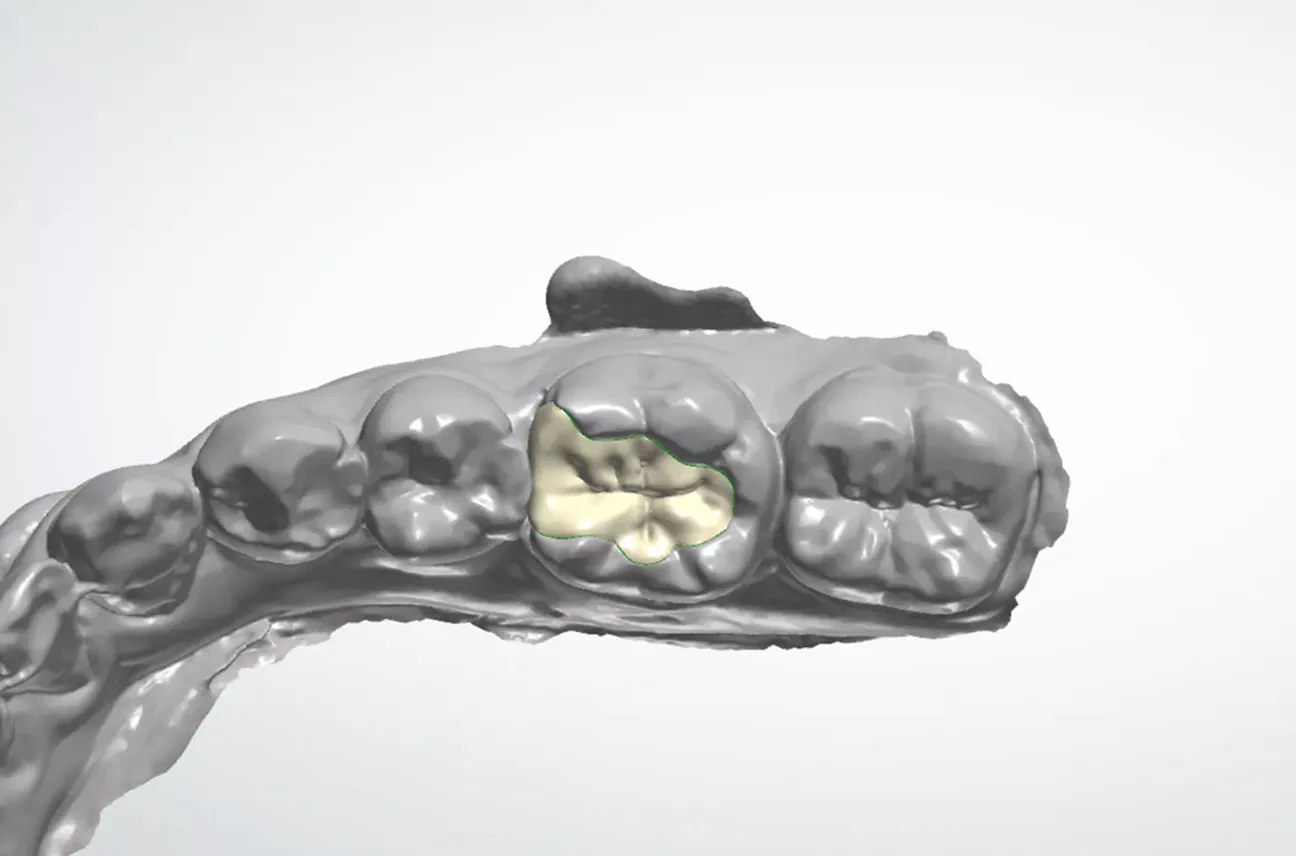
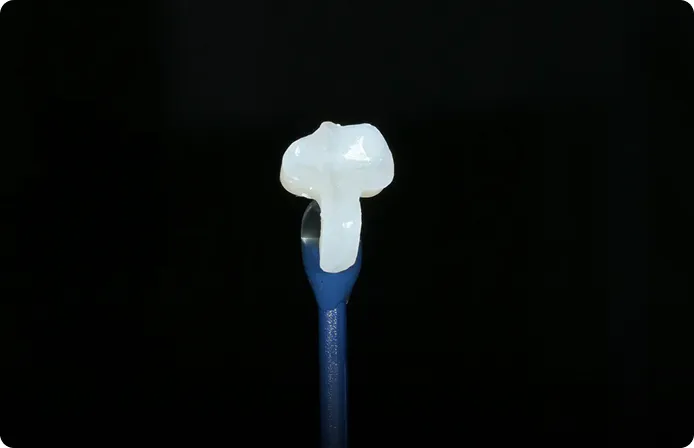
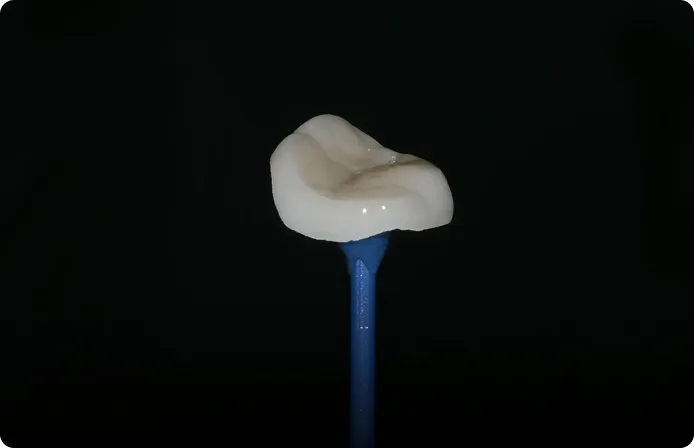
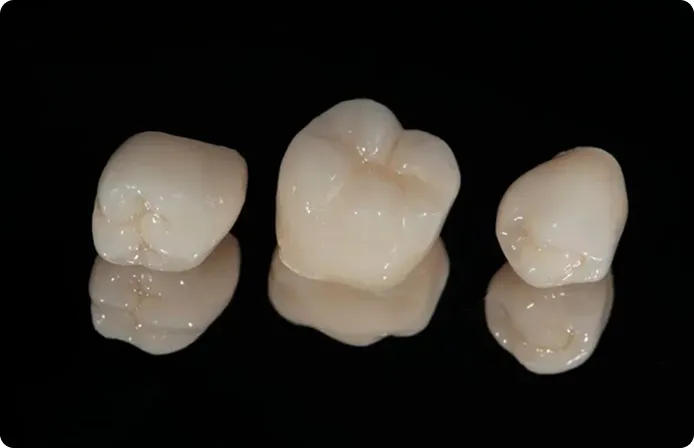
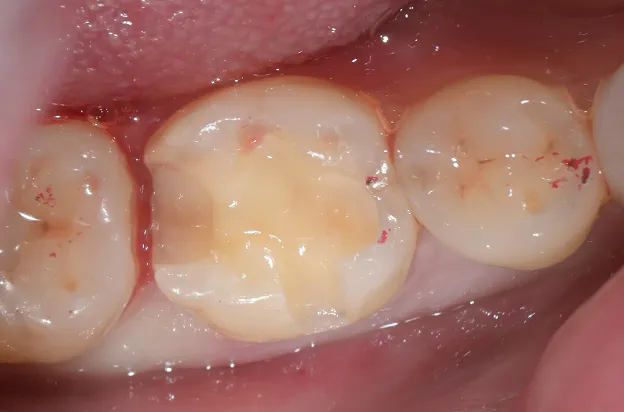
  • An inlay is a partial indirect restoration commonly used for premolars and molars that are exposed to significant biting forces

    An inlay is a partial indirect restoration commonly used for premolars and molars that are exposed to significant biting forces.

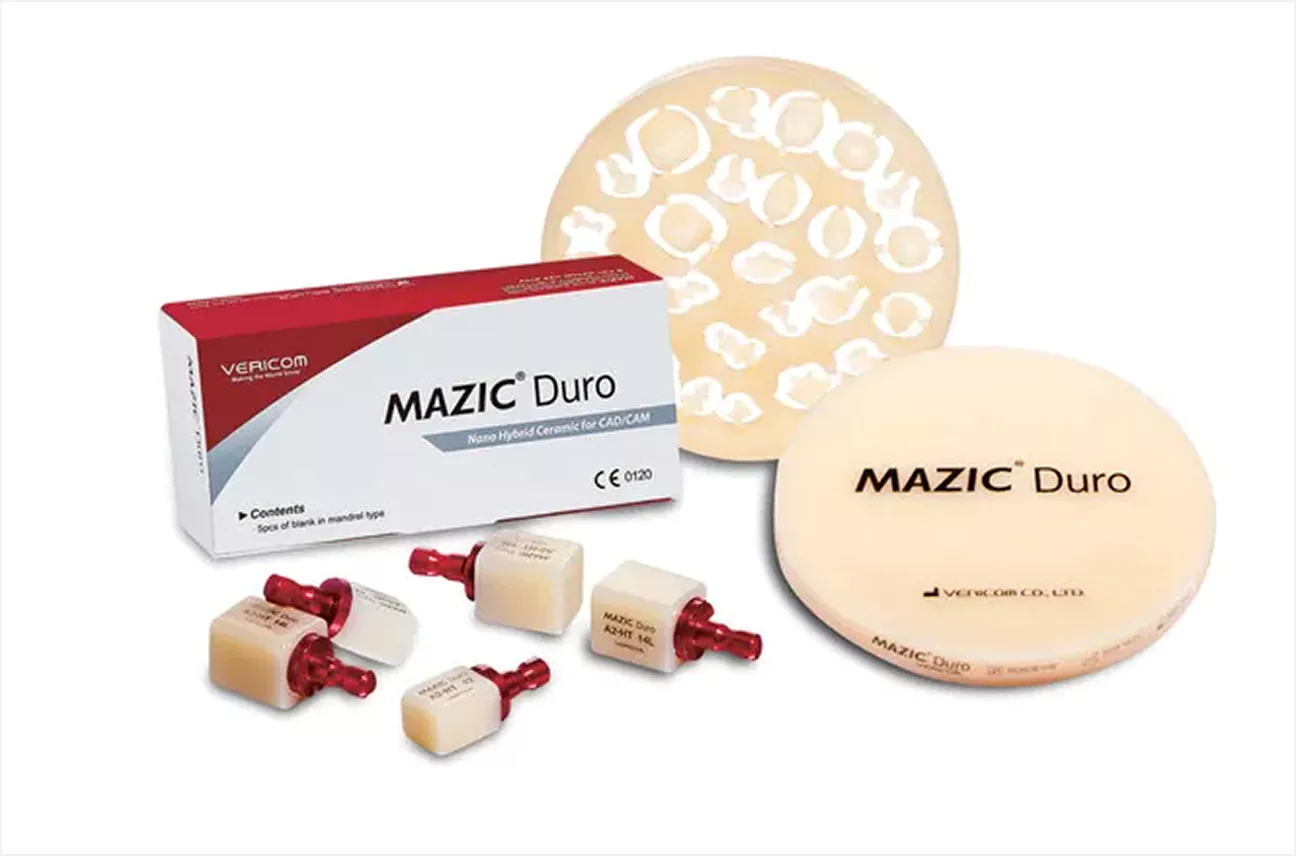
  • Ceramic-based restorative materials are commonly used, with material properties selected according to factors such as the elasticity of the remaining tooth structure and the patient’s bite force

    Ceramic-based restorative materials are commonly used, with material properties selected according to factors such as the elasticity of the remaining tooth structure and the patient’s bite force.

Inlay vs. Mini Crown (Overlay) vs. Crown

  • Category

    Inlay

    Mini Crown (Overlay)

    Crown

  • Extent of Damage

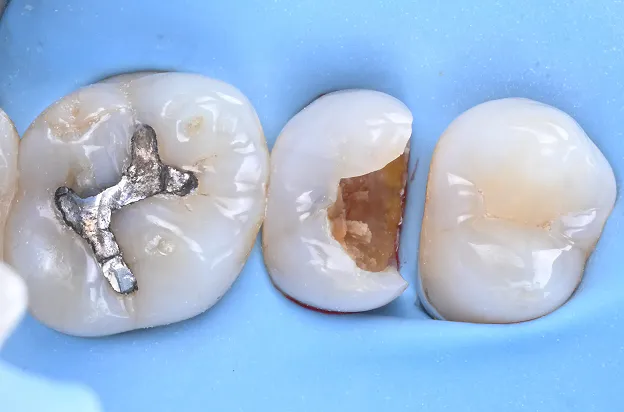
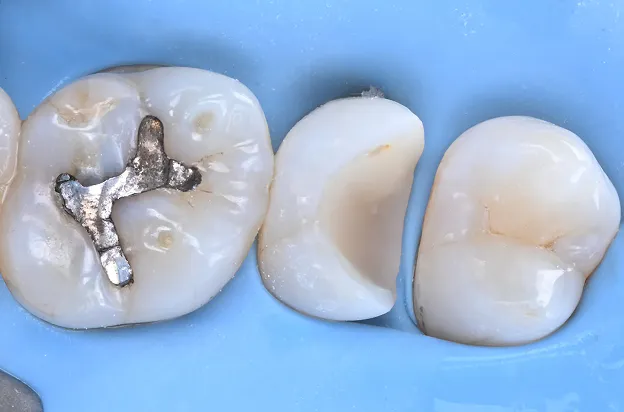
    Partial damage involving one or two tooth surfaces

    Extensive damage involving most of the chewing surface

    Extensive damage involving most of the tooth

  • Design

    Inlay

    Mini Crown

    Crown

Advanced Techniques for Long-Lasting Inlays

We incorporate advanced adhesive and composite resin techniques to preserve natural tooth structure while creating durable, functional restorations.

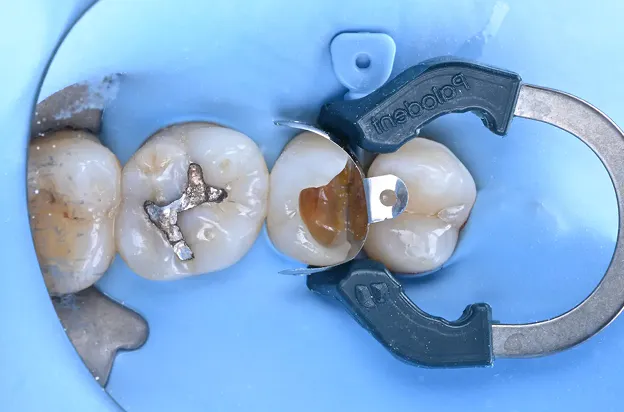
01Resin Core Build-Up

Resin Core Build-Up
Resin Core Build-Up

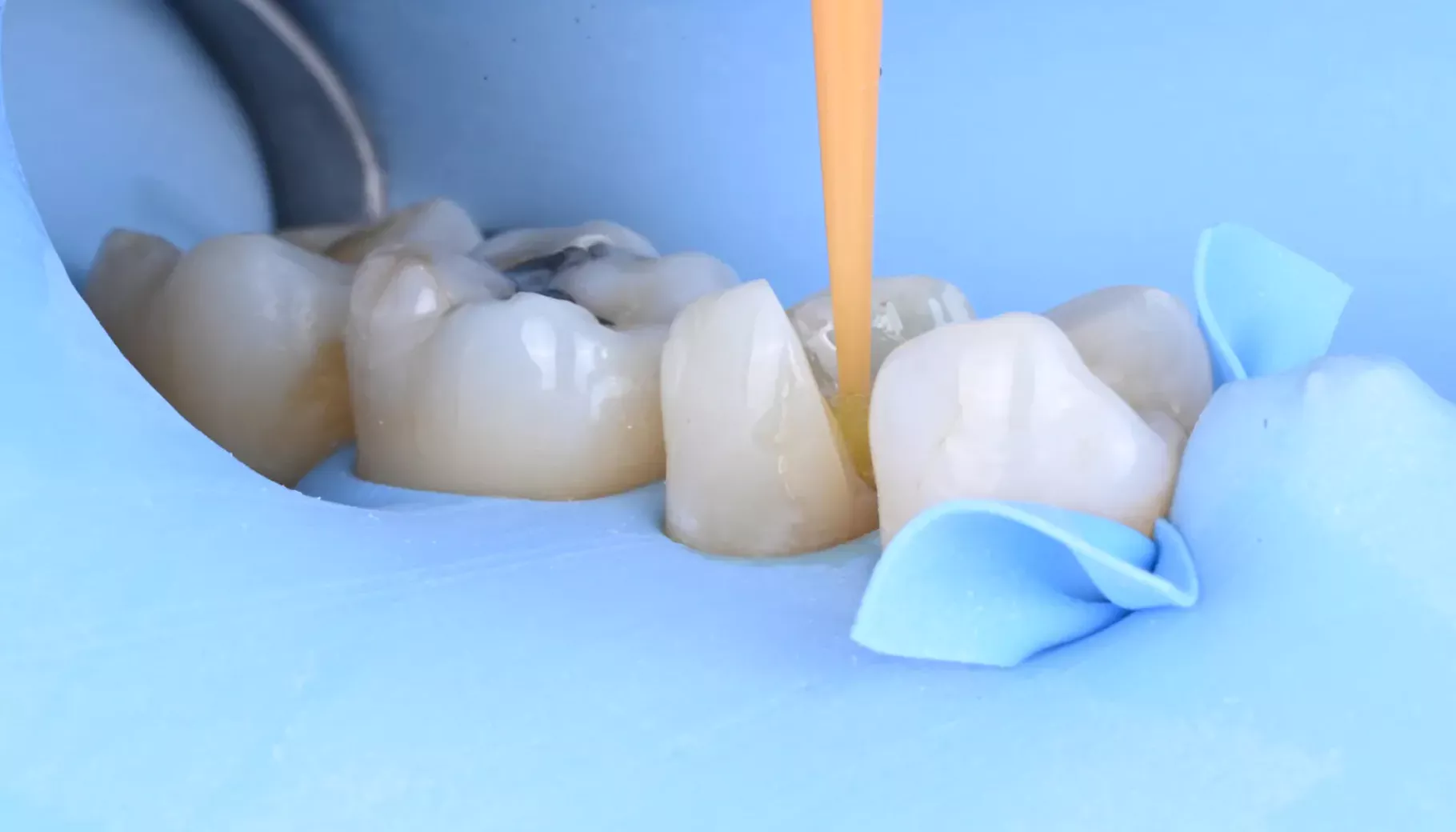
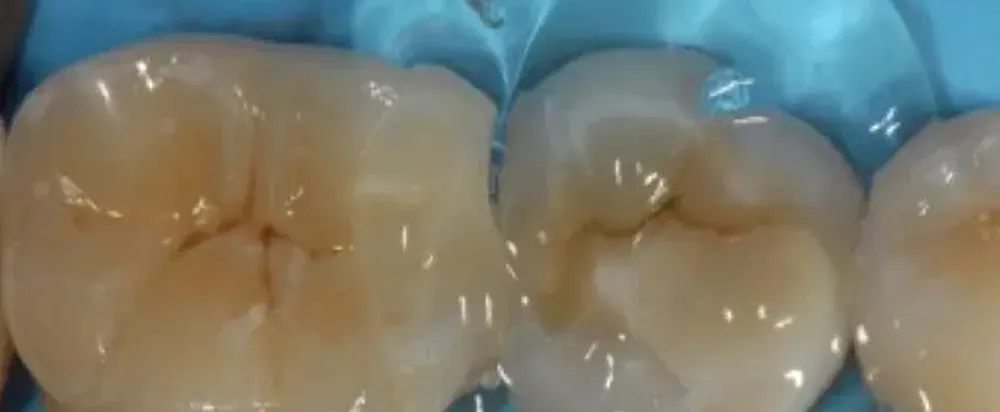
Deep or damaged areas of the tooth are rebuilt with composite resin selected to mimic the properties of dentin.

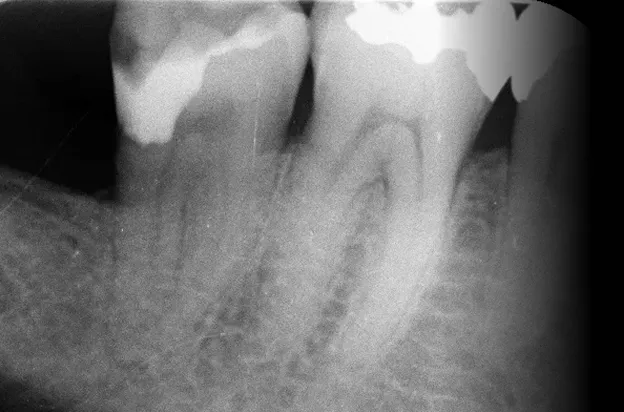
02Deep Margin Elevation (DME)

Deep Margin Elevation (DME)

When the restorative margin extends too deeply below the gumline, Deep Margin Elevation uses composite resin to relocate the margin to a more accessible position, helping create more favorable conditions for isolation, bonding, and restoration placement.

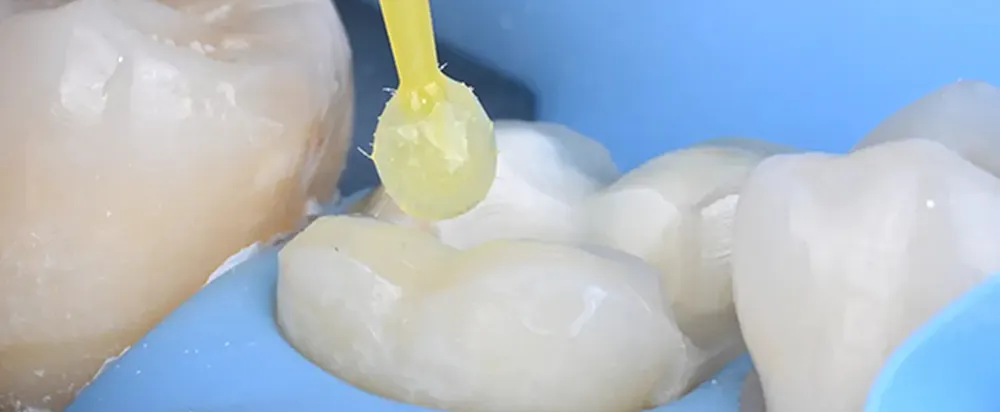
03Immediate Dentin Sealing (IDS)

Immediate Dentin Sealing (IDS)

Immediately after tooth preparation, freshly exposed dentin is sealed with an adhesive system. This technique helps protect the dentin and can improve the bonding performance of the final indirect restoration.

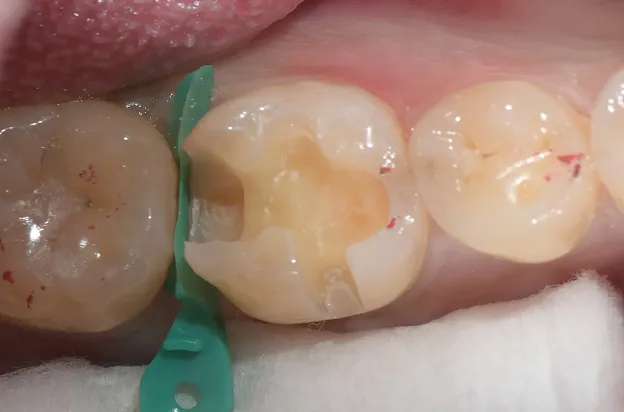
04Resin Coating

Resin Coating
Resin Coating

A resin coating is applied to the prepared tooth to protect the underlying dentin, optimize the bonding surface, and help reduce postoperative sensitivity.

05Oxygen-Inhibited Layer (OIL) Management

Oxygen-Inhibited Layer (OIL) Management

The oxygen-inhibited layer is carefully managed to ensure complete polymerization of the resin-coated surface and minimize contamination before the next restorative step.

Inlay FAQ

    • The cost of an inlay varies depending on the tooth, extent of damage, material, and complexity of treatment. Please refer to our official fee schedule or contact us for a detailed estimate based on your individual case.

    • At The Square Dental Clinic, we do not use a single material for every case. The restorative material is selected according to factors such as the location of the tooth, remaining tooth structure, bite force, and required balance between strength and flexibility.

    • When properly designed and bonded in an appropriate case, an inlay can provide reliable strength and durability. However, if repeated fractures or debonding occur, a Mini Crown (overlay) or full crown may provide more appropriate coverage and protection.

    • There is no single fixed lifespan. Longevity varies depending on the condition of the original tooth, restoration size, bite force, oral habits, diet, oral hygiene, and regular dental maintenance.

    • Treatment time varies depending on the complexity of the case. In general, approximately 30–60 minutes per tooth may be required for preparation and related procedures.

    • Inlays generally require approximately 5–7 days for fabrication, although the exact schedule may vary depending on the case and laboratory workflow.

    • Depending on the condition of the remaining tooth, retreatment with another inlay may be possible. If there is insufficient tooth structure for another inlay, a Mini Crown (overlay) or full crown may be recommended.

    • Composite resin can be used for many types of restorations, but whether it is the best option depends on the size and location of the defect, remaining tooth structure, moisture control, and biting forces.
      For larger restorations in premolars and molars that receive significant biting forces, an indirect restoration such as an inlay may provide better wear resistance and long-term stability in selected cases.

    • Temporary sensitivity to cold or temperature changes can occur after tooth preparation and adhesive treatment. In many cases, this gradually improves over several days to a few weeks.
      If sensitivity persists, becomes more severe, or pain remains when biting, a follow-up examination is recommended.

    • Coverage depends on the restorative material, treatment type, and current Korean National Health Insurance criteria. Many ceramic and other indirect inlay restorations are provided as non-covered treatment. Private dental insurance may provide benefits depending on the individual policy.