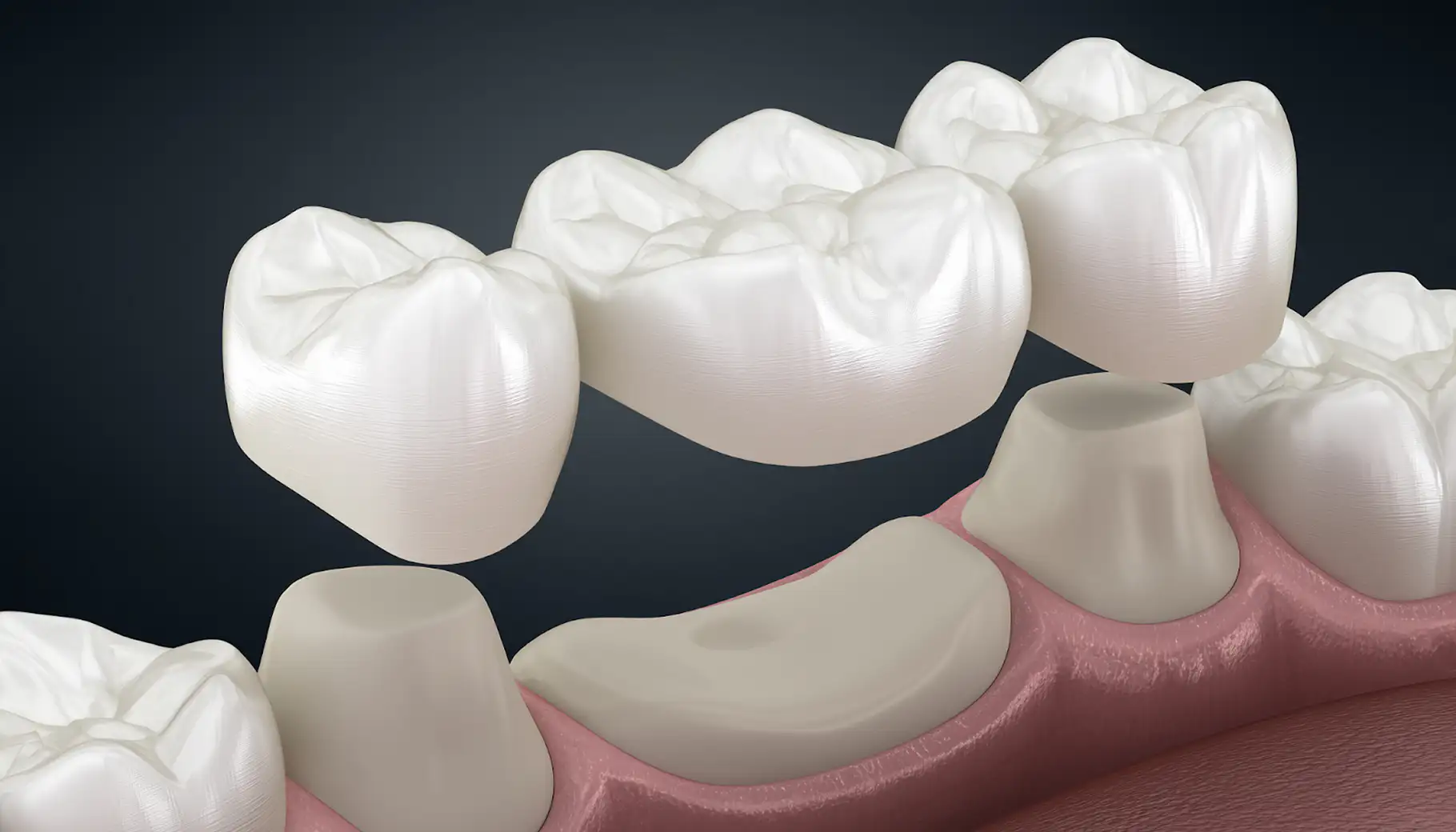
After removing decay and damaged tooth structure, the tooth is rebuilt with a resin core to restore its shape and provide a stable foundation for the crown.
02
Crown Preparation
The tooth is carefully prepared to create sufficient space and an appropriate shape for the crown.
03
Digital Scan
The prepared tooth and surrounding teeth are digitally scanned to capture precise information for crown design and fabrication.
04
Crown Delivery
The completed crown is tried in to evaluate its fit, bite, shape, and appearance before being securely bonded or cemented to the tooth.
※ Same-day crown treatment may be possible in selected cases. However, the process from tooth preparation to final crown placement generally takes approximately one week.
When Is a Crown Recommended?
01
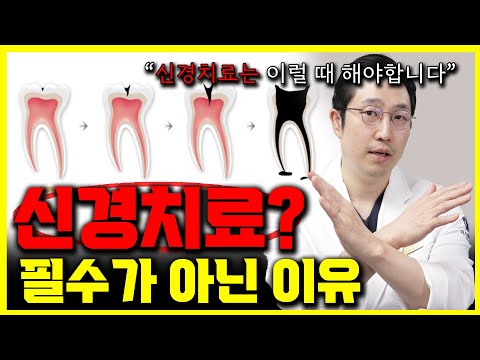
A Tooth That Has Undergone Root Canal Treatment
02
A Tooth with Extensive Decay Affecting Multiple Surfaces
03
A Tooth with Extensive Cracks or Fractures
Types of Crown Materials
01
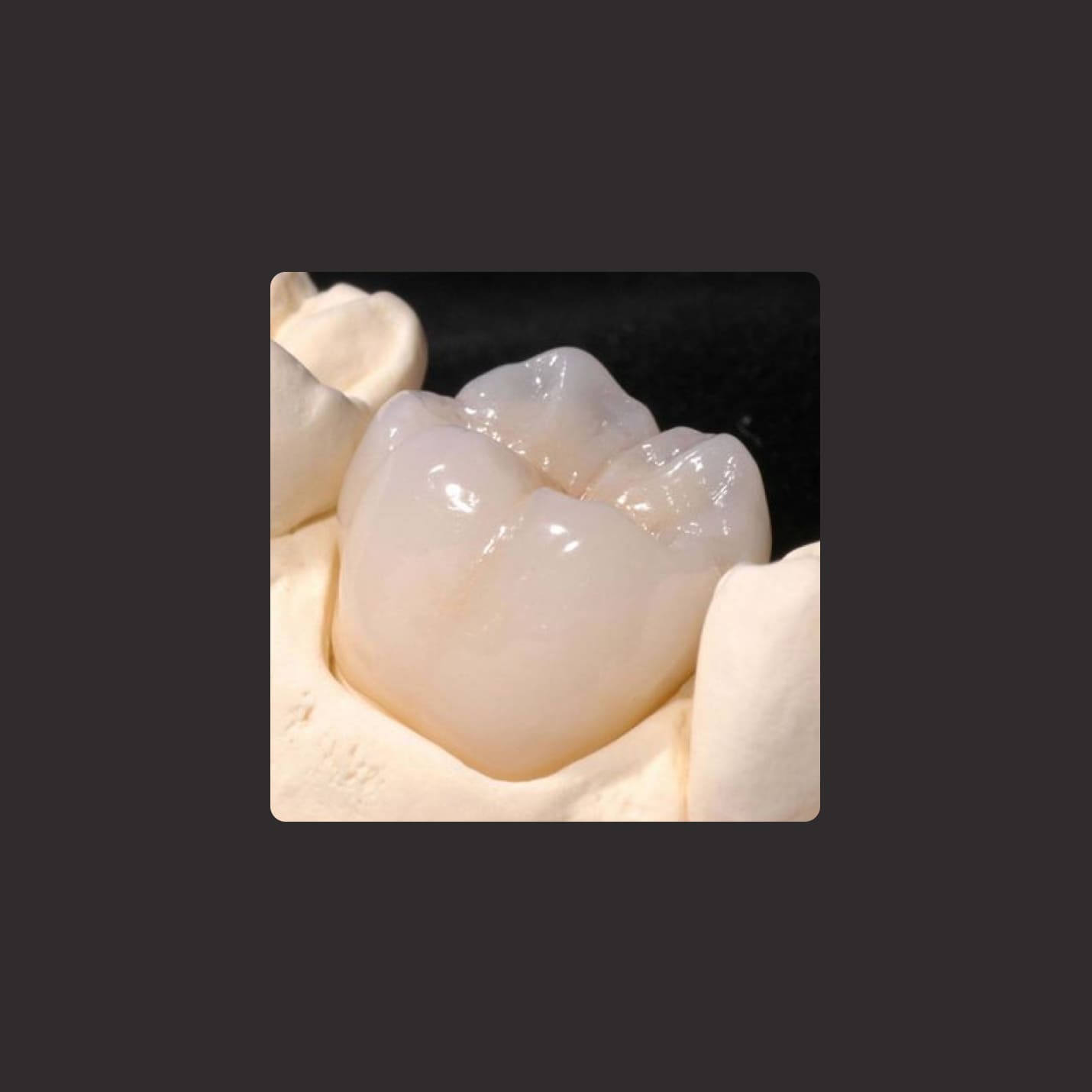
Zirconia
Zirconia is a high-strength ceramic material that has become one of the most widely used materials for dental crowns. It offers an excellent balance of strength, aesthetics, biocompatibility, and low thermal conductivity, while continuing to evolve with advances in dental materials.
02
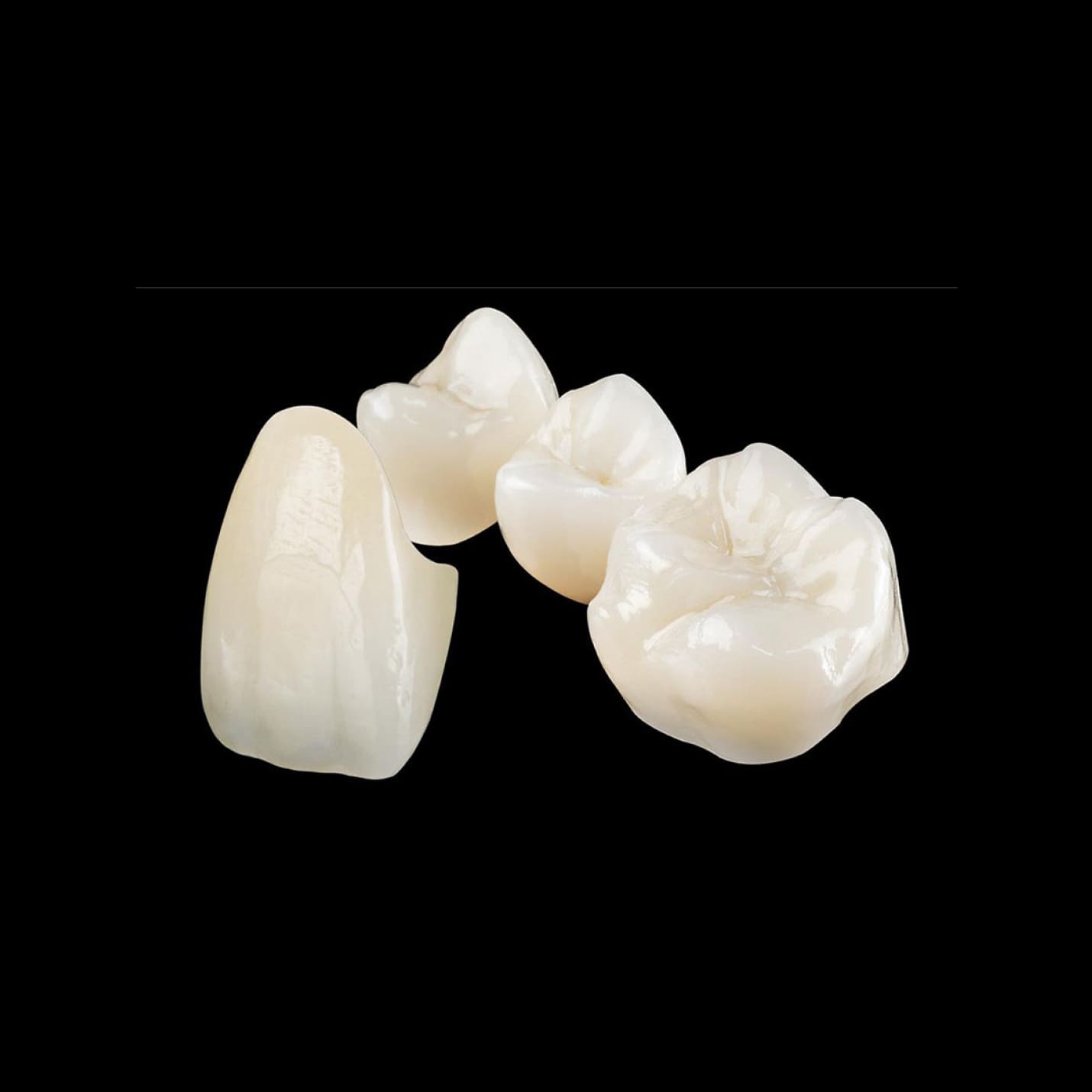
All-Ceramic
All-ceramic crowns offer excellent translucency and aesthetics and have traditionally been used for anterior teeth where appearance is especially important. The choice between all-ceramic and zirconia restorations depends on the clinical situation and aesthetic requirements.
03
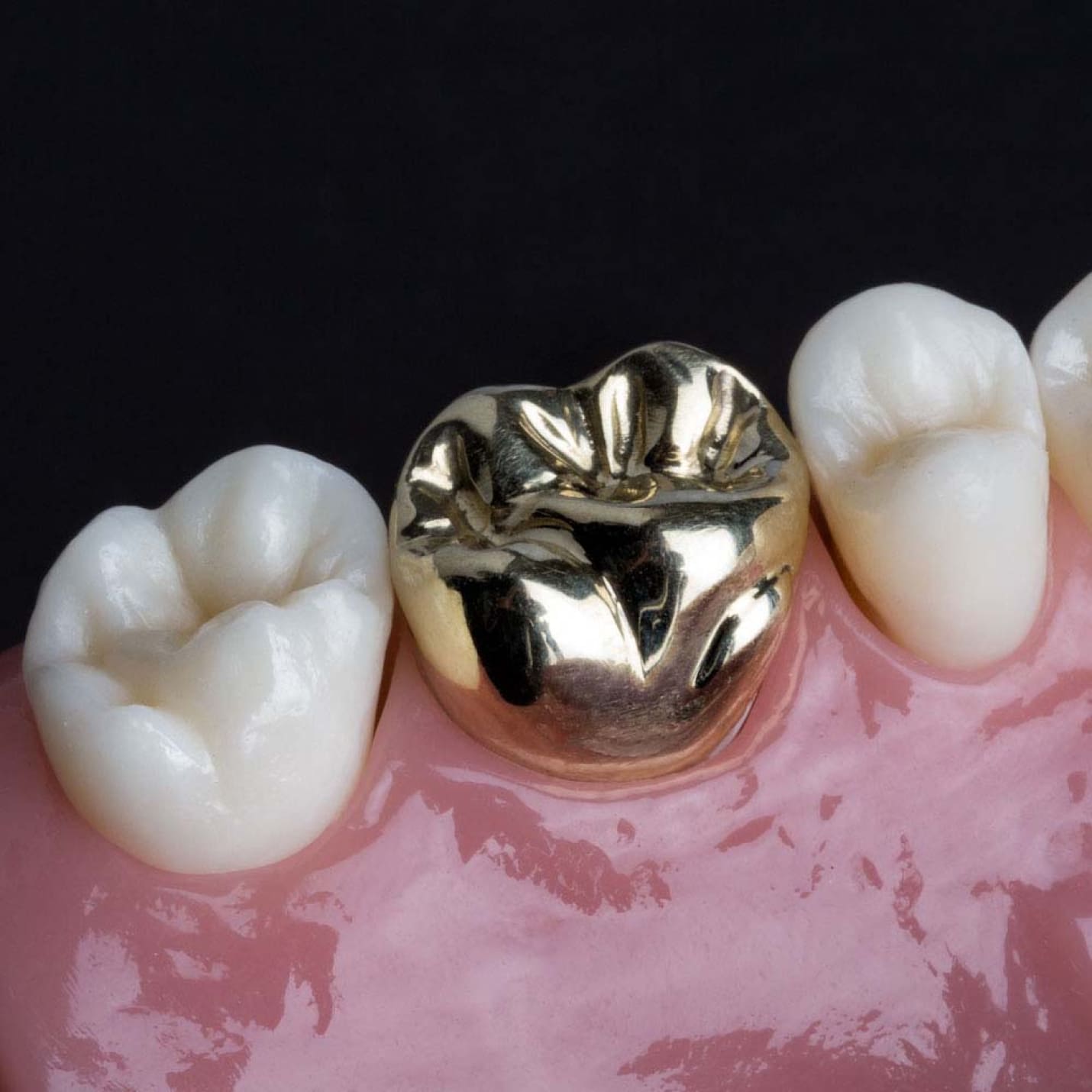
Gold
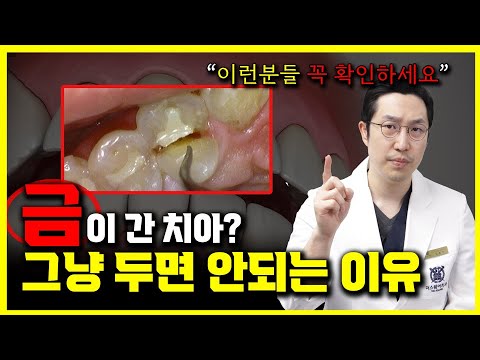
Gold crowns are cast restorations made from dental alloys containing gold. They have a long clinical history and favorable mechanical properties, although their use has decreased as gold prices have risen and tooth-colored restorative materials have advanced.
04
PFM (Porcelain-Fused-to-Metal)
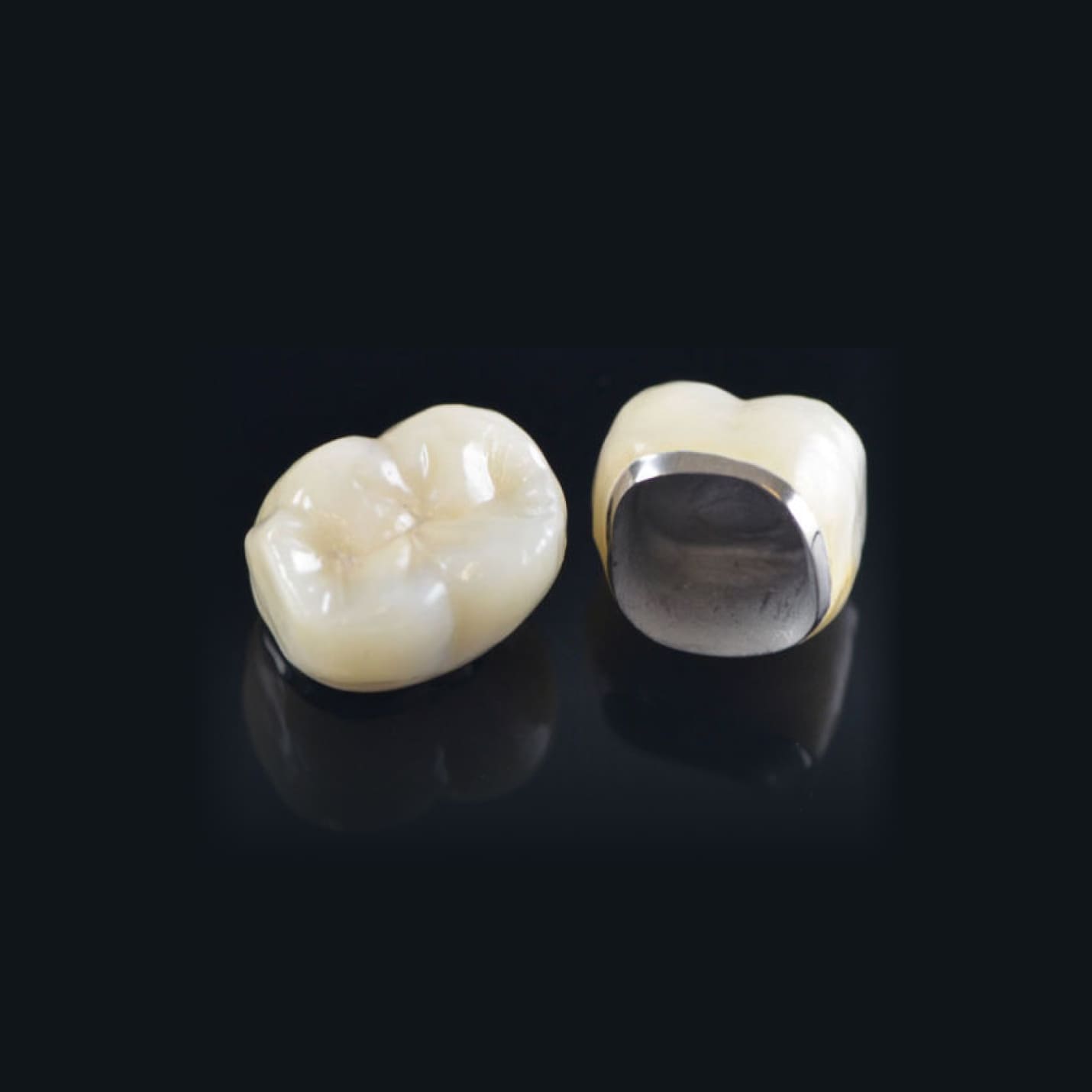
A PFM crown consists of a metal substructure covered with tooth-colored porcelain. It has been widely used for decades, although advances in all-ceramic and zirconia restorations have reduced its use in many clinical situations.
Crown Treatment Cost
Crown fees vary between dental clinics and depend on factors such as the material used, tooth condition, treatment complexity, and laboratory process. Zirconia crown fees in Korea commonly vary by clinic, so an exact estimate should be confirmed after examination and treatment planning.
Gold crown fees can fluctuate considerably because they are directly affected by changes in the market price of gold.
Do I Really Need a Full Crown?
With advances in adhesive dentistry and restorative materials, modern dentistry is increasingly focused on biomimetic and minimally invasive approaches that preserve as much natural tooth structure as possible. In appropriate cases, an onlay or overlay may restore and protect a damaged tooth without requiring full crown preparation.
Full crowns remain a well-established and highly useful treatment, but they require circumferential tooth preparation. For this reason, an accurate diagnosis is essential to determine whether a full crown is truly necessary or whether a more conservative restoration is appropriate.
Crown Treatment FAQ
Q.
How long does a dental crown last?
A .
A properly designed and maintained crown can remain functional for many years, and crowns lasting 10 years or longer are common. However, longevity varies depending on bite force, oral hygiene, diet, gum condition, and the condition of the underlying tooth.
Over time, gum recession or deterioration of the crown margin may increase the risk of recurrent decay. If secondary decay develops, the crown may need to be replaced even if there are no obvious symptoms.
Q.
How long does sensitivity or discomfort last after crown treatment?
A .
Mild sensitivity, pressure, or a feeling of unfamiliarity can occur after crown placement and often improves gradually over several days to a few weeks. The recovery period varies from person to person.
If pain is severe, becomes worse, persists for an extended period, or occurs consistently when biting, the crown and underlying tooth should be examined.
Q.
Why does my tooth hurt after getting a crown for decay?
A .
There are several possible causes. The bite may require additional adjustment, food may become trapped between the teeth and irritate the gums, the pulp may be temporarily inflamed, or the tooth may still be recovering from recent root canal treatment.
Persistent pain should be professionally evaluated to identify the exact cause.
Q.
Is a dental crown covered by National Health Insurance?
A .
Coverage depends on the material, clinical indication, patient age, and current Korean National Health Insurance criteria. Many adult prosthetic crown treatments are provided as non-covered services, while specific exceptions may apply. Private dental insurance may also provide benefits depending on the individual policy.
Q.
Is a core build-up always necessary before a crown?
A .
Not always. Crowns are often required when a significant amount of tooth structure has been lost due to decay, fracture, or previous treatment. In these cases, a core build-up is used to rebuild the missing structure and provide an appropriate foundation for the crown.
If sufficient healthy tooth structure remains, a separate core build-up may not be necessary.