Consultation
Appointment
Appointment icon
Directions
Directions icon
Before & After
Before & After icon
HomeConservativeWhite EstheticMinicrown (Overlay)
Minicrown (Overlay)
Minicrown (Overlay)
ConservativeDentistry
icon
화살표 아이콘
Conservative
Dentistry

Mini Crown (Overlay):
A Tooth-Preserving Restorative Treatment

Modern dentistry is increasingly shifting toward minimally invasive treatment—preserving as much natural tooth structure as possible to help teeth last longer.

Modern dentistry is increasingly shifting toward minimally invasive treatment—preserving as much natural tooth structure as possible to help teeth last longer. Modern dentistry is increasingly shifting toward minimally invasive treatment—preserving as much natural tooth structure as possible to help teeth last longer.

The concept of overlay restorations was established decades ago, and advances in ceramic materials and adhesive dentistry have greatly expanded their range of applications.

The concept of overlay restorations was established decades ago, and advances in ceramic materials and adhesive dentistry have greatly expanded their range of applications. The concept of overlay restorations was established decades ago, and advances in ceramic materials and adhesive dentistry have greatly expanded their range of applications.

Mini Crown (Overlay) vs. Full Crown

Preserving natural tooth structure can have an important impact on long-term tooth survival and function.

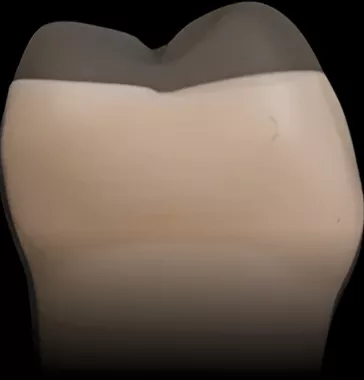
  • Overlay A

    Overlay A

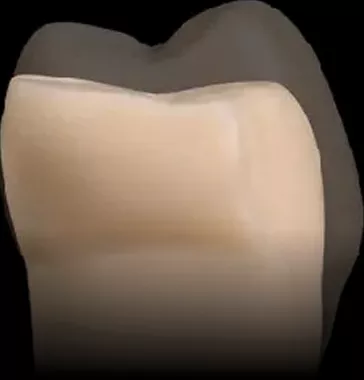
  • Overlay B

    Overlay B

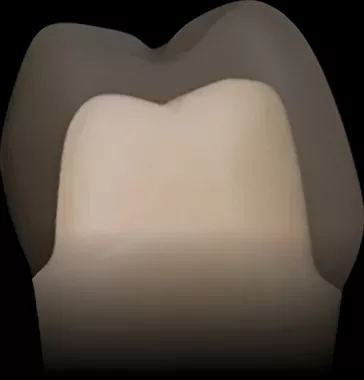
  • Crown

    Crown

What Are the Benefits of a Mini Crown (Overlay)?

  • Preserves More Natural Tooth Structure

    Preserves More Natural Tooth Structure
    Compared with a conventional full crown, an overlay generally requires less removal of healthy tooth structure.

  • Less Invasive Treatment

    Less Invasive Treatment
    Because less tooth structure is removed, treatment can be less invasive in appropriate cases.

  • More Treatment Options in the Future

    More Treatment Options in the Future
    If retreatment becomes necessary later, another overlay may sometimes be possible before moving on to a full crown.

How Is Mini Crown (Overlay) Treatment Performed?

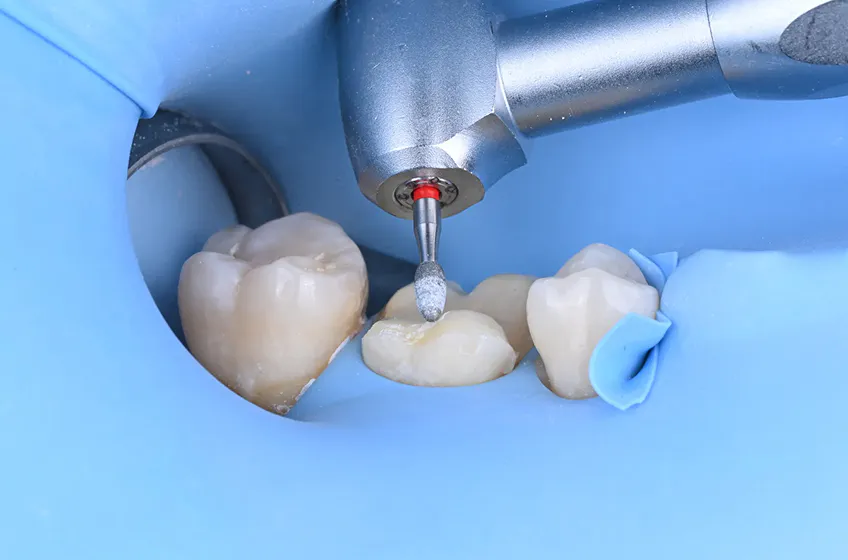
  • Overlay Preparation 01

    Overlay Preparation

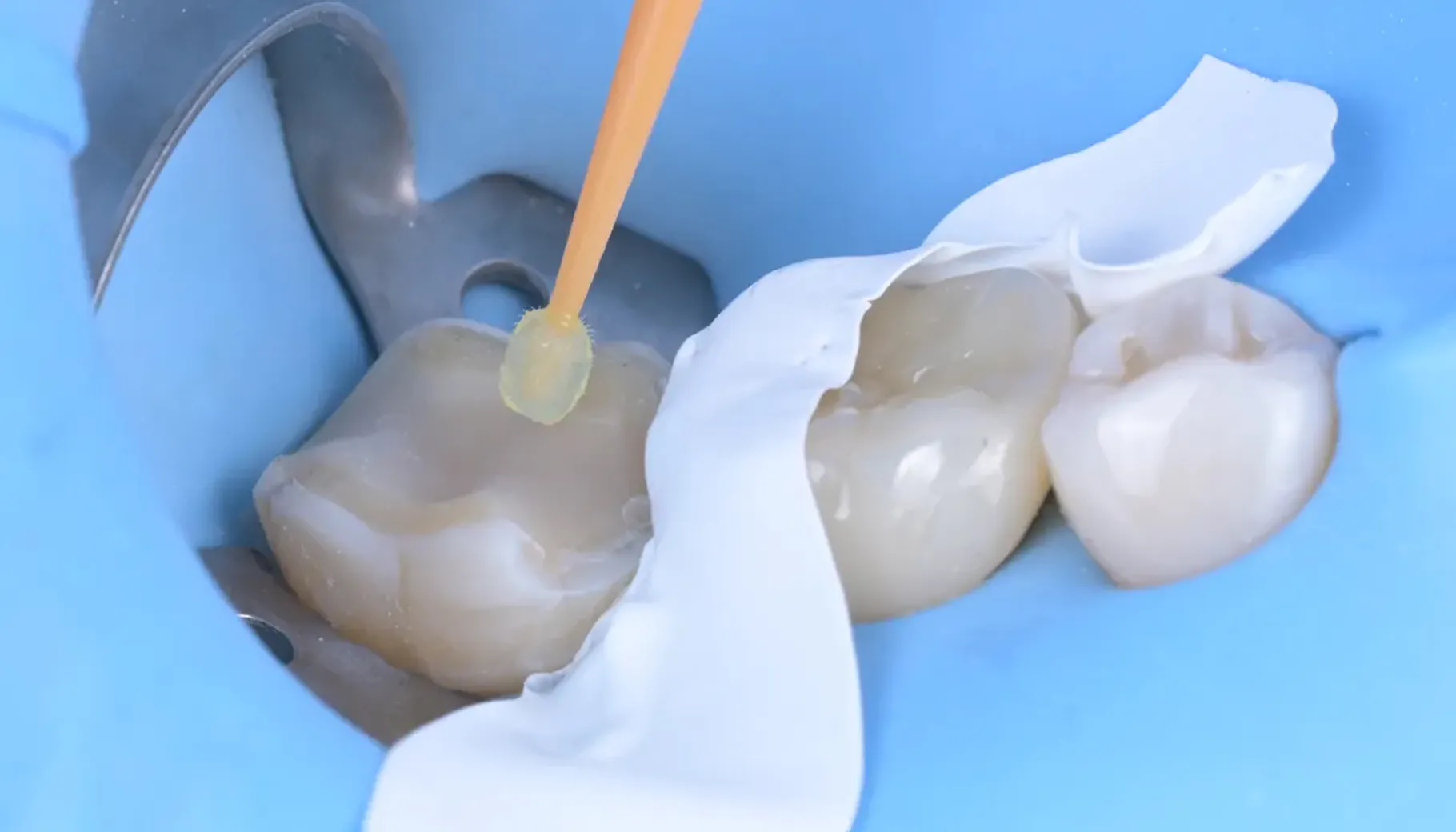
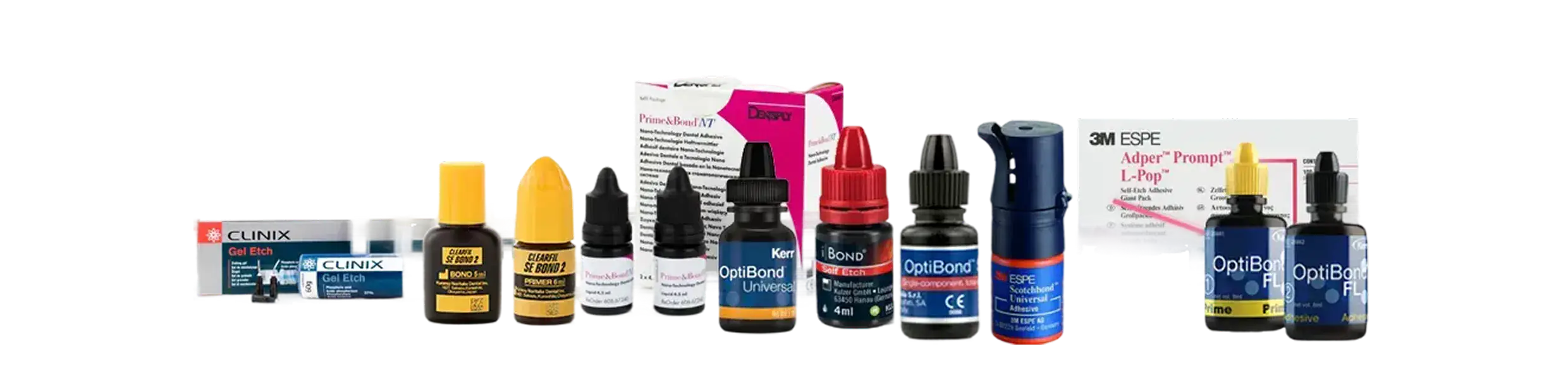
    The tooth is conservatively prepared through procedures such as minimal preparation, IDS (Immediate Dentin Sealing), core build-up, and resin coating, depending on the clinical condition.

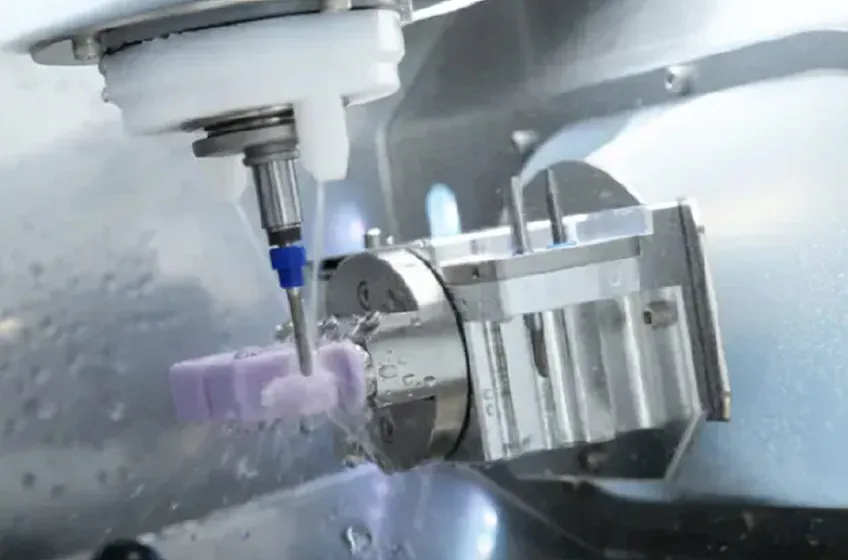
  • Overlay Fabrication 02

    Overlay Fabrication

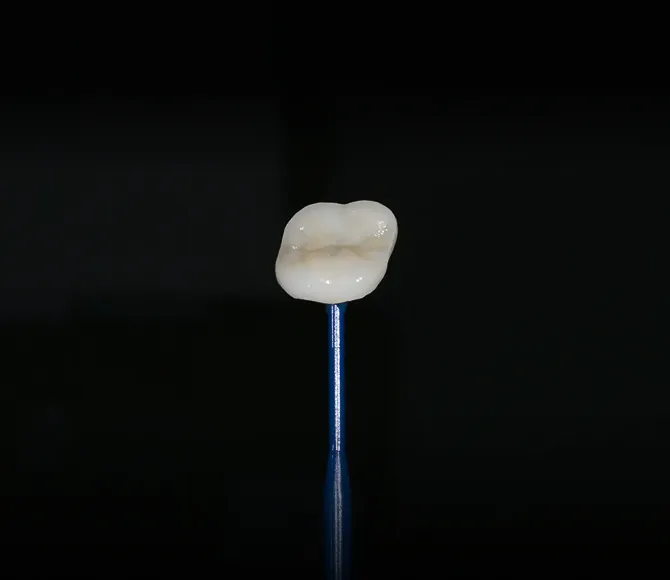
    The restoration is digitally designed using CAD software and precisely fabricated in our digital dental laboratory using CAM technology.

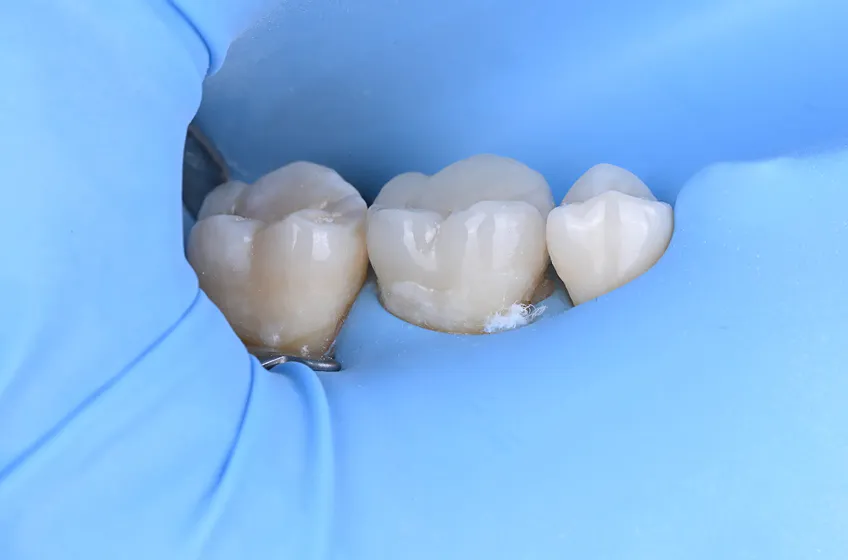
  • Overlay Bonding 03

    Overlay Bonding

    The overlay is precisely bonded under rubber dam isolation to help achieve a clean, controlled, and accurate adhesive procedure.

Which Teeth Can Be Treated with a Mini Crown (Overlay)?

  • Teeth with Extensive Decay

    Teeth with Extensive Decay

    When decay is extensive, an overlay can restore the damaged tooth while preserving as much remaining tooth structure as possible.

  • Cracked Teeth

    Cracked Teeth

    An overlay can cover and reinforce a cracked tooth, particularly when biting causes discomfort or pain.

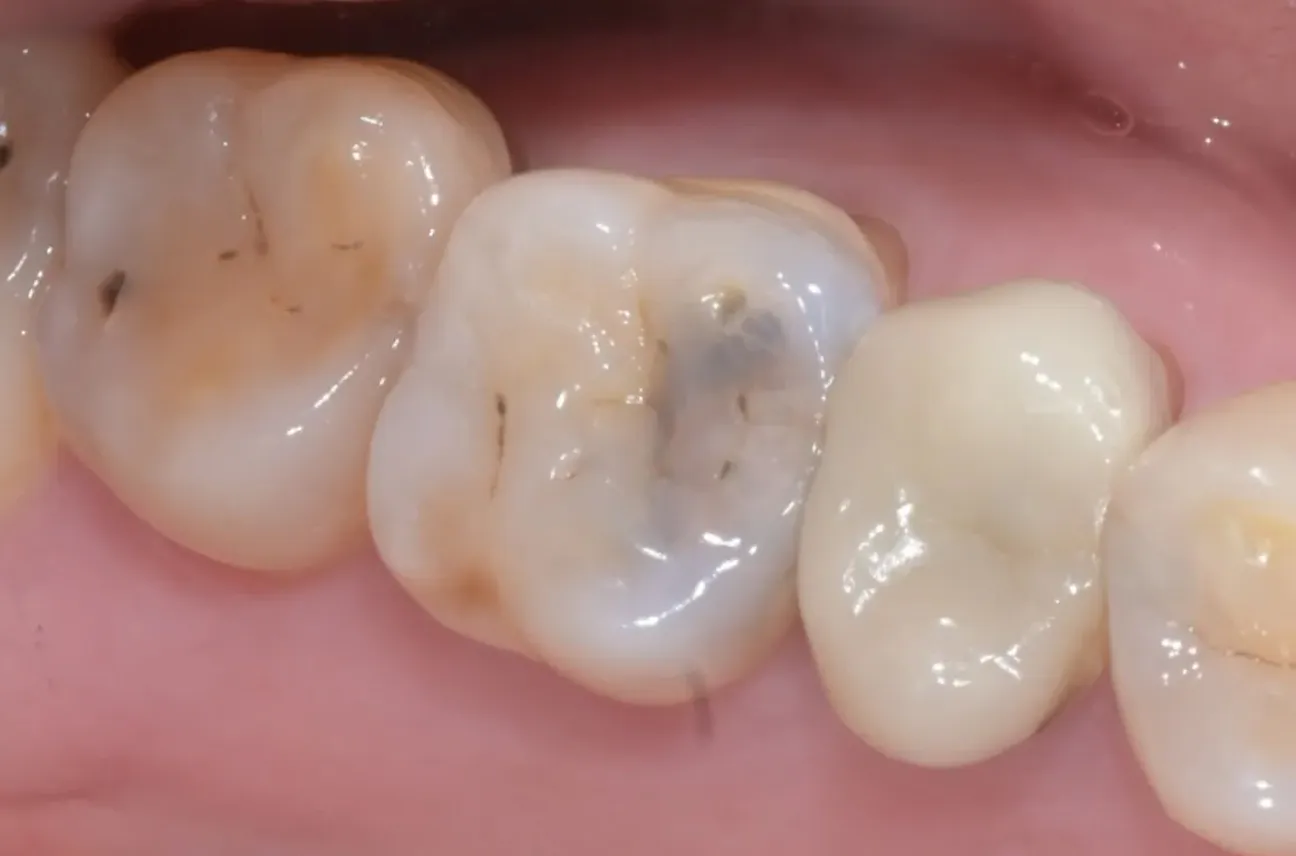
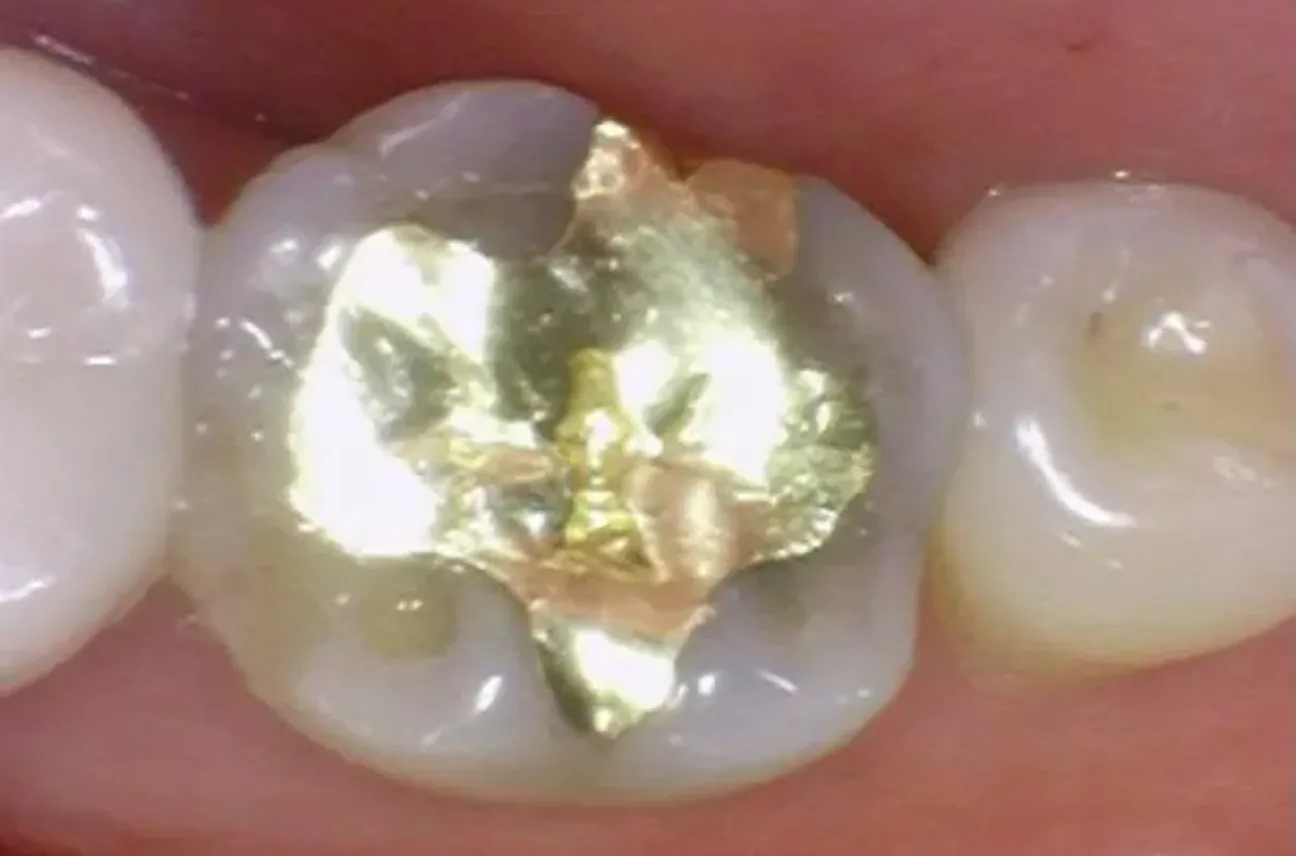
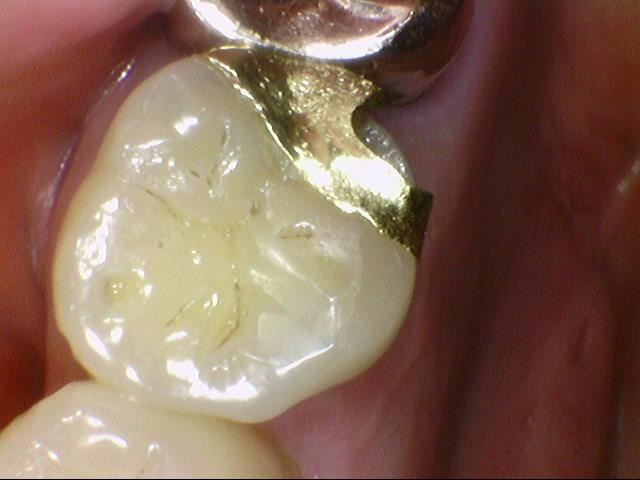
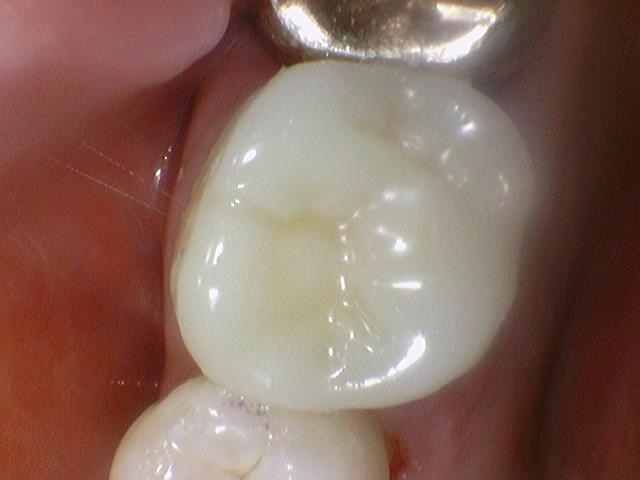
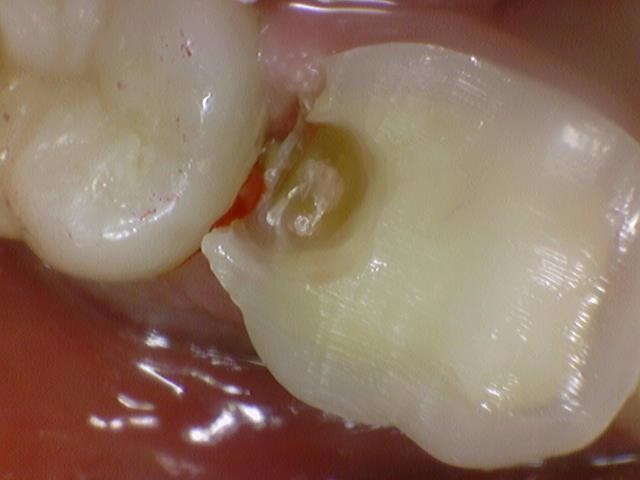
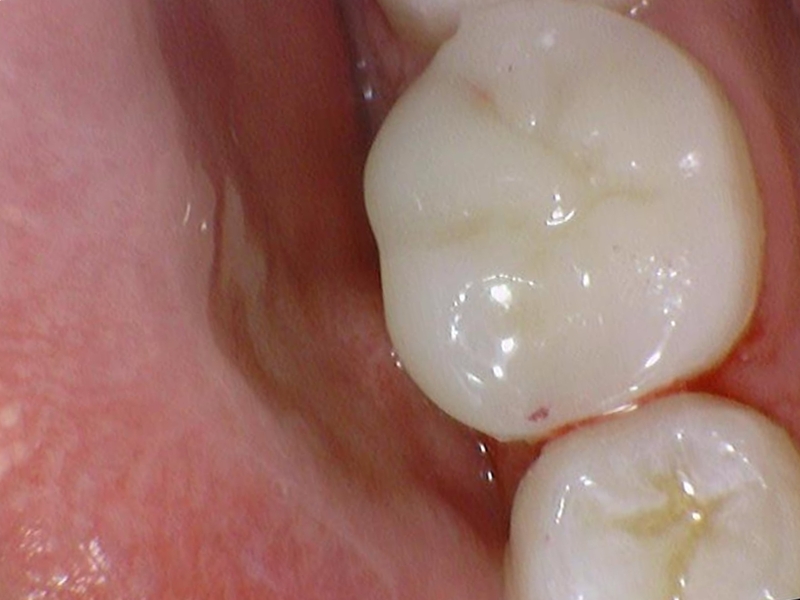
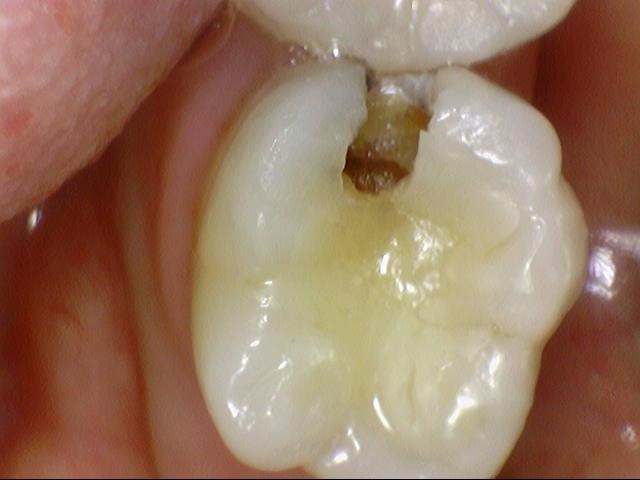
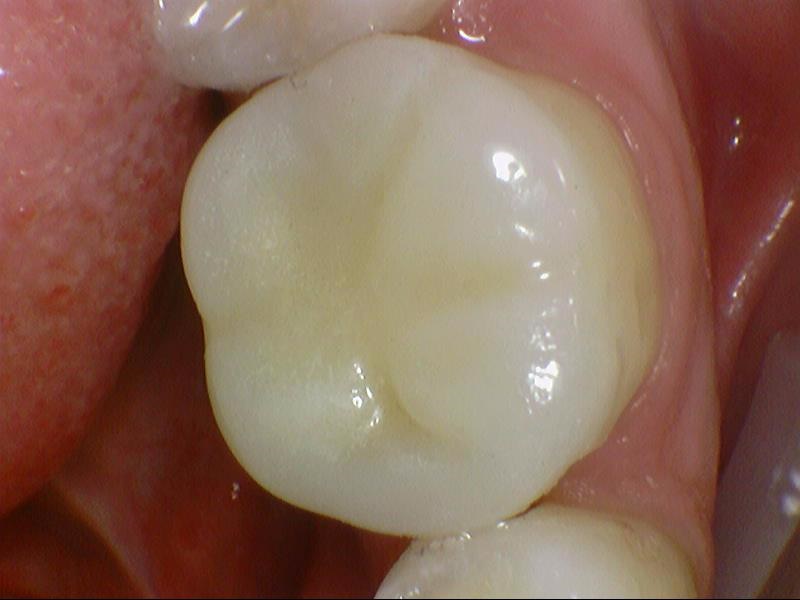
Mini Crown (Overlay) Before & After

Before
2025. 01. 23
After
2025. 02. 06
Before
2025. 02. 07
After
2025. 02. 17
Before
2025. 02. 06
After
2025. 02. 13

The clinical photographs above are published with the patients’ prior consent.
As with any dental treatment, side effects and complications may occur. A consultation with a qualified dental professional is required before treatment.

Mini Crown (Overlay) FAQ

    • Treatment time varies depending on complexity, but generally takes about 30–60 minutes per tooth. The bonding appointment also requires careful isolation and precise adjustment, so a similar amount of time may be needed.

    • Fabrication typically takes around 5–7 days, although the exact schedule may vary depending on the case and laboratory workflow.

    • When properly designed and bonded in an appropriate case, an overlay can provide excellent strength and durability. However, long-term performance depends on factors such as bite force, tooth condition, material, and oral habits.

    • The lifespan can be comparable to other indirect restorations, but it varies greatly depending on the condition of the original tooth, bite force, oral habits, hygiene, and regular maintenance.

    • One advantage of a conservative overlay approach is that additional tooth structure may remain for future treatment. Depending on the condition, another overlay may be possible. If retreatment with an overlay is no longer appropriate, a full crown may be considered.

    • Temporary sensitivity to cold or temperature changes can occur after tooth preparation and adhesive treatment. In many cases, this gradually improves over several days to a few weeks.
      If sensitivity persists, worsens, or you continue to have pain when biting, a follow-up examination is recommended.