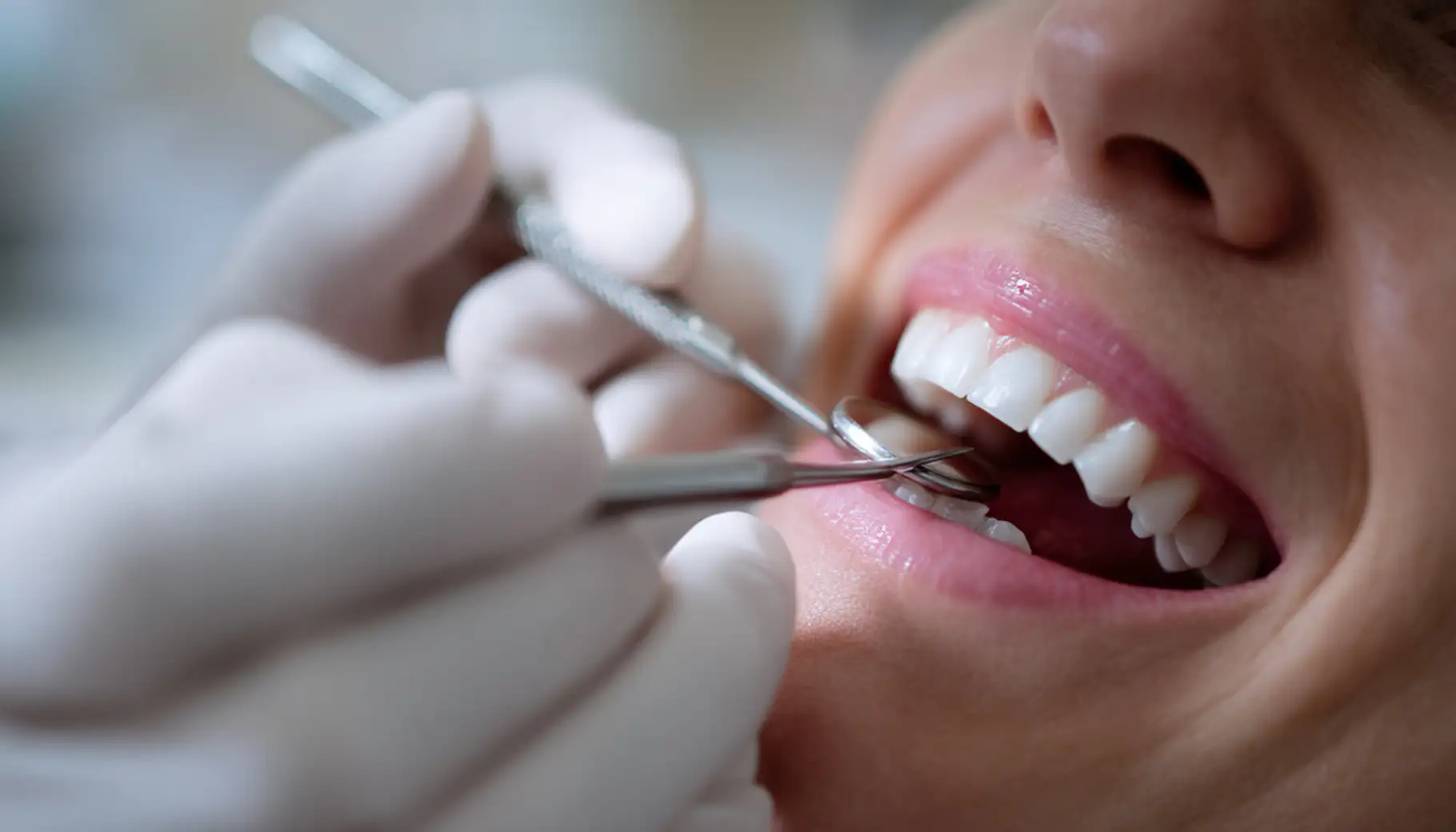
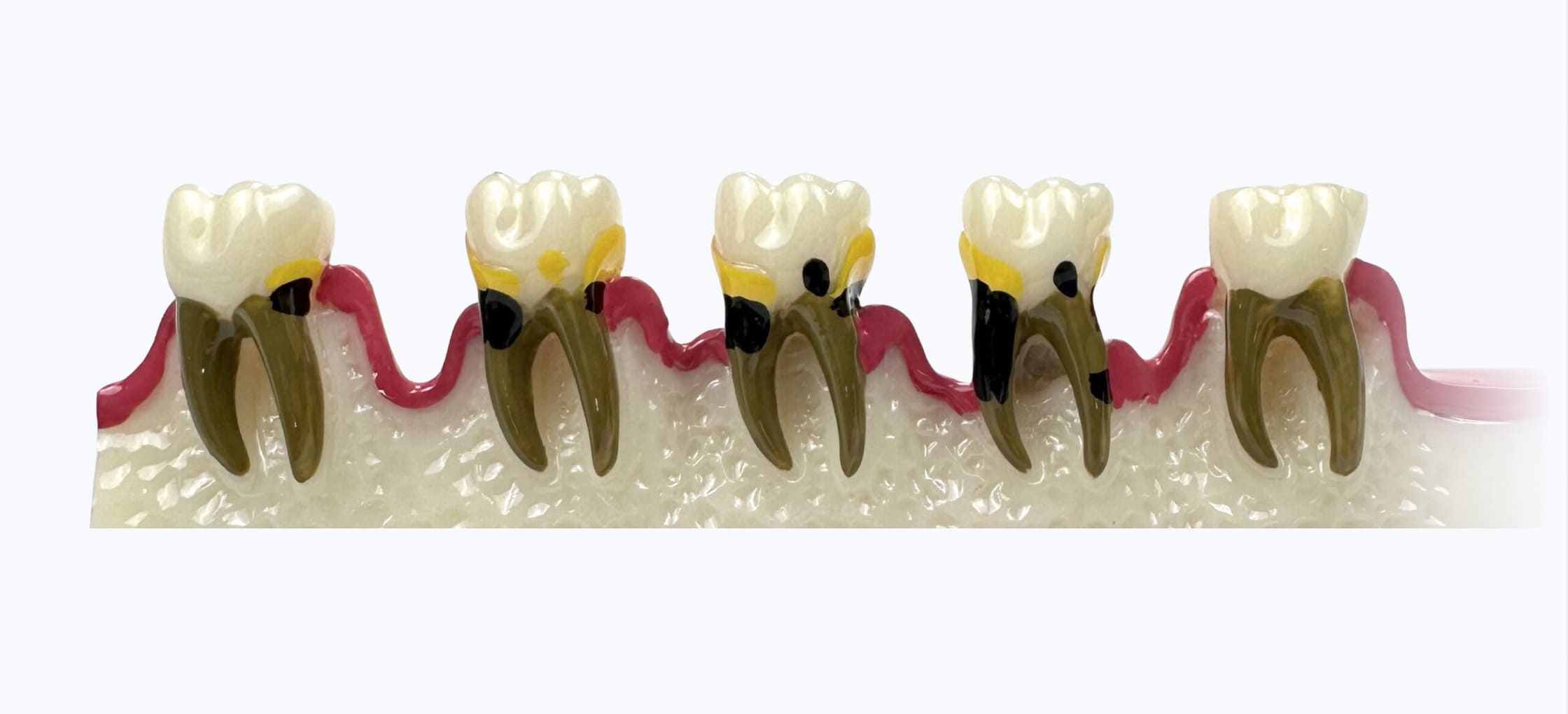
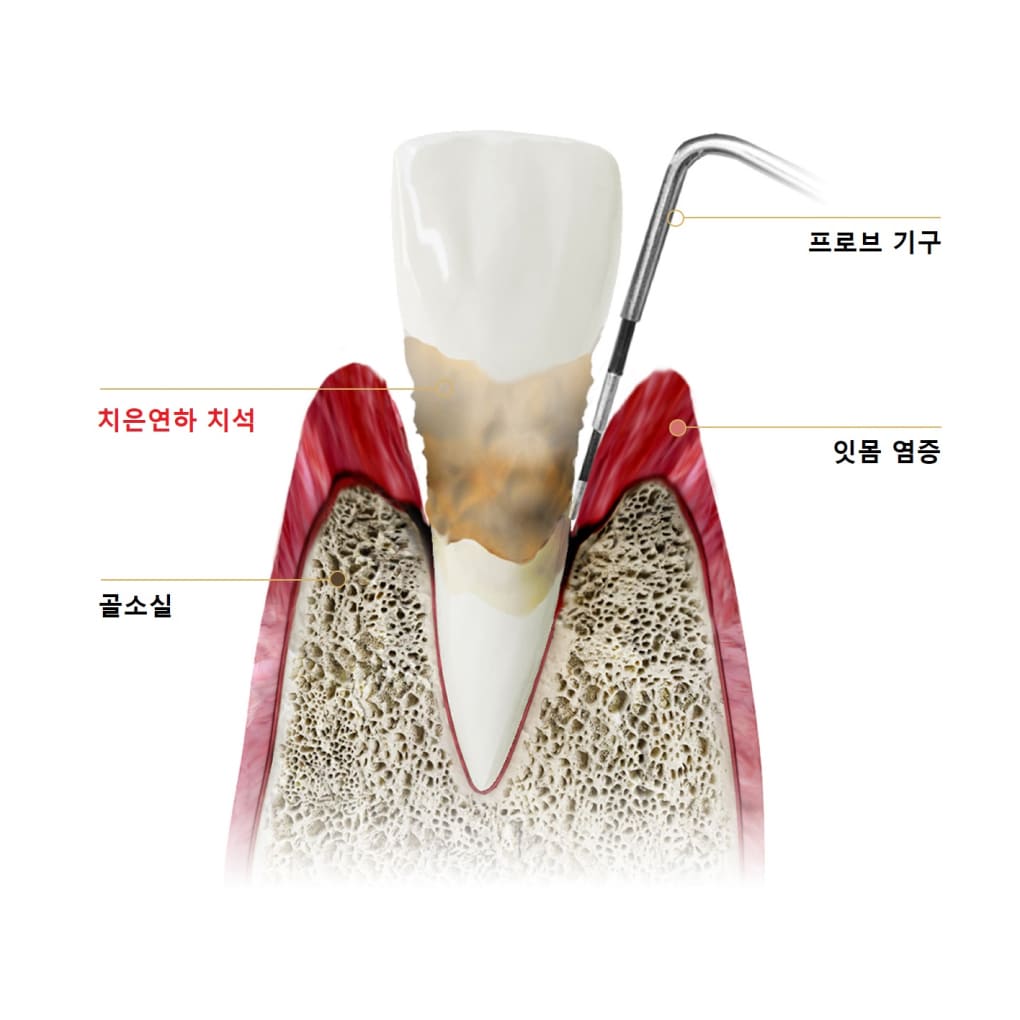
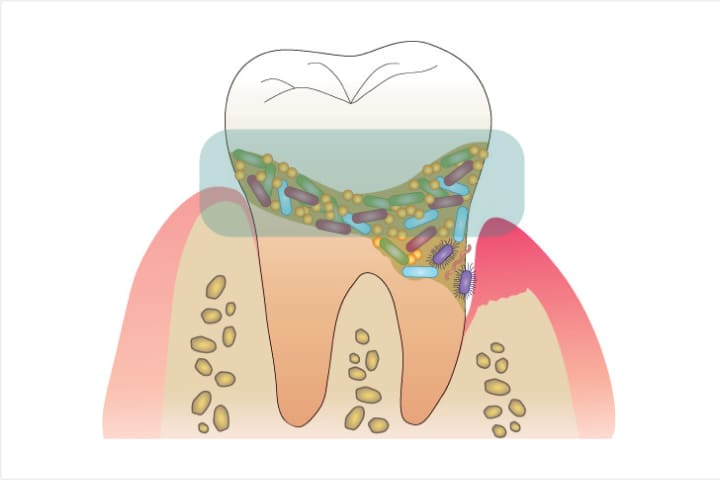
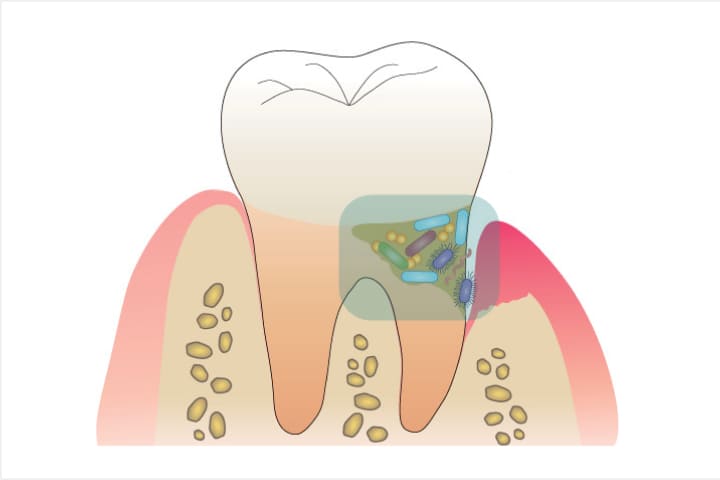
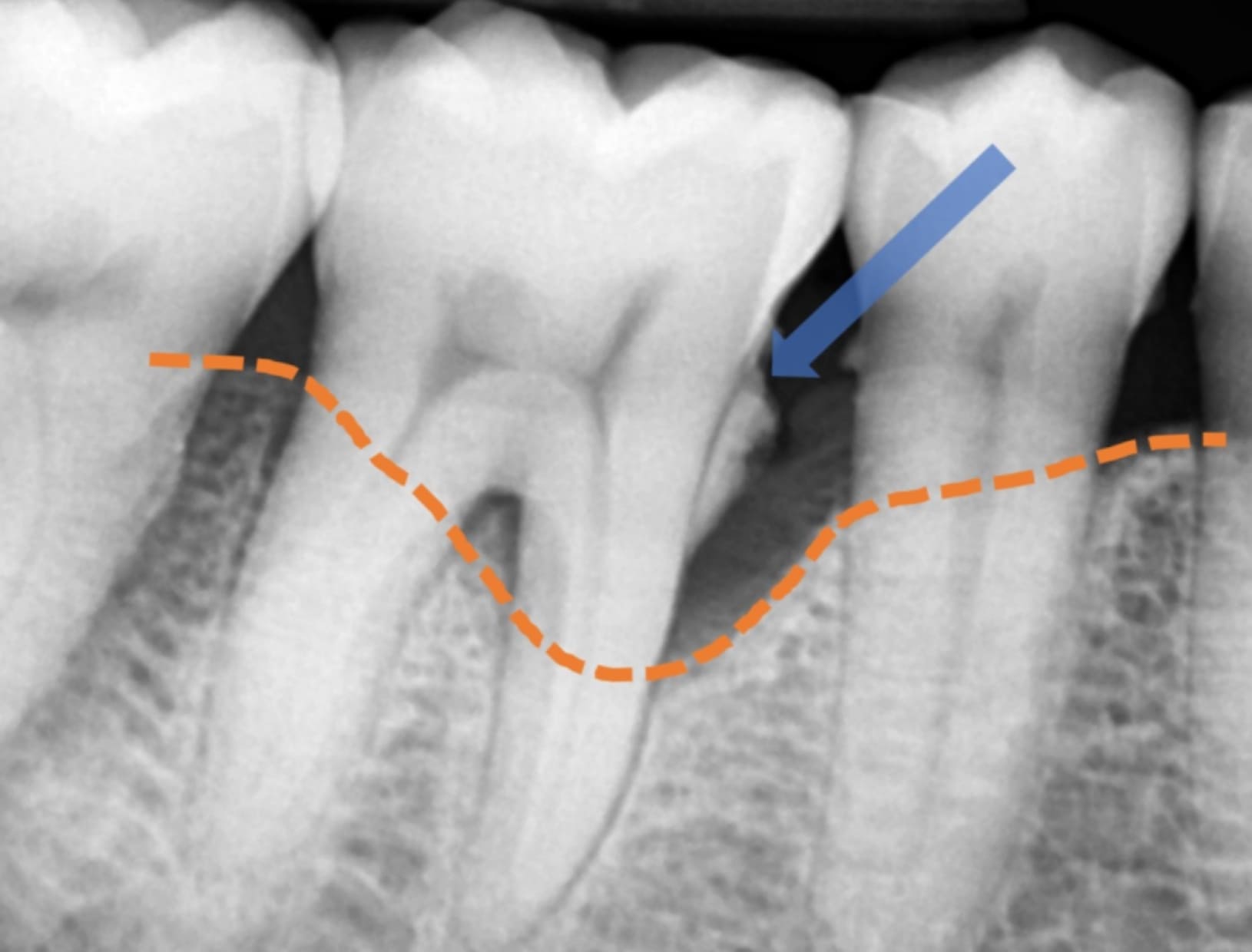
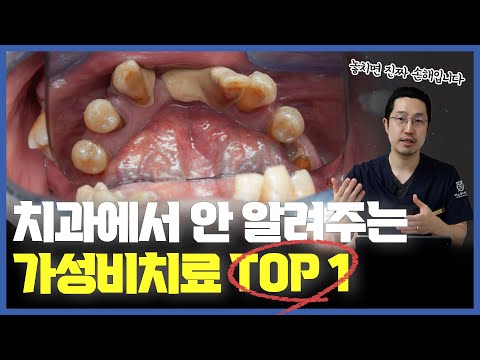
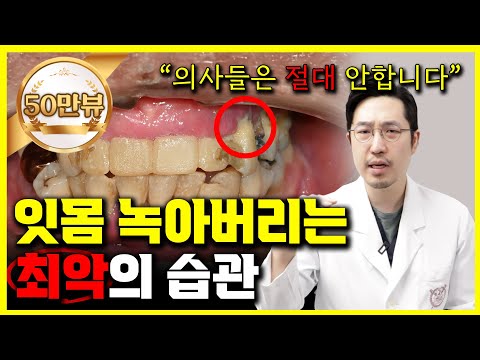
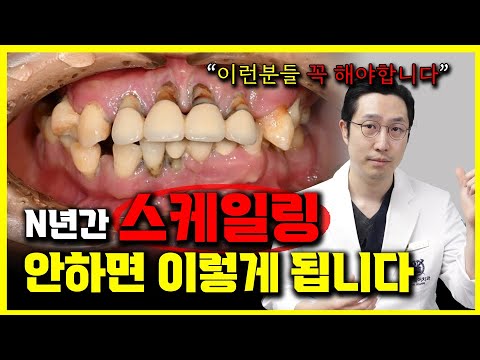
Periodontal treatment can be thought of as a deep cleaning for your gums. Calculus can accumulate not only along the visible gumline but also beneath the gums. In its early stages, this can cause gingivitis, with redness, swelling, and bleeding. If subgingival calculus and bacterial biofilm remain untreated, inflammation may progress to periodontitis and lead to loss of the bone supporting the teeth.
Closely linked to preventive dentistry and regular checkups, periodontal treatment plays an important role in controlling gum disease and helping prevent more extensive treatment in the future.
Do I Need Periodontal Treatment?
If you have one or more of the following symptoms, we recommend visiting a dental clinic for a periodontal examination.
01
Redness Along the Gumline
02
Swollen or Uneven Gums
03
Gums Bleed Easily with Light Contact
04
Gums Hurt When Brushing
Tooth sensitivity is not always caused by gum disease. It may also result from non-carious cervical lesions, where the tooth surface near the gumline is worn or damaged, or from gum recession that exposes the root surface. An accurate diagnosis is important, and desensitizing treatment may be needed depending on the cause.
The Square Dental Clinic’s Approach to Healthy Periodontal Care
01
Remove Supragingival Calculus with Scaling
02
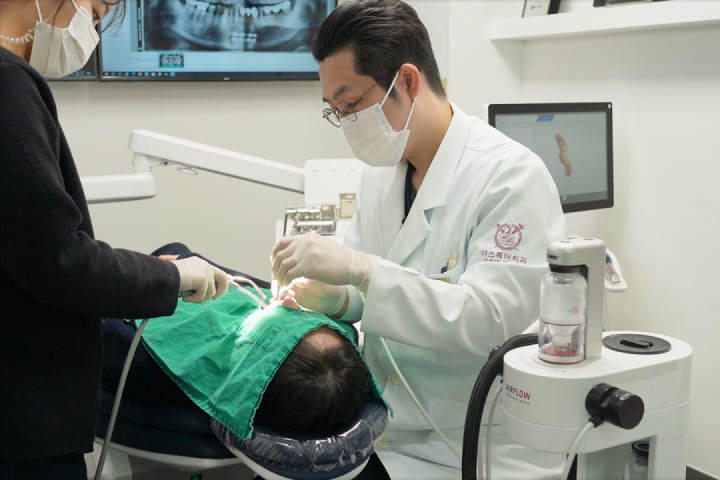
Remove Subgingival Calculus with Periodontal Treatment
03
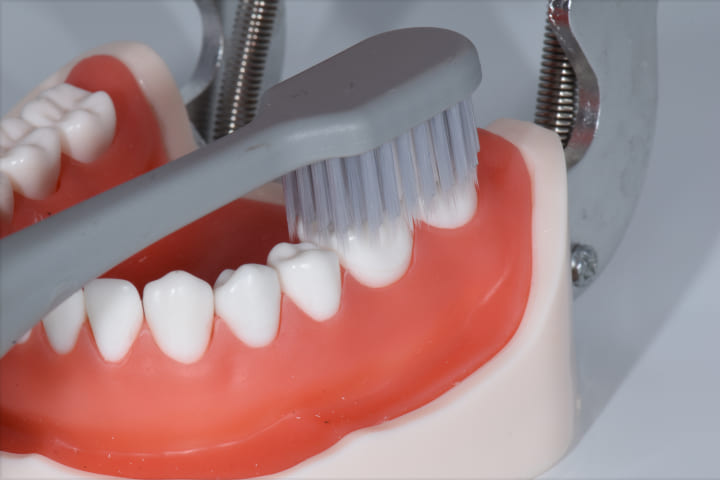
Maintain Healthy Gums with Proper Daily Brushing
04
Receive Periodic Professional Care for Areas That Are Difficult to Clean at Home ※ Certain periodontal treatments may be covered by National Health Insurance depending on the diagnosis and treatment criteria.
05
Maintain a Balanced Diet and Adequate Nutrition
Root Planing / Gingival Curettage Doctor’s Tip
Periodontal treatment is one of the most fundamental treatments for controlling gum disease. Because many periodontal procedures are covered by National Health Insurance in Korea, patients can receive professional treatment for inflammation, bleeding, and subgingival calculus with relatively little financial burden.
More importantly, periodontal treatment can help prevent disease progression and reduce the likelihood of more extensive treatment later. When necessary, it should be performed at the appropriate time together with regular scaling and periodontal maintenance.
Periodontal Treatment FAQ
Q.
Are over-the-counter gum health supplements effective?
A .
Supplements or over-the-counter products marketed for gum health should not be considered substitutes for professional periodontal treatment. Periodontitis is primarily managed by controlling bacterial biofilm and calculus through professional treatment and effective daily oral hygiene.
If a nutritional deficiency is suspected, appropriate nutritional evaluation and a balanced diet may also be helpful for overall health.
Q.
When should I start receiving periodontal treatment?
A .
Periodontal treatment is determined by gum health rather than age alone. If an examination reveals gingivitis, periodontitis, deep periodontal pockets, subgingival calculus, or bone loss, appropriate treatment should be started regardless of age.
Smoking, diabetes, inadequate oral hygiene, and a history of periodontal disease may increase the need for closer periodontal monitoring.
Q.
How often should periodontal treatment be performed?
A .
There is no fixed treatment interval for everyone. After active periodontal treatment is completed, the appropriate maintenance schedule is determined according to the severity of periodontal disease, pocket depth, plaque control, smoking status, systemic health, and individual risk of recurrence.
Q.
What happens if I don't receive periodontal treatment?
A .
Periodontitis can progress without significant pain. As the disease advances, the bone and tissues supporting the teeth may gradually be lost.
Advanced disease may eventually lead to gum swelling, abscess formation, tooth mobility, changes in the bite, and ultimately tooth loss.
What Is Periodontal Flap Surgery?
Periodontal flap surgery is a surgical treatment considered when advanced periodontitis cannot be adequately managed with non-surgical periodontal therapy alone.
When deep periodontal pockets, extensive bone loss, calculus, and inflamed tissue are located in areas that cannot be adequately accessed with conventional instruments, the gum tissue is carefully reflected to provide direct access to the affected root and bone surfaces.
Calculus and inflamed tissue are then thoroughly removed, the root surfaces are cleaned, and the gum tissue is repositioned and sutured.
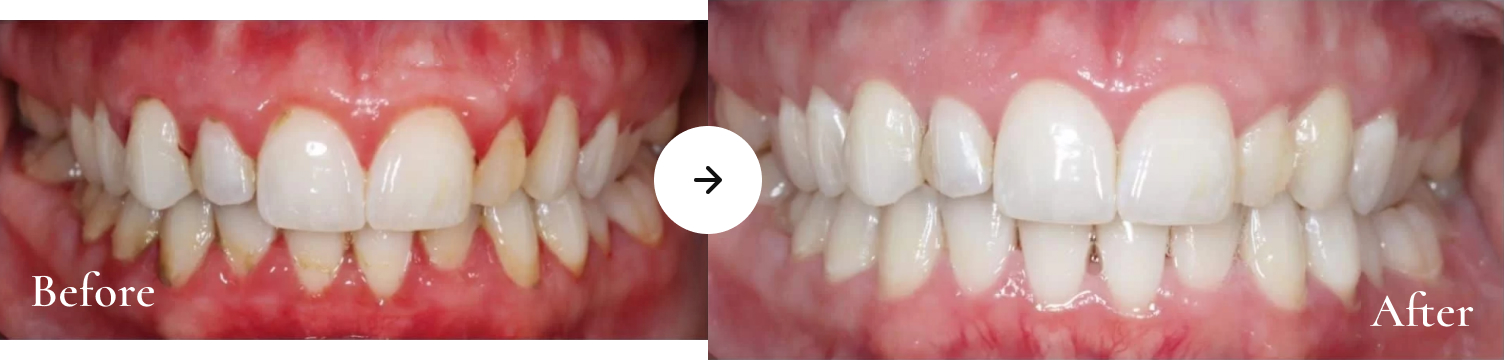
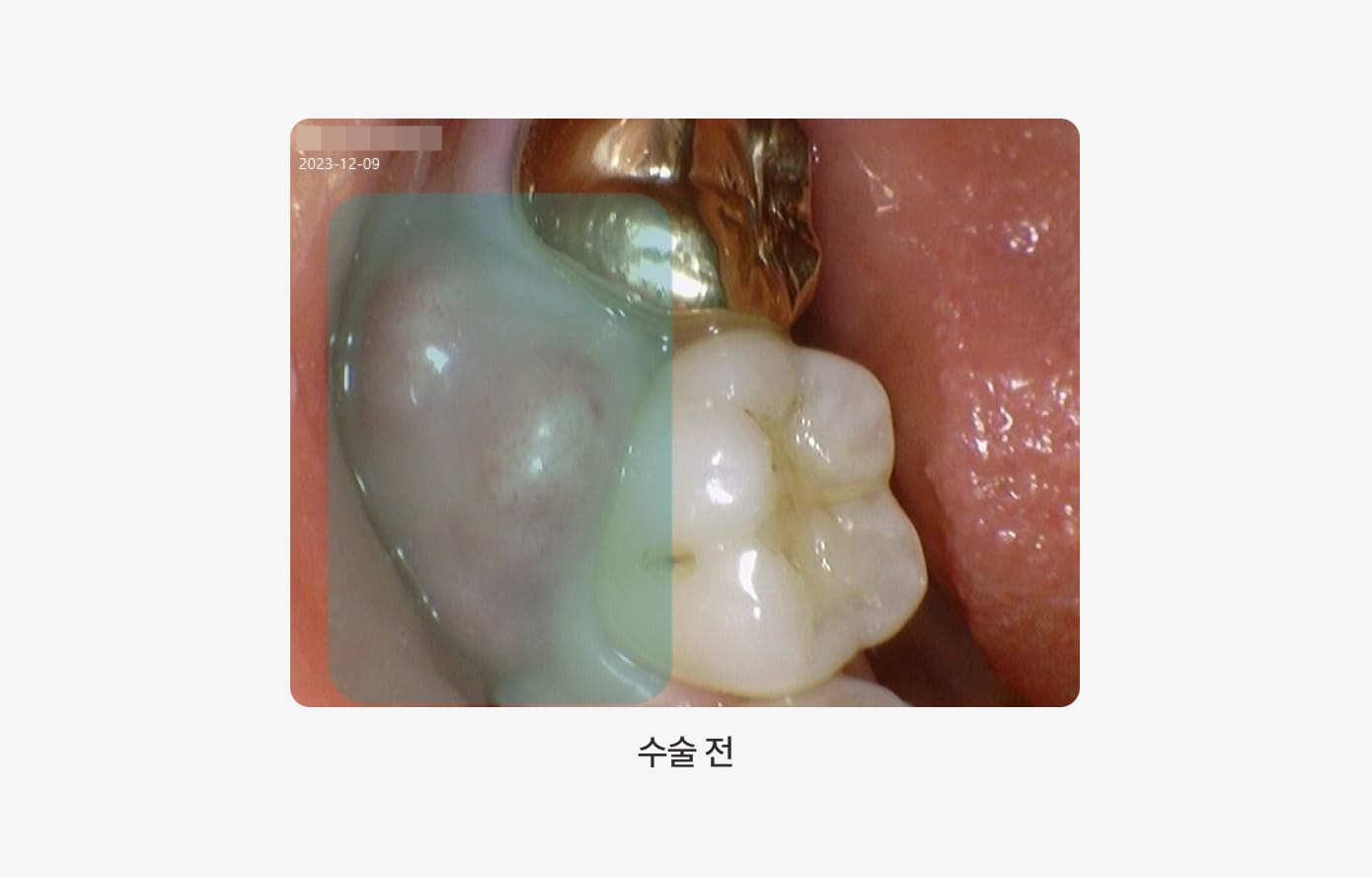
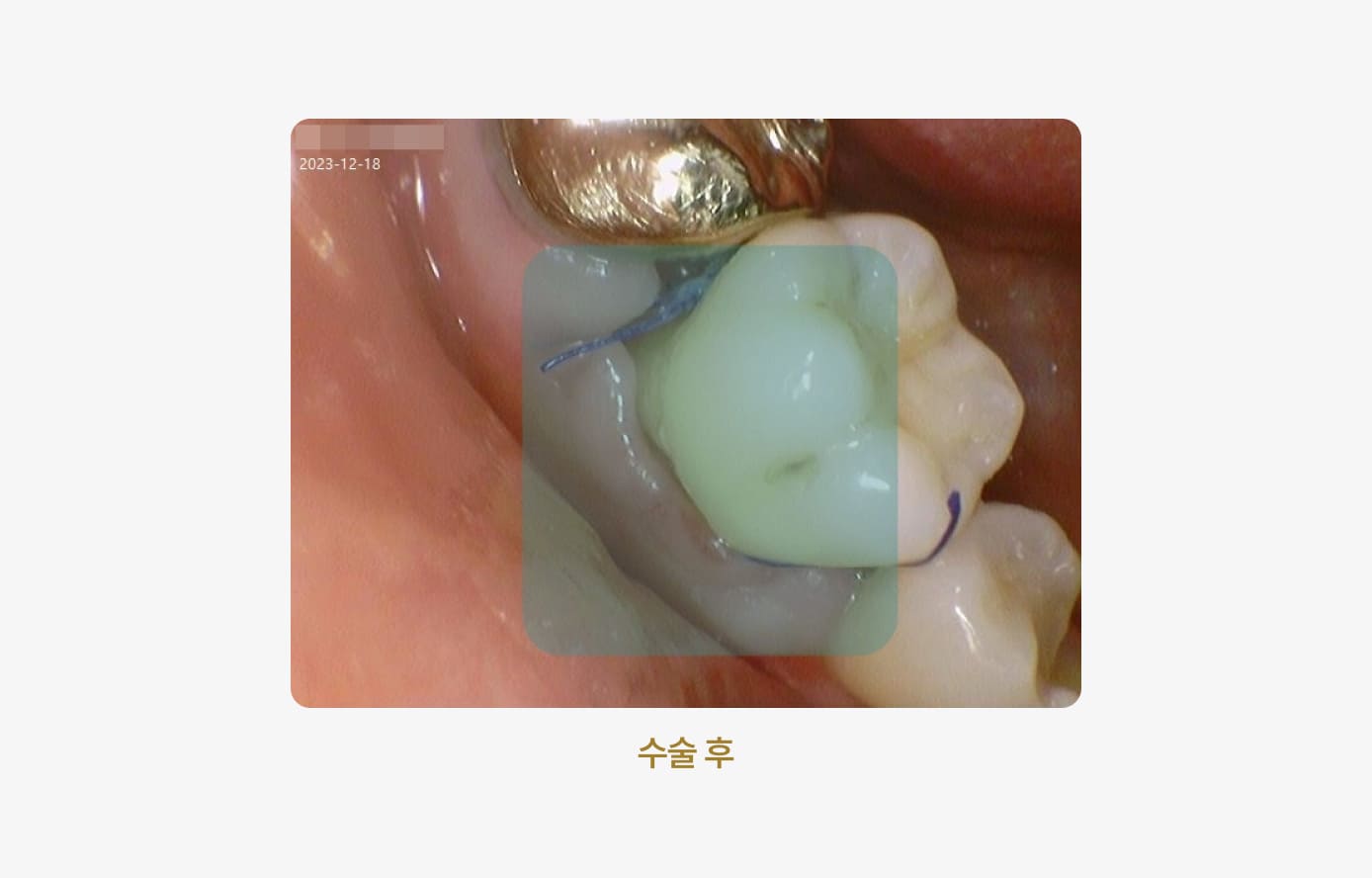
Periodontal Flap Surgery Before & After
In this case, periodontal flap surgery was performed around the lower right molar area where advanced periodontal inflammation had caused severe swelling and pus formation.
Two weeks after surgery, the clinical condition showed marked improvement in swelling and discomfort.
Flap Surgery Doctor’s Tip
For selected teeth with advanced periodontal disease, flap surgery may be considered as part of an effort to preserve the natural tooth before extraction.
The prognosis depends on factors such as the pattern and extent of bone loss, tooth mobility, root anatomy, oral hygiene, smoking, systemic health, and the patient’s response to initial periodontal treatment.
When the tooth is considered maintainable and the periodontal defect is suitable for surgical treatment, flap surgery may help control infection and extend the functional life of the natural tooth.