Consultation
Appointment
Appointment icon
Directions
Directions icon
Before & After
Before & After icon
HomeRestorativeOrthodonticsTypes of orthodontic appliances

Dental Braces

Dental Braces
RestorativeDentistry
화살표 아이콘
화살표 아이콘
Restoration
Dentistry

Specialist Orthodontic Care at The Square Dental Clinic

Detailed consultations, precise treatment planning, and meticulous orthodontic care

Board-Certified Orthodontist | Ph.D. Candidate

Joon Sang ChoD.D.S.

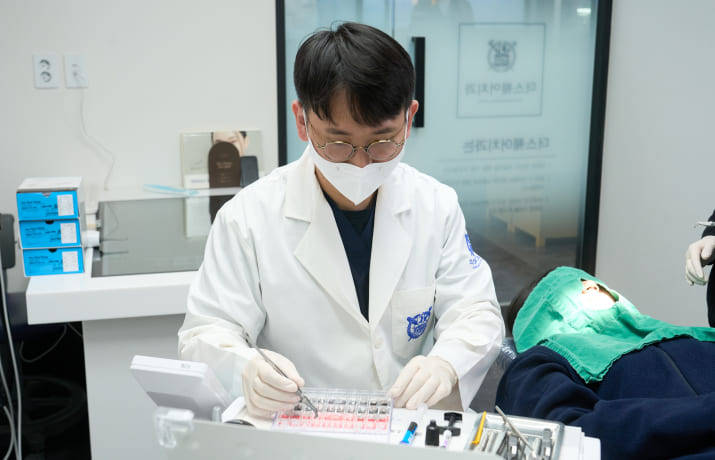
Orthodontic treatment at The Square Dental Clinic is led by a Seoul National University–trained orthodontic specialist. With meticulous attention to detail, we aim to achieve results that balance both aesthetics and function, with treatment plans tailored to each individual patient.

Credentials

  • Completed Ph.D. Coursework in Orthodontics, Seoul National University School of Dentistry
  • Board-Certified Specialist in Orthodontics, Ministry of Health and Welfare, Republic of Korea
  • Certified Orthodontist, Korean Association of Orthodontists (KAO)
  • Board-Certified Specialist in Integrated Dentistry, Ministry of Health and Welfare, Republic of Korea
  • Graduated Top of the Class from Seoul National University School of Dentistry
  • Completed Orthodontic Residency, Seoul National University Dental Hospital
  • Completed Internship, Seoul National University Dental Hospital
  • Member, Korean Association of Orthodontists (KAO)
  • Member, World Federation of Orthodontists (WFO)
  • Completed MEAW Orthodontic Training
  • Completed Invisalign Training, Align Technology, USA
  • Formerly at Seoul National University Dental Hospital

Why Choose The Square Dental Clinic for Braces?

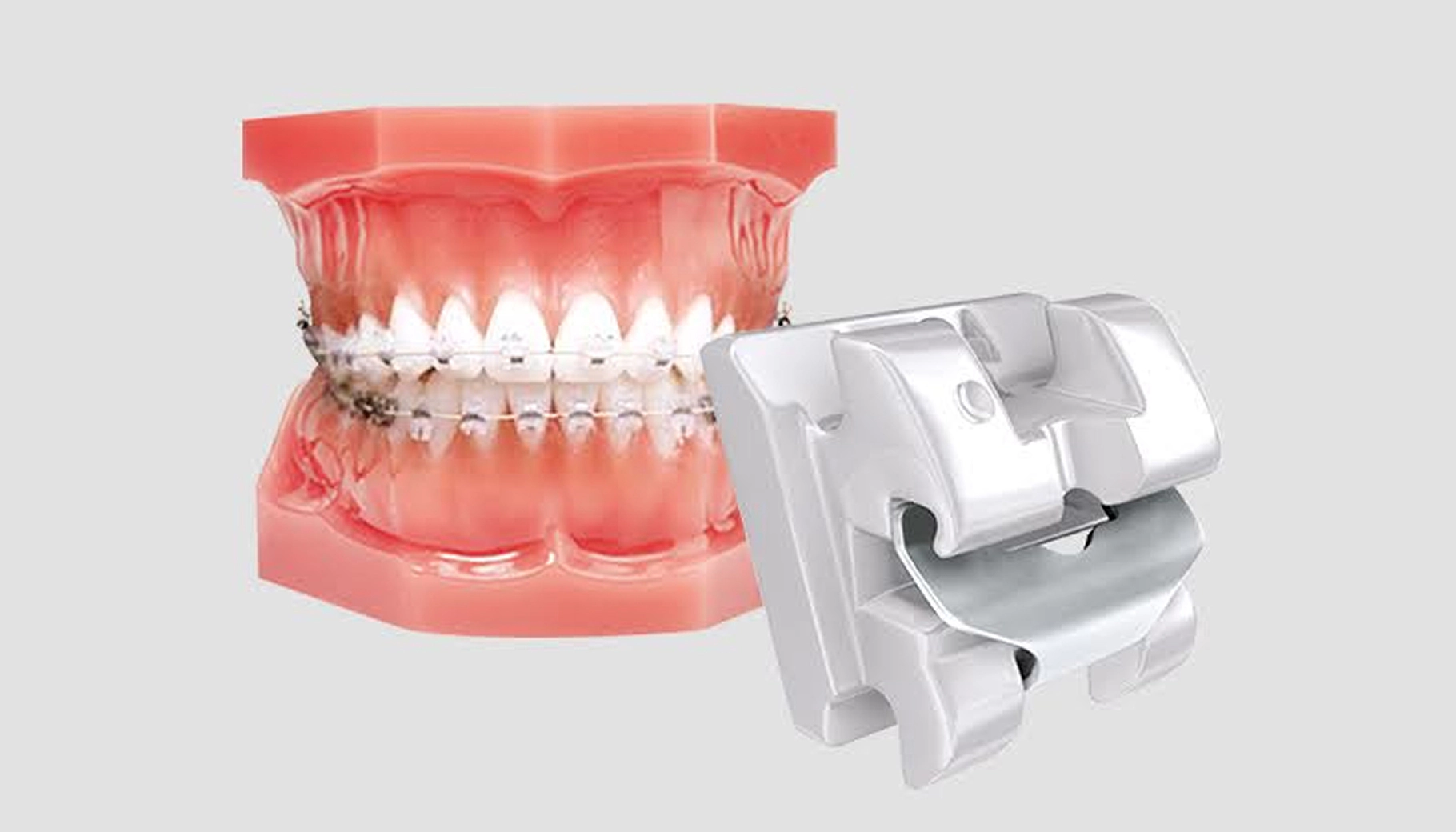
Self-Ligating Bracket System

01

Self-Ligating Bracket System

Designed for improved aesthetics, shorter chair time, fewer adjustments, reduced discomfort, and easier oral hygiene compared with conventional ligation systems.

02

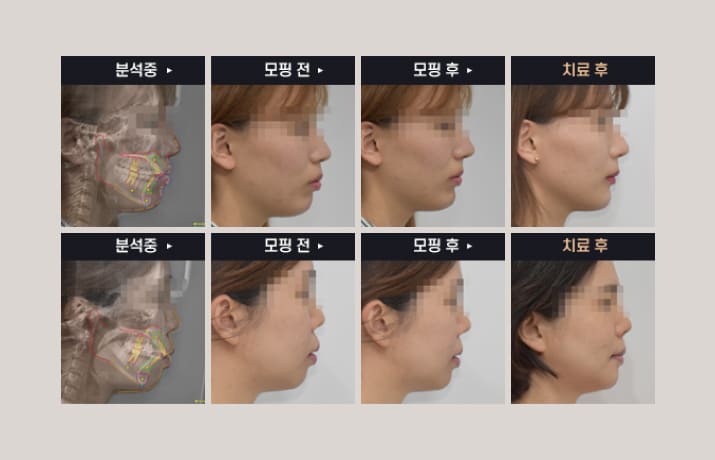
AI Treatment Simulation — Optional

Using lateral cephalometric X-rays and profile photographs, AI-based simulation can help visualize possible changes after orthodontic treatment. This can be especially useful when discussing the expected degree of profile improvement in protrusion cases.

>AI Treatment Simulation — Optional
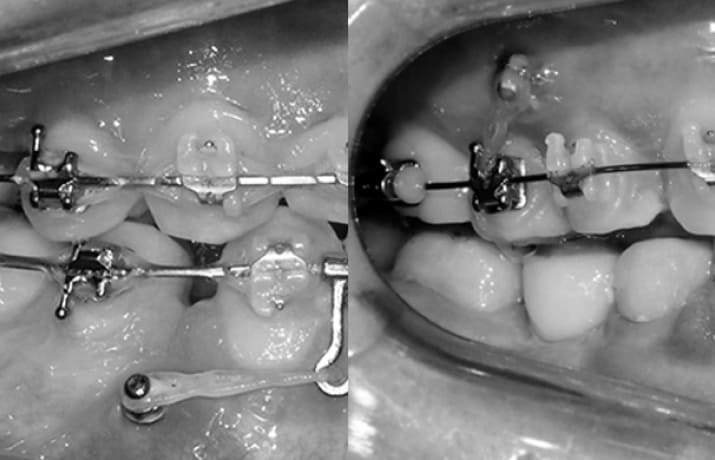
Orthodontic Miniscrews — SAS

03

Orthodontic Miniscrews — SAS

Orthodontic miniscrews, also known as a Skeletal Anchorage System (SAS), provide stable anchorage for precise tooth movement and can improve treatment efficiency in selected cases.

04

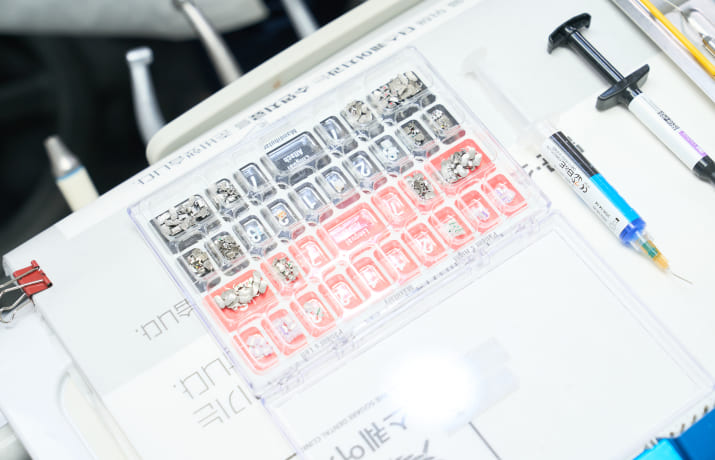
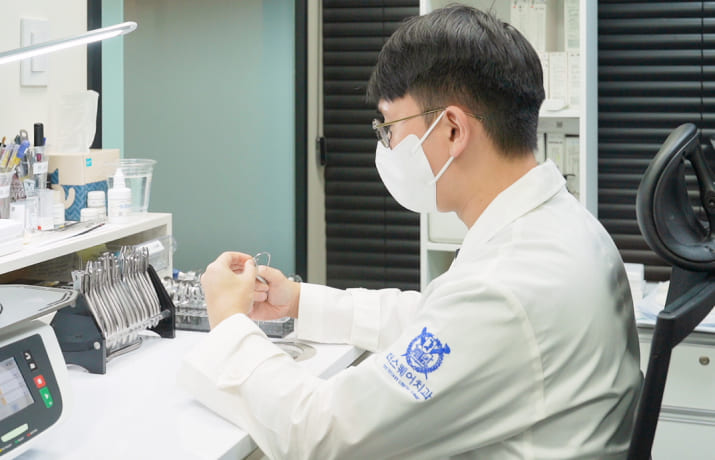
Precision Wire Bending

The final quality of bracket orthodontics depends heavily on precise wire adjustment. Because brackets and wires are standardized components, they must be carefully customized to each patient through detailed wire bending and fine adjustments by the orthodontist. These small refinements can make a significant difference in tooth position, bite, and overall treatment quality.

Precision Wire Bending
Detailed Progress Evaluations & Consultations

05

Detailed Progress Evaluations & Consultations

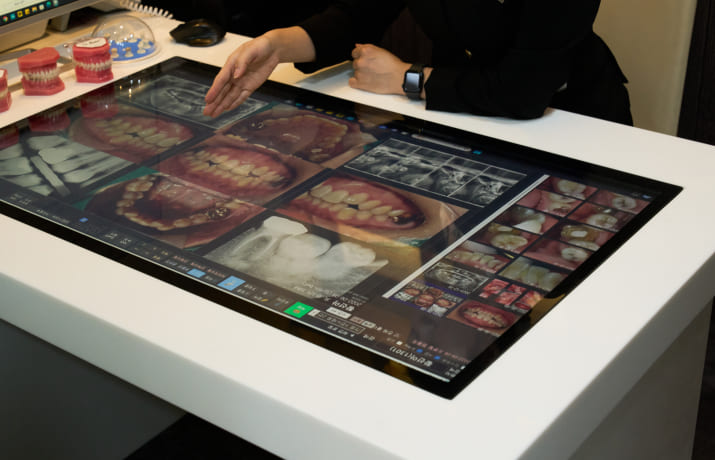
Regular progress evaluations are an essential part of orthodontic treatment. At intervals of approximately 6–12 months, X-rays and detailed clinical photographs may be taken to assess tooth movement and treatment progress. We then review these findings with the patient and adjust the treatment plan when necessary.

06

Regular Gum Care & Cavity Checks

Good oral hygiene is especially important during orthodontic treatment. At regular visits, we monitor gum health, provide professional cleaning when needed, and check carefully for early signs of tooth decay.

Regular Gum Care & Cavity Checks

The Details That Define the Quality of Orthodontic Treatment

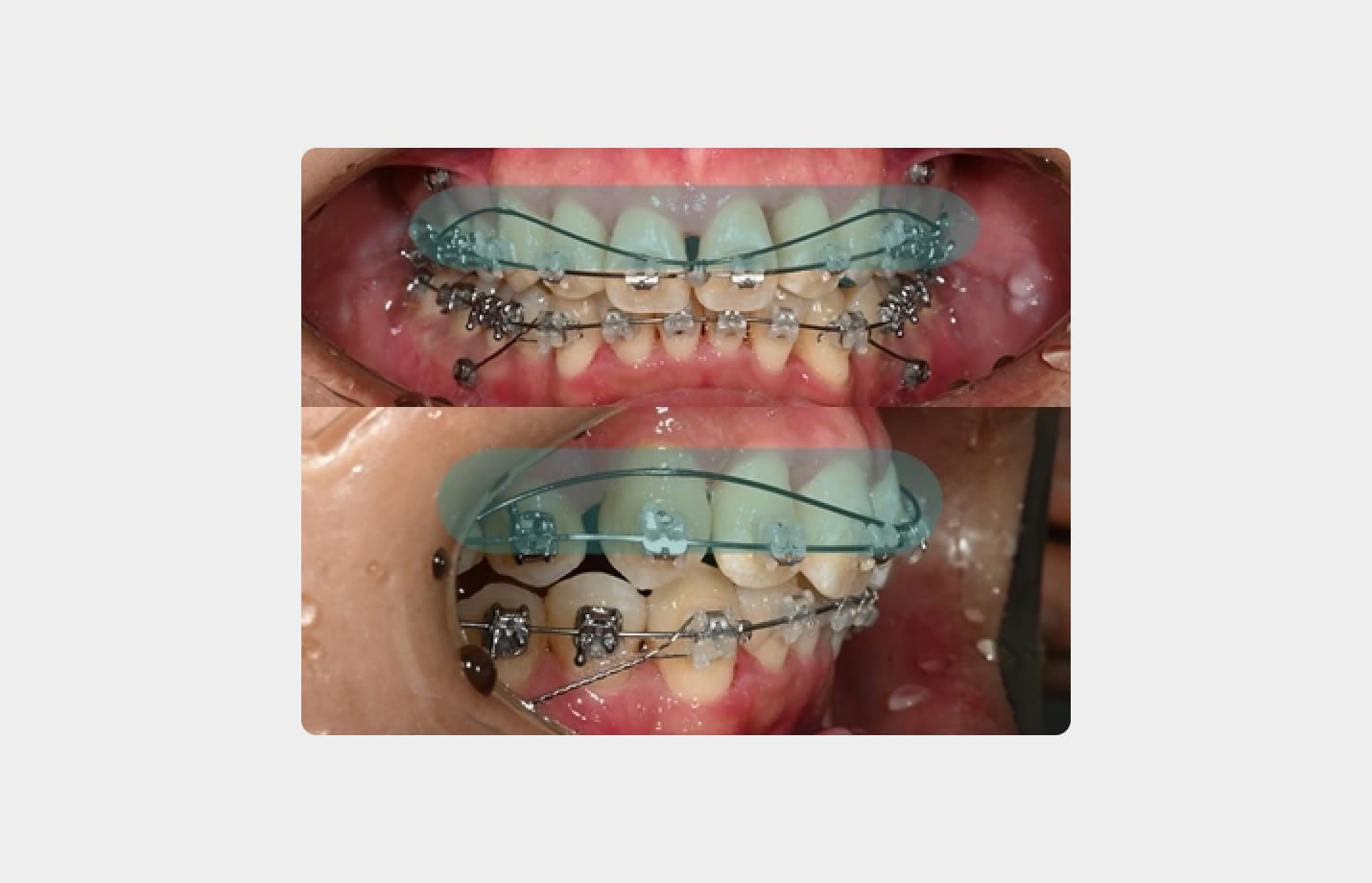
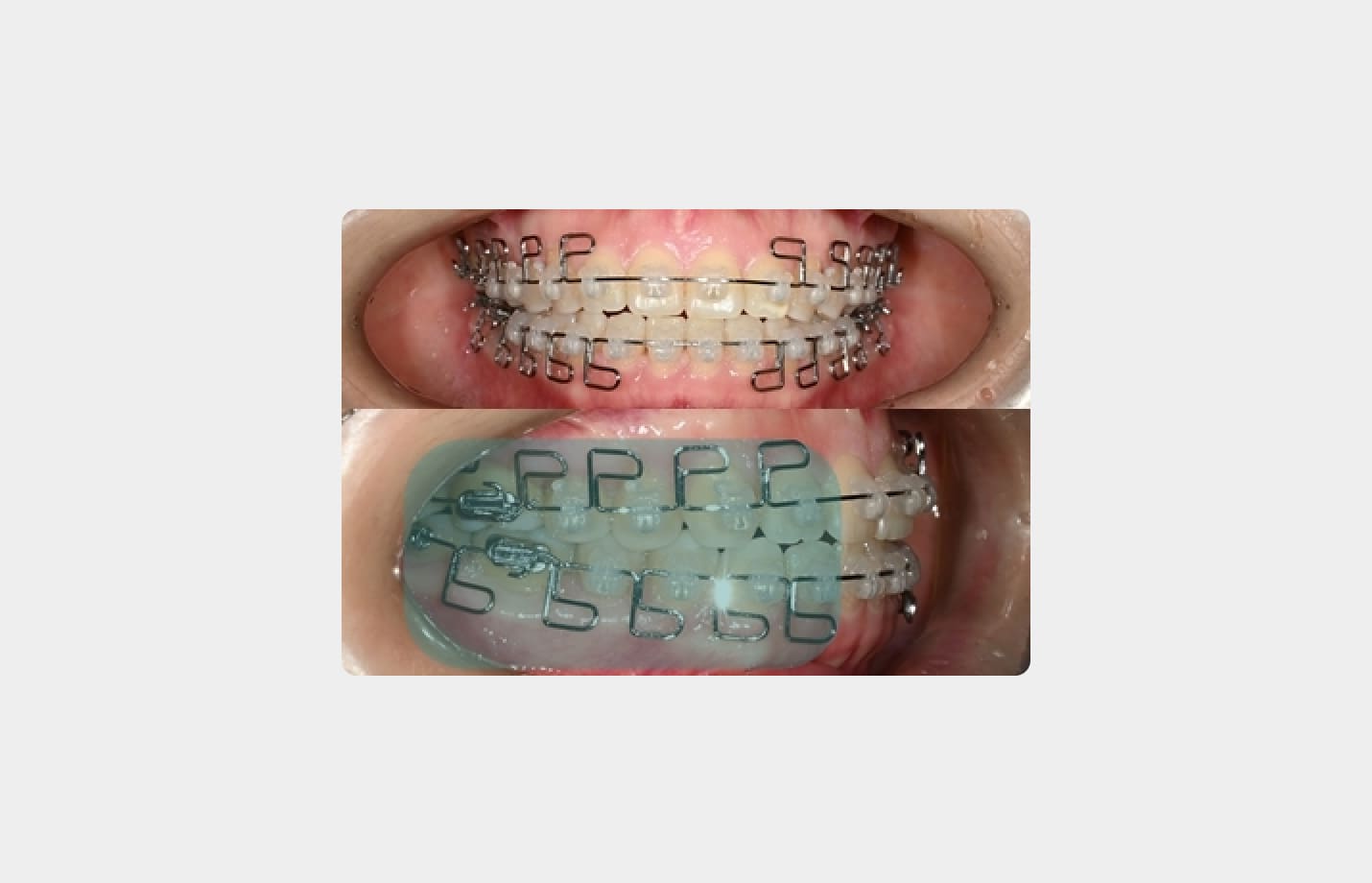
r-COS wire bending

01

r-COS wire bending

A reverse Curve of Spee can be incorporated into the archwire to help correct a deep bite and control the vertical position of the teeth.

02

Step Bend

Step bends allow fine vertical adjustment of individual teeth without repositioning the brackets.

Step Bend
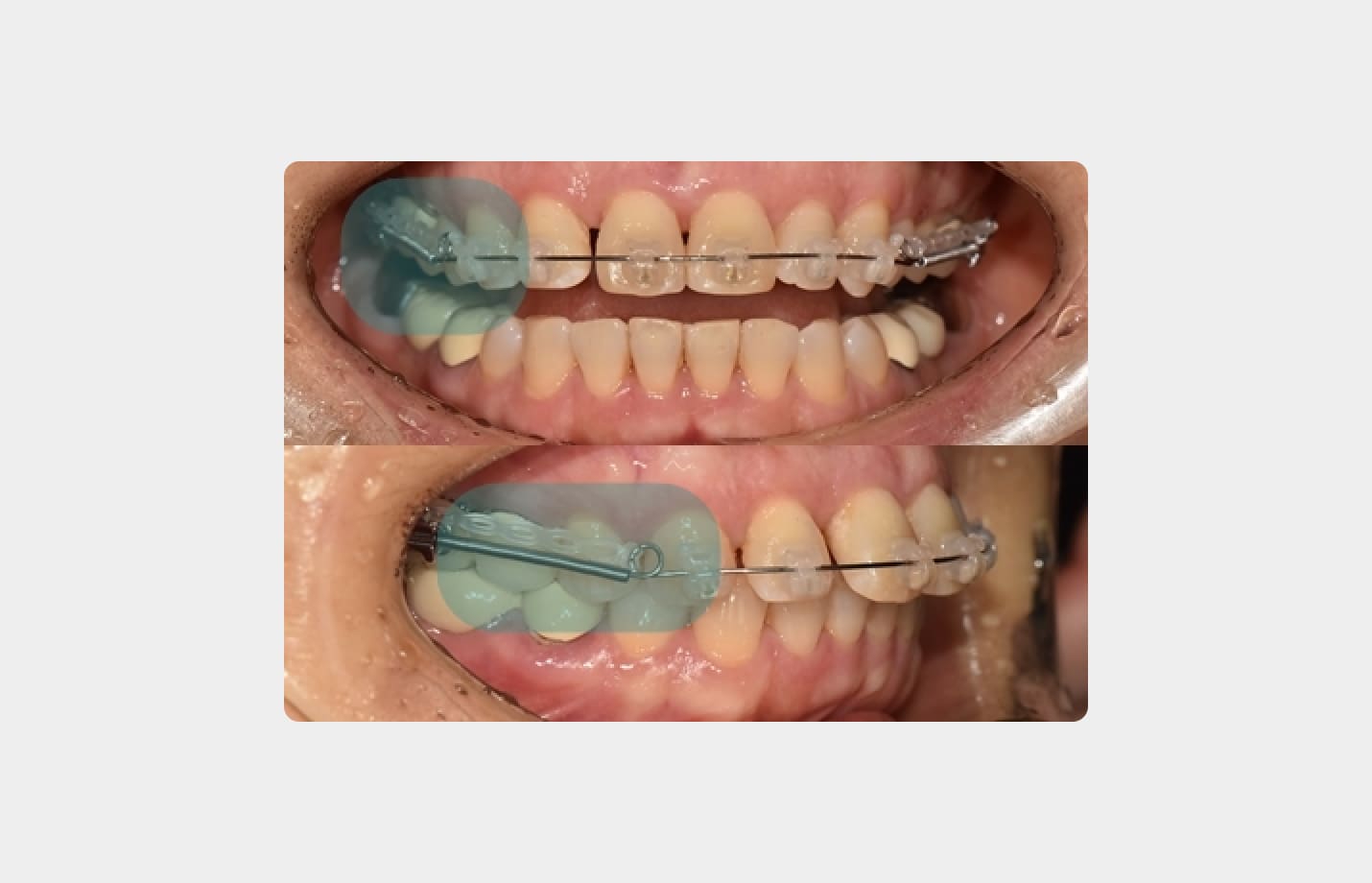
Anterior Torque Control

03

Anterior Torque Control

Precise torque control of the front teeth helps maintain their ideal inclination and prevents unwanted lingual tipping.

A Stable Finish Designed to Reduce the Risk of Retreatment

  • 01

    Establish a stable Class I molar relationship

    Establish a stable Class I molar relationship

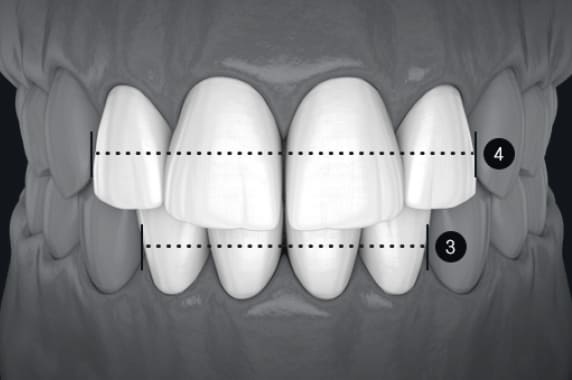
  • 02

    Achieve a balanced size relationship between the upper and lower teeth

    Achieve a balanced size relationship between the upper and lower teeth

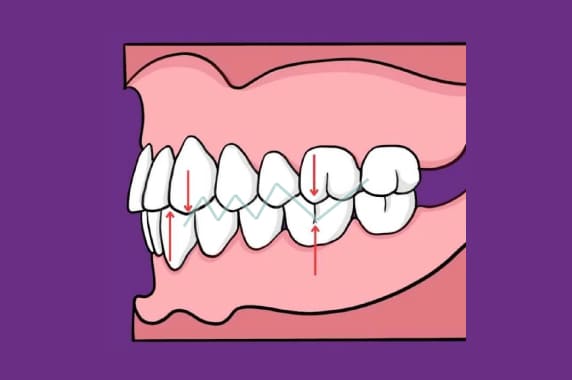
  • 03

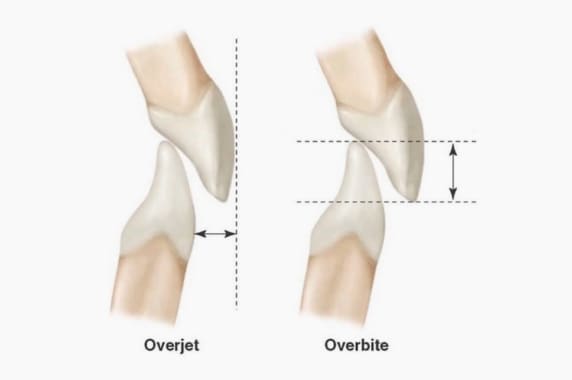
    Establish ideal overjet and overbite

    Establish ideal overjet and overbite

  • 04

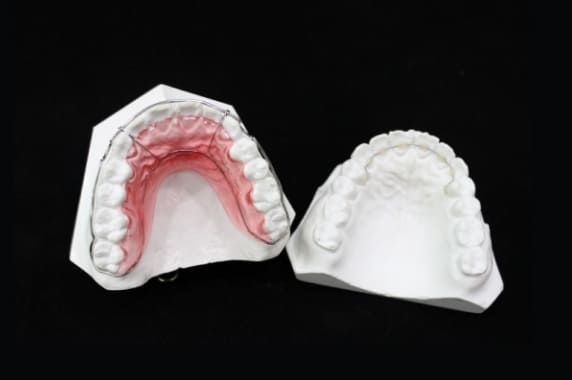
    Fabricate orthodontic retainers with precision

    Fabricate orthodontic retainers with precision

  • 05

    Monitor carefully for relapse during regular follow-up visits

    Monitor carefully for relapse during regular follow-up visits

What Is Clippy-C?

What Is Clippy-C?

Did you know that Clippy-C is actually a brand name rather than a separate type of orthodontic treatment?

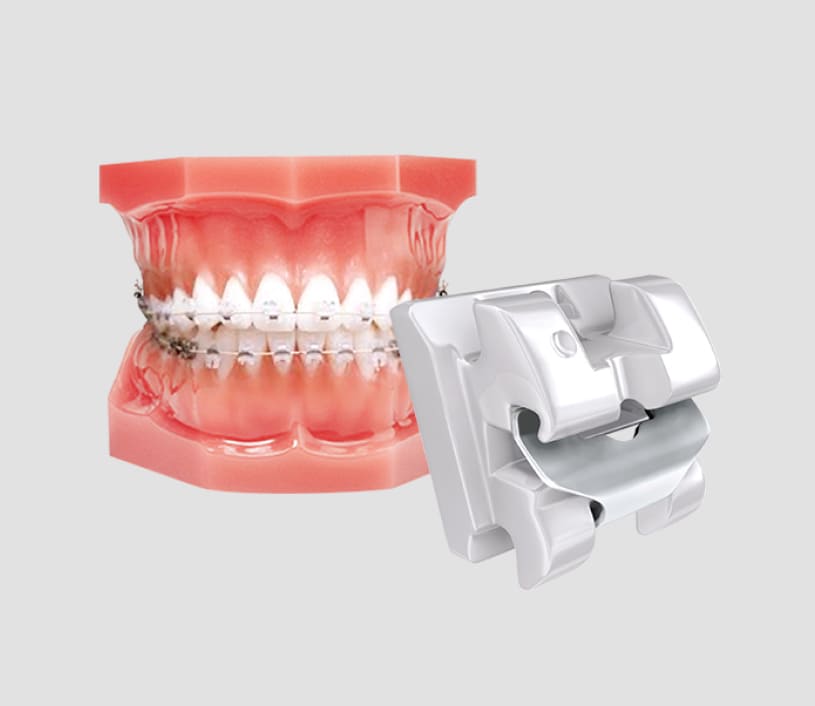
Just as Invisalign has become widely recognized as a clear aligner brand, Clippy-C is one of the commonly used self-ligating bracket systems attached directly to the teeth.

Clippy-C is a self-ligating ceramic bracket designed to combine orthodontic efficiency with improved aesthetics.

Types of Orthodontic Brackets

Metal Brackets

01

Metal Brackets

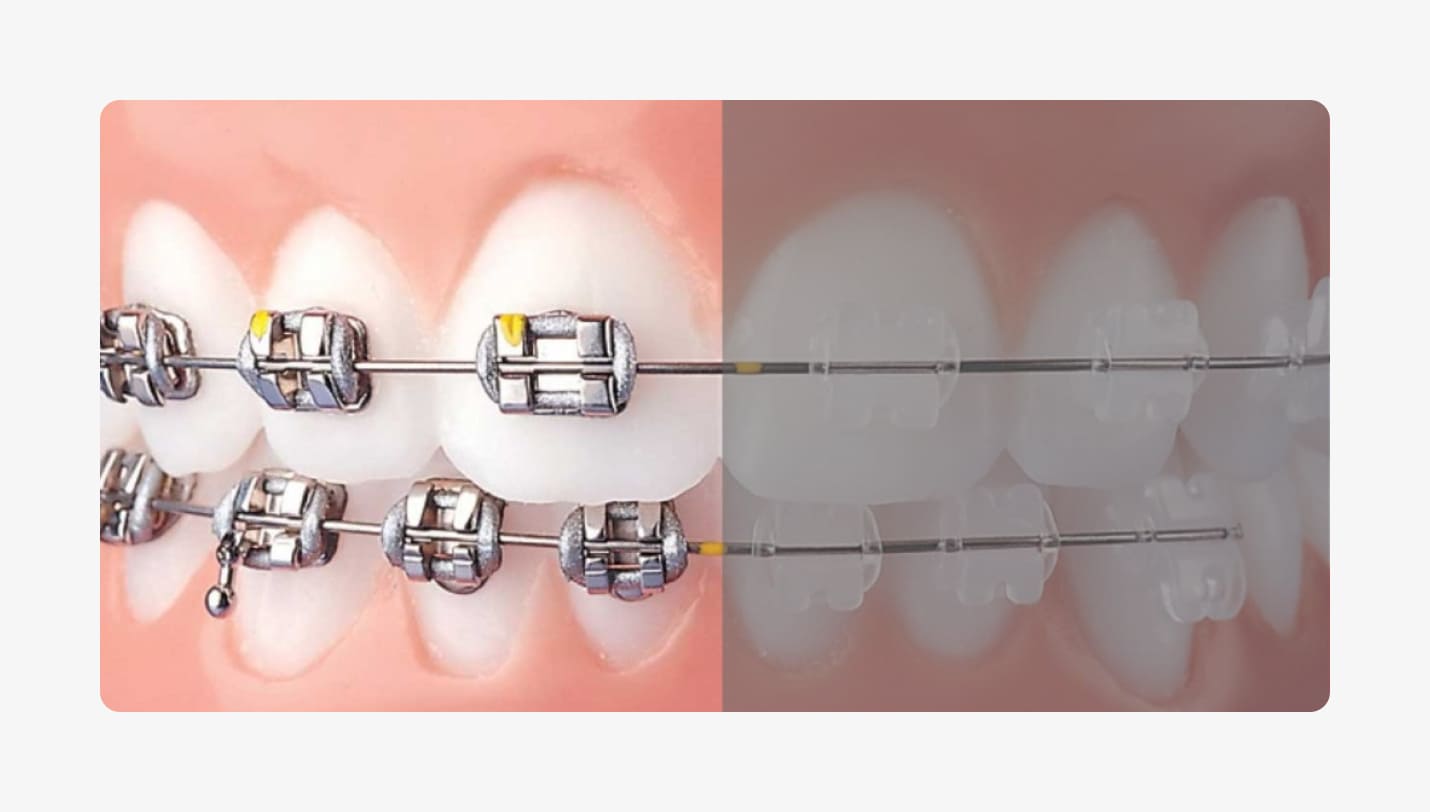
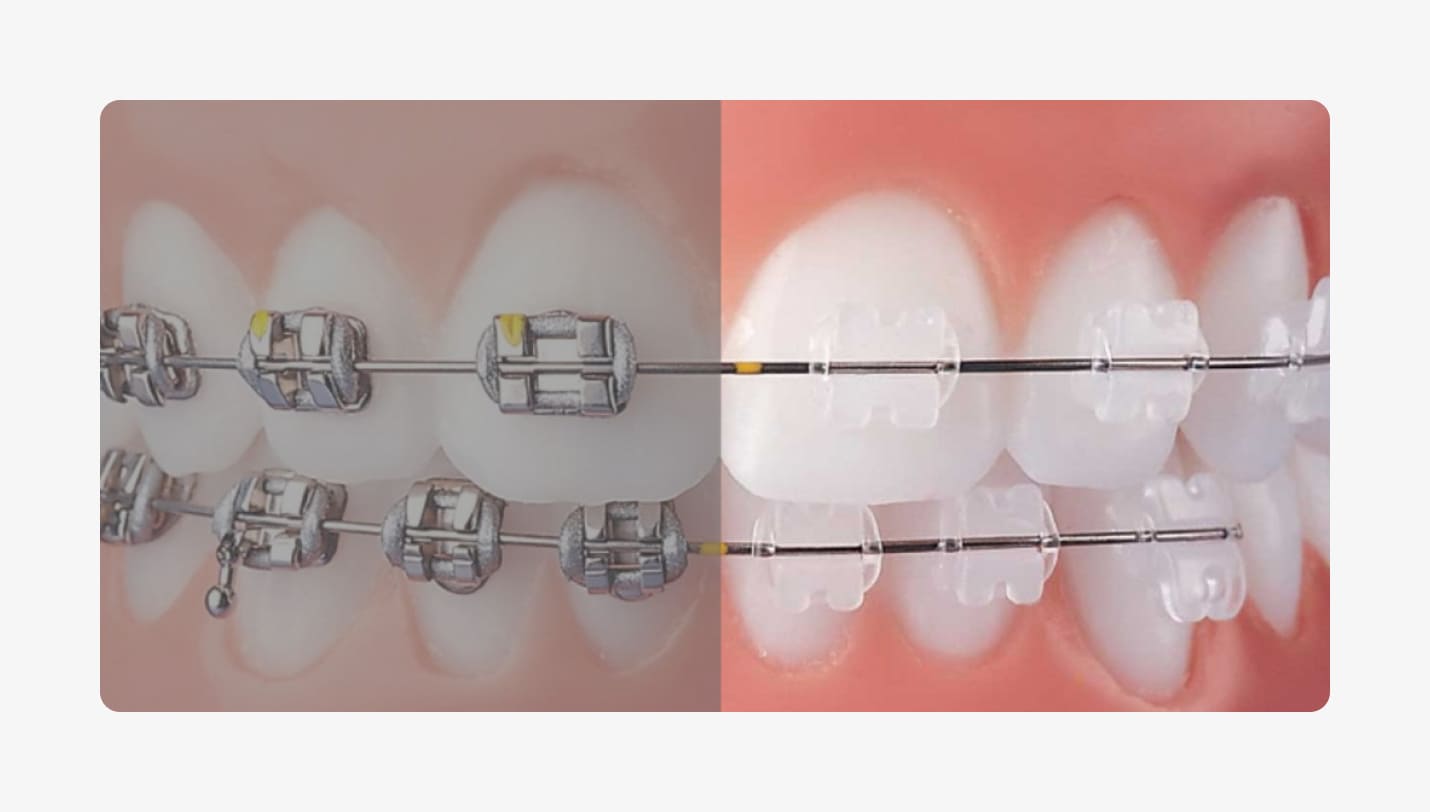
Metal brackets are the most traditional type of fixed orthodontic appliance. They are durable and generally more affordable, but they are also more noticeable.

02

Ceramic Brackets

Ceramic brackets are designed to blend more naturally with the teeth and provide better aesthetics. Compared with metal brackets, however, they may be more expensive, bulkier, and more susceptible to fracture.

Ceramic Brackets

Bracket Types by Ligation Method

Conventional Ligating Brackets

03

Conventional Ligating Brackets

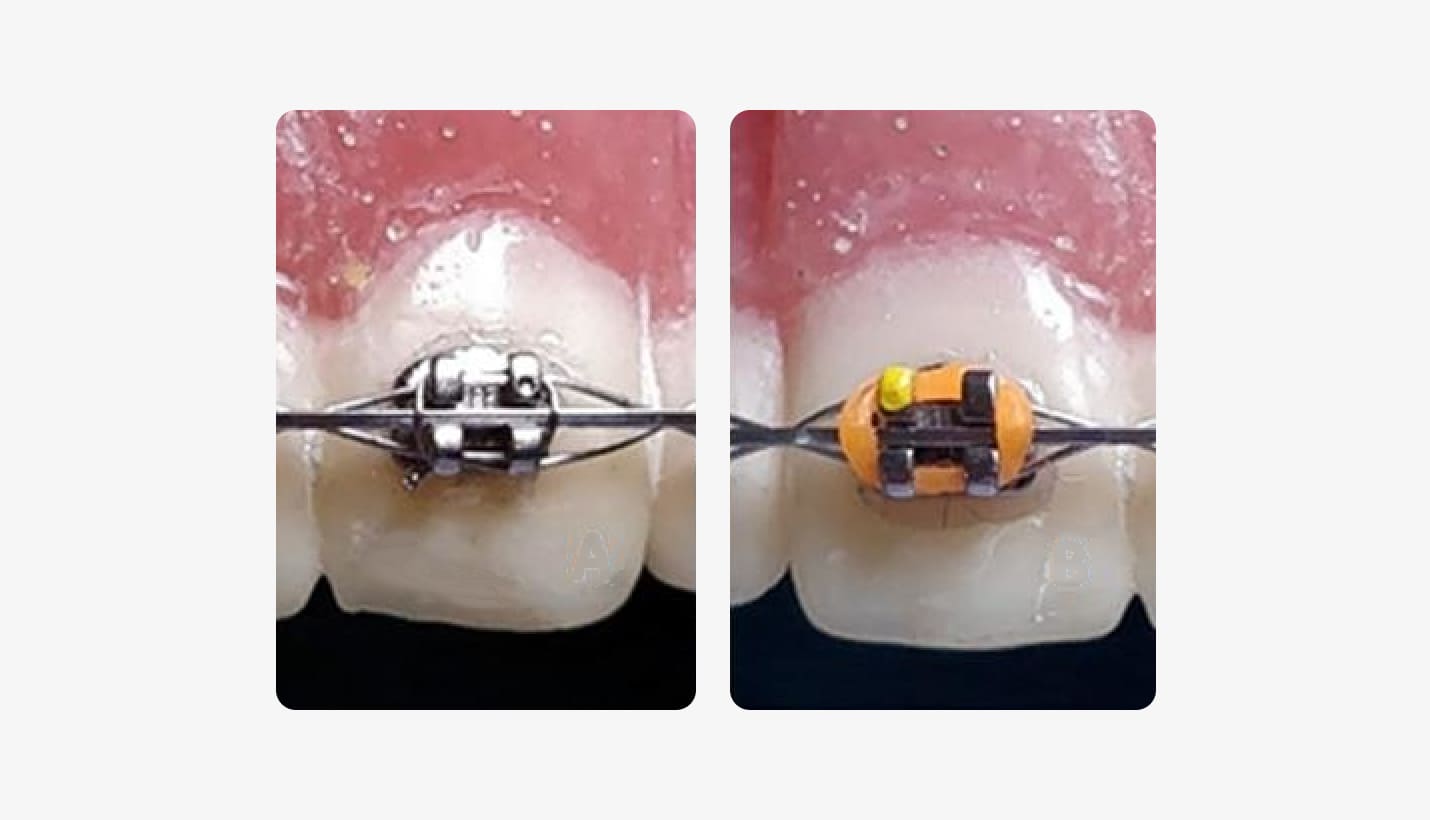
These brackets require elastic or wire ligatures to secure the archwire. Adjustment appointments may take longer compared with self-ligating systems.

04

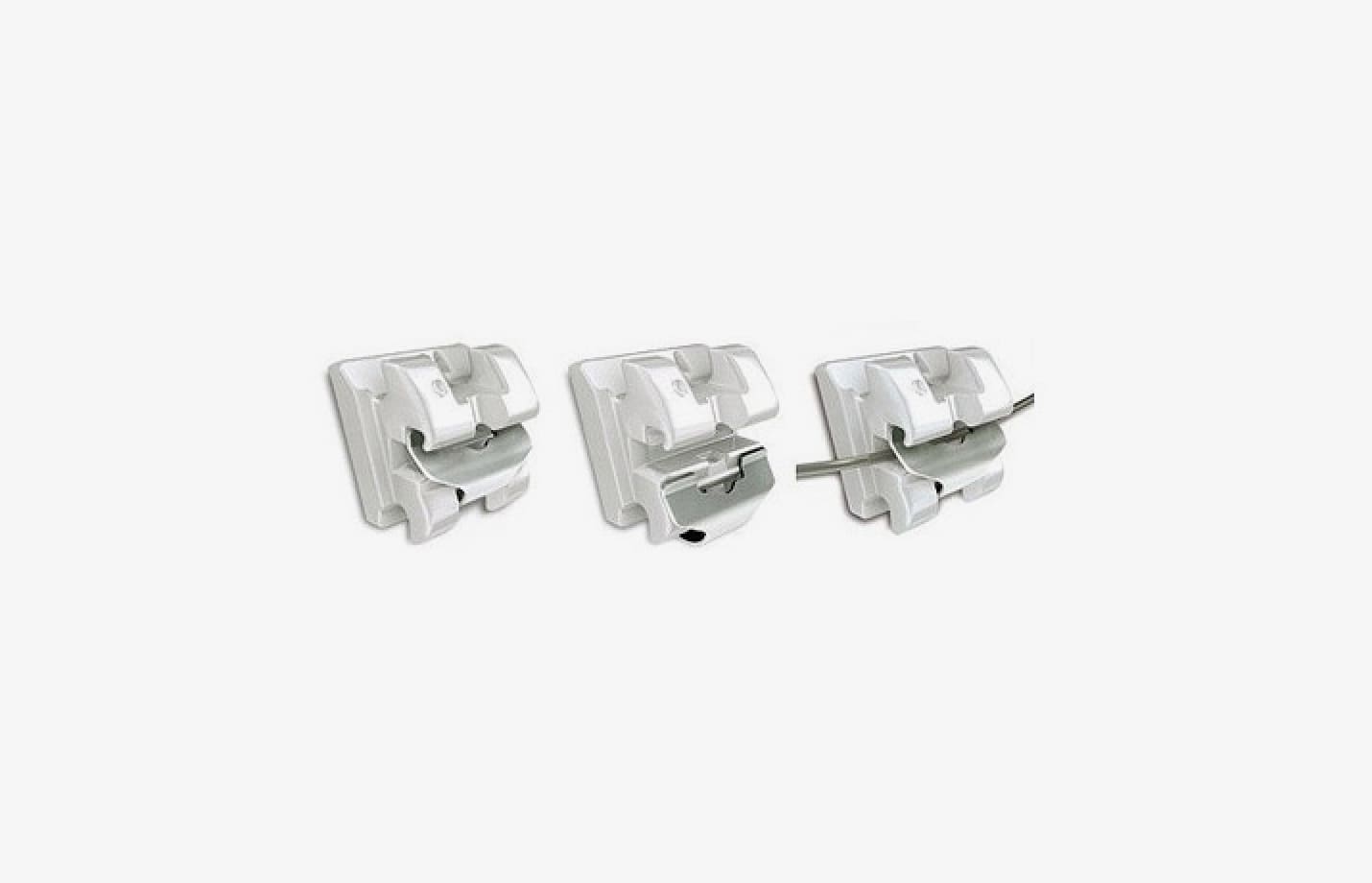
Self-Ligating Brackets

Self-ligating brackets use a built-in clip or sliding mechanism to hold the archwire, helping simplify wire changes and reduce chair time.
Self-Ligating Brackets

Bracket Types by Placement

Buccal Braces

01

Buccal Braces

Buccal braces are the most common and traditional form of bracket orthodontics, with appliances attached to the outer surfaces of the teeth. They provide efficient force delivery and are generally more affordable than lingual braces.

02

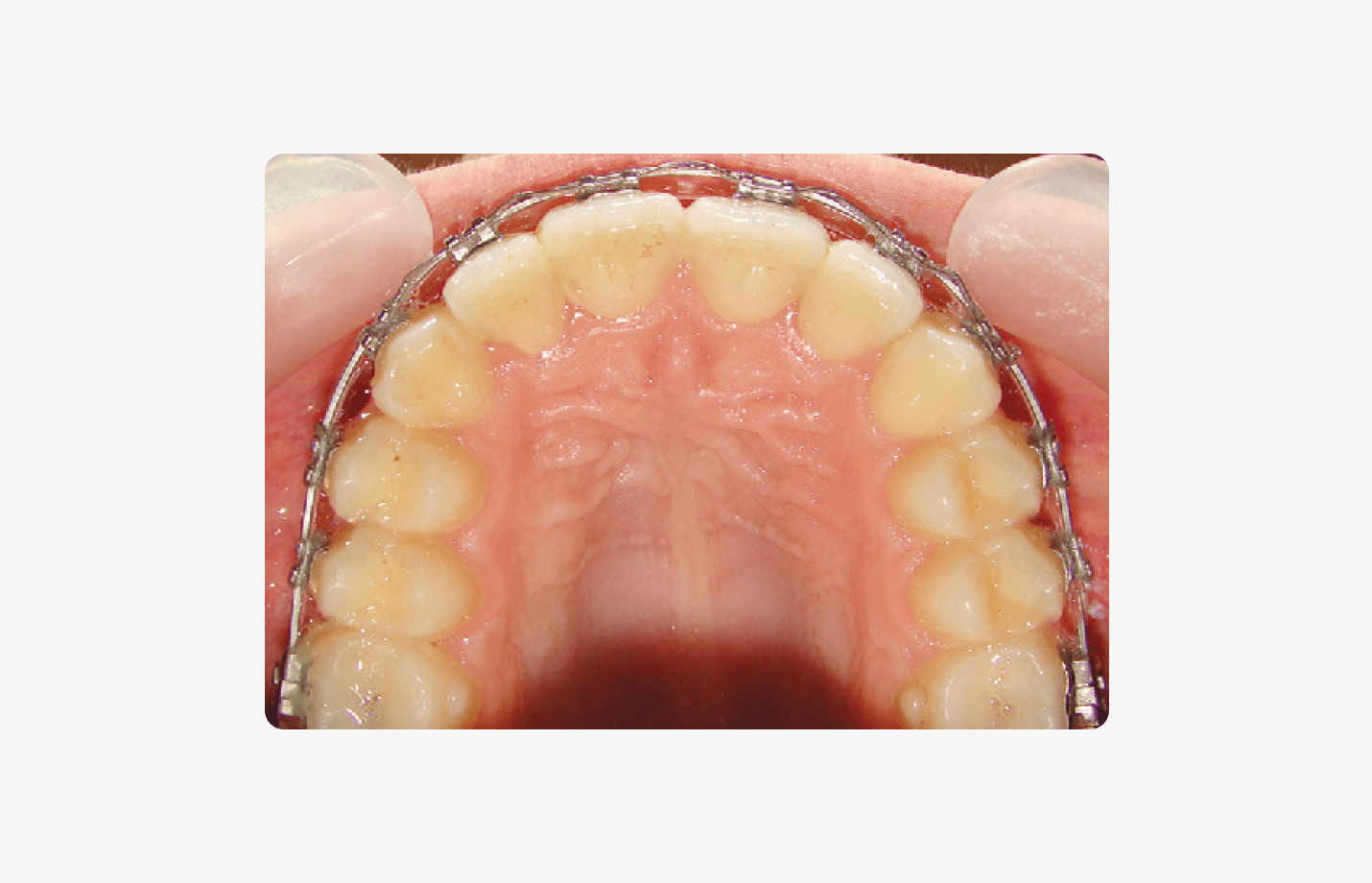
Lingual Braces

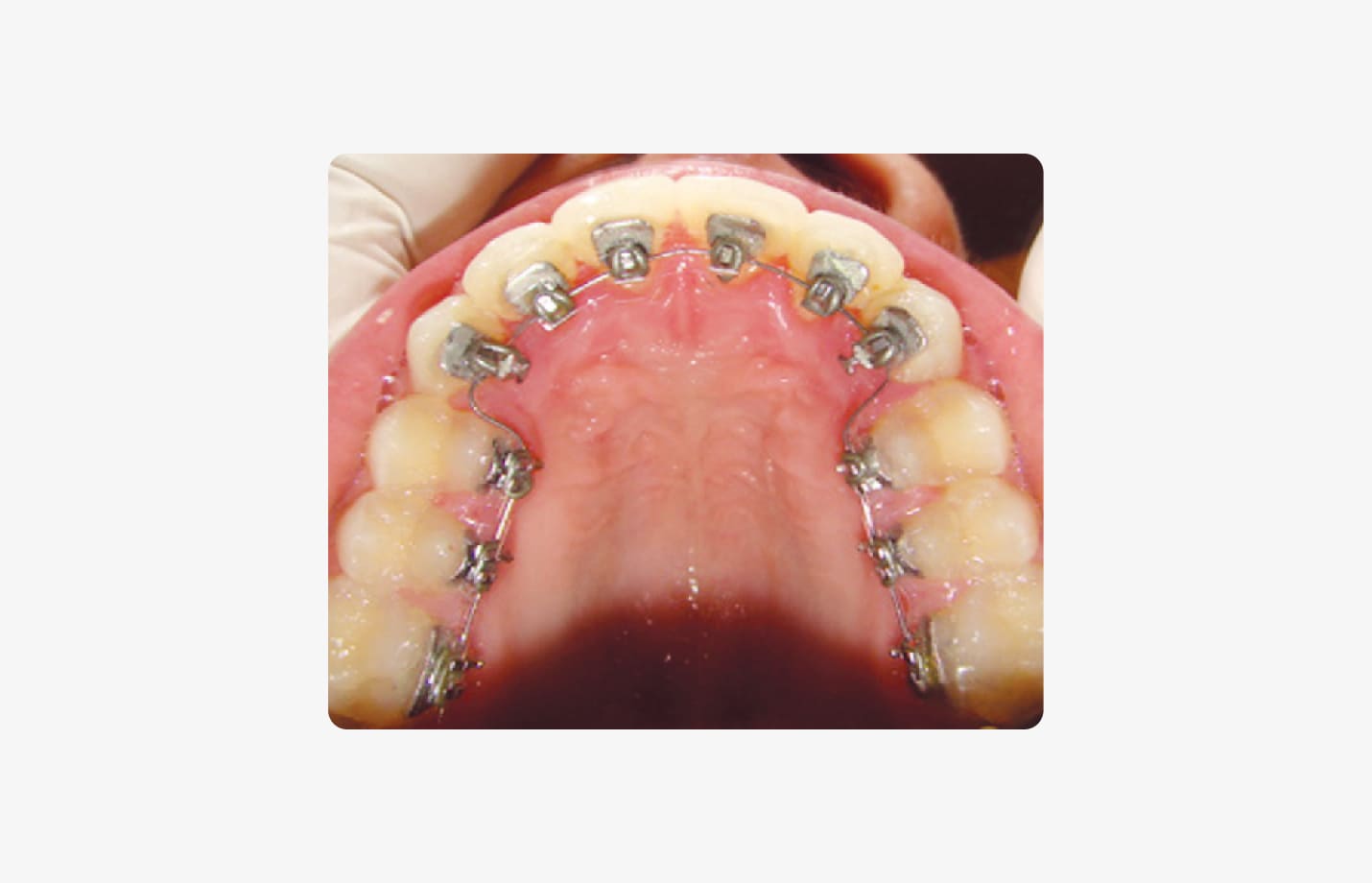
Lingual braces are attached to the inner surfaces of the teeth, making them less visible from the outside. However, they are generally more expensive and can be more technically demanding. At The Square Dental Clinic, Invisalign may also be considered for patients who prioritize aesthetics and are suitable candidates for clear aligner treatment.

Lingual Braces

Clippy-C Braces FAQ

Everything You Need to Know About Orthodontics

Orthodontics Encyclopedia

치아교정 백과사전

The Square Dental Clinic’s Orthodontic Expertise

치아교정 상담

Specialist Column