Why Choose The Square Dental Clinic for Implant Surgery?
01
Extensive Surgical Experience and Clinical Data
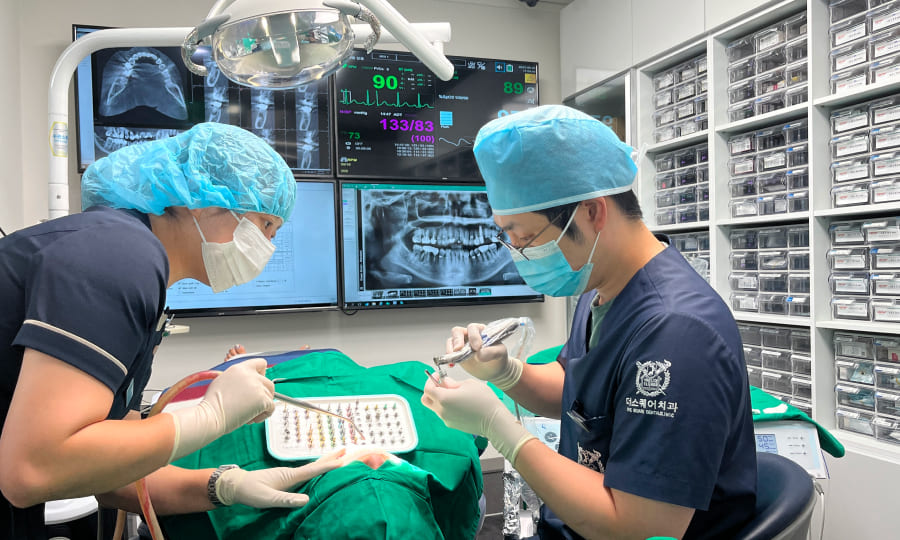
Successful implant treatment requires extensive surgical experience and careful clinical judgment. At The Square Dental Clinic, implant surgeries are personally performed by our chief director, with comprehensive care extending through postoperative follow-up.
02
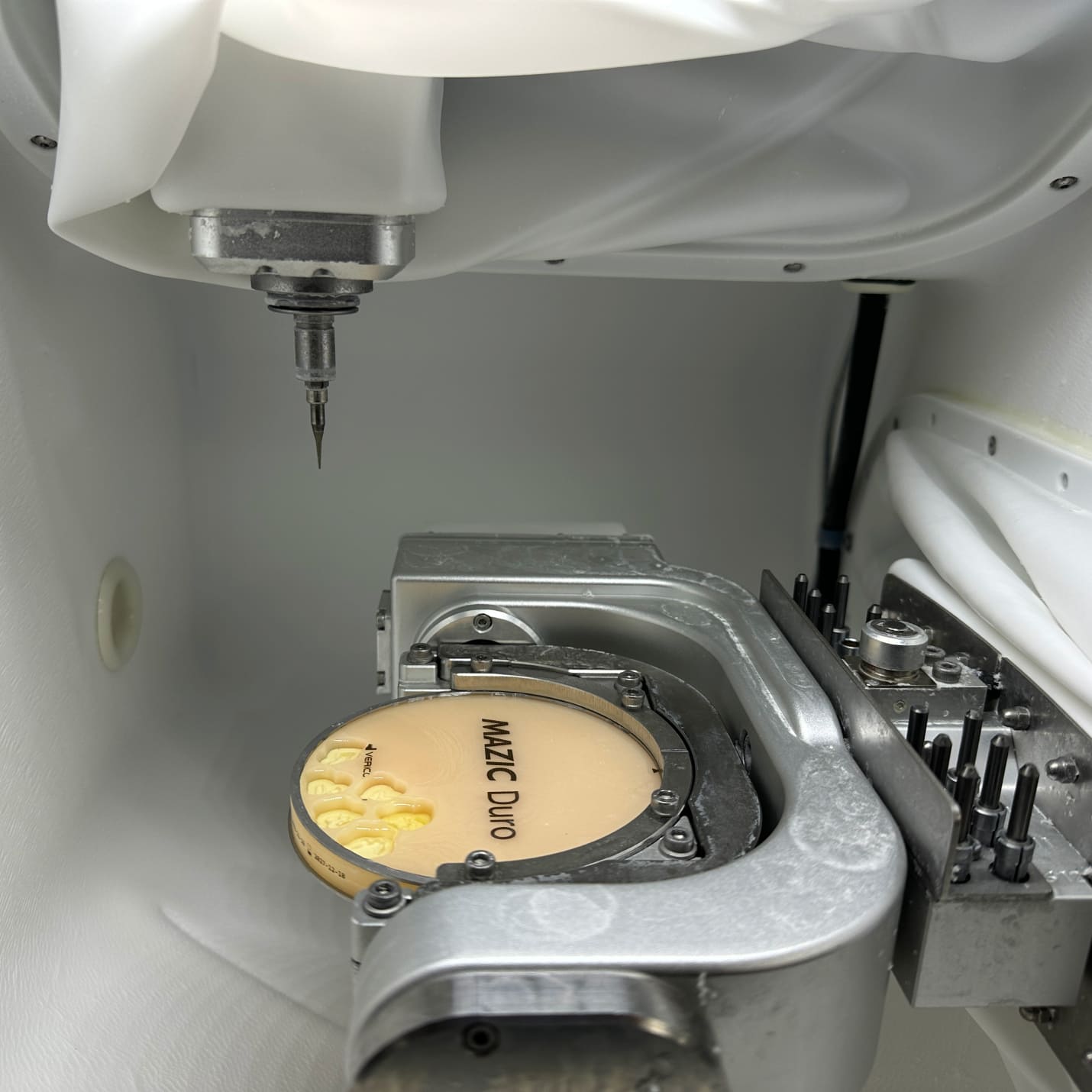
Comfortable, Natural-Looking Restorations Made in Our In-House Digital Dental Lab
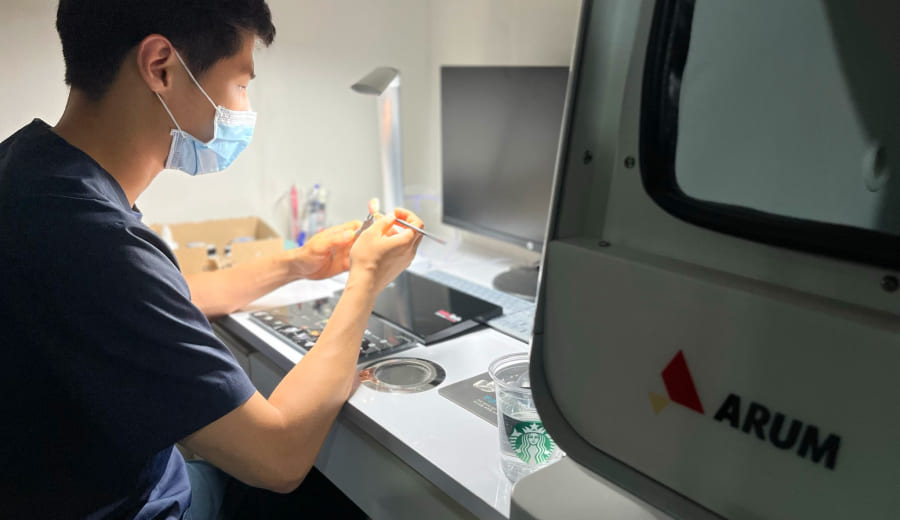
Through collaboration between our specialists in integrated dentistry and an SNU-trained prosthodontist with a Ph.D., implant restorations are designed and fabricated in-house with direct involvement from our chief director and senior dental technician.
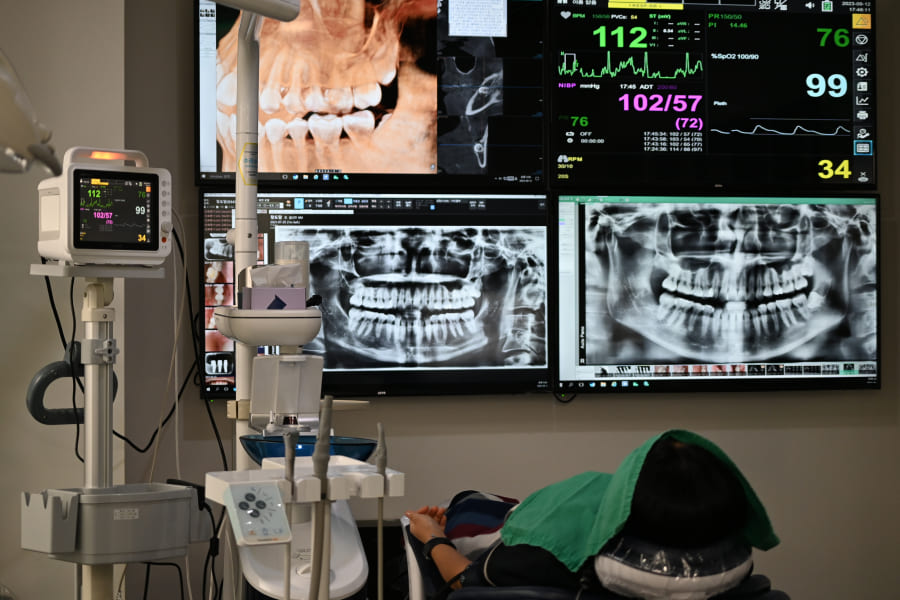
Our clinic is equipped with dedicated surgical facilities, patient monitoring systems, and emergency equipment to support safe implant procedures.
04
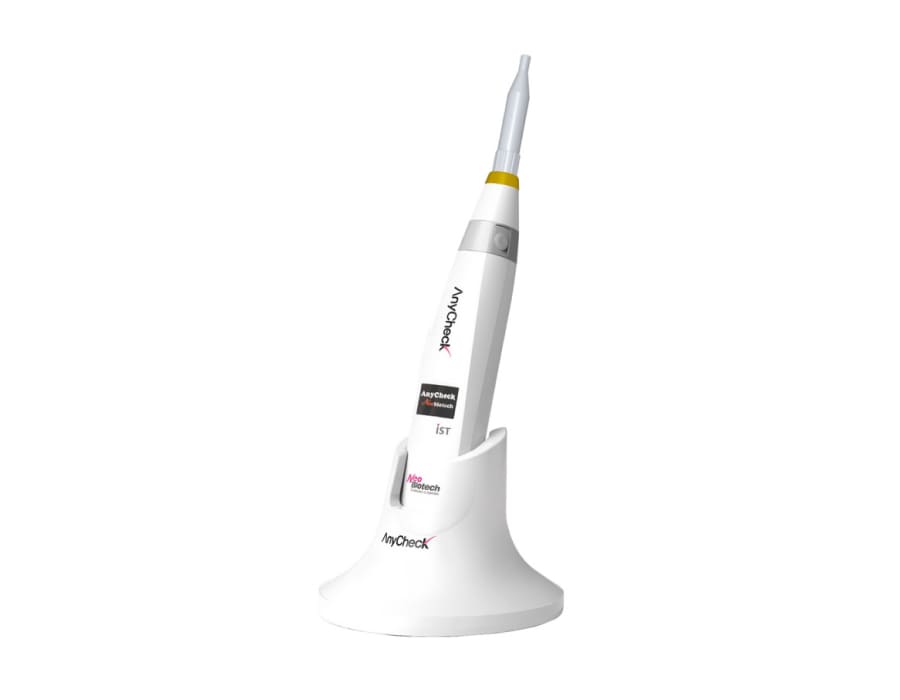
Osstell Mentor & AnyCheck for Implant Stability Assessment
Implant stability is objectively assessed before proceeding to the prosthetic stage. Osstell uses ISQ (Implant Stability Quotient) values to help evaluate implant stability and determine the appropriate timing for prosthetic loading.
05
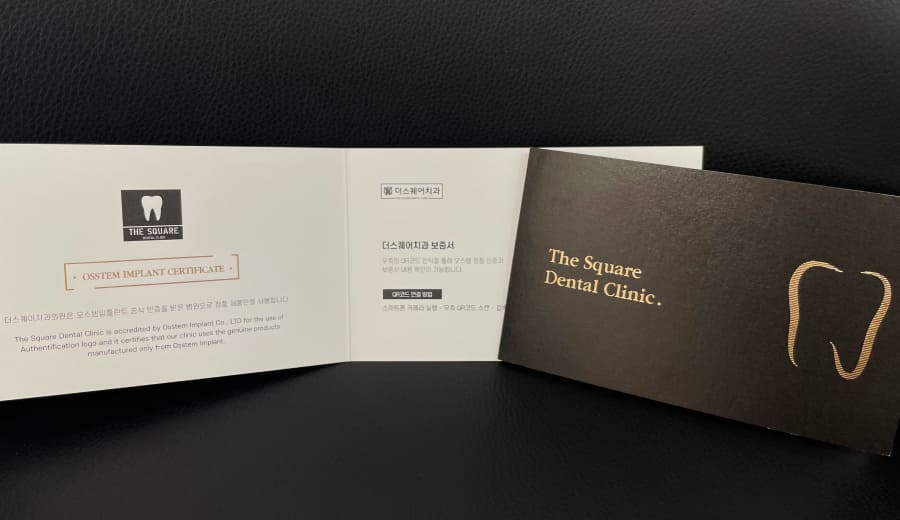
Implant Authenticity Certificate
We provide documentation for the implant system and components used in treatment, allowing patients to clearly identify the products used in their surgery.
06
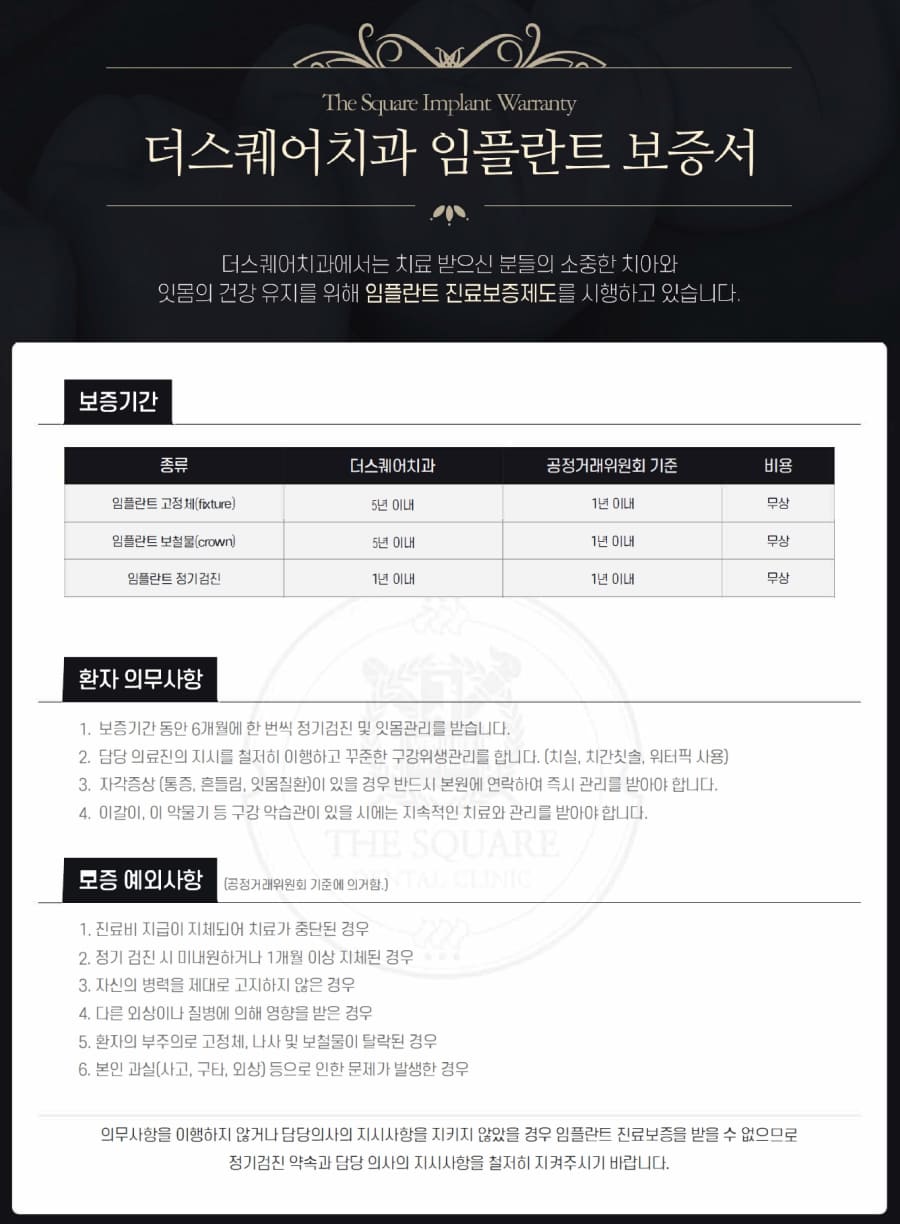
Comprehensive Treatment Warranty
Long-term maintenance is just as important as treatment itself. The Square Dental Clinic provides a structured warranty and follow-up program according to treatment type and applicable conditions to support the long-term health and function of your implants.
What Is a Dental Implant?
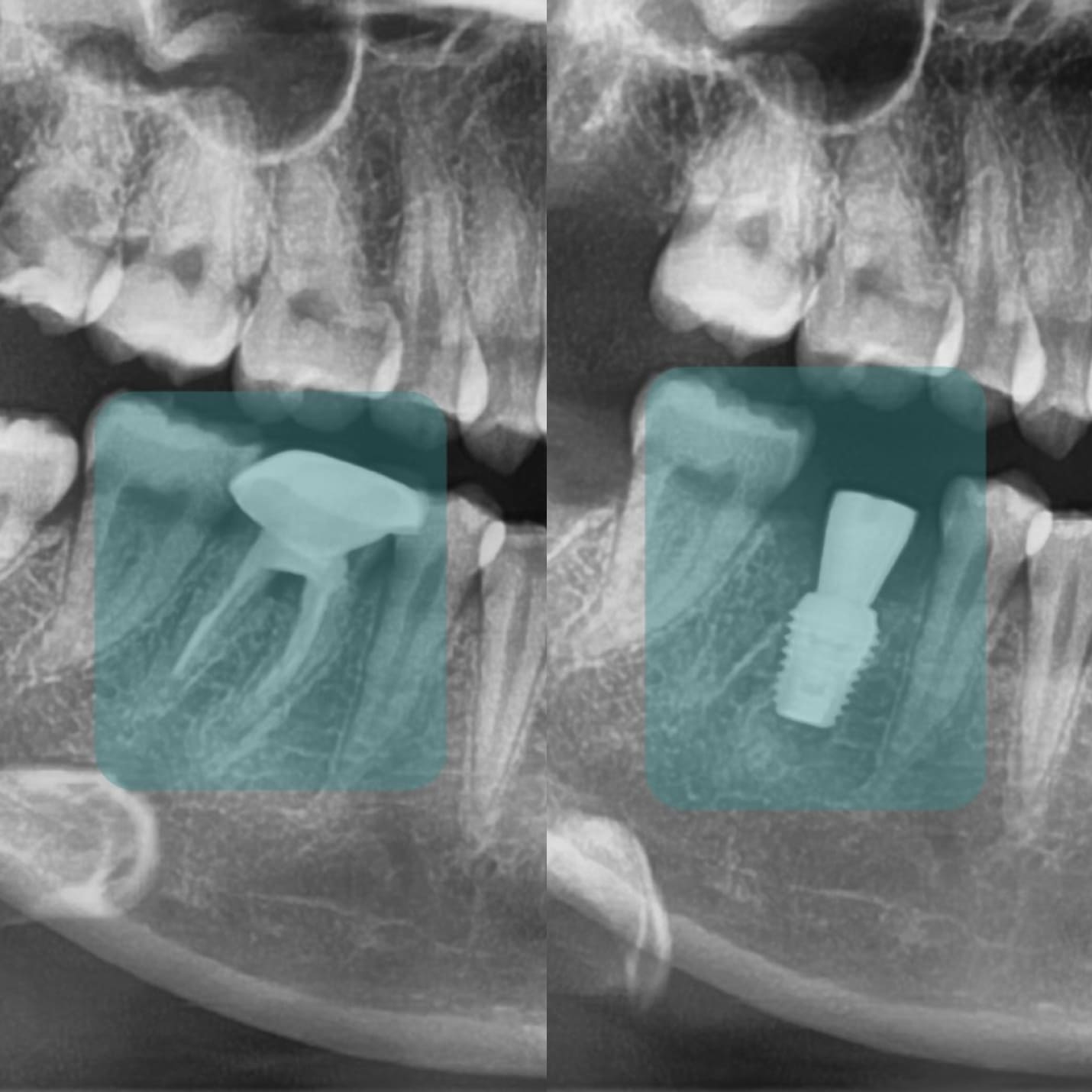
A dental implant replaces a missing tooth by placing a titanium implant fixture, which acts as an artificial tooth root, into the jawbone. After a period of healing, a dental restoration is attached to restore the appearance and function of the missing tooth. Titanium is lightweight, strong, and highly biocompatible, making it widely used for dental implants.
01
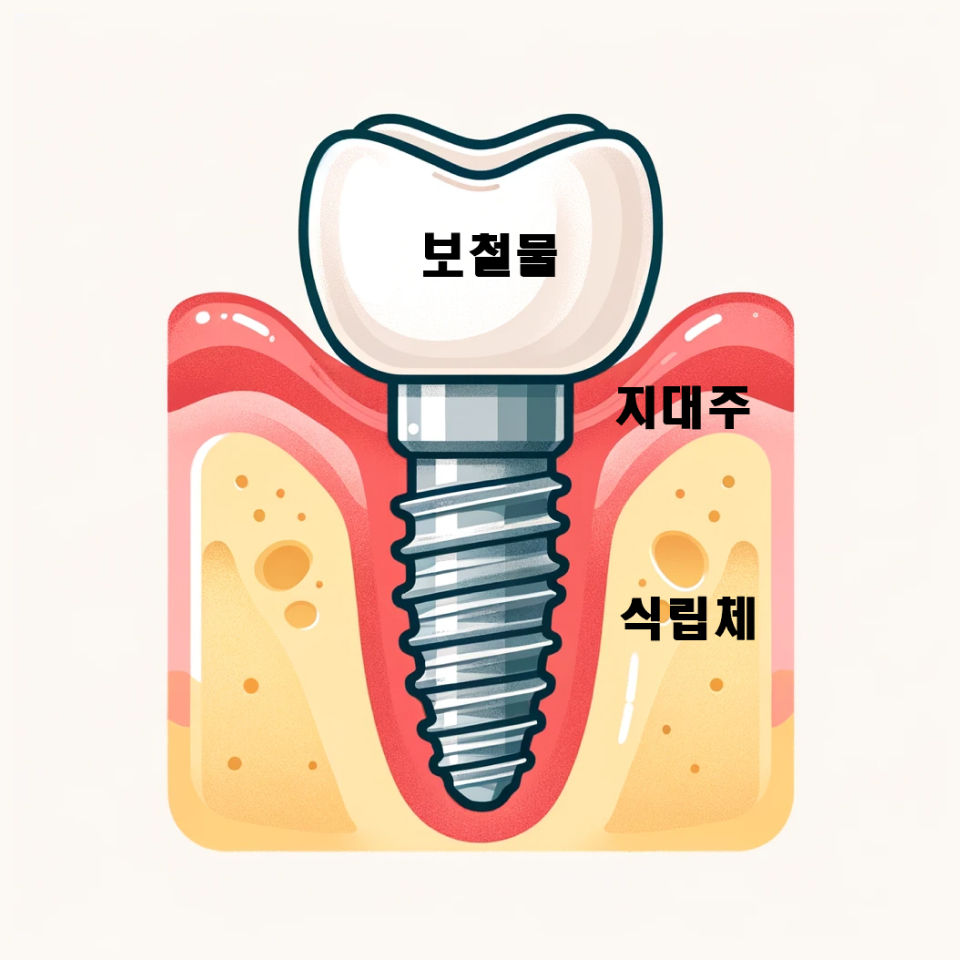
Structure of a Dental Implant
Although implant systems vary in design, most commonly consist of three main components:
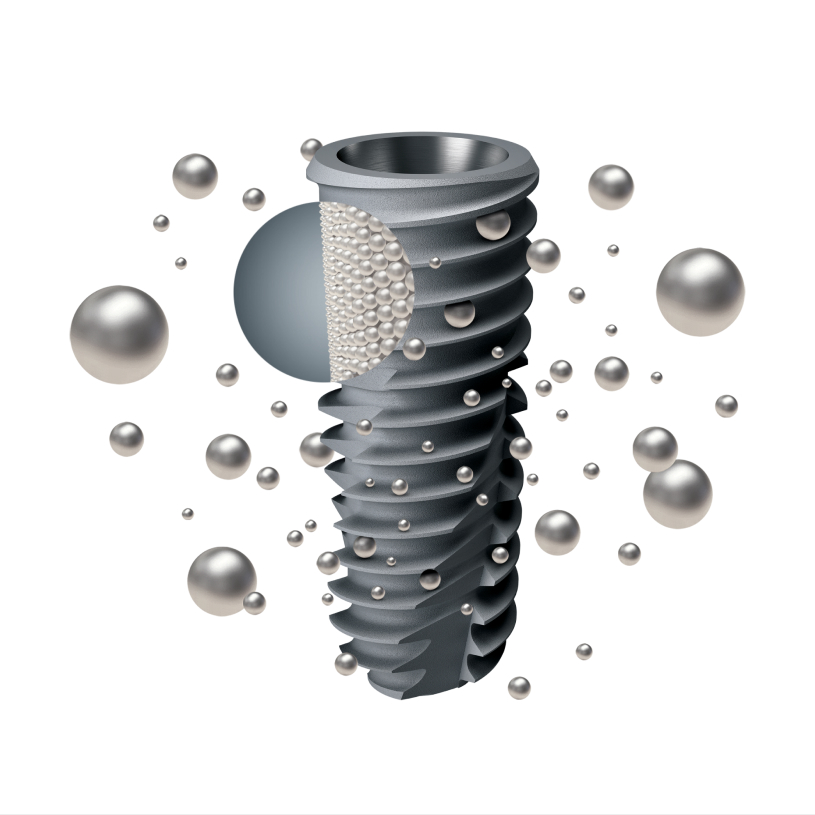
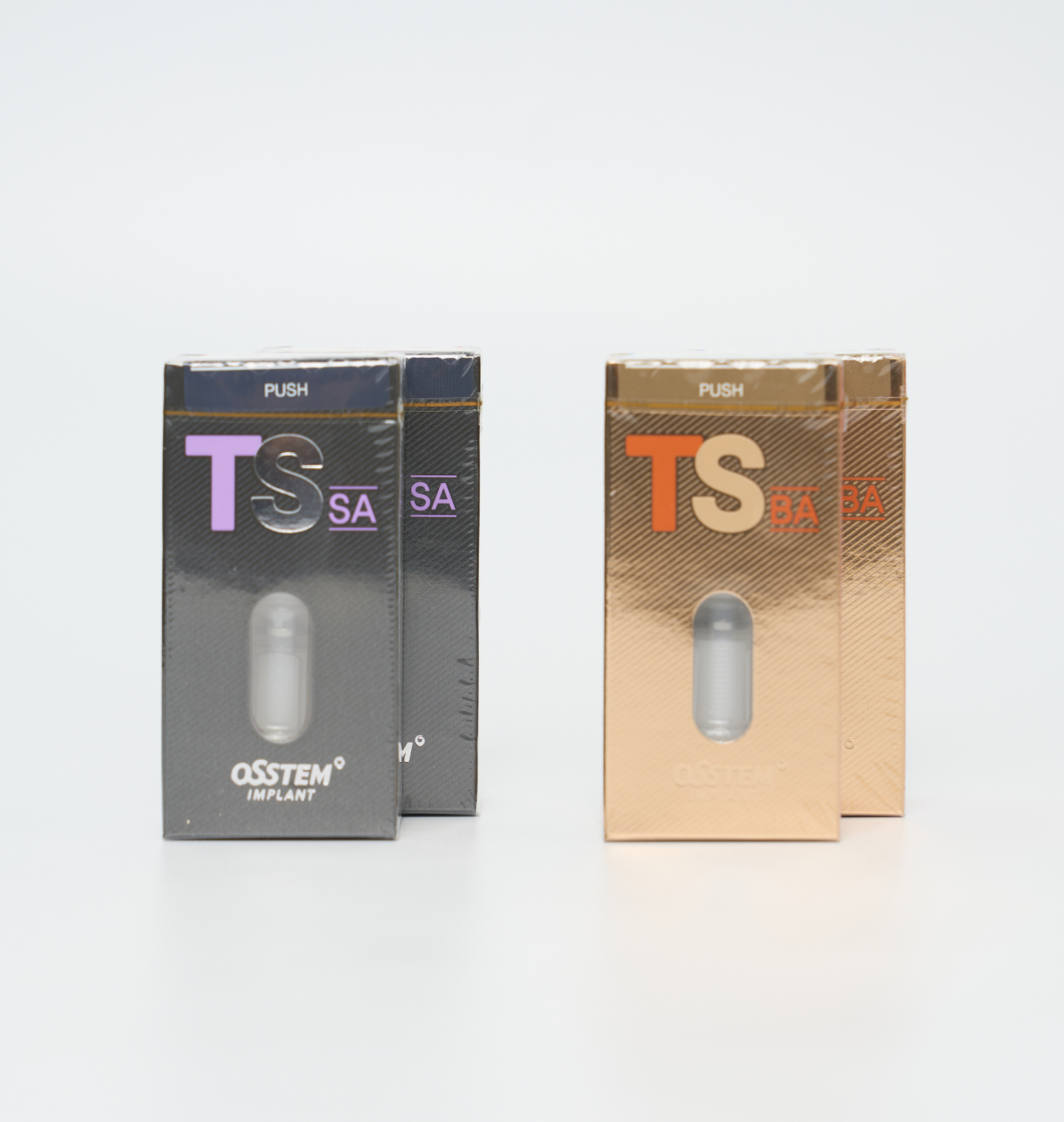
There are numerous implant manufacturers and product lines available in Korea. Major Korean implant brands include Osstem, NeoBiotech, Dentium, MegaGen, and DIO. Each manufacturer offers different implant designs and surface technologies for different clinical situations.
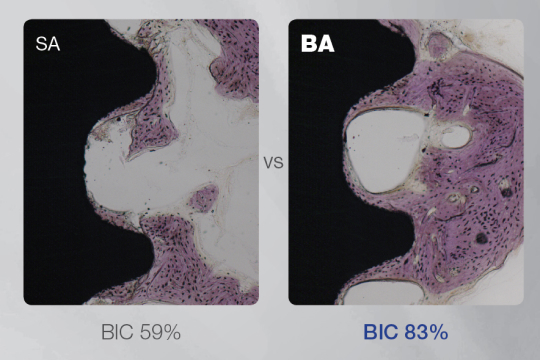
For example, Osstem offers several implant designs, including TS, US, and SS. Within the widely used TS system, different surface technologies include SA, CA, SOI, and BA.
At The Square Dental Clinic, we primarily use the Osstem TSIII system, selecting the appropriate surface and implant type according to each patient’s bone condition and treatment plan.
03
Are Dental Implants Safe?
Dental implants are a well-established treatment for replacing missing teeth and have been supported by extensive clinical research. Successful treatment, however, depends on accurate diagnosis, appropriate case selection, precise surgery, proper prosthetic treatment, and long-term maintenance.
Titanium is widely used for implants because of its strength and excellent biocompatibility.
Unlike a conventional dental bridge, which may require preparation of neighboring teeth, a dental implant can replace an individual missing tooth without relying on adjacent teeth for support.
Dental Implant Cost
Dental implant fees vary considerably depending on the clinic, implant system, surgical complexity, final restoration, and whether additional procedures such as bone grafting or sinus augmentation are required.
When comparing implant costs, it is important to check what is included in the quoted price—such as the implant fixture, abutment, zirconia crown, bone grafting, additional surgery, follow-up care, and warranty program.
How Long Does Implant Treatment Take?
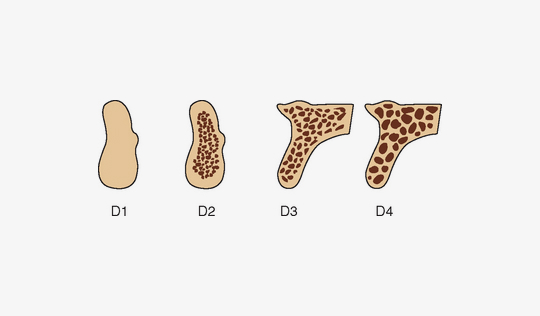
The treatment period varies considerably depending on bone quantity and quality. When sufficient bone is available and primary implant stability is favorable, treatment may be completed relatively quickly. When extensive bone grafting is required or bone quality is compromised, healing may take six months or longer.
Treatment in the lower jaw is often completed sooner than in the upper jaw because bone density is generally higher in many areas of the mandible.
If severe infection is present and the extraction socket needs to heal before implant placement, the overall treatment period may extend further.
Why Does Implant Treatment Take Time?
Titanium has the ability to integrate directly with bone through a biological process called osseointegration.
Because osseointegration depends on cellular bone healing and remodeling, adequate healing time is necessary before the implant can safely support full functional loading.
Types of Implant Surgery
01
Immediate Implant Placement
Immediate implant placement involves placing an implant at the same appointment as tooth extraction. When clinically appropriate, it can help reduce the number of surgical procedures and shorten the overall treatment period while helping preserve the surrounding bone and soft-tissue architecture.
However, immediate placement is not appropriate for every case. Severe acute infection, extensive bone loss, unfavorable anatomy, proximity to important anatomical structures, or inability to achieve sufficient primary stability may require a staged approach.
02
Same-Day Implant with Immediate Temporary Restoration
In selected cases, a temporary restoration can be connected on the day of implant surgery to restore appearance and limited function during healing.
Immediate provisionalization requires careful case selection, sufficient implant stability, precise prosthetic planning, and an appropriate digital workflow.
03
Guided Implant Surgery
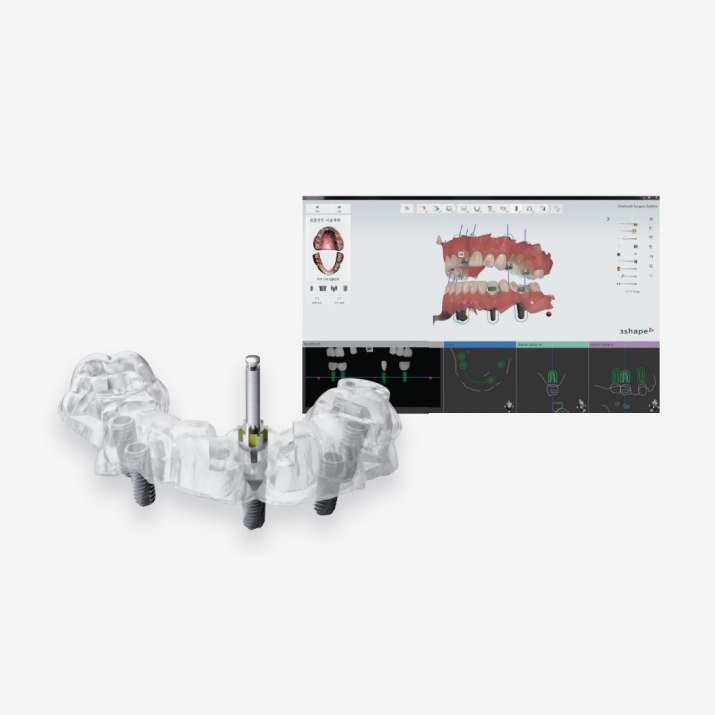
Guided implant surgery begins with digital planning and virtual implant placement. A customized surgical guide is then fabricated to transfer the planned implant position, angle, and depth to the actual surgery.
04
Flapless Implant Surgery
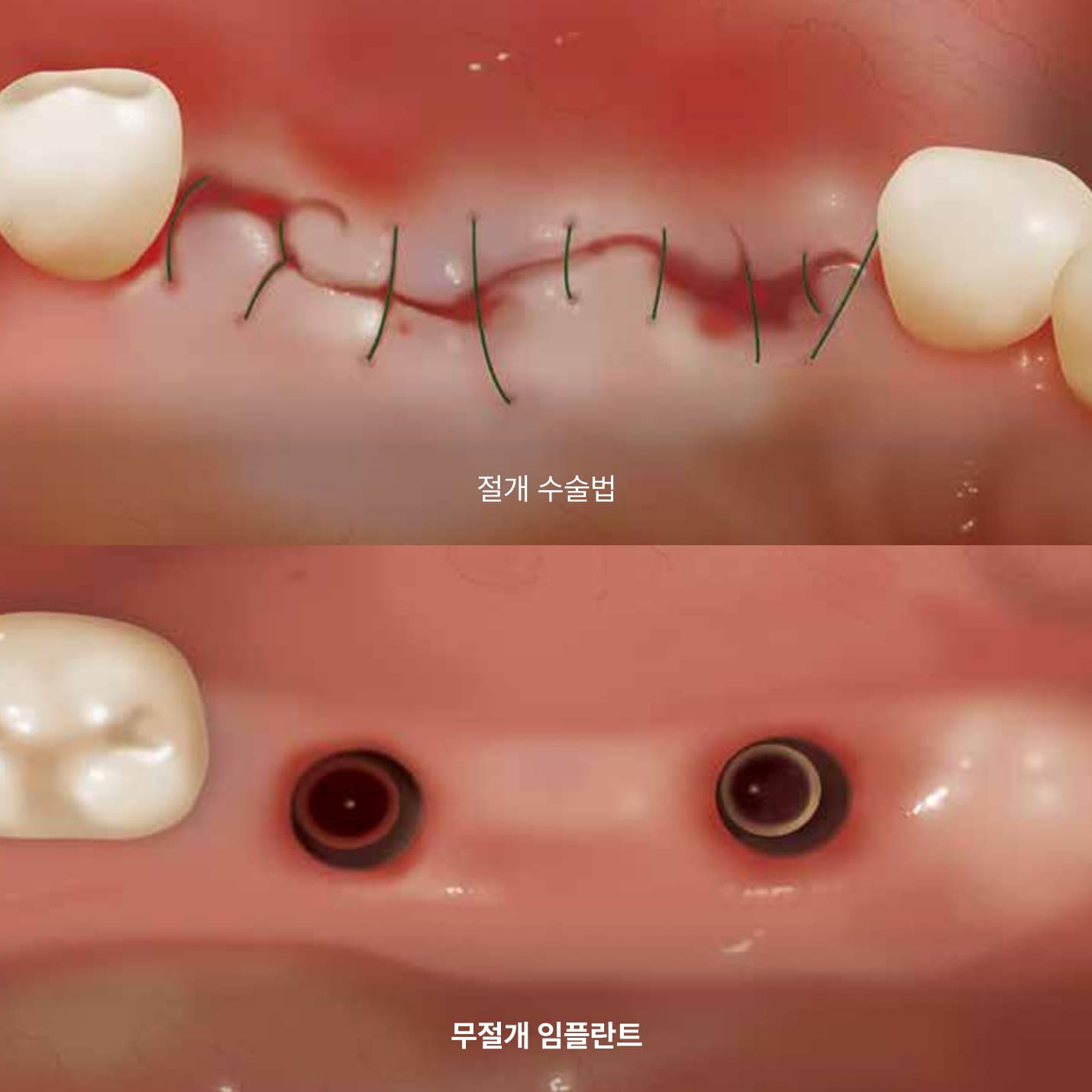
Flapless implant surgery places the implant without making a conventional gum incision and reflecting a large surgical flap. In suitable cases, this may reduce surgical time, bleeding, swelling, and postoperative discomfort.
Because the underlying bone is not directly visualized, accurate three-dimensional diagnosis and precise surgical planning are especially important. Digital guided surgery may therefore be particularly useful in selected flapless cases.
Bone Grafting Procedures for Dental Implants
01
Conventional Bone Grafting
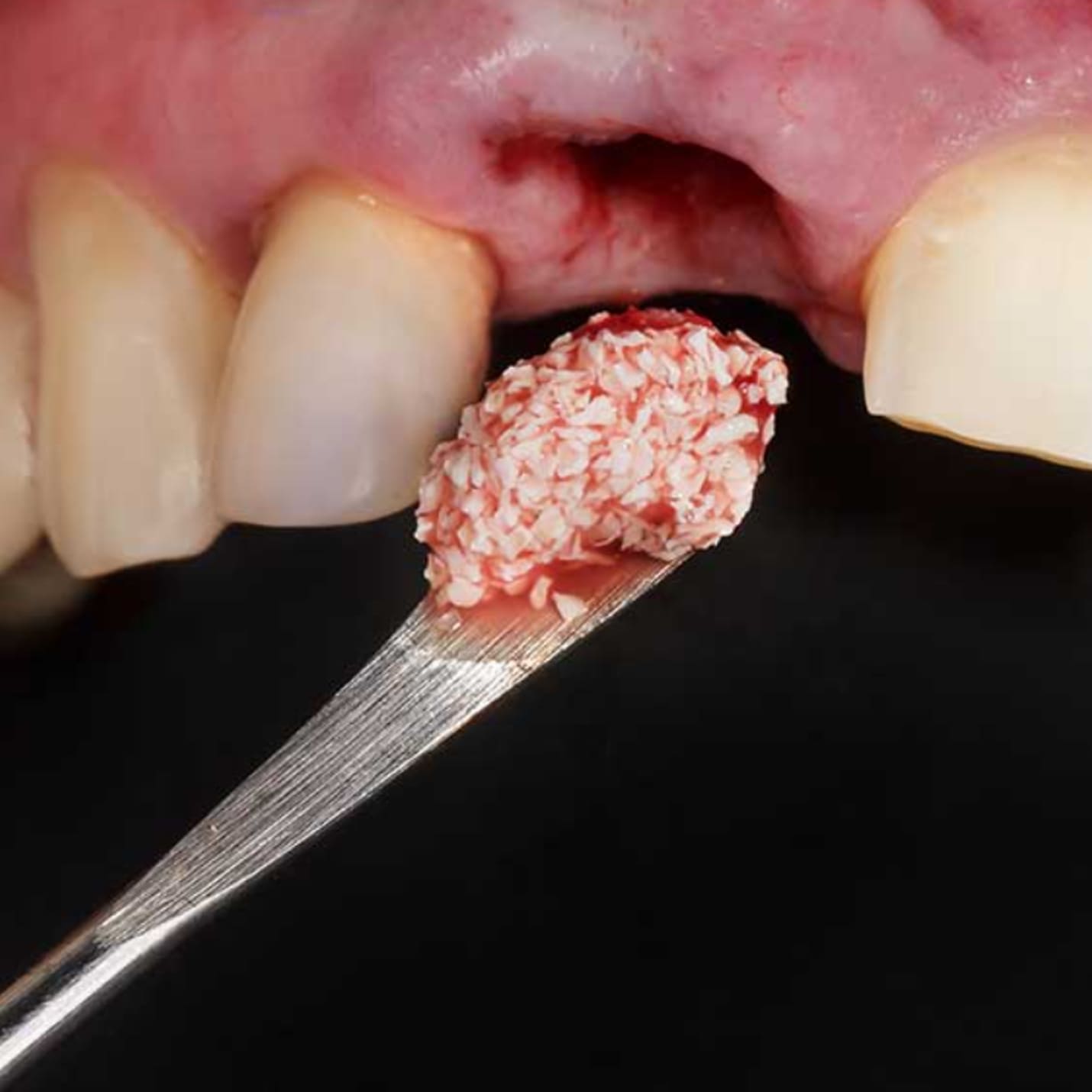
Conventional bone grafting may be used when bone loss is relatively limited or when a significant gap remains around an implant placed immediately after extraction.
02
Guided Bone Regeneration (GBR)
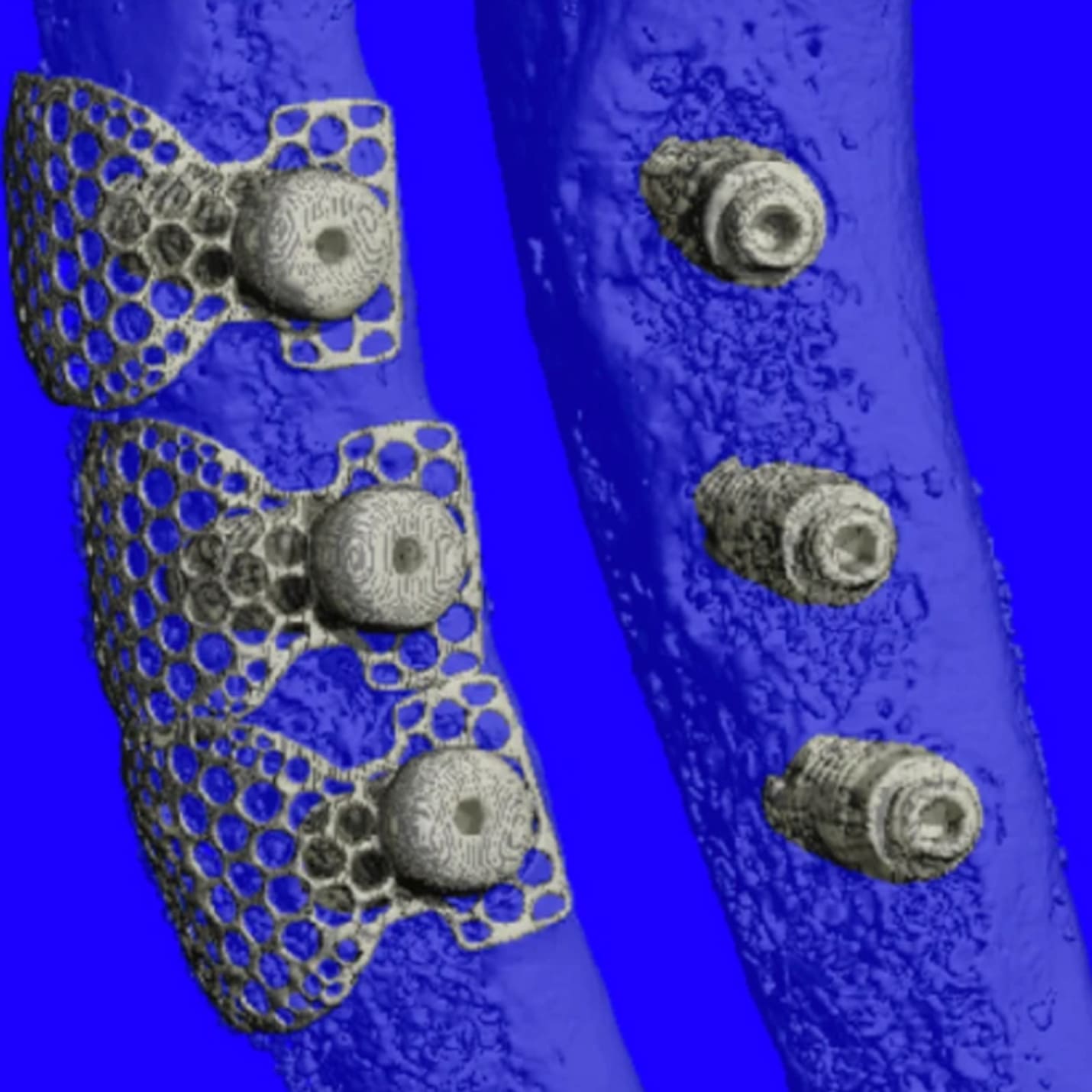
When more extensive horizontal or vertical bone augmentation is required, Guided Bone Regeneration may be performed using a collagen membrane, titanium mesh, or other appropriate materials to stabilize the graft and maintain space for new bone formation.
03
Sinus Elevation
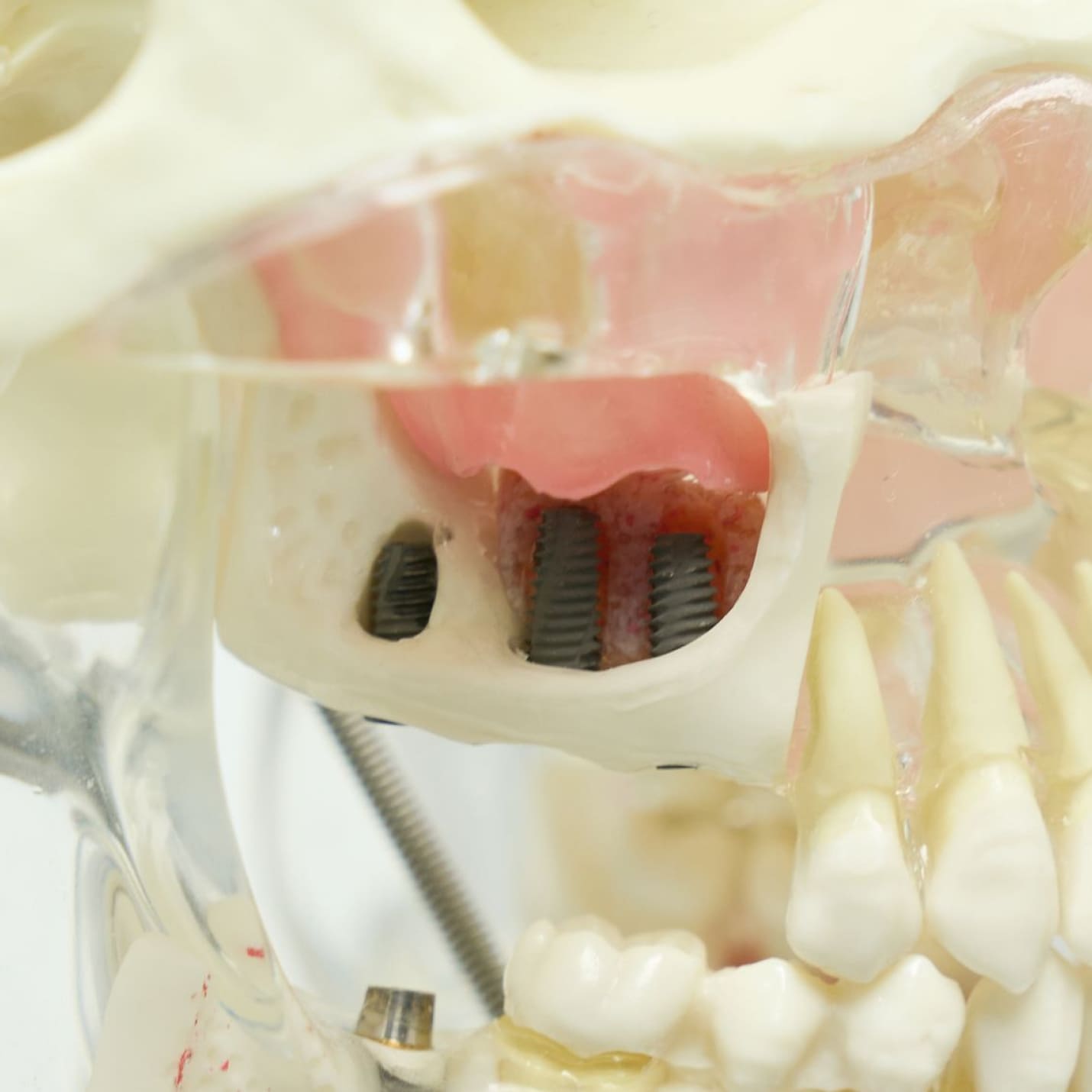
When there is insufficient vertical bone height in the posterior upper jaw, the sinus membrane can be carefully elevated and bone graft material placed beneath it to increase the available bone height for implant placement.
Depending on the remaining bone height and required amount of augmentation, a crestal or lateral approach may be selected.
Autogenous bone is harvested from the patient’s own body and transplanted to the graft site. It has excellent biological regenerative potential but requires a donor site and is limited by the amount of bone that can be harvested.
02
Allograft
Allograft is processed human donor bone. It eliminates the need to harvest bone from the patient and is available in several forms, including demineralized freeze-dried bone allograft (DFDBA).
03
Xenograft
Xenograft is a bone graft material derived from animal bone that has been extensively processed to remove organic components. Compared with many other graft materials, it generally resorbs slowly, which can be advantageous when long-term bone volume maintenance is important.
04
Synthetic Bone Graft
Synthetic bone grafts are manufactured from biocompatible inorganic materials, with bioactive ceramics commonly used in dentistry. Materials such as hydroxyapatite (HA) have low solubility and slow resorption, making them useful for procedures such as anterior Guided Bone Regeneration (GBR), where maintaining bone volume is particularly important.
Pain After Dental Implant Surgery
01
What Affects Pain After Implant Surgery?
Postoperative discomfort is influenced not only by the amount of bone preparation, but also by the extent of inflammation removal, gum incision, flap elevation, surgical time, and overall tissue manipulation. In particular, extensive flap elevation may contribute to greater swelling and discomfort after surgery.
02
Minimally Invasive Implant Surgery
Whenever clinically appropriate, The Square Dental Clinic uses minimally invasive or flapless techniques to reduce unnecessary tissue manipulation and help minimize postoperative swelling and discomfort.
How Long Do Dental Implants Last?
Dental implants are designed for long-term use, and many remain functional for decades. However, there is no fixed lifespan that applies to every patient. Long-term success depends on several important factors.
01
Experienced Clinical Care : Implant treatment should be planned and performed by an experienced clinician with careful diagnosis and surgical judgment.
02
Proper Surgery & Prosthetic Treatment : Both implant placement and fabrication of the final restoration should follow established clinical principles.
03
Diet : Avoid excessively hard, tough, or chewy foods that can place excessive stress on implants and restorations.
04
Oral Hygiene & Regular Checkups : Daily oral hygiene and regular professional maintenance are essential for preventing peri-implant disease and identifying problems early.
05
Systemic Health : Certain systemic conditions, including poorly controlled diabetes, osteoporosis, and some cancer treatments, may affect healing and long-term implant prognosis.
06
Smoking & Alcohol : Smoking is an important risk factor for peri-implant disease and impaired healing. Excessive alcohol consumption may also negatively affect oral and general health, so appropriate lifestyle management is important.
Coverage for dental implants under private dental insurance varies considerably depending on the insurer, policy, enrollment date, waiting period, and specific coverage terms. Implant benefits are often provided through optional coverage or riders, and annual limits on the number of covered implants may apply.
Pre-existing missing teeth may not be covered under some policies. Because insurance terms vary, patients should confirm eligibility, waiting periods, benefit limits, and claim requirements directly with their insurance provider before treatment.
National Health Insurance Coverage for Dental Implants
Under Korea’s National Health Insurance program, eligible patients aged 65 and older may receive coverage for up to two dental implants over their lifetime, subject to the applicable eligibility requirements.
Eligible patients generally pay 30% of the covered treatment cost. The exact out-of-pocket amount may vary depending on the treatment and current National Health Insurance regulations.