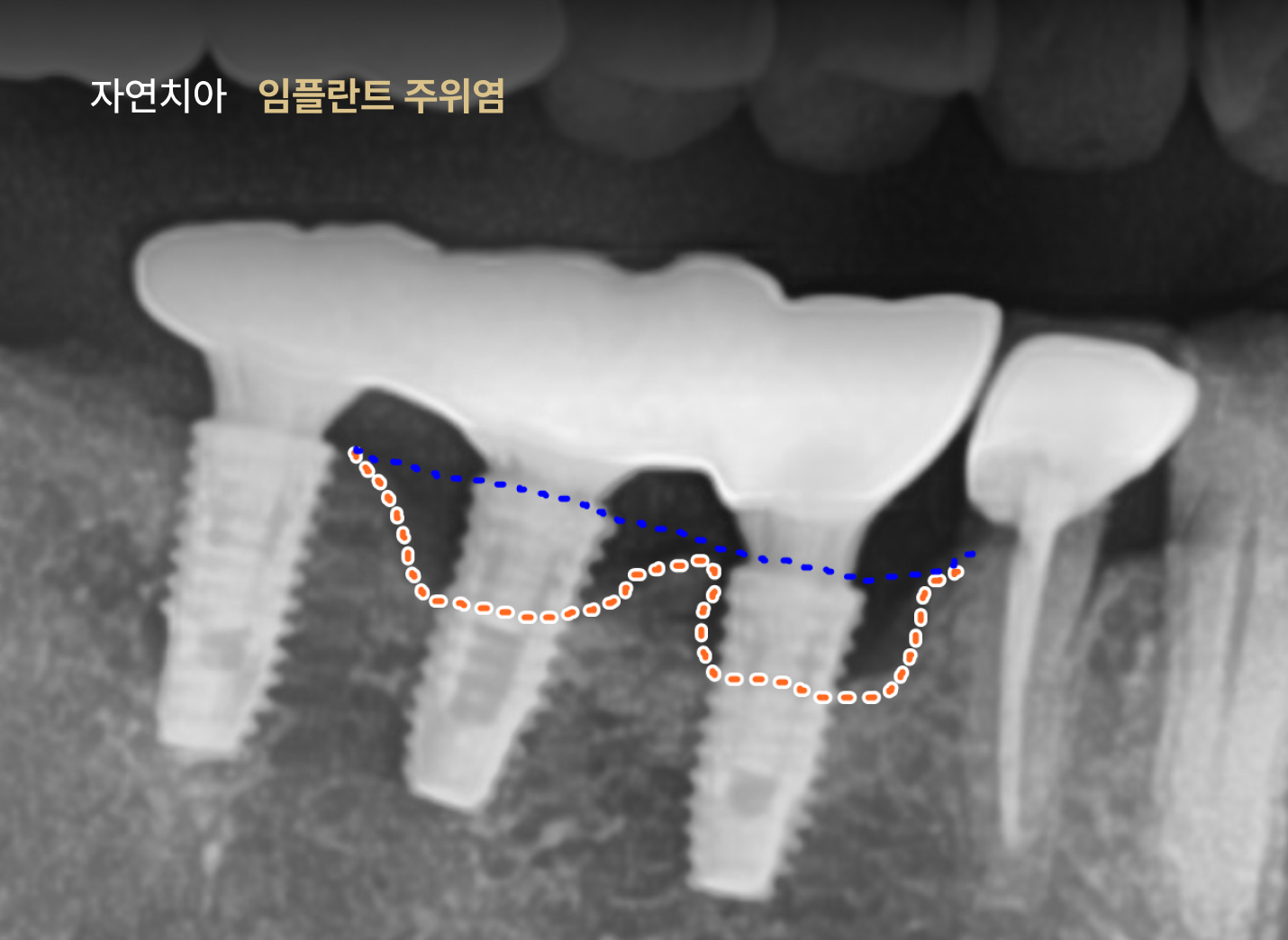
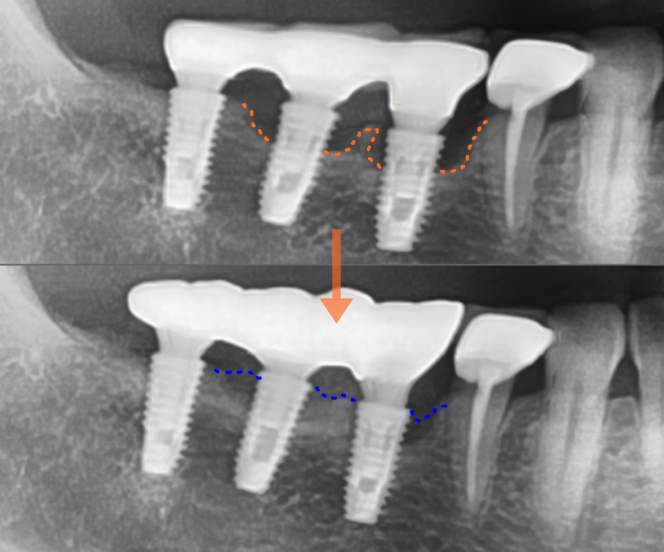
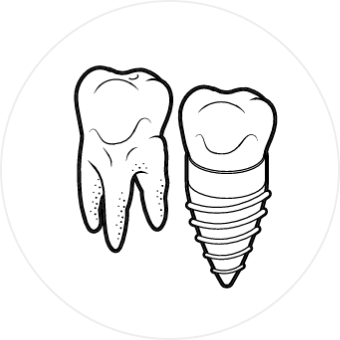
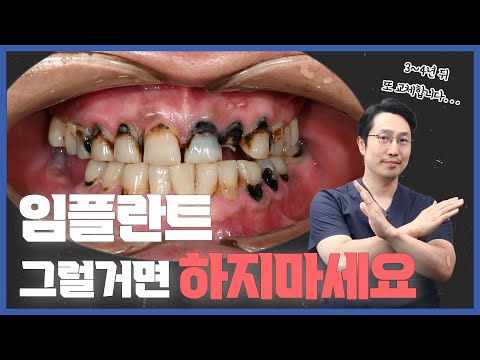
Dental implants cannot develop cavities, but plaque and tartar can still accumulate around them. If they are not properly removed, inflammation can develop in the surrounding gums and, over time, may lead to bone loss.
Just as natural teeth can develop periodontitis, implants can develop peri-implant disease, including peri-implantitis. Regular professional maintenance is therefore essential for early detection and prevention.
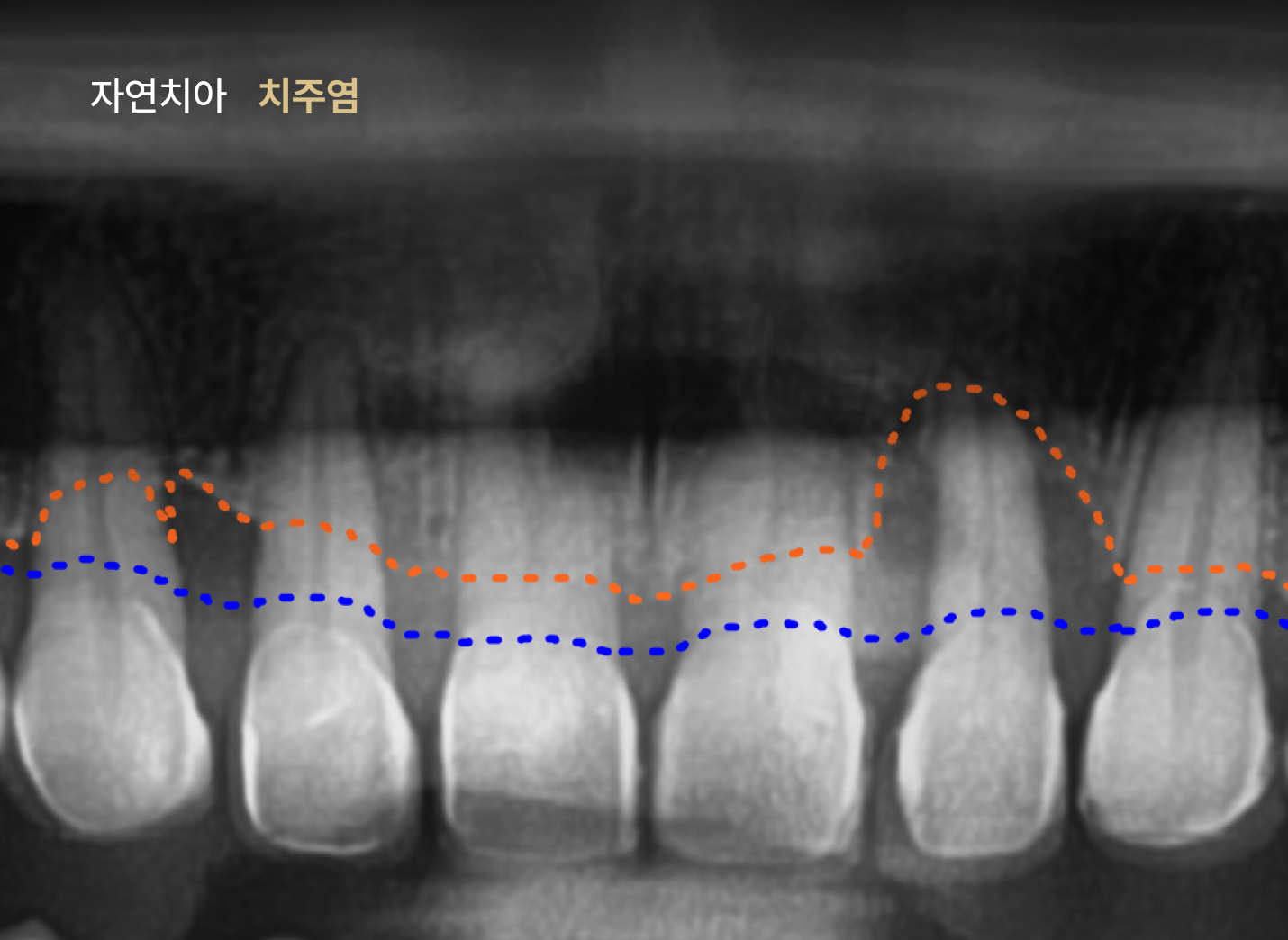
Blue Line Original Healthy Alveolar Bone Level
Orange Line Alveolar Bone Level After Bone Loss
How to Help Your Implants Last Longer
01
Regular Dental Checkups
Regular dental checkups, typically every six months or as recommended by your dentist, are one of the most effective ways to detect gum inflammation and problems with implant restorations early. Problems can develop gradually even when you have no noticeable discomfort.
02
Diet Management
Avoid excessively hard, tough, or chewy foods whenever possible. Foods that place strong lateral forces on the teeth—such as dried squid, jerky, and hard cartilage—can increase stress on both implant restorations and natural teeth.
03
Oral Hygiene
A
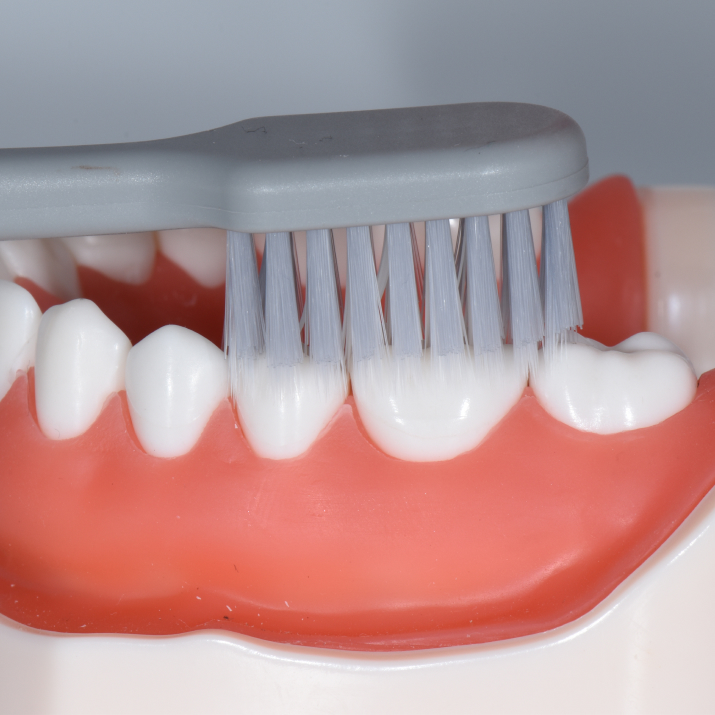
Brush thoroughly with proper technique to keep both the gums and implant restorations clean.
B
Around implant restorations, a modified brushing technique such as the Charters method may be recommended depending on the prosthesis and gum condition.
Treatment Options for Peri-Implantitis
01
Early-Stage Peri-Implant Disease
The Square SPA
Non-surgical peri-implant care may be attempted without removing the implant restoration.
02
Moderate Peri-Implantitis
Implant Deep SPA
The implant restoration may be removed to allow thorough cleaning of the implant components and surrounding area before reassembly.
03
Advanced Peri-Implantitis
Implant Deep SPA with Regenerative Treatment
After thorough decontamination and removal of inflamed tissue, regenerative treatment such as bone grafting may be considered for areas affected by bone loss. A problematic implant restoration may also need to be redesigned or replaced.
Important! Implant Surfaces Require the Right Instruments
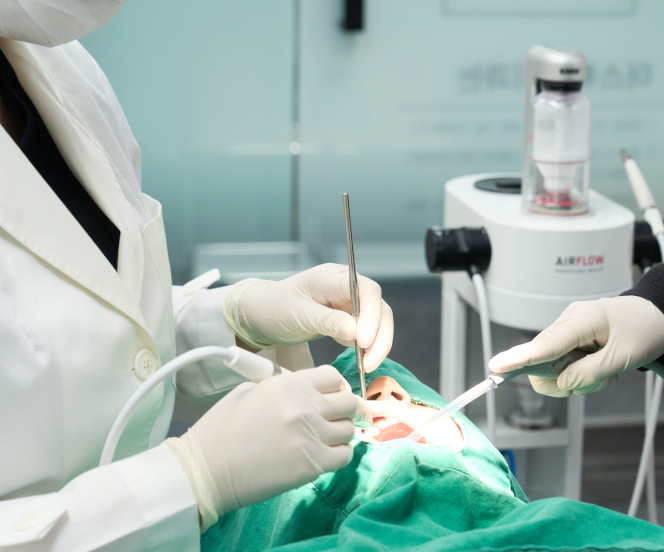
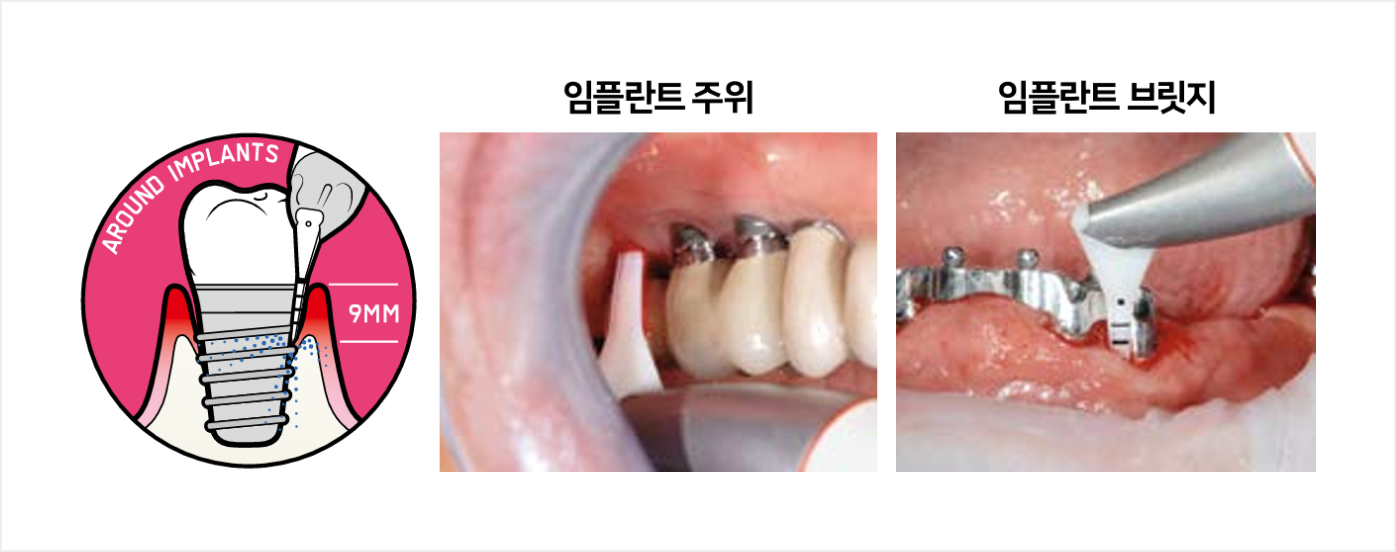
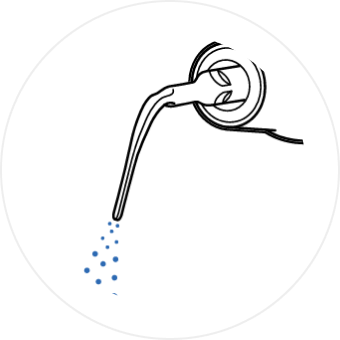
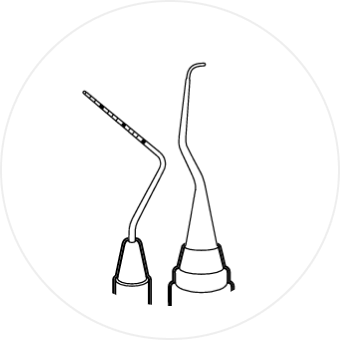
Implants and abutments are commonly made of titanium, and inappropriate instrumentation may scratch or alter their surfaces. Implant maintenance therefore requires instruments and techniques selected specifically for implant surfaces.
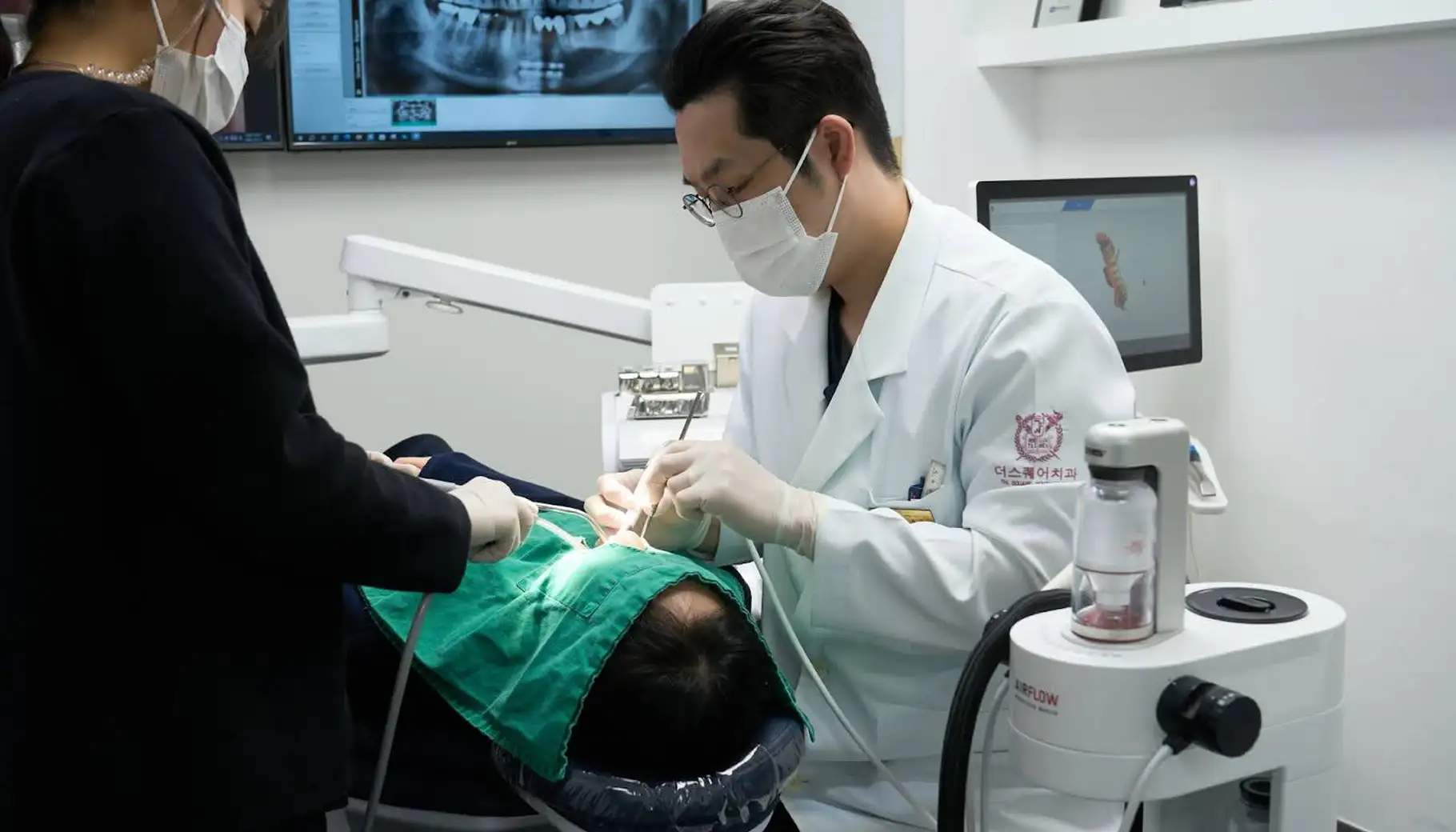
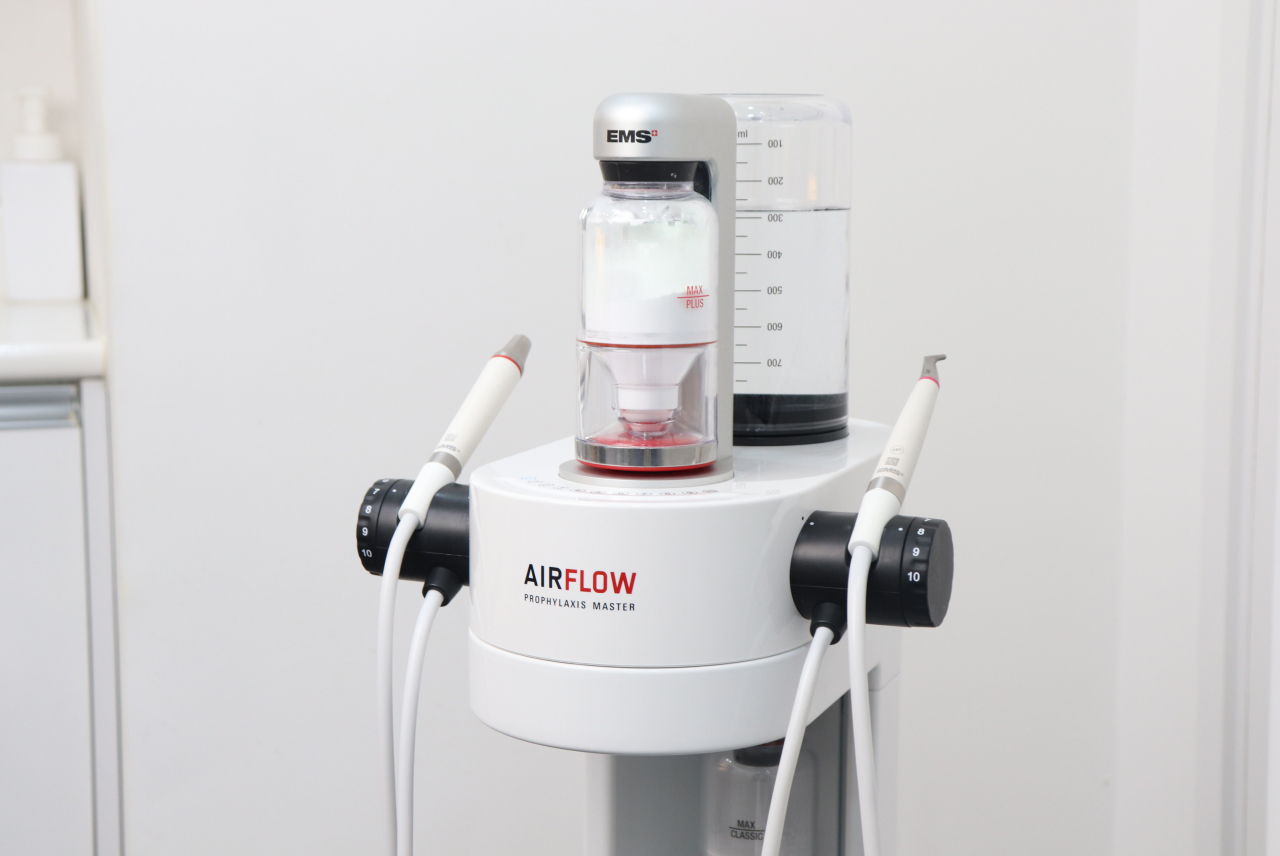
The Square Implant Maintenance Program with EMS AIRFLOW®