Consultation
Appointment
Appointment icon
Directions
Directions icon
Before & After
Before & After icon
HomeRestorativeOrthodonticsRe-Orthodontic Treatment

Re-Orthodontic Treatment

The Square Dental Clinic Restorative Orthodontics Re-Orthodontic Treatment
RestorativeDentistry
화살표 아이콘
화살표 아이콘
Restoration
Dentistry

Specialist Orthodontic Care at The Square Dental Clinic

Detailed consultations, precise treatment planning, and meticulous orthodontic care

Board-Certified Orthodontist | Ph.D. Candidate

Joon Sang ChoD.D.S.

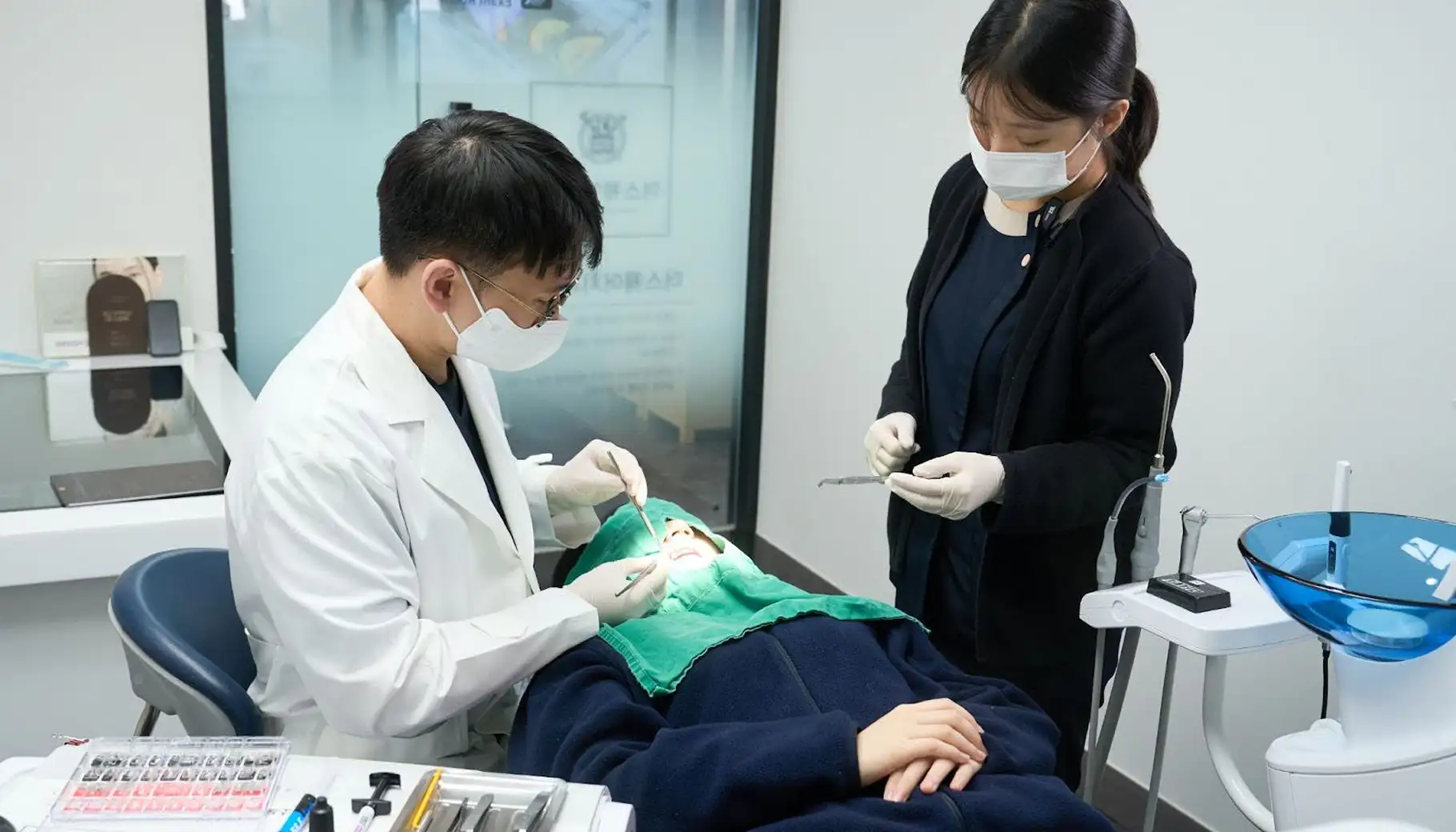
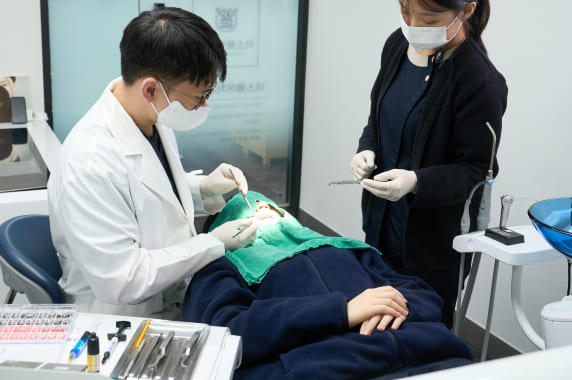
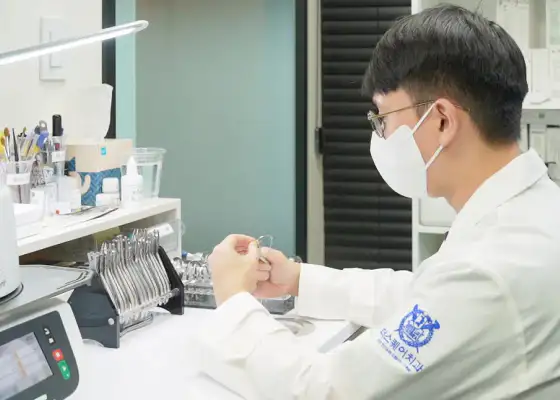
Orthodontic treatment at The Square Dental Clinic is led by a Seoul National University–trained orthodontic specialist. With meticulous attention to detail, we aim to achieve results that balance both aesthetics and function, with treatment plans tailored to each individual patient.

Credentials

  • Completed Ph.D. Coursework in Orthodontics, Seoul National University School of Dentistry
  • Board-Certified Specialist in Orthodontics, Ministry of Health and Welfare, Republic of Korea
  • Certified Orthodontist, Korean Association of Orthodontists (KAO)
  • Board-Certified Specialist in Integrated Dentistry, Ministry of Health and Welfare, Republic of Korea
  • Graduated Top of the Class from Seoul National University School of Dentistry
  • Completed Orthodontic Residency, Seoul National University Dental Hospital
  • Completed Internship, Seoul National University Dental Hospital
  • Member, Korean Association of Orthodontists (KAO)
  • Member, World Federation of Orthodontists (WFO)
  • Completed MEAW Orthodontic Training
  • Completed Invisalign Training, Align Technology, USA
  • Formerly at Seoul National University Dental Hospital

Who May Need Orthodontic Retreatment?

Orthodontic retreatment may be considered in the following situations.

When the previous orthodontic treatment was completed with unresolved issues

01

When the previous orthodontic treatment was completed with unresolved issues

Protrusion was not fully corrected

Tooth alignment remains less than ideal

Malocclusion remains unresolved

02

When the teeth have shifted again due to orthodontic relapse

When the teeth have shifted again due to orthodontic relapse

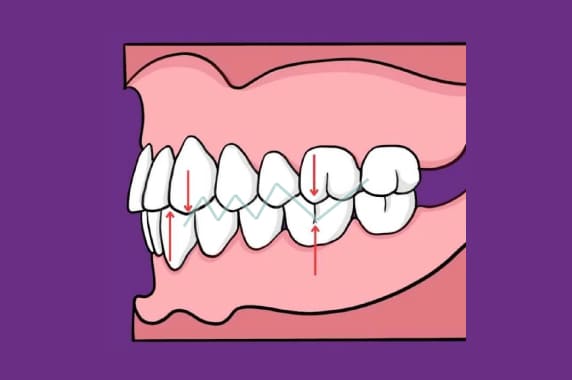
A Stable Finish to Reduce the Risk of Retreatment

  • 01

    Establish a stable molar relationship, like well-fitting gears

    Establish a stable molar relationship, like well-fitting gears (Class I molar relationship)

  • 02

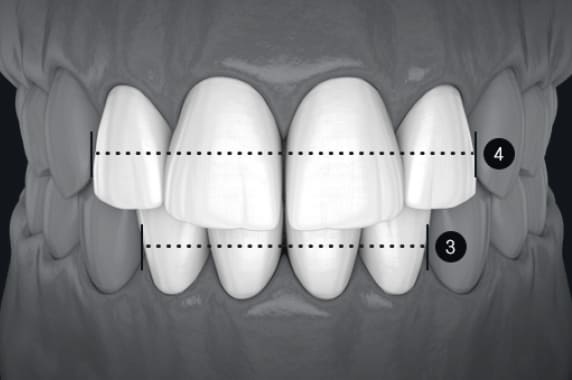
    Create a balanced size relationship between the upper and lower teeth

    Create a balanced size relationship between the upper and lower teeth (Appropriate Bolton ratio)

  • 03

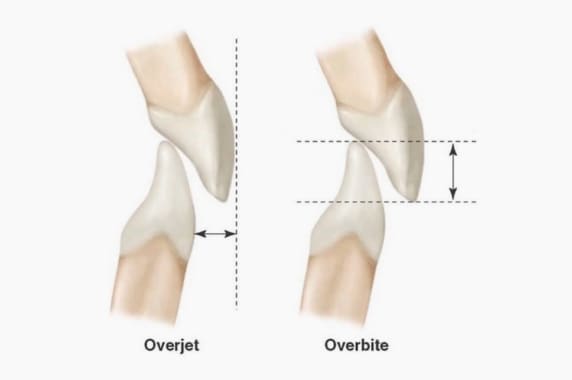
    Establish a stable relationship between the upper and lower teeth

    Establish a stable relationship between the upper and lower teeth (Ideal overjet and overbite)

  • 04

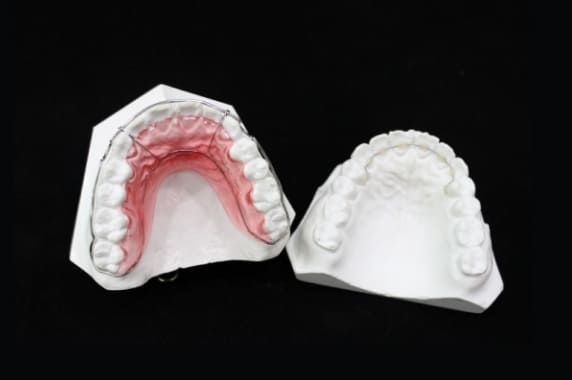
    Fabricate retainers with precision

    Fabricate retainers with precision

  • 05

    Monitor carefully for signs of relapse during regular follow-up visits

    Monitor carefully for signs of relapse during regular follow-up visits

Why Invisalign?

A More Comfortable Solution for
Orthodontic Retreatment
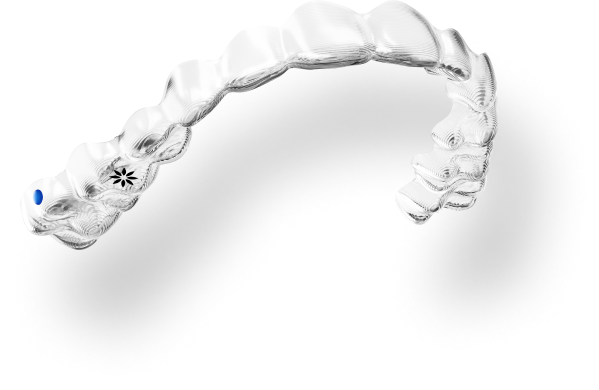
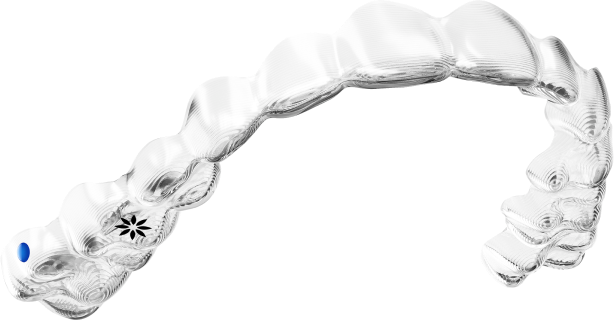
Invisalign

Invisalign

01

Discreet Appearance

Clear aligners are less noticeable when worn and can be removed when needed.

02

Less Discomfort

Gentle, controlled forces are applied gradually to move the teeth, which may reduce discomfort compared with some fixed appliances.

03

Easier Oral Hygiene

Because the aligners can be removed for eating, brushing, and flossing, daily oral hygiene is easier to maintain.

04

Fewer Clinic Visits

Digital treatment planning may reduce unnecessary tooth movement and, in suitable cases, allow longer intervals between visits.

05

Minimal Impact on Speech

The aligners are thin and designed to minimize interference with everyday speech.

06

Precision-Customized Treatment

Invisalign uses 3D digital simulation and computer-based planning to create a customized series of aligners for each patient.

Invisalign

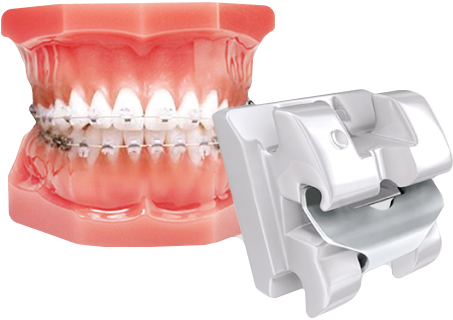
Invisalign Conventional Braces

Conventional Braces

Invisalign

Invisalign

Type
Conventional Braces

Conventional Braces

Less noticeable

Aesthetics

More visible

Removable when necessary

Daily Life

Not removable by the patient

Brushing and flossing are generally easier because the aligners are removable

Oral Hygiene

More careful cleaning around brackets and wires is required

Typically every 6–8 weeks, depending on the treatment plan

Visit Frequency

Typically every 4–6 weeks, depending on the treatment plan

Generally mild, though it varies by patient

Discomfort

Varies depending on the appliance and treatment stage

Few restrictions because aligners are removed during meals

Dietary Restrictions

Some dietary restrictions are recommended

Possible side effects may occur depending on the individual case and treatment plan

Possible Side Effects

Possible side effects may vary depending on the appliance and treatment plan
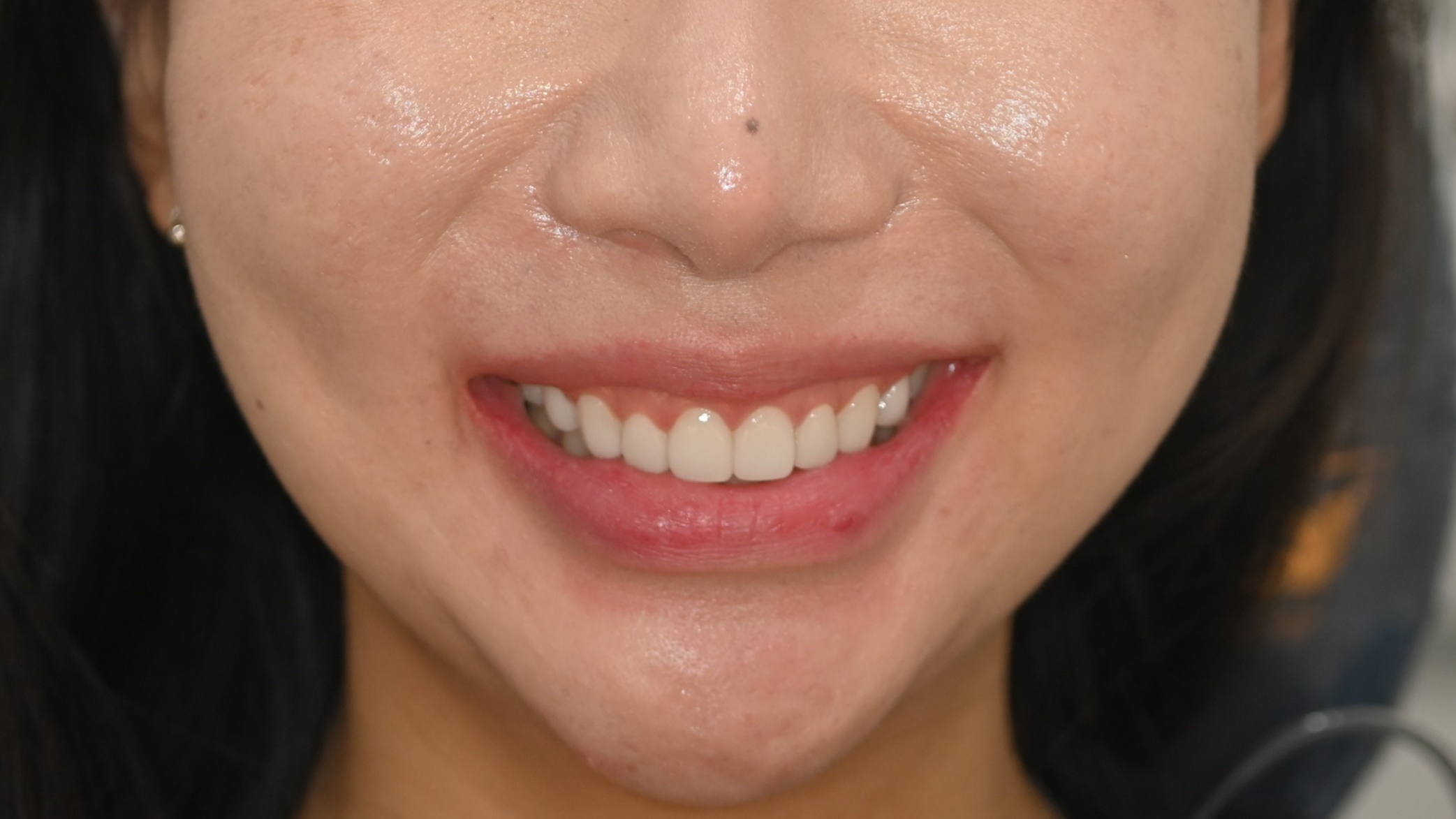
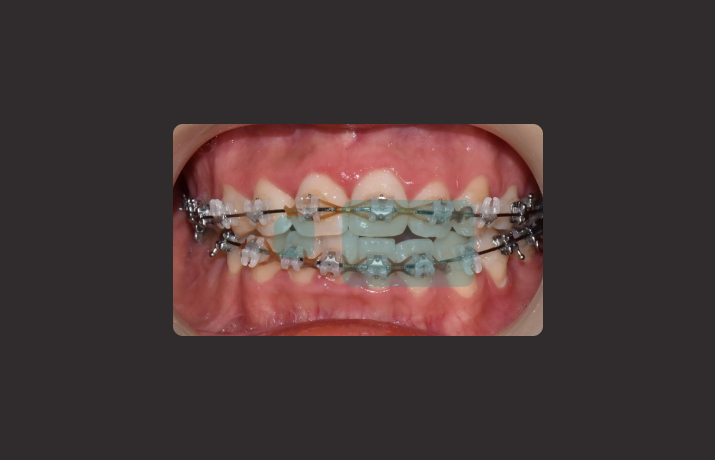
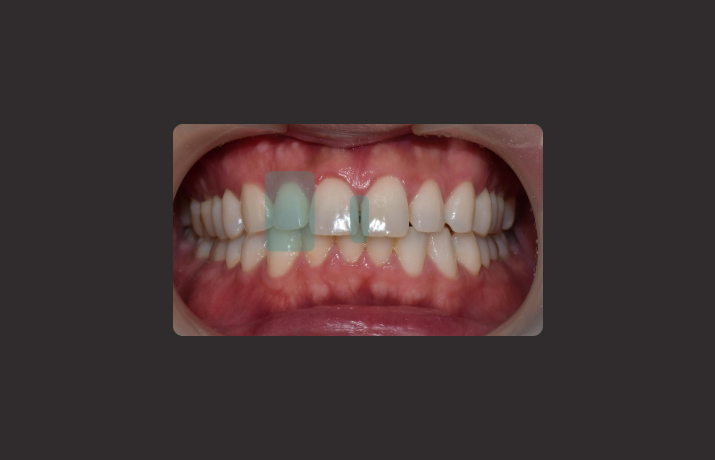
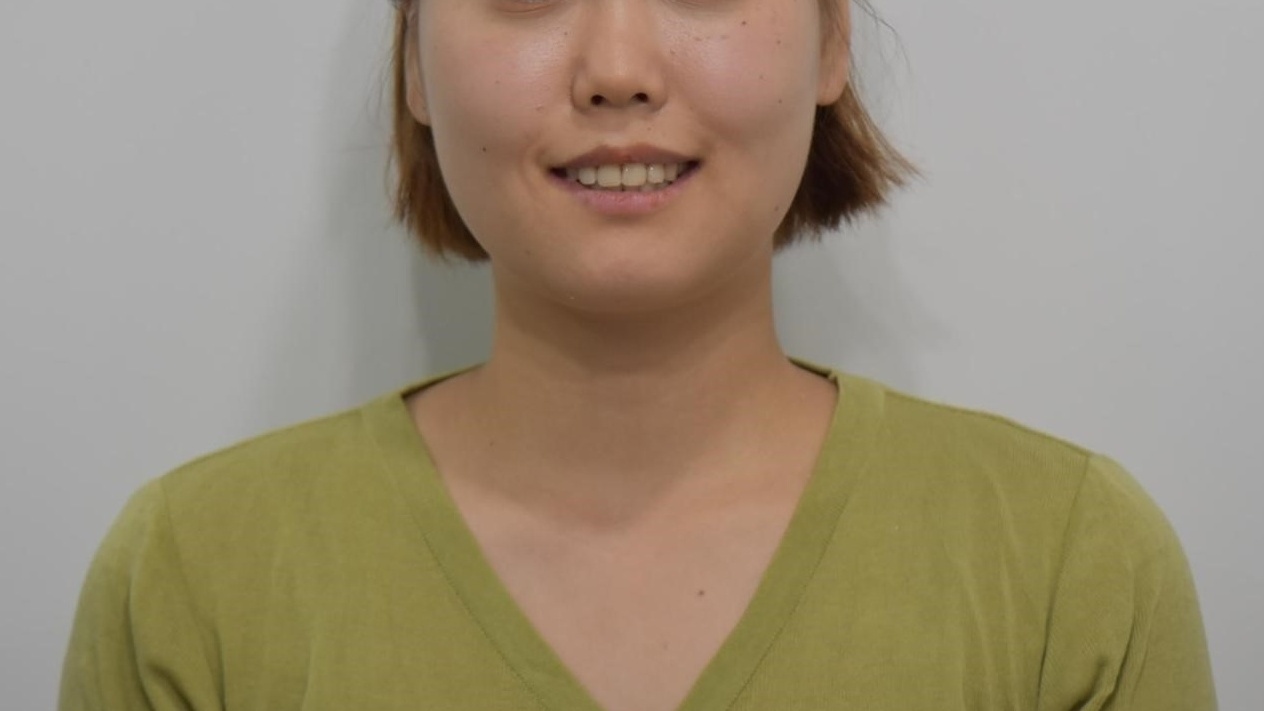
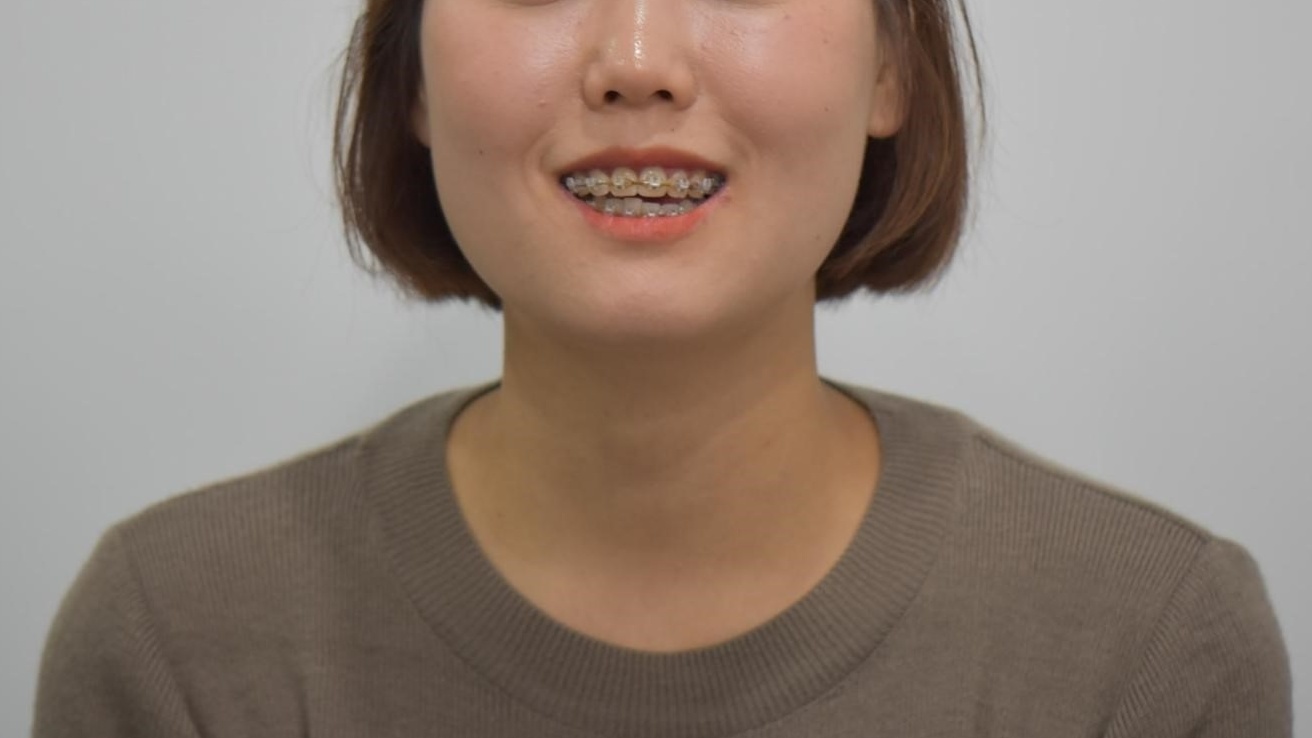
Re-Orthodontic Treatment Before & After

Before
Treatment Started2023. 05. 11
After
Treatment Completed2023. 05. 18
Before
Treatment Started2019. 10. 10
After
Treatment Completed2020. 06. 24

*님 29세, 여

*님 29세, 여

The clinical photographs above are published with the patients’ prior consent.
As with any dental treatment, side effects may occur. A consultation with a qualified dental professional is required before treatment.
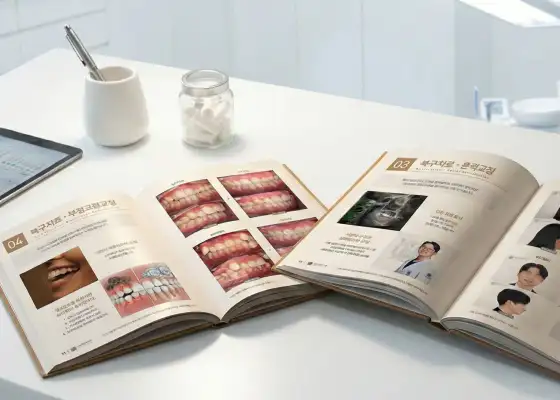
Re-Orthodontic Treatment FAQ

Everything You Need to Know About Orthodontics

Orthodontics Encyclopedia

치아교정 백과사전

The Square Dental Clinic’s Orthodontic Expertise

치아교정 상담

Specialist Column