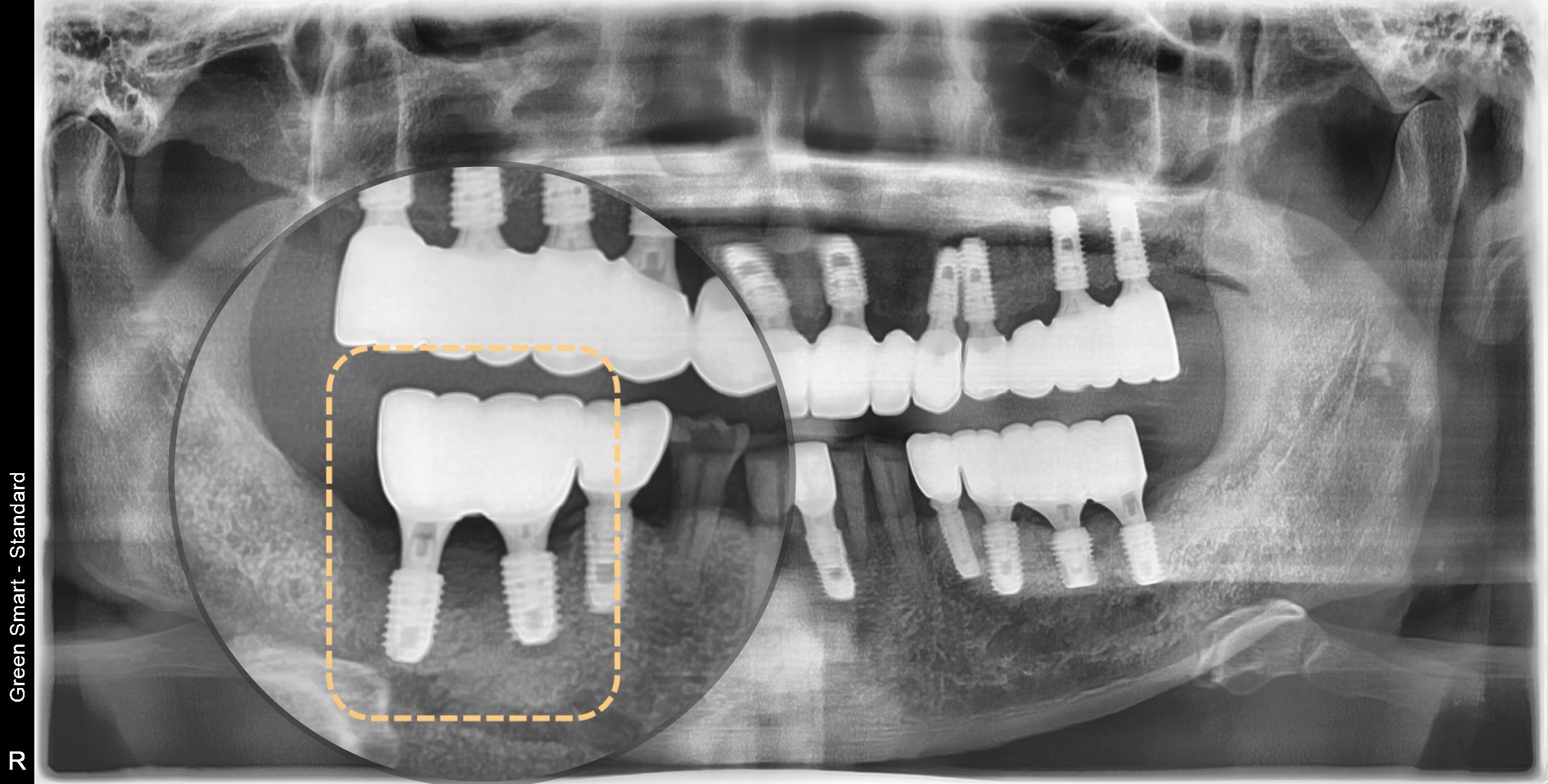
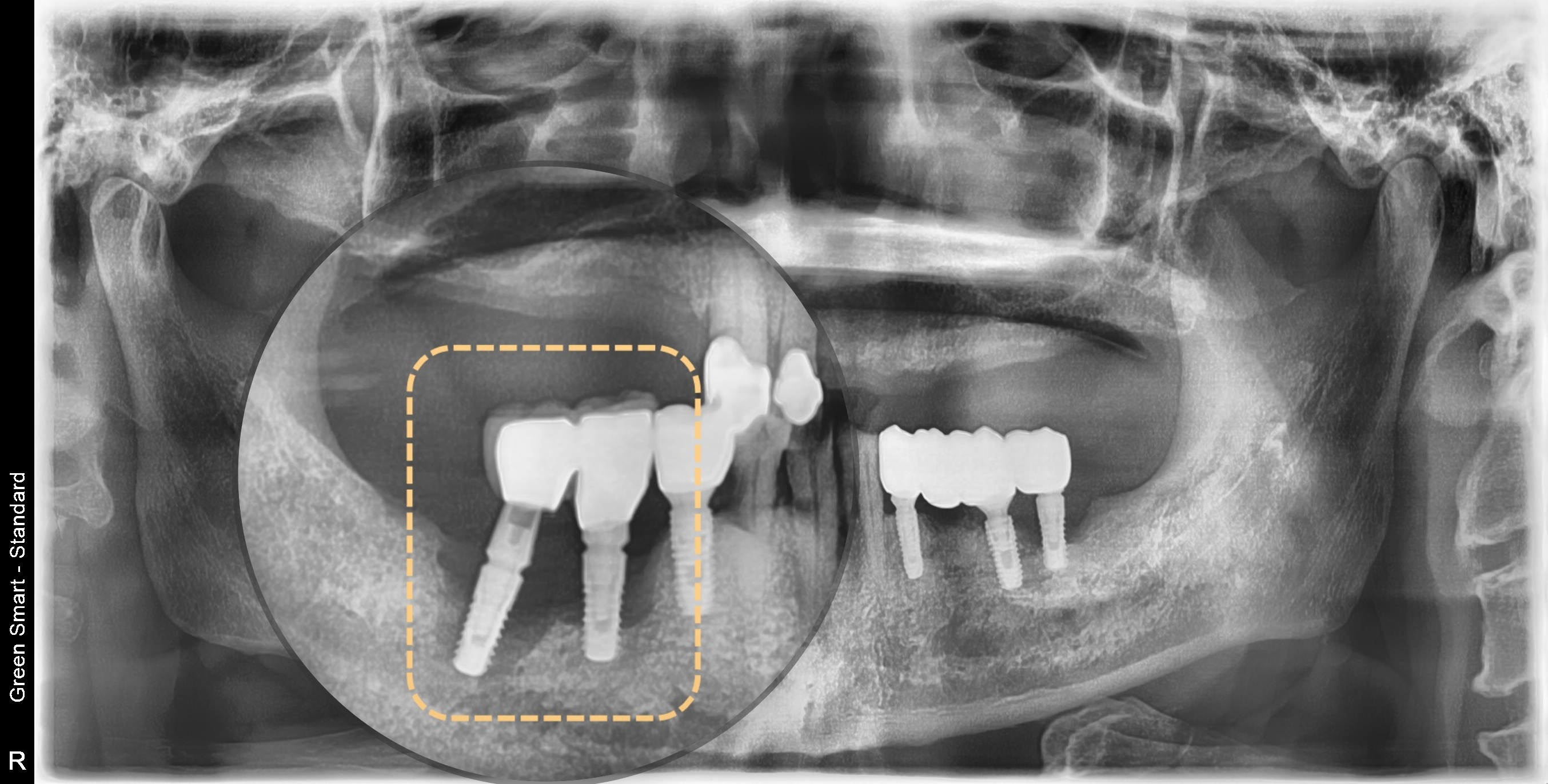
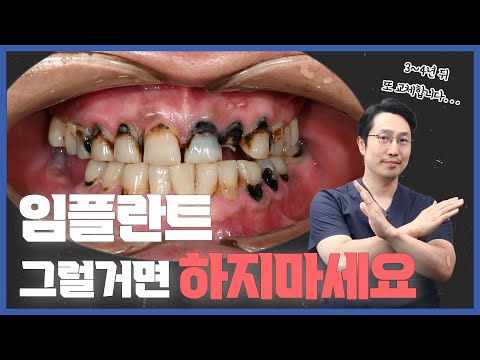
Successful implant retreatment begins with identifying exactly why the previous implant failed. To determine the cause accurately, it is important to choose a clinic with extensive clinical experience and a broad range of implant cases and data.
Retreatment Done Right the First Time
Implant retreatment is generally more complex than the initial surgery. Careful diagnosis, surgical experience, and precise planning are essential to reduce the risk of another failure.
Implant Retreatment at The Square Dental Clinic
Why Choose The Square Dental Clinic for Implant Retreatment?
You May Not Need Implant Retreatment at All
At The Square Dental Clinic, we carefully analyze the cause of the problem first. Whenever possible, we avoid unnecessary implant removal and consider more conservative options. Retreatment is performed only when the implant fixture itself has irreversible damage or cannot be predictably maintained.
01
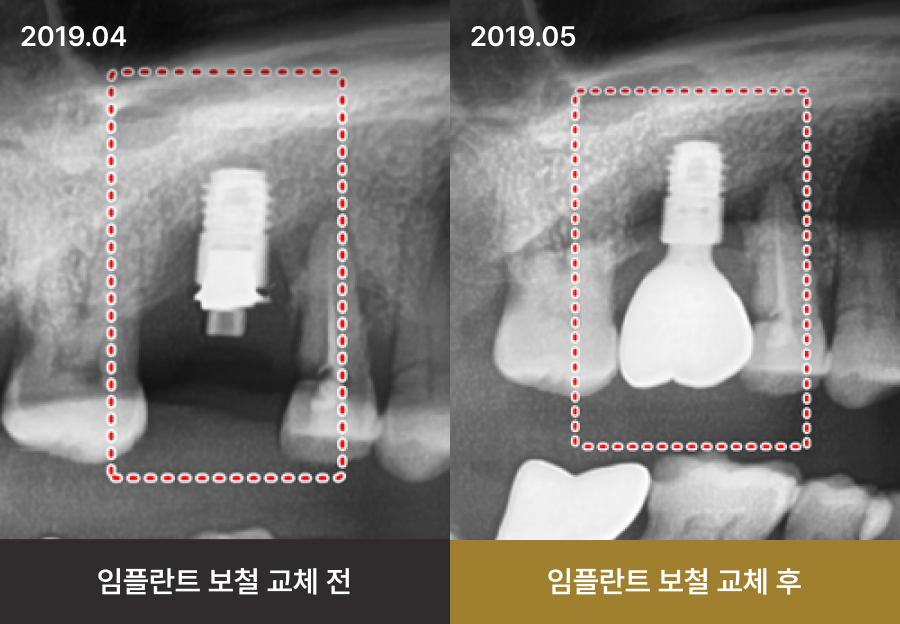
A Case Managed by Replacing the Implant Prosthesis Without Retreatment
In selected cases, the implant fixture remains stable and only the prosthetic component needs to be replaced, allowing the patient to avoid implant removal and repeat surgery.
※ Clinical photographs are published with the patient’s prior consent. As with any dental treatment, side effects and complications may occur. Professional consultation is required.
02
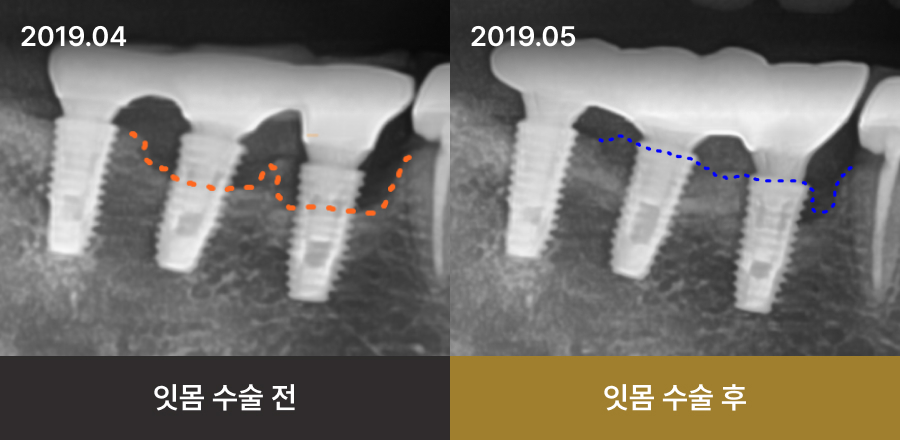
A Case of Peri-Implantitis Treated with Gum Surgery and Bone Regeneration
When the implant itself can be preserved, periodontal surgery and regenerative treatment may be considered to manage peri-implantitis and improve the surrounding tissue environment.
03
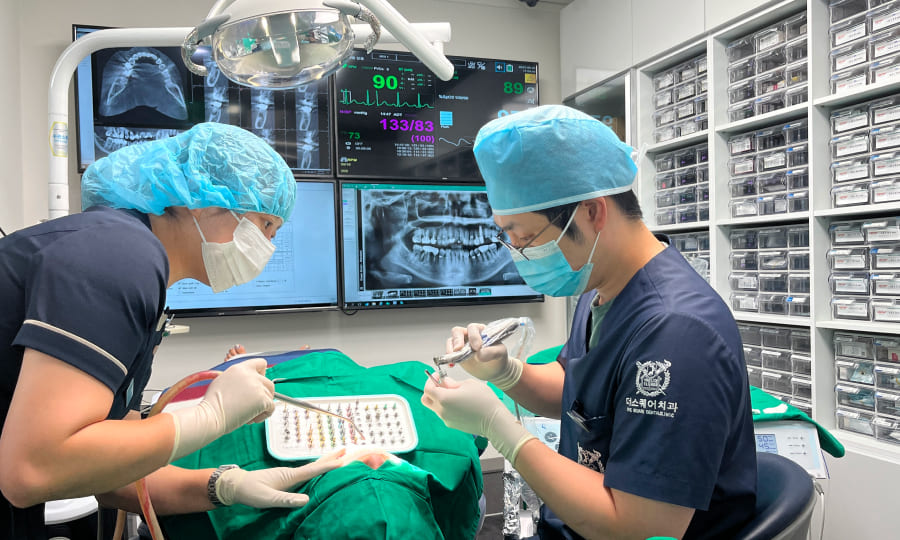
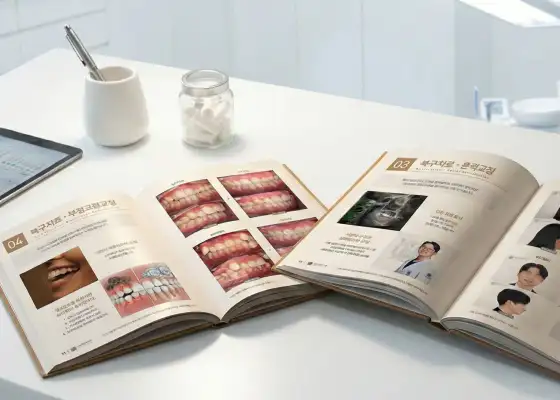
Extensive Surgical Experience and Clinical Data
Implant retreatment requires careful diagnosis and advanced surgical judgment. Our treatment plans are based on accumulated clinical experience and are managed with close attention to postoperative follow-up.
04
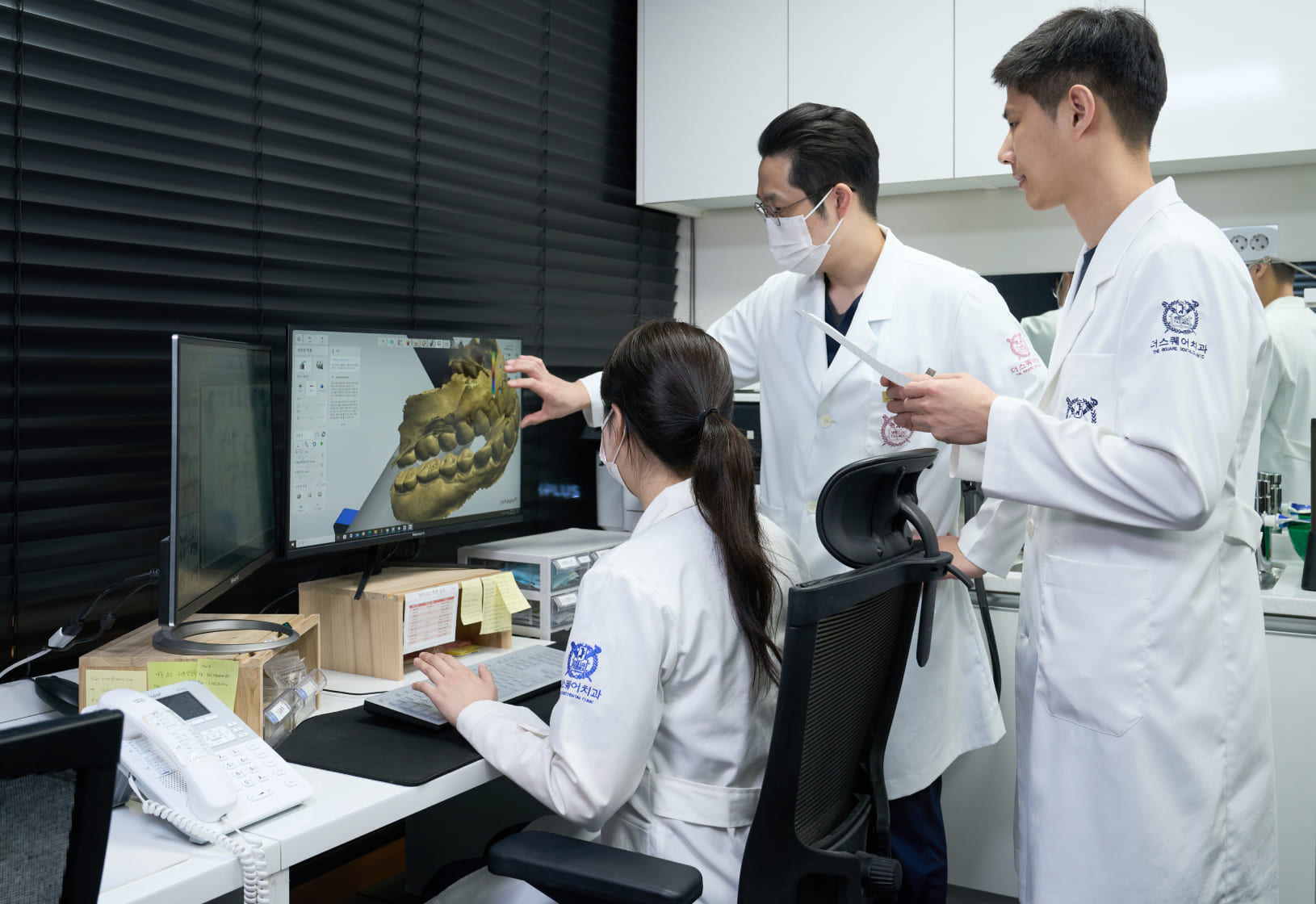
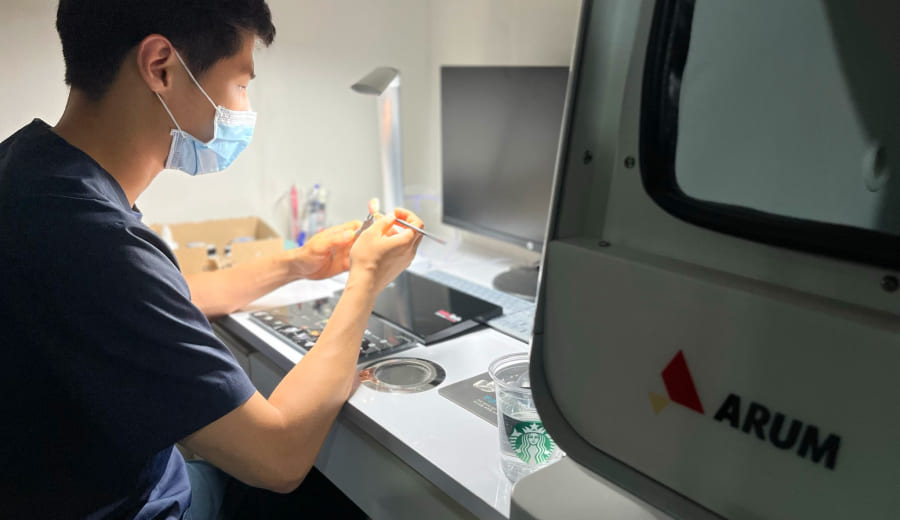
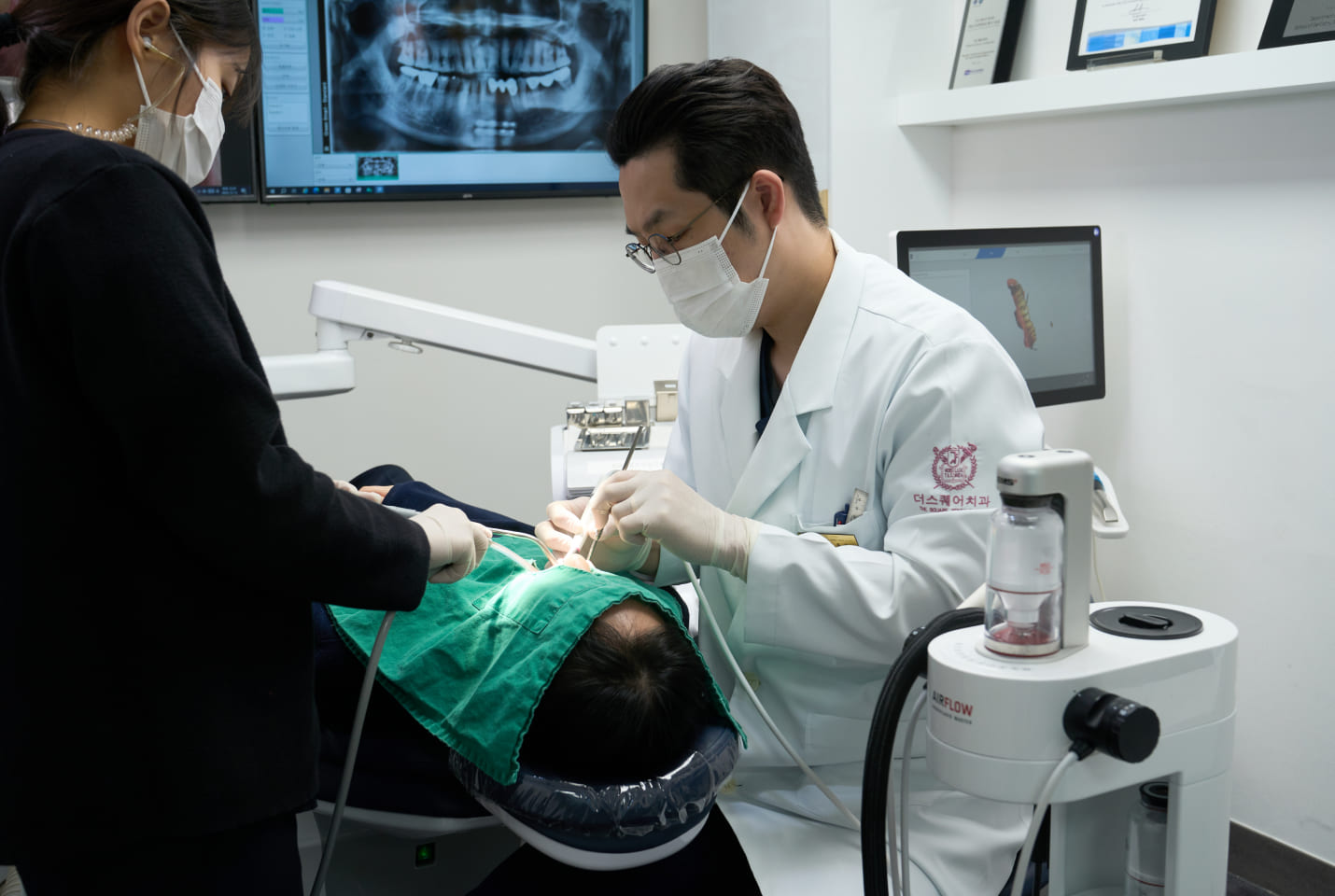
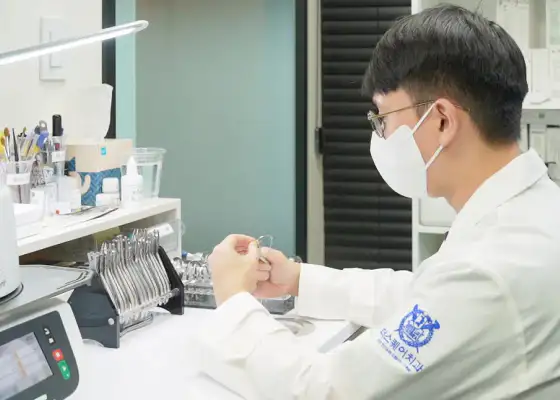
Comfortable, Natural Restorations Made in Our In-House Digital Dental Lab
Through collaboration between specialists in integrated dentistry and prosthodontics, implant restorations are designed and fabricated in our in-house digital laboratory for precise fit, function, and aesthetics.
05
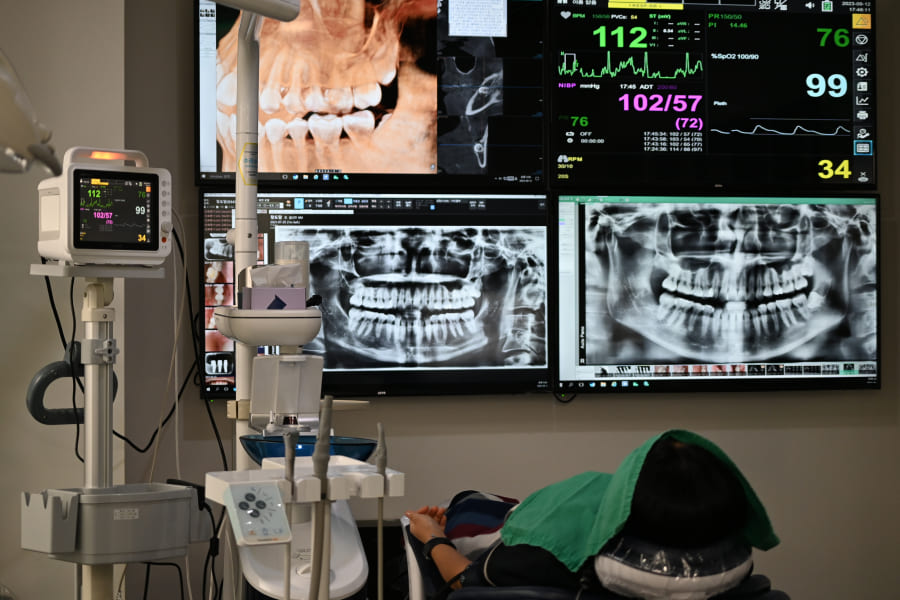
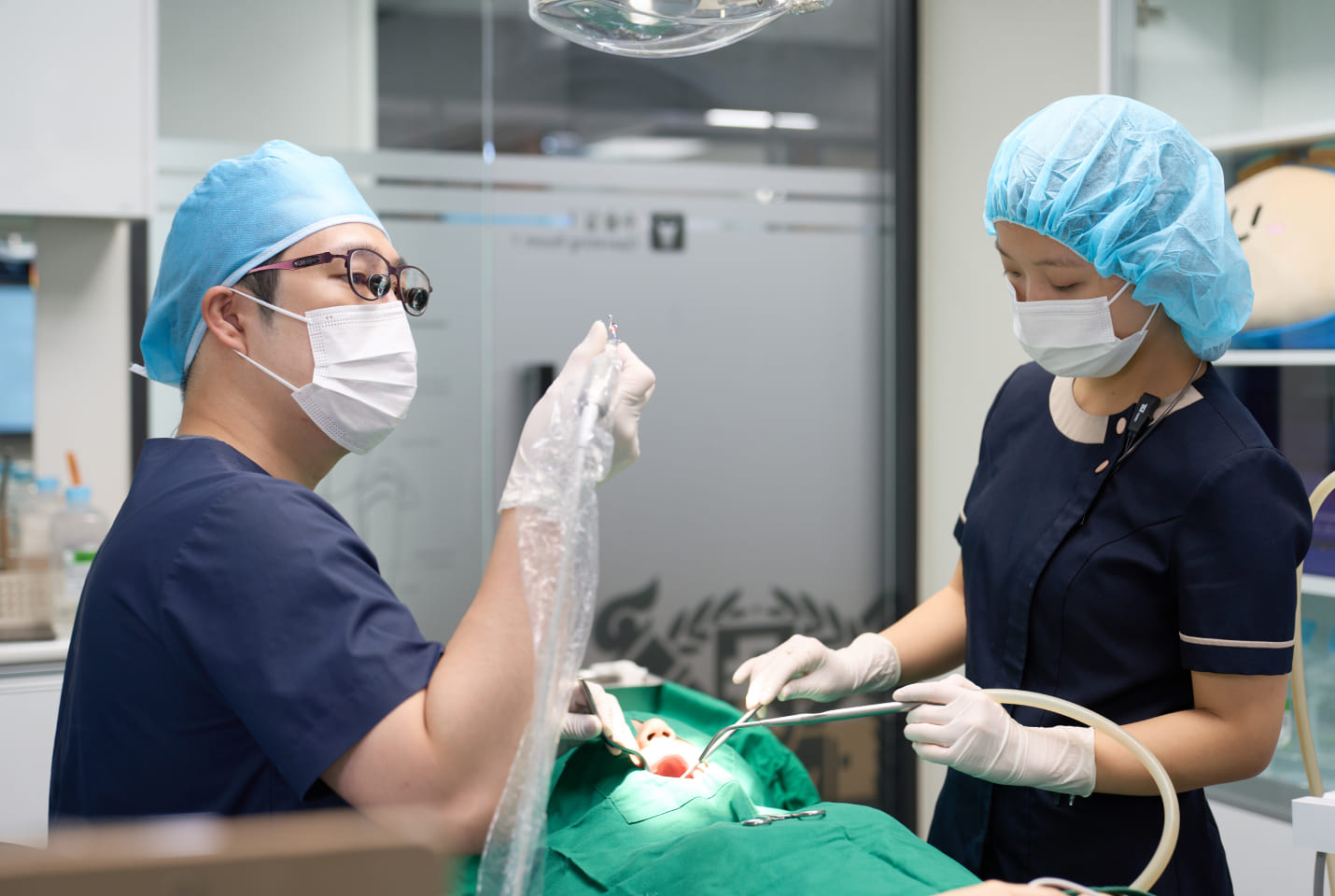
Dedicated Surgical Facilities and Safety Equipment
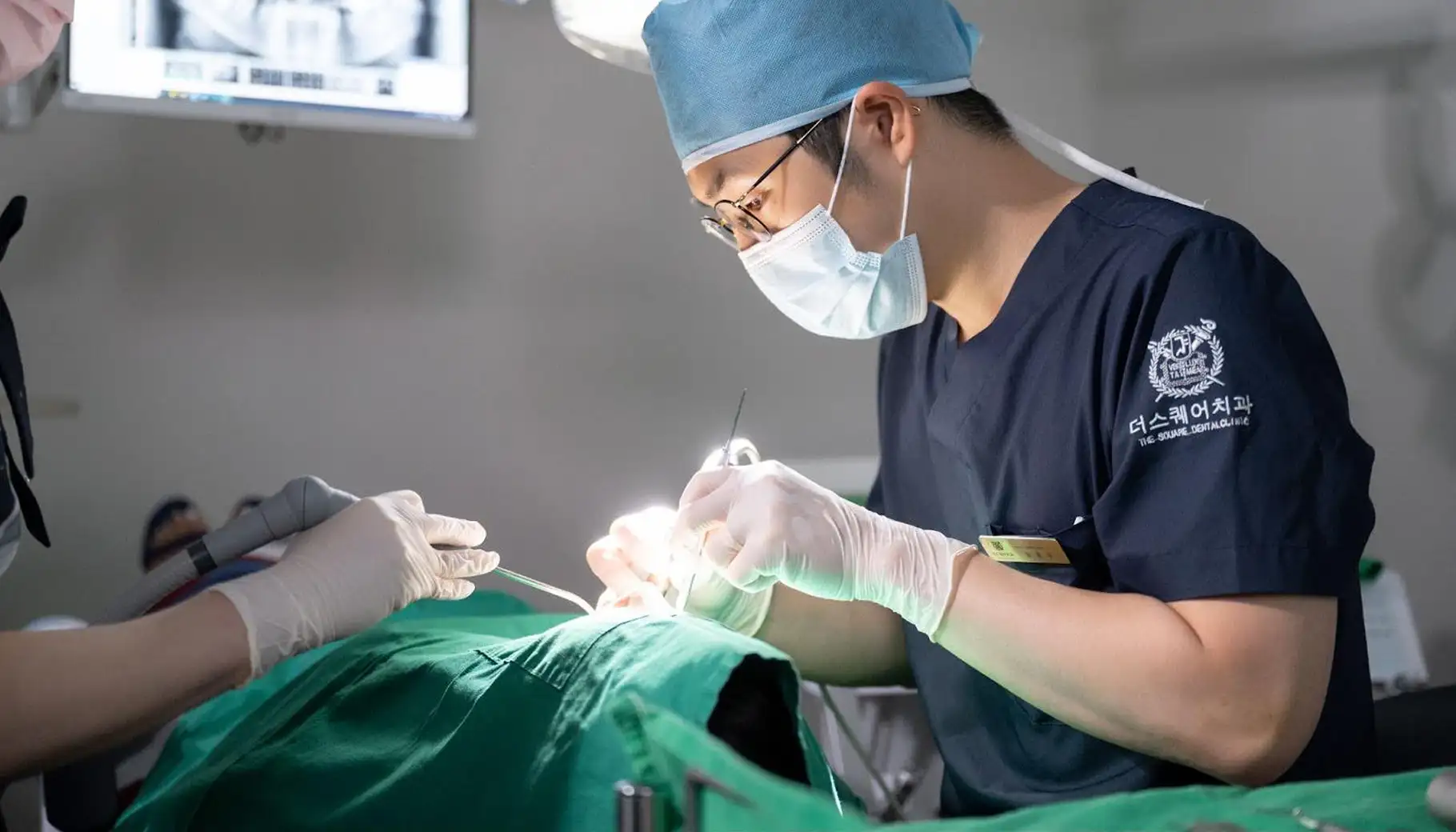
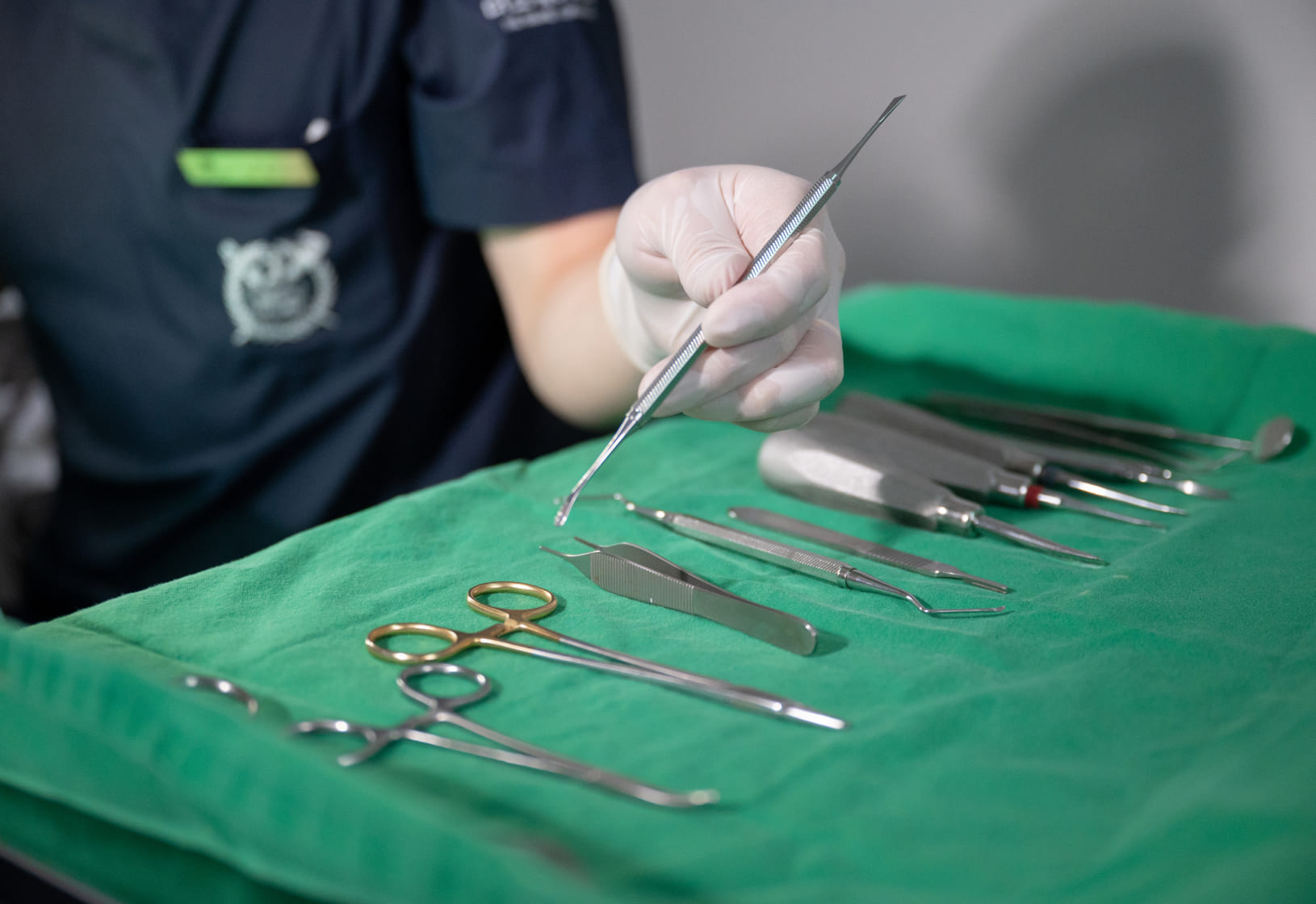
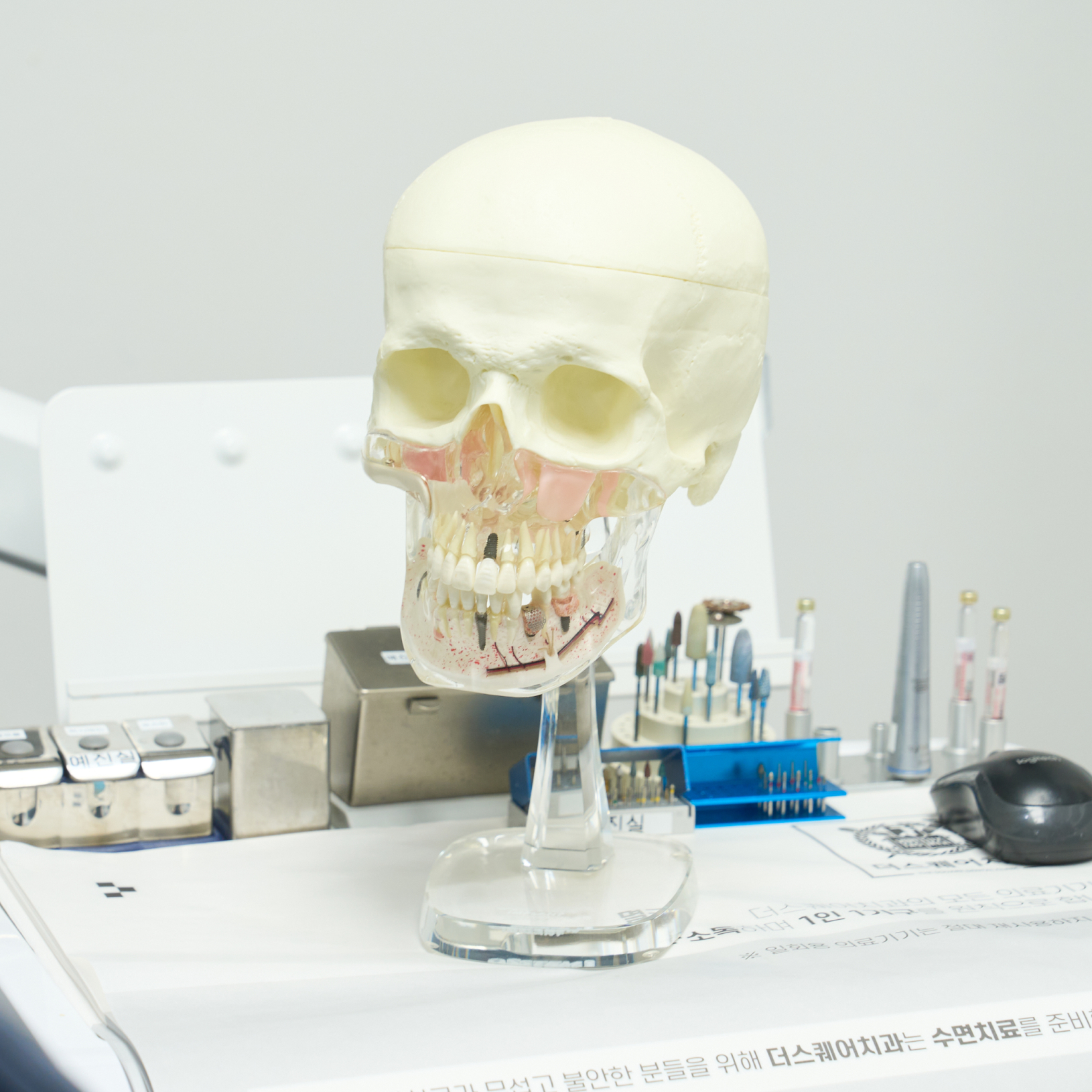
The Square Dental Clinic maintains dedicated surgical facilities, monitoring systems, and emergency equipment to support safe implant procedures.
06
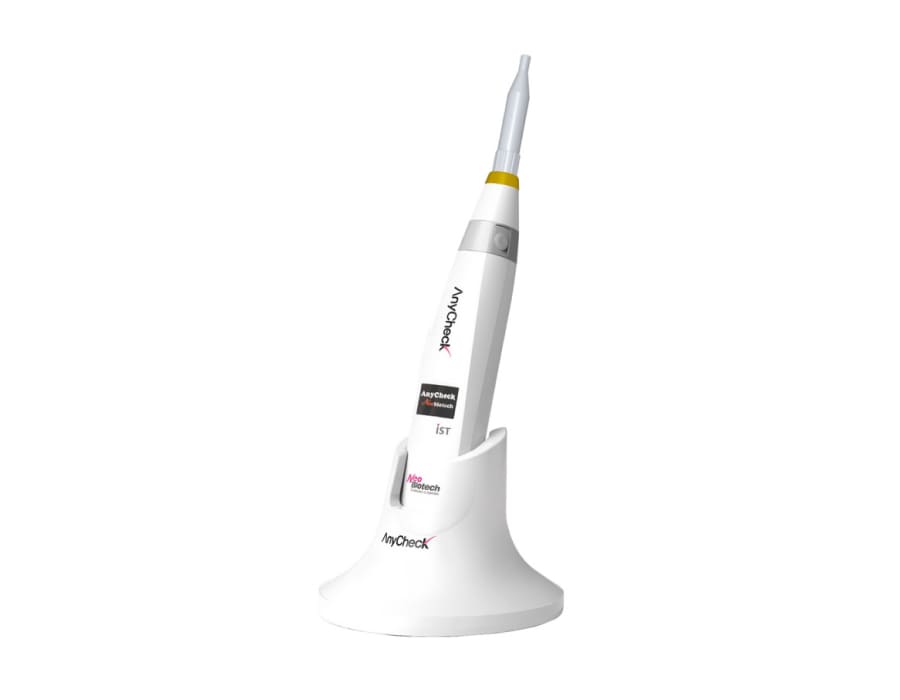
Osstell Mentor & AnyCheck for Implant Stability Assessment
Implant stability is objectively assessed before proceeding to the prosthetic stage. Devices such as Osstell use ISQ (Implant Stability Quotient) values to help evaluate osseointegration and determine an appropriate timing for loading.
07
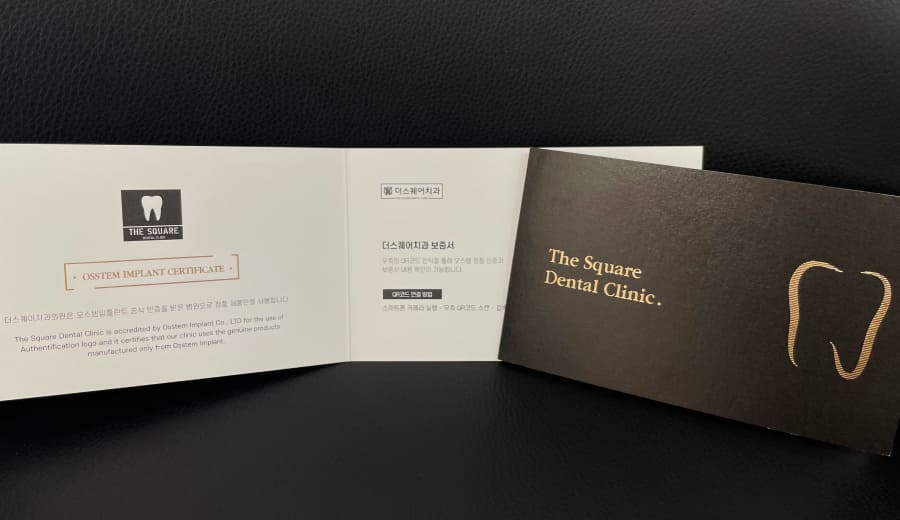
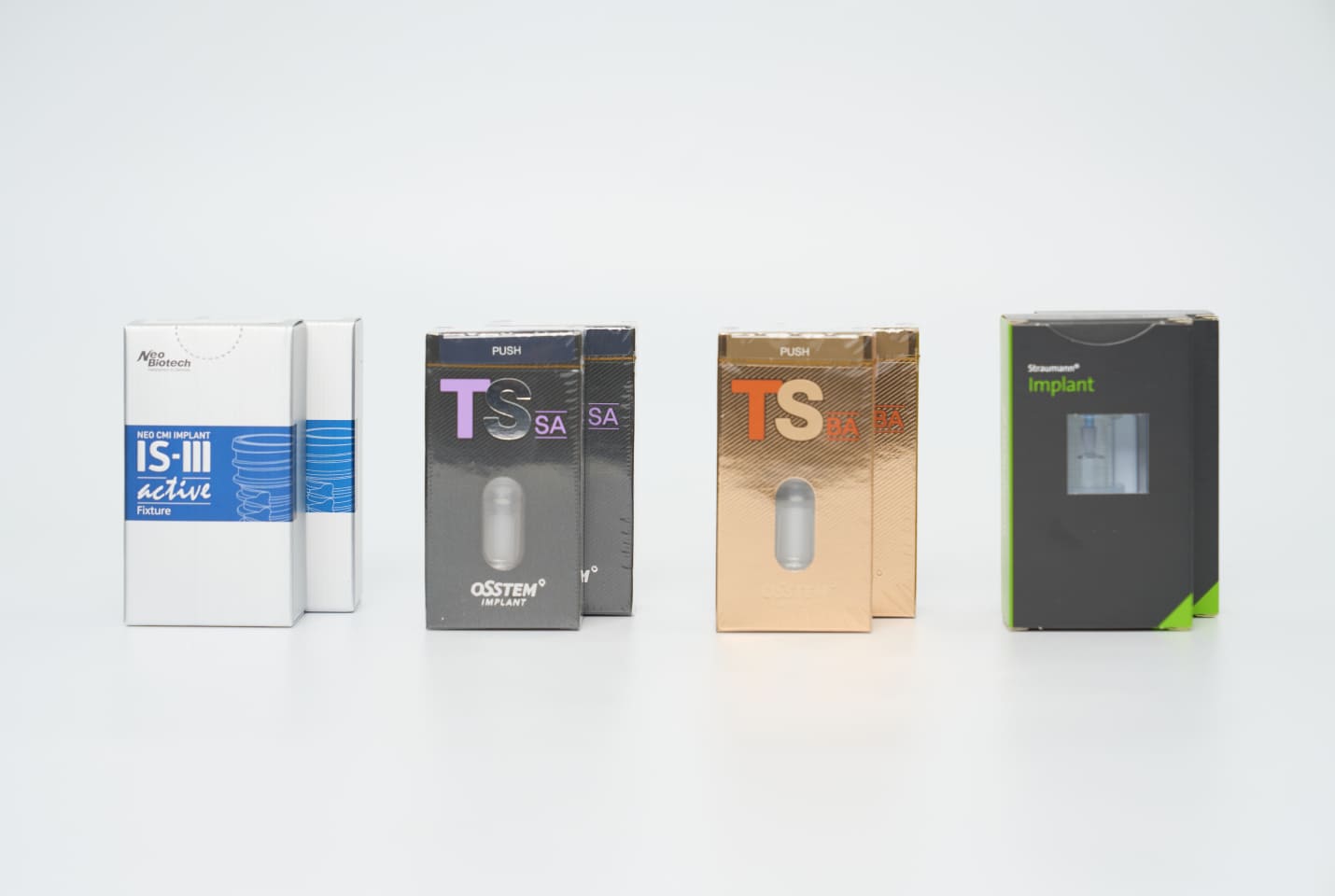
Implant Authenticity Certificate
Documentation is provided for the implant system and components used in treatment so patients can clearly identify what has been placed.
08
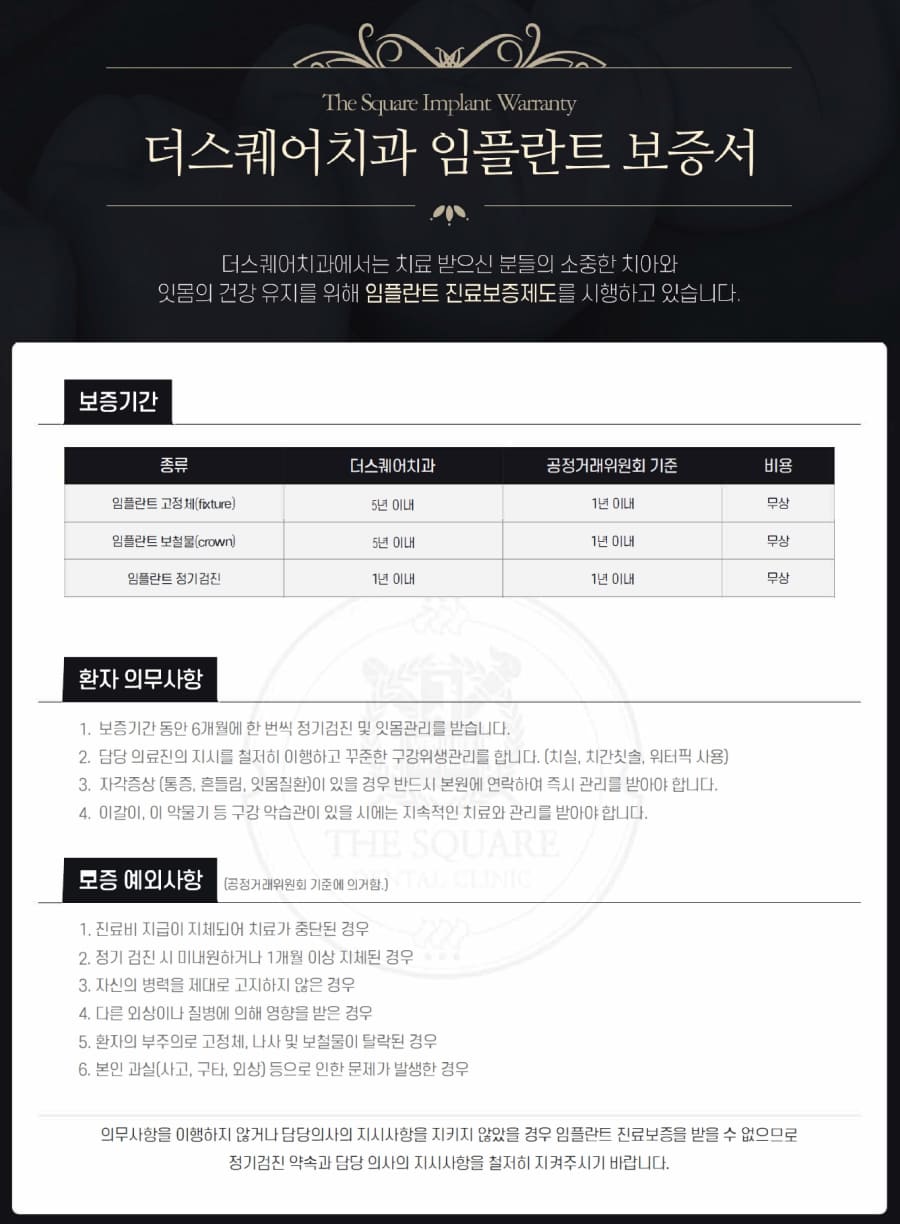
Up to 10 Years of Treatment Warranty
Long-term maintenance is just as important as the surgery itself. The Square Dental Clinic operates a structured warranty and follow-up program according to treatment type and applicable conditions.
What Is Implant Retreatment?
Implant retreatment refers to a series of procedures performed when an existing implant has lost osseointegration, developed irreversible structural damage, or can no longer be predictably maintained. The failed implant may be removed, infected or inflamed tissue is carefully debrided, the cause of failure is analyzed, and a new implant may be placed when the site is suitable.
Common Causes of Implant Failure
01
Inappropriate Surgical Planning or Implant Positioning
Implant position, angle, depth, diameter, and length all affect the long-term outcome. Inaccurate surgical planning or placement can contribute to mechanical, biological, and prosthetic complications.
The clinician’s experience and surgical judgment therefore play an important role in achieving a stable and maintainable result.
02
Implant Fixture or System-Related Factors
Implant failure can also be influenced by the implant design, material, surface characteristics, component compatibility, and available long-term clinical data.
03
Systemic Health Conditions
Conditions such as poorly controlled diabetes, osteoporosis, certain cancer treatments, and other systemic diseases may affect healing, bone metabolism, and implant prognosis.
04
Implant Maintenance
Implants require ongoing maintenance just like natural teeth. Poor plaque control can lead to peri-implant mucositis or peri-implantitis, which may cause progressive bone loss around the implant.
Regular dental checkups, professional maintenance, and avoiding excessive smoking are important for long-term implant health.
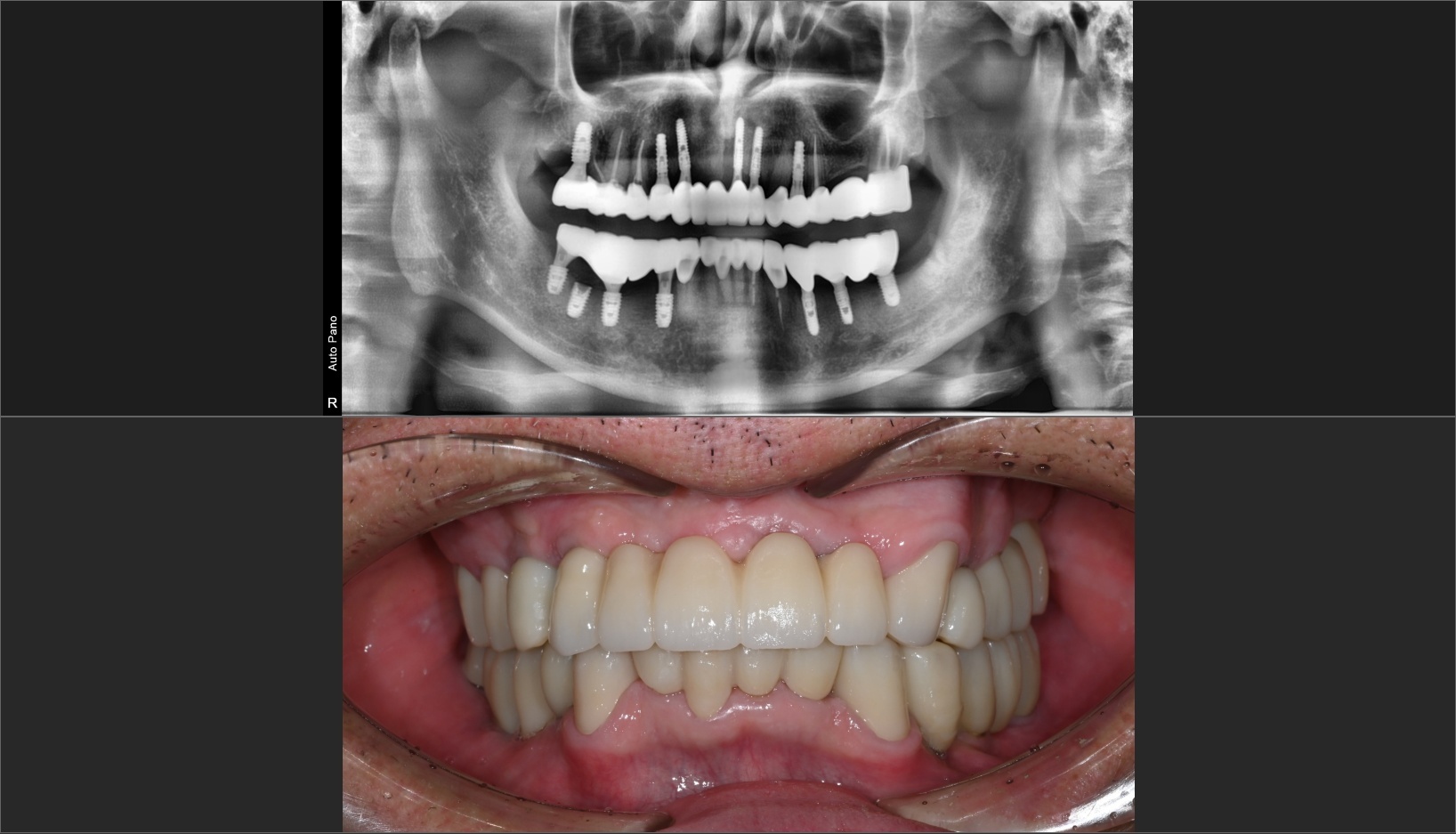
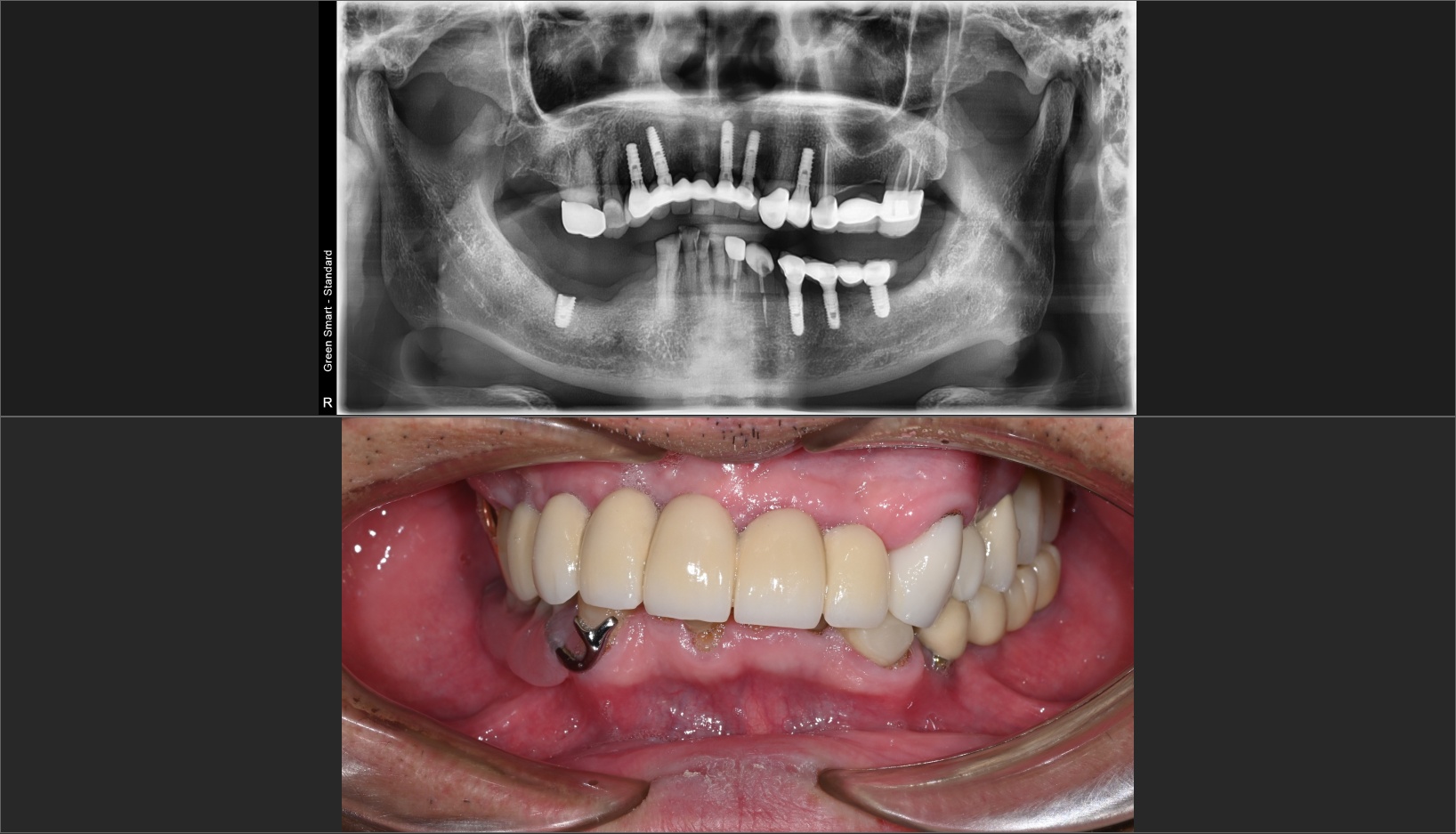
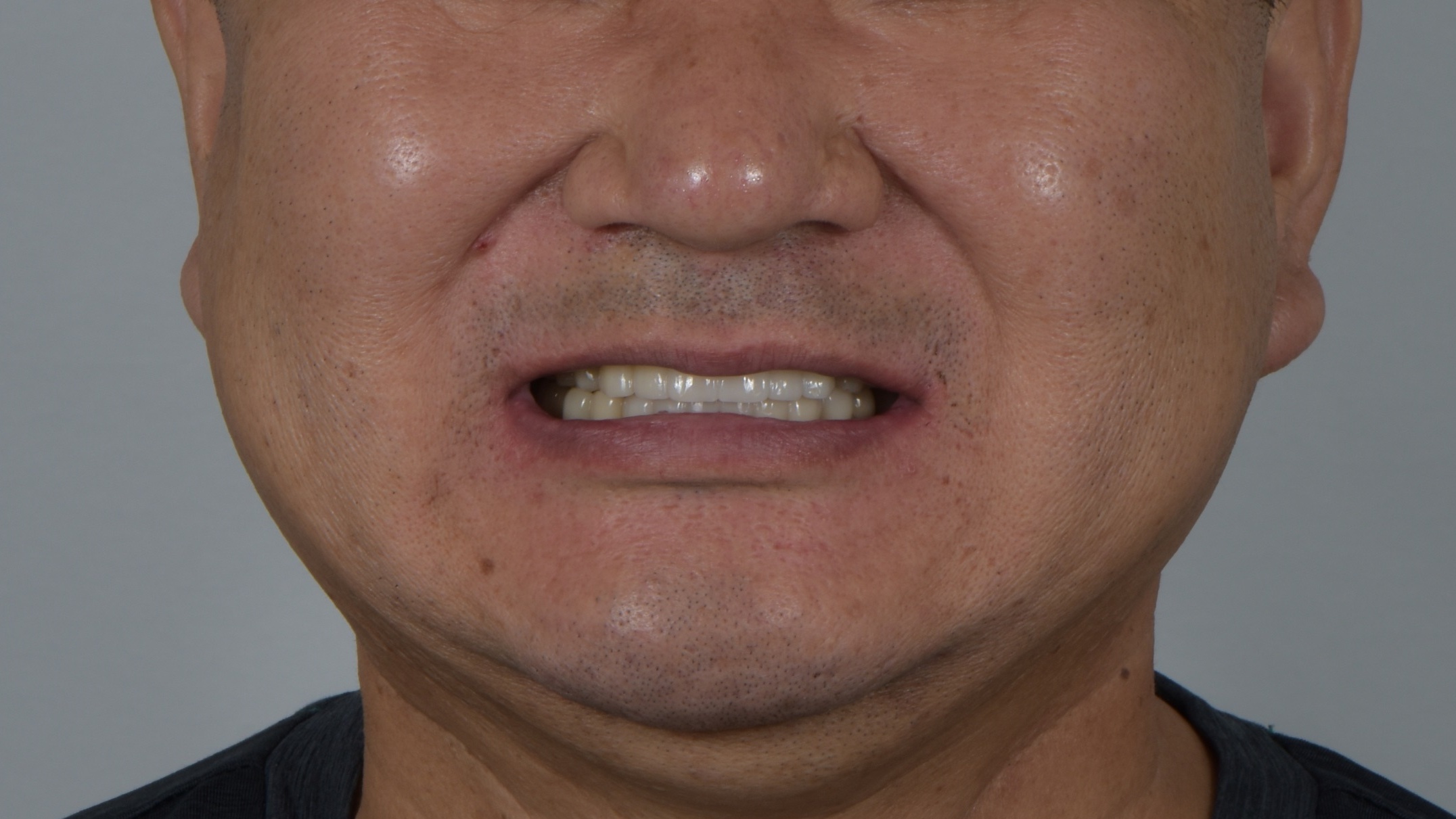
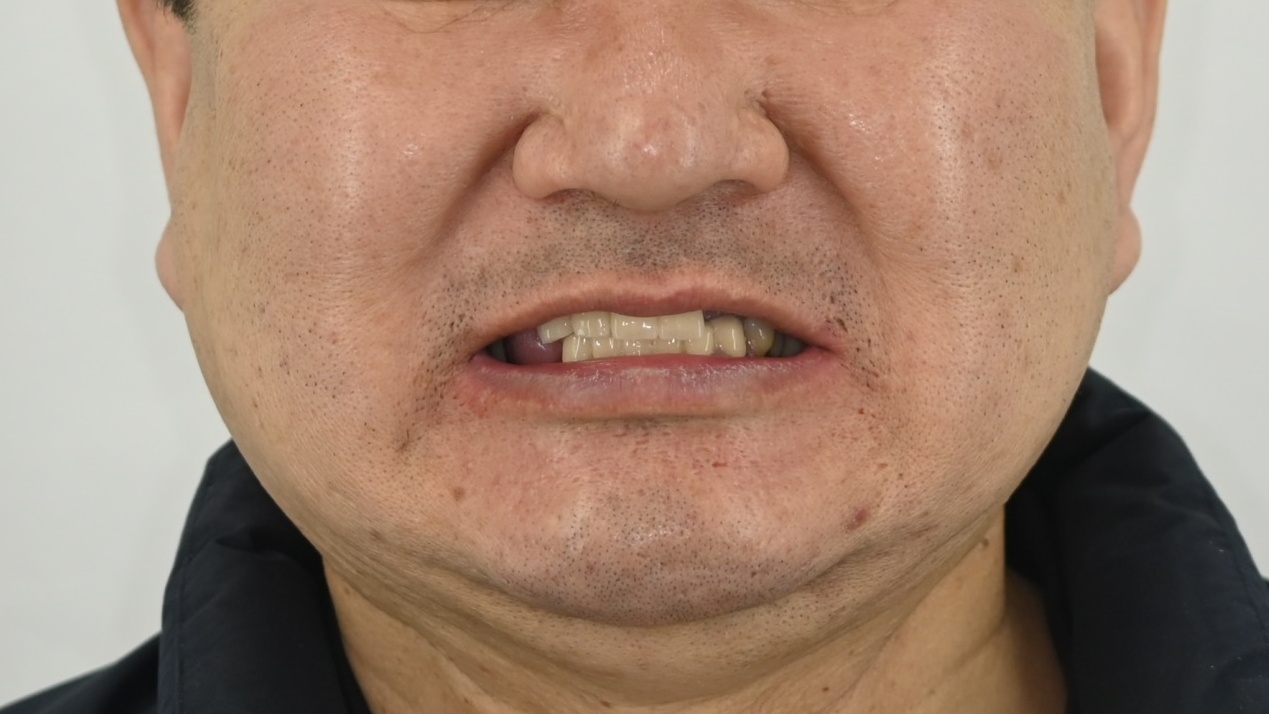
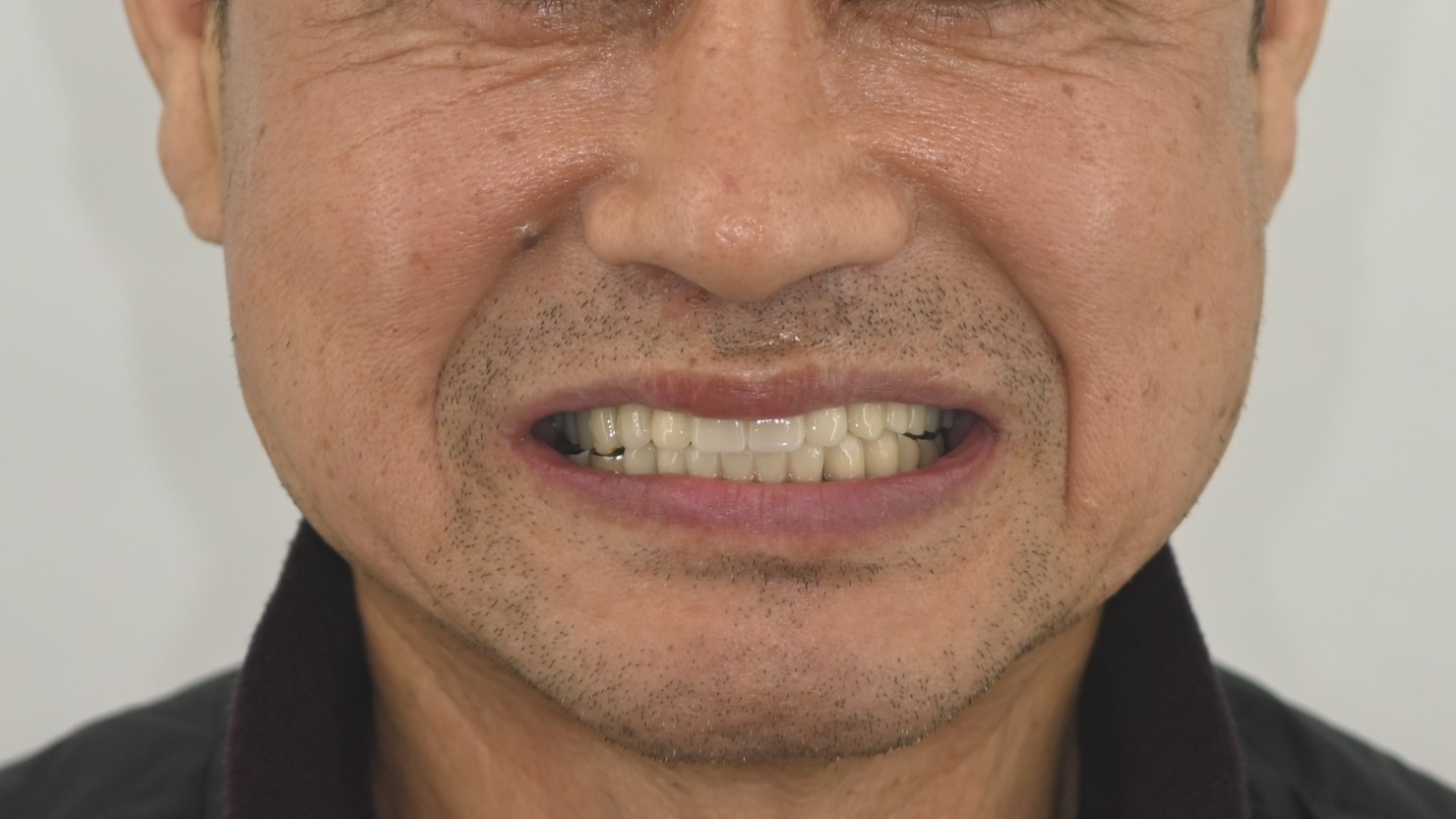
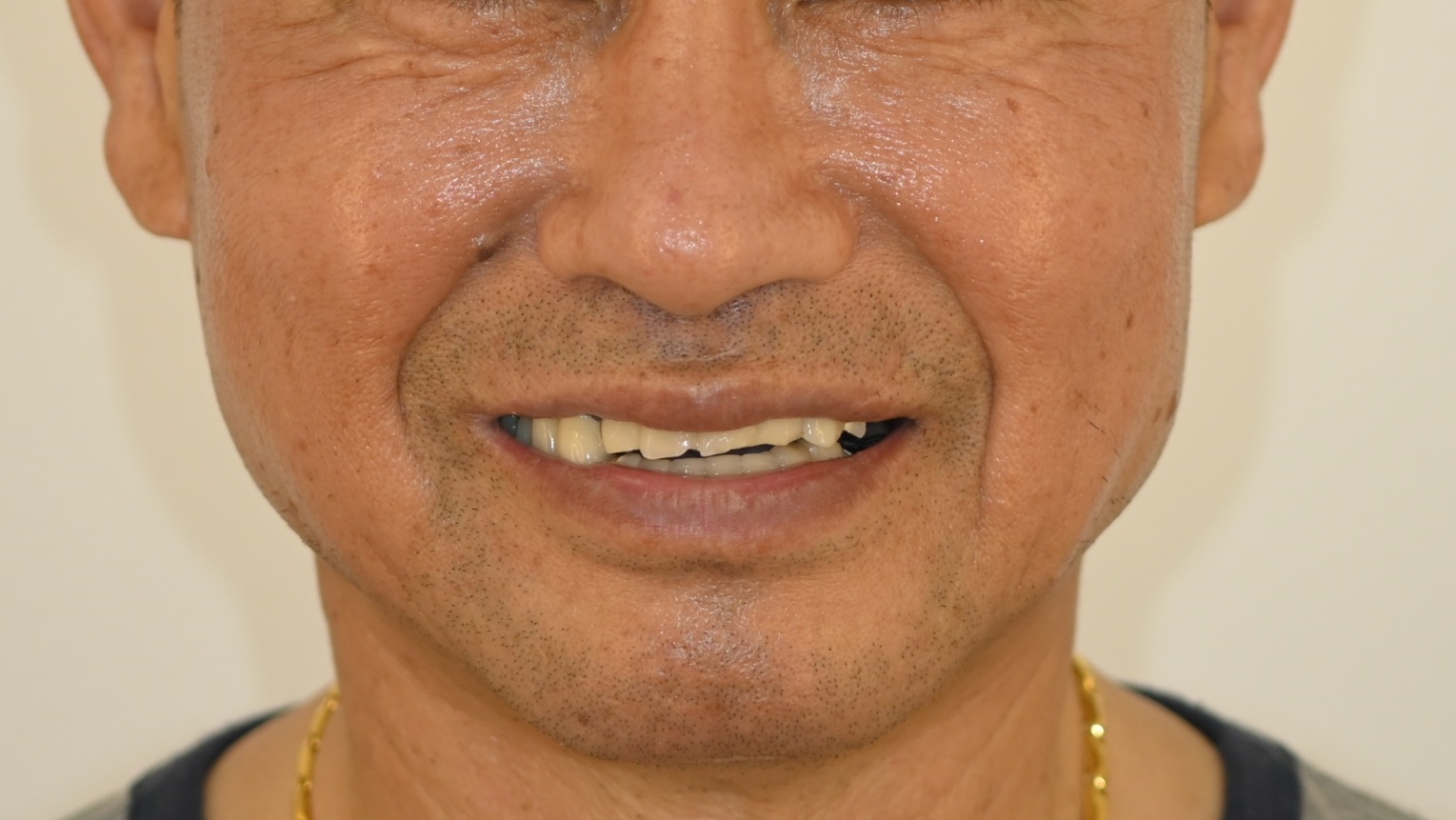
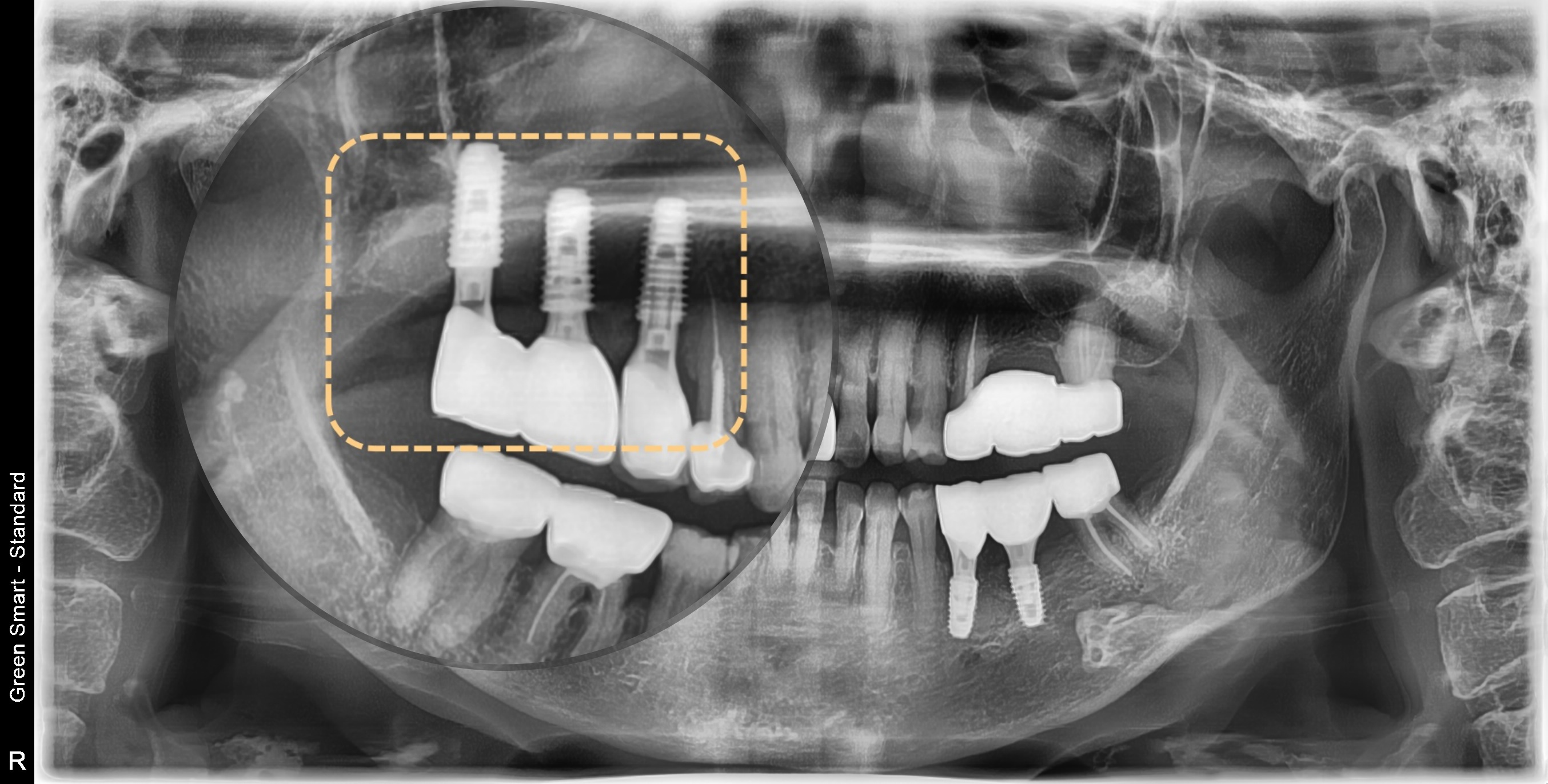
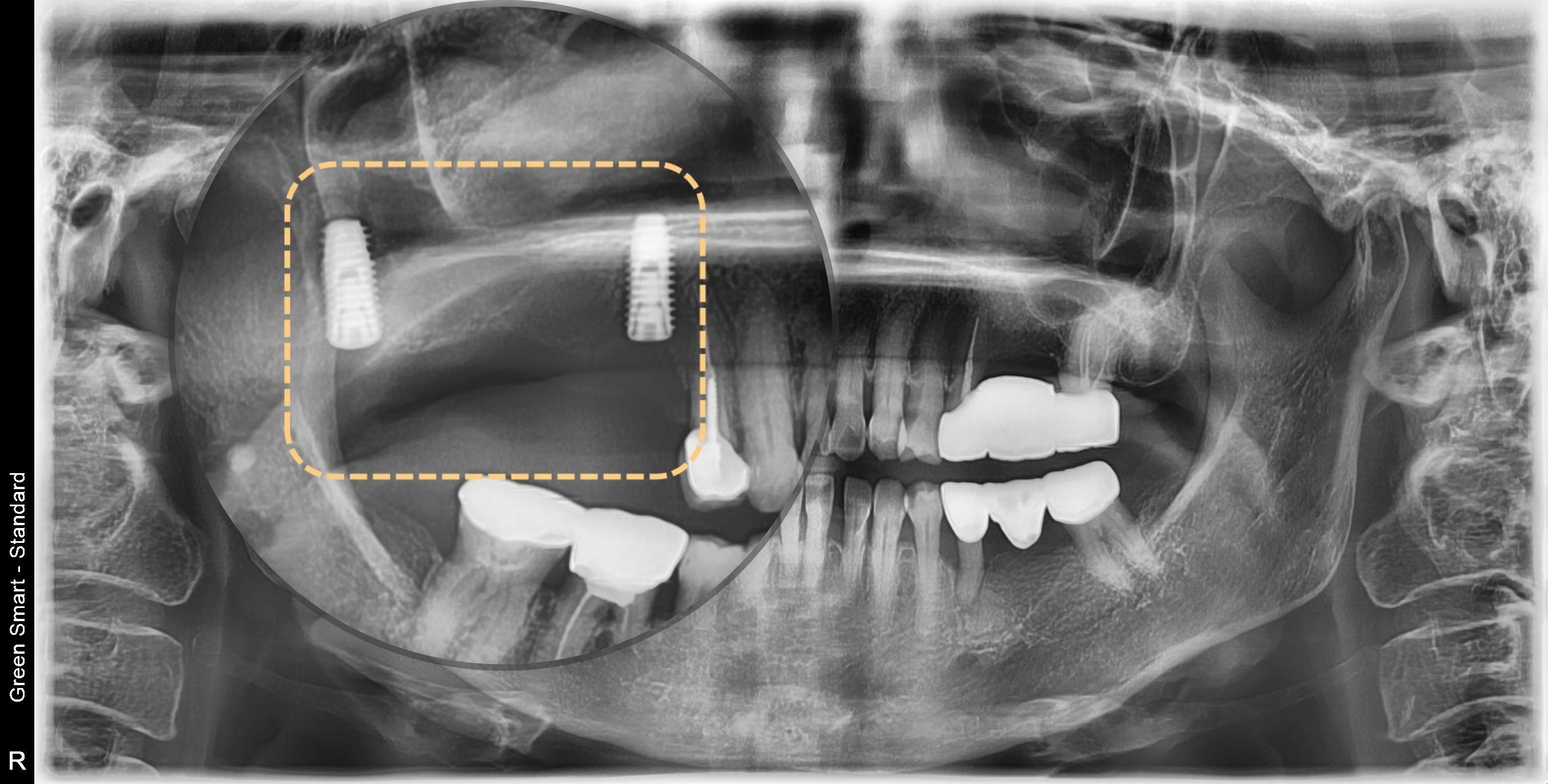
Implant Retreatment Before & After
Before
Treatment Started2024. 04. 12
After
Treatment Completed2024. 09. 23
Before
Treatment Started2024. 03. 23
After
Treatment Completed2024. 09. 14
Before
Treatment Started2023. 06. 15
After
Treatment Completed2024. 03. 07
Before
Treatment Started2023. 02. 20
After
Treatment Completed2023. 06. 27
Before
Treatment Started2022. 09. 29
After
Treatment Completed2023. 06. 21
*님 67세, 남
*님 50세, 남
*님 60세, 남
*님 72세, 여
*님 61세, 남
The clinical photographs above are published with the patients’ prior consent.
As with any dental treatment, side effects may occur. A consultation with a qualified dental professional is required before treatment.
Implant Retreatment FAQ
Q.
How much does implant retreatment cost?
A .
The cost of implant retreatment varies depending on why the original implant failed and what additional procedures are required. In many cases, the cost of placing the new implant itself is similar to standard implant treatment, while additional fees may apply for implant removal, bone grafting, infection management, or prosthetic replacement.
Implant removal may be partially covered by Korean National Health Insurance depending on the clinical situation and current insurance criteria, so exact costs should be confirmed after examination.
Q.
How long do dental implants last?
A .
Dental implants are designed for long-term use, and many implants remain functional for decades. However, there is no fixed lifespan that applies to everyone. Longevity depends on surgical quality, implant position, bone and gum health, bite forces, oral hygiene, smoking, systemic health, and regular maintenance.
Q.
How long does implant retreatment take?
A .
Implant retreatment often takes longer than initial implant treatment because the site may already have bone loss, inflammation, scar tissue, or other damage.
If implant removal and bone grafting are required, a healing period of several months may be necessary before a new implant can be placed. The total treatment time varies considerably depending on the condition of the site and the treatment plan.