Consultation
Appointment
Appointment icon
Directions
Directions icon
Before & After
Before & After icon
HomeRestorativeOrthodonticsOrthodontics FAQ

Orthodontics FAQ

Orthodontics FAQ
RestorativeDentistry
화살표 아이콘
화살표 아이콘
Restoration
Dentistry

Specialist Orthodontic Care at The Square Dental Clinic

Detailed consultations, precise treatment planning, and meticulous orthodontic care

Board-Certified Orthodontist | Ph.D. Candidate

Joon Sang ChoD.D.S.

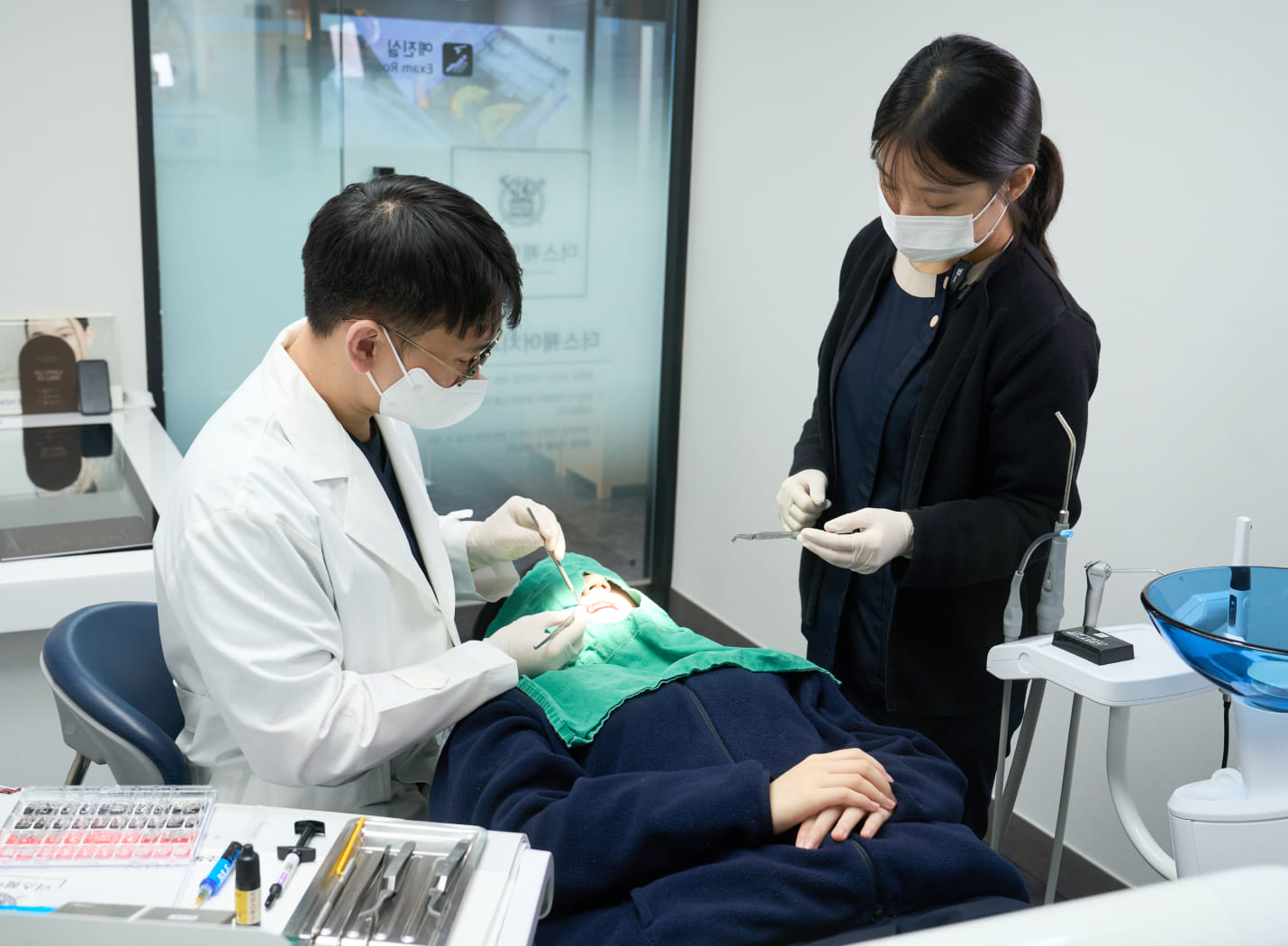
Orthodontic treatment at The Square Dental Clinic is led by a Seoul National University–trained orthodontic specialist. With meticulous attention to detail, we aim to achieve results that balance both aesthetics and function, with treatment plans tailored to each individual patient.

Credentials

  • Completed Ph.D. Coursework in Orthodontics, Seoul National University School of Dentistry
  • Board-Certified Specialist in Orthodontics, Ministry of Health and Welfare, Republic of Korea
  • Certified Orthodontist, Korean Association of Orthodontists (KAO)
  • Board-Certified Specialist in Integrated Dentistry, Ministry of Health and Welfare, Republic of Korea
  • Graduated Top of the Class from Seoul National University School of Dentistry
  • Completed Orthodontic Residency, Seoul National University Dental Hospital
  • Completed Internship, Seoul National University Dental Hospital
  • Member, Korean Association of Orthodontists (KAO)
  • Member, World Federation of Orthodontists (WFO)
  • Completed MEAW Orthodontic Training
  • Completed Invisalign Training, Align Technology, USA
  • Formerly at Seoul National University Dental Hospital

Orthodontic Treatment FAQ

I’d Like to Know More About the Orthodontic Treatment Process

Orthodontic treatment is about more than simply straightening teeth. Correcting malocclusion can improve chewing function and oral health, while a more balanced smile may also have a positive impact on confidence and overall quality of life.

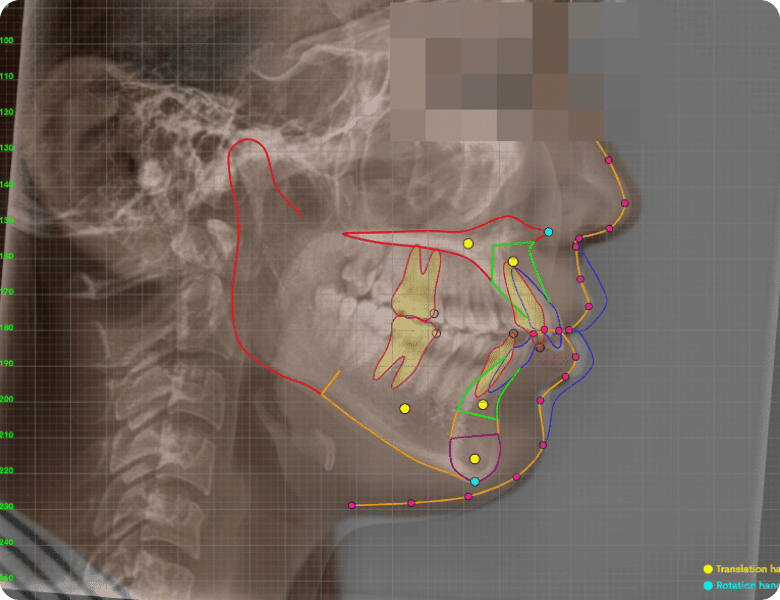
Every malocclusion is different and requires individual consideration. Because orthodontic treatment must take into account the teeth, bite, jaw structure, and overall facial balance, it is important to receive care from an experienced orthodontic team with a systematic approach to diagnosis and treatment planning.

Orthodontic Treatment FAQ
q

How Long Does Orthodontic Treatment Take?

a

Orthodontic treatment can take anywhere from several months to several years. The exact duration depends on factors such as your initial tooth alignment, age, jaw structure, bite, and treatment goals.

q

How Often Will I Need to Visit the Clinic?

a

Patients with braces typically visit every 4–6 weeks, while Invisalign patients may visit every 6–8 weeks or at longer intervals. The exact schedule may vary depending on your condition, treatment progress, and your orthodontist’s clinical judgment.

q

Do I Have to Have Teeth Extracted for Orthodontic Treatment?

a
Whether to extract teeth during orthodontic treatment

No. Not every orthodontic case requires tooth extraction. However, extraction may be recommended when it is necessary to achieve the treatment goals—for example, when there is severe crowding, insufficient space in the jaw, or a tooth has a poor prognosis because of extensive decay or damage.
When both extraction and non-extraction approaches are clinically possible, The Square Dental Clinic carefully explains the advantages and limitations of each option so you can make an informed decision.

q

Can Middle-Aged and Older Adults Have Orthodontic Treatment?

a

Yes. Age alone does not determine whether orthodontic treatment is possible, and adults in their 60s and 70s may also be candidates for treatment. What matters more is the health of the teeth, gums, and supporting bone.
If periodontal support is compromised, gum treatment or other dental procedures, including implant treatment when appropriate, may need to be coordinated with orthodontic care.

q

When Are Orthodontic Elastics Used?

a
When to use orthodontic rubber bands

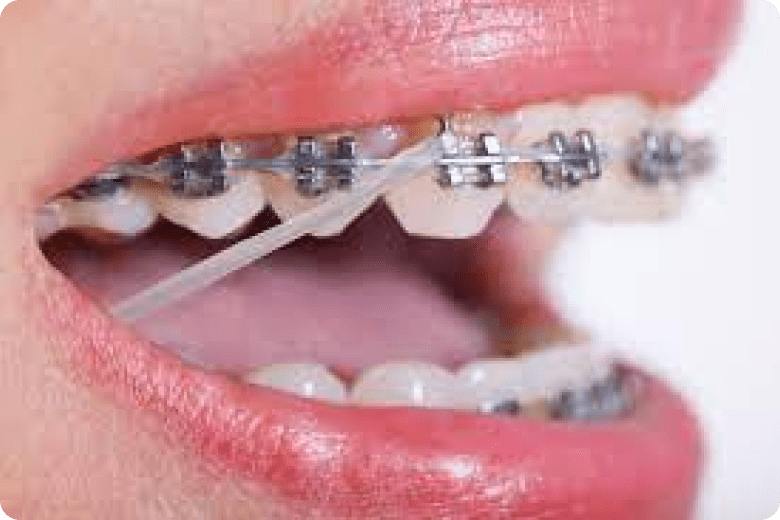
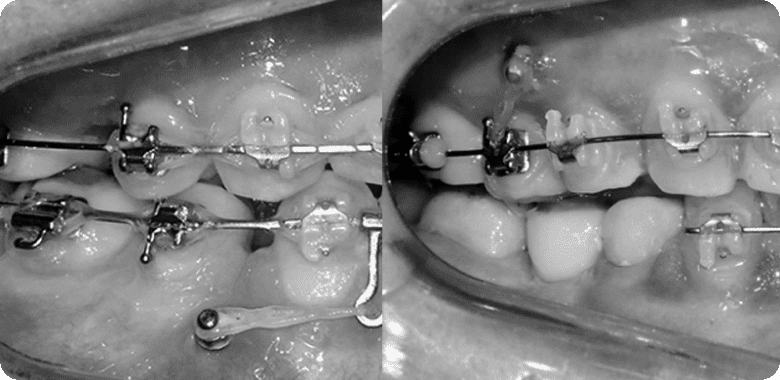
Orthodontic elastics are prescribed when additional force is needed to guide the teeth and improve the bite. They are commonly used to correct discrepancies between the upper and lower dental arches or asymmetries between the right and left sides of the bite.

q

When Are Orthodontic Miniscrews Used?

a
Timing of using orthodontic screws

Orthodontic miniscrews provide temporary skeletal anchorage in the supporting bone. They may be used when tooth movement requires additional force or a direction of movement that is difficult to achieve efficiently with conventional orthodontic appliances alone.
At The Square Dental Clinic, miniscrews and skeletal anchorage systems are incorporated when clinically appropriate to provide more precise control of tooth movement and improve treatment efficiency.

q

Are There Any Possible Side Effects of Orthodontic Treatment?

a
Side effects of orthodontic treatment

Orthodontic treatment requires particularly careful oral hygiene. Brackets and other appliances can make cleaning more difficult, which may increase the risk of tooth decay and gum disease if plaque is not adequately controlled. At The Square Dental Clinic, we regularly monitor gum health and check for early signs of cavities throughout treatment, providing professional cleaning when needed.
Some patients may develop “black triangles,” or small spaces near the gumline between the teeth, as the teeth move into alignment. Root resorption may also occur during orthodontic tooth movement. The degree varies between individuals, and in some cases the tooth roots may appear slightly shorter after treatment.

q

What Should I Do If My Orthodontic Retainer Comes Loose?

a

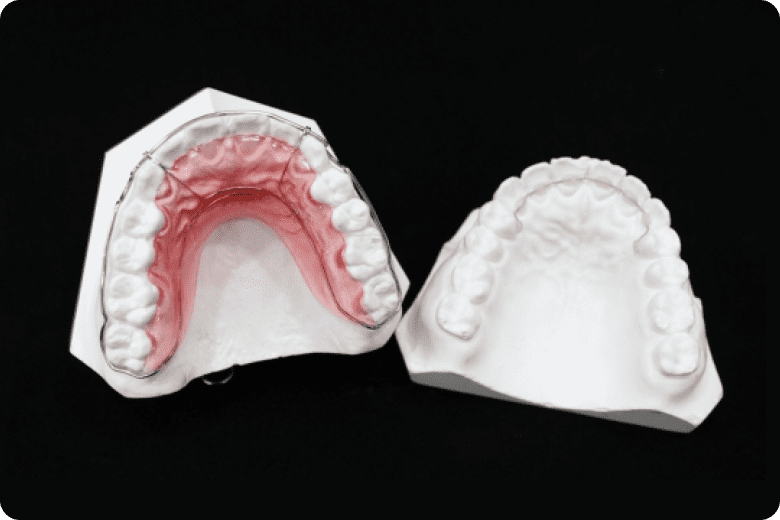
Please contact the clinic and have the retainer checked. In many cases, it can be reattached. If the retainer is damaged or significantly distorted, a new one may need to be fabricated.

q

How Should I Brush My Teeth During Orthodontic Treatment?

a

When wearing braces, we recommend using an orthodontic toothbrush and cleaning more carefully than usual around the brackets, wires, and gumline. A fluoride toothpaste is also recommended to help prevent tooth decay.
For detailed instructions, please see our “Proper Brushing Guide.”

q

Are There Any Foods I Should Avoid During Orthodontic Treatment?

a

With Invisalign, there are very few dietary restrictions because the aligners are removed during meals. With braces, however, it is best to avoid very hard, chewy, or sticky foods such as popcorn, chewing gum, hard candy, and caramel. These foods can damage or loosen the brackets and wires and may also make oral hygiene more difficult.

Everything You Need to Know About Orthodontics

Orthodontics Encyclopedia

치아교정 백과사전

The Square Dental Clinic’s Orthodontic Expertise

치아교정 상담

Specialist Column