Consultation
Appointment
Appointment icon
Directions
Directions icon
Before & After
Before & After icon
HomeRestorativeSurgerySinus Elevation Surgery

Sinus Elevation Surgery

Sinus Elevation Surgery
RestorativeDentistry
화살표 아이콘
화살표 아이콘
Restoration
Dentistry

What Is Sinus Lift Surgery?

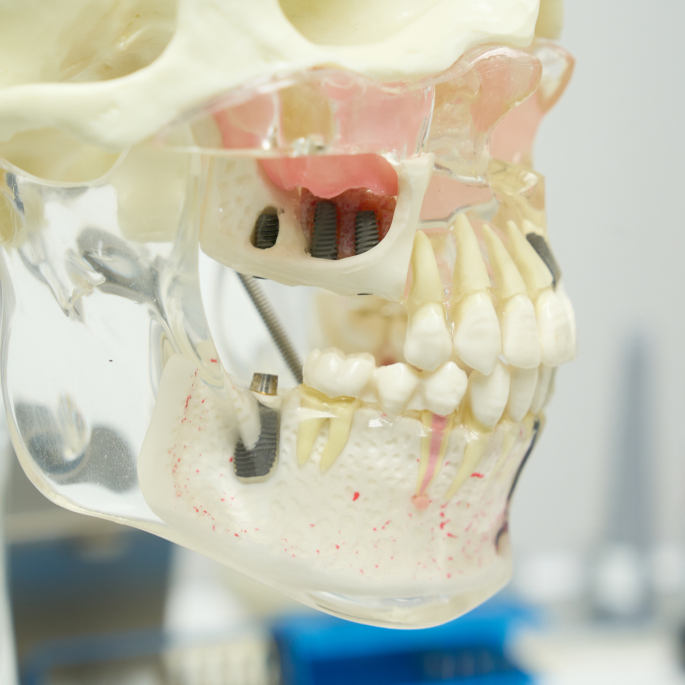
Anatomy of the Maxillary Sinus

Sinus lift surgery is an advanced bone grafting procedure performed when there is not enough vertical bone height in the upper jaw for implant placement. The maxillary sinus is one of the air-filled cavities of the facial bones and is located above the upper molars, beneath the cheekbone and eye area.
The maxillary sinus also plays an important role in warming and humidifying inhaled air and in helping move mucus and foreign particles toward the nasal cavity.

Anatomy of the Maxillary Sinus

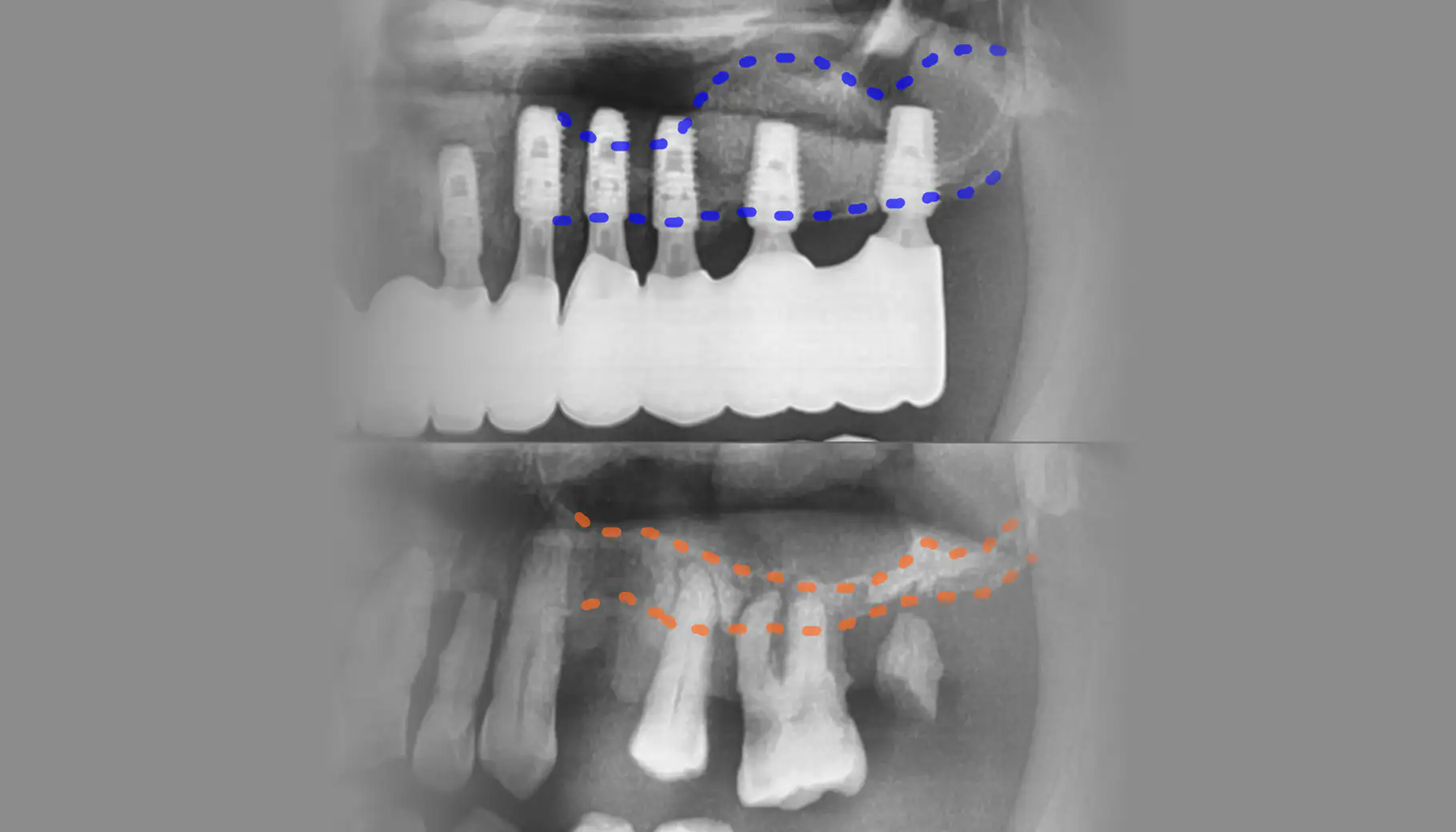
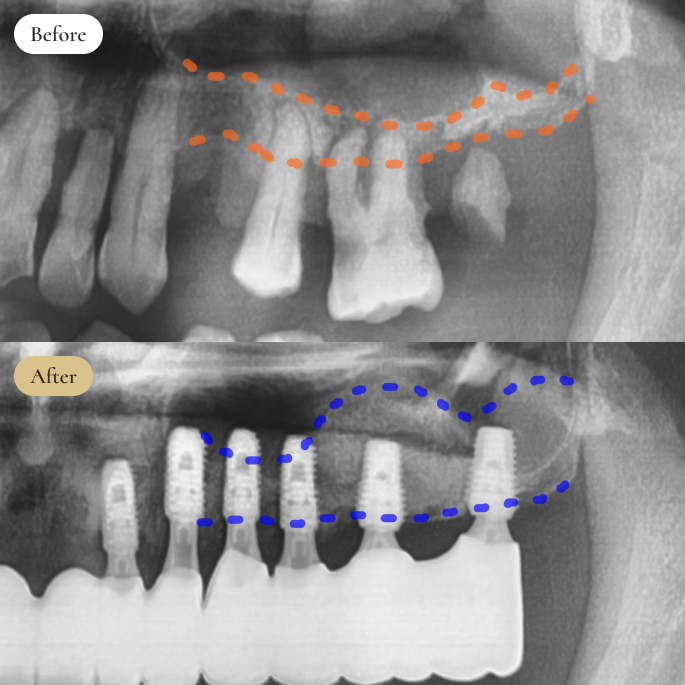
CT Before & After Sinus Lift Surgery

In many patients, the available bone height beneath the maxillary sinus is insufficient for placement of an implant with adequate length and stability. In these cases, the sinus membrane is carefully elevated and bone graft material is placed between the membrane and the existing bone to increase vertical bone height. The implant can then be placed either at the same time or after a healing period, depending on the remaining bone and implant stability.

CT Before & After Sinus Lift Surgery

How Much Does Sinus Lift Surgery Cost?

The cost of sinus lift surgery varies depending on the clinic, surgical approach, amount of bone grafting required, and the number and location of implants. In Korea, fees commonly range from approximately KRW 500,000 to 1.2 million.

Main Factors Affecting Cost

  • 01

    Cost per Implant

    Cost per Implant

  • 02

    Number of Implants

    Number of Implants

  • 03

    Additional Procedures

    Additional Procedures
    (Bone grafting, sinus augmentation, and other additional procedures may affect the total treatment cost.)

Types of Sinus Lift Surgery

01

Crestal Sinus Elevation

A crestal sinus lift is commonly considered when a moderate amount of residual bone remains, often around 5–6 mm, and only a limited amount of sinus elevation is required. The sinus is approached through the same direction used for implant placement.
The sinus membrane may be elevated using osteotomes or hydraulic pressure, depending on the surgical technique.

02

Lateral Sinus Elevation

A lateral sinus lift is generally used when the remaining bone height is very limited and a greater amount of vertical bone augmentation is required. A small window is created in the lateral wall of the maxillary sinus, allowing the surgeon to directly visualize and carefully elevate the sinus membrane.
Compared with the crestal approach, it is a more extensive procedure, but direct visualization allows greater control when a larger amount of elevation is required.

Sinus Lift Patient Review

Possible Side Effects and Precautions

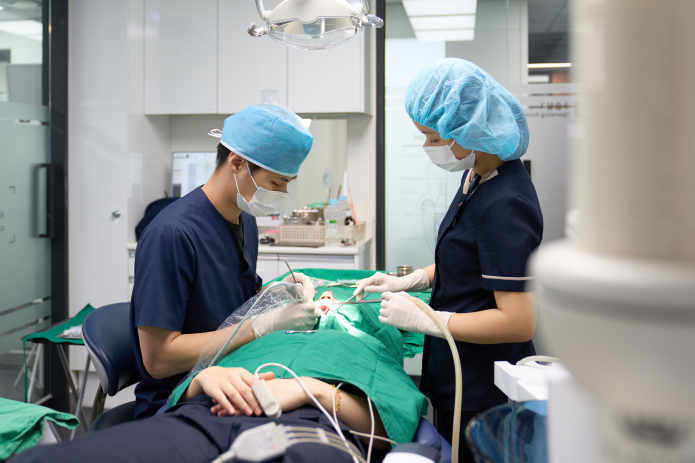
The sinus membrane is extremely thin and delicate, so careful surgical manipulation is essential. If the membrane is perforated and not managed appropriately, or if active sinus disease is present before bone grafting, postoperative sinus complications may occur.
Because the procedure requires a detailed understanding of maxillary sinus anatomy and experience in managing potential complications, sinus lift surgery should be performed after careful diagnosis and treatment planning.

Possible Side Effects and Precautions

Postoperative Instructions After Sinus Lift Surgery

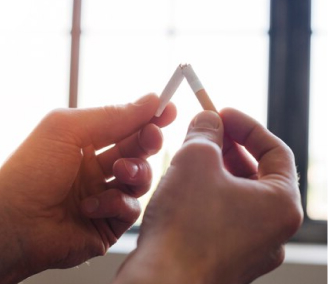
  • Avoid Smoking and Alcohol

    Avoid Smoking and Alcohol
    Smoking and alcohol can interfere with healing, so avoid them during the recovery period as instructed by your dentist.

  • Do Not Blow Your Nose Forcefully

    Do Not Blow Your Nose Forcefully
    Strong pressure inside the nose may affect the healing sinus membrane, so blow your nose only very gently if necessary.

  • Keep Your Mouth Open When Coughing or Sneezing

    Keep Your Mouth Open When Coughing or Sneezing
    Opening your mouth helps reduce pressure transmitted to the sinus during coughing or sneezing.

  • Mild Nosebleeds May Occur

    Mild Nosebleeds May Occur
    A small amount of blood-tinged nasal discharge may occur for a few days. Do not rinse or blow forcefully; follow the postoperative instructions provided by your dentist.

Sinus Lift FAQ

Everything You Need to Know About Orthodontics

Orthodontics Encyclopedia

치아교정 백과사전

The Square Dental Clinic’s Orthodontic Expertise

치아교정 상담

Specialist Column