Specialist Orthodontic Care at The Square Dental Clinic
Detailed consultations, precise treatment planning, and meticulous orthodontic care
Board-Certified Orthodontist | Ph.D. Candidate
Joon Sang ChoD.D.S.
Orthodontic treatment at The Square Dental Clinic is led by a Seoul National University–trained orthodontic specialist. With meticulous attention to detail, we aim to achieve results that balance both aesthetics and function, with treatment plans tailored to each individual patient.
Credentials
Completed Ph.D. Coursework in Orthodontics, Seoul National University School of Dentistry
Board-Certified Specialist in Orthodontics, Ministry of Health and Welfare, Republic of Korea
Certified Orthodontist, Korean Association of Orthodontists (KAO)
Board-Certified Specialist in Integrated Dentistry, Ministry of Health and Welfare, Republic of Korea
Graduated Top of the Class from Seoul National University School of Dentistry
Completed Orthodontic Residency, Seoul National University Dental Hospital
Completed Internship, Seoul National University Dental Hospital
Member, Korean Association of Orthodontists (KAO)
Member, World Federation of Orthodontists (WFO)
Completed MEAW Orthodontic Training
Completed Invisalign Training, Align Technology, USA
Formerly at Seoul National University Dental Hospital
Personalized 3D-Printed Orthodontic Appliances Designed Around You
01
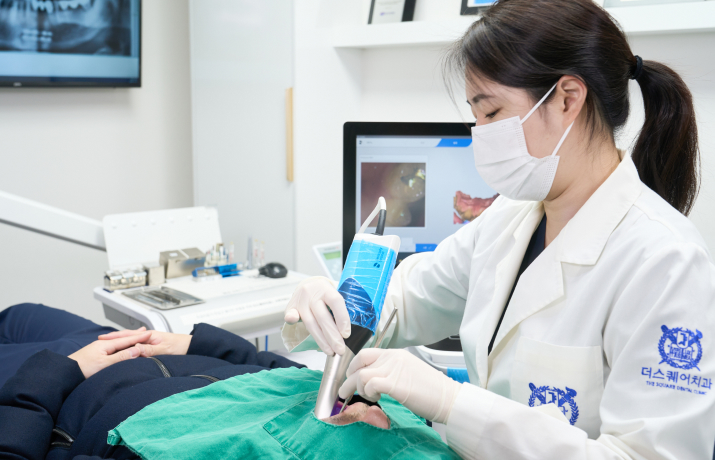
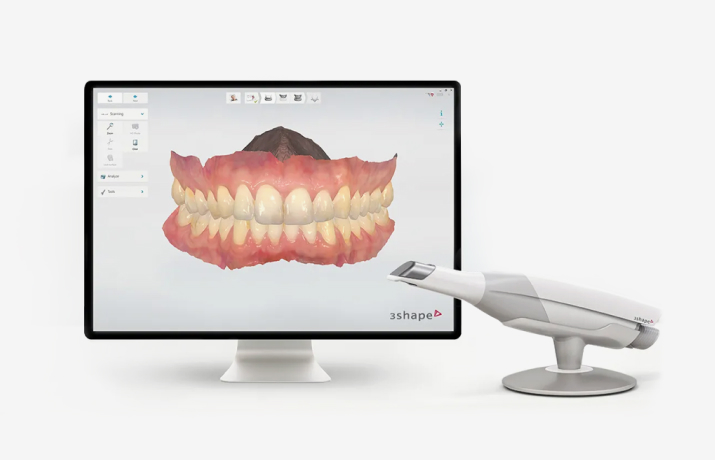
Comfortable, Precise Digital Scanning
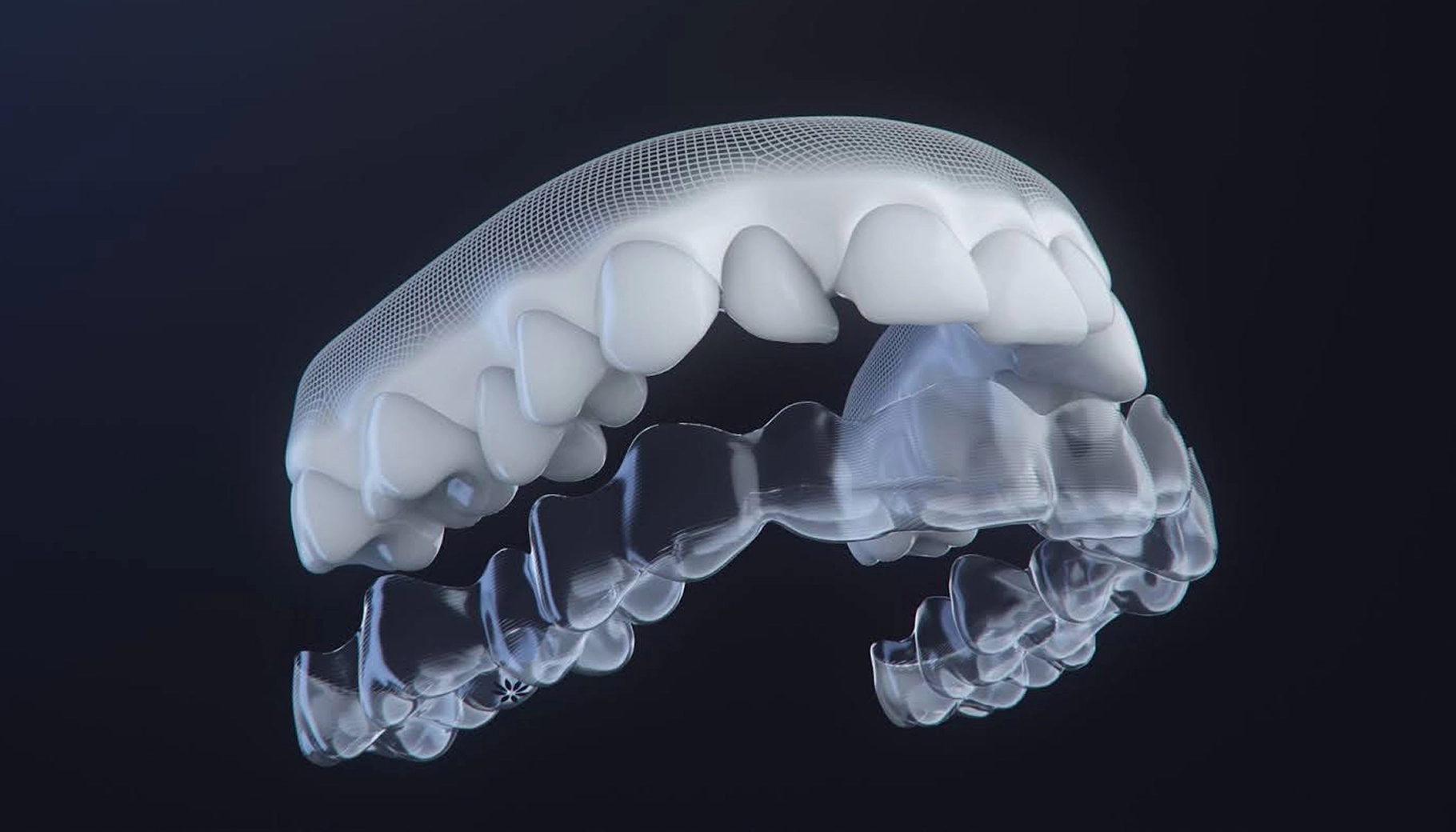
Advanced digital scanning and Invisalign ClinCheck 3D simulation allow us to visualize and plan the expected changes before treatment begins.
02
Personalized Orthodontic Treatment
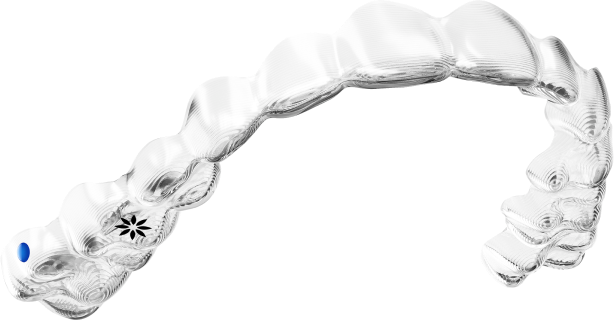
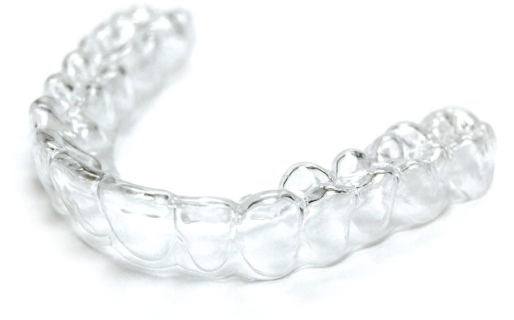
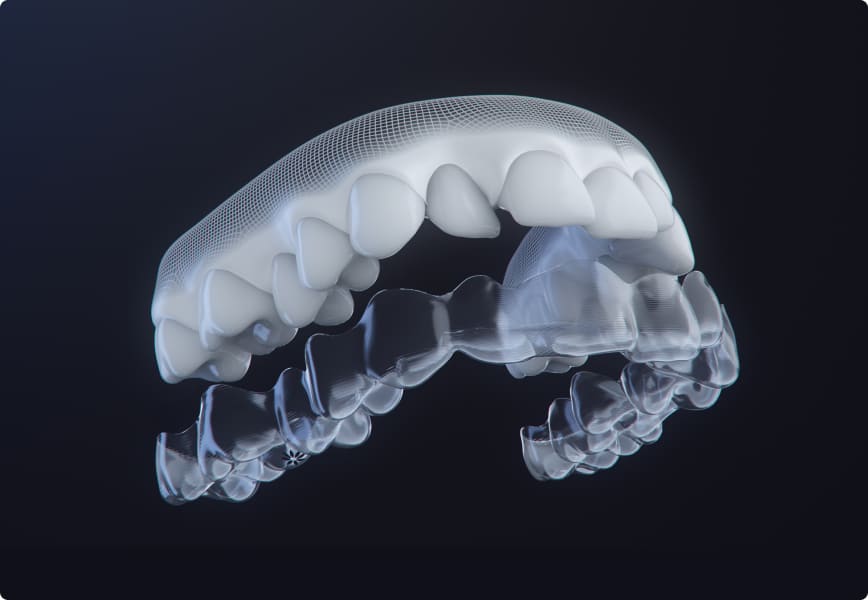
Rather than adapting the patient to a standardized appliance, Invisalign aligners are individually designed and fabricated according to each patient’s teeth, bite, and treatment plan.
03
A New Approach to Modern Orthodontics
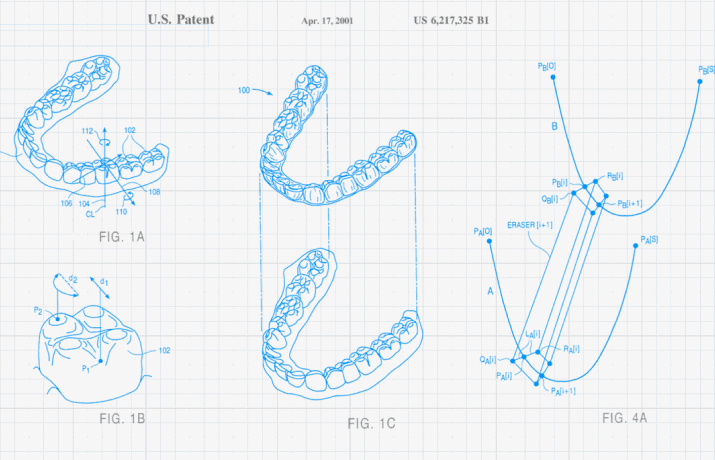
Developed by Align Technology in the United States, Invisalign has evolved over decades of research and clinical use worldwide and has become one of the most established clear aligner systems in modern orthodontics.
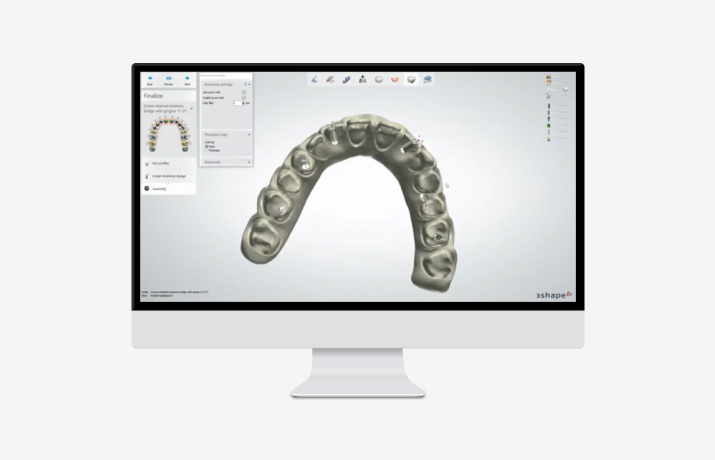
Invisalign Treatment Simulation — Preview the Planned Changes
01
Digital Scanner
A precise 3D digital scan captures detailed information about your teeth and bite while reducing errors associated with conventional impressions.
02
ClinCheck Treatment Planning
ClinCheck digitally analyzes and plans tooth movement step by step, allowing the orthodontist to refine each stage of treatment before the aligners are fabricated.
Why Choose Invisalign?
01
Discreet Appearance
The clear aligners are less noticeable when worn and can be removed when necessary.
02
Less Discomfort
Invisalign applies controlled, gradual forces to move the teeth and may cause less discomfort than some fixed orthodontic appliances.
03
Easier Oral Hygiene
Because the aligners can be removed for eating, brushing, and flossing, daily oral hygiene is easier to maintain.
04
Fewer Clinic Visits in Suitable Cases
Digital treatment planning can help streamline tooth movement and may allow longer intervals between visits in suitable cases.
05
Minimal Impact on Speech
The aligners are thin and designed to minimize interference with everyday speech.
06
Precision-Customized Fabrication
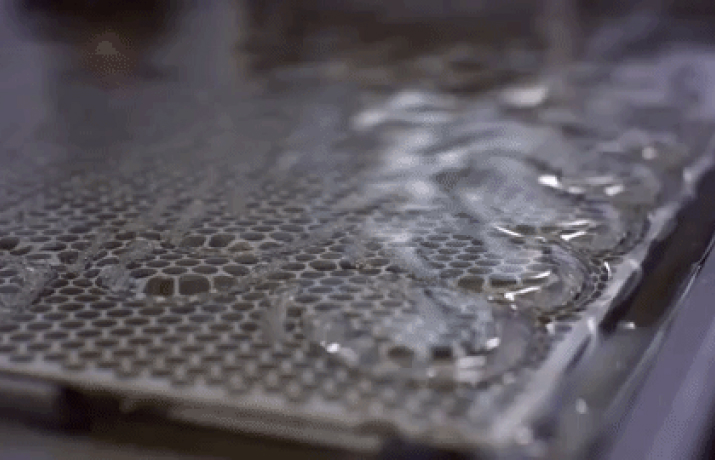
Invisalign uses 3D digital simulation and computer-assisted manufacturing to create a customized series of aligners for each patient.
Invisalign
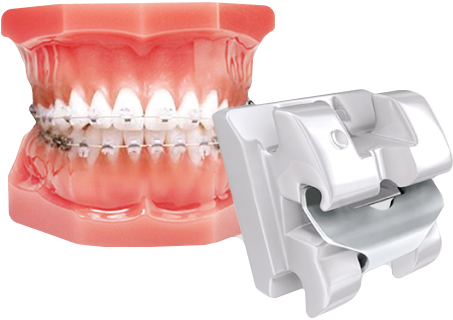
Conventional Braces
Invisalign
Division
Conventional Braces
Less noticeable
Aesthetics
More visible
Removable when necessary
Removability & Daily Life
Fixed in place
Aligners can be removed for brushing and flossing
Oral Hygiene
More careful cleaning around brackets and wires is required
Typically every 6–8 weeks, depending on the treatment plan
Visit Frequency
Typically every 4–6 weeks, depending on the treatment plan
Generally mild, although individual experiences vary
Discomfort
Varies depending on the appliance and treatment stage
Few restrictions because aligners are removed during meals
Dietary Restrictions
Some dietary restrictions are recommended
Possible side effects may occur depending on the individual case and treatment plan
Possible Side Effects
Possible side effects vary depending on the appliance and treatment plan
Invisalign
Conventional Clear Aligners
Invisalign
Division
Conventional Clear Aligners
Patented SmartTrack Material
Material
Clear aligner sheet material varies by system
Manufactured through the Invisalign system by Align Technology
Fabrication
May be fabricated by different laboratories or aligner manufacturers
Can be considered for a broad range of orthodontic conditions depending on diagnosis and clinician experience
Applicable Cases
Treatment range varies depending on the individual clear aligner system
Designed to support a wide variety of planned tooth movements
Types of Tooth Movement
Capabilities vary by aligner system and treatment design
Regulatory status varies by product and market
Safety & Regulatory Status
Regulatory status varies by product and market
Trimmed along the gumline for a customized fit
Fit & Comfort
Trim design varies depending on the aligner system
May require fewer visits in suitable cases
Clinic Visits
Varies according to the treatment system and case
Invisalign for a Wide Range of Orthodontic Cases
Built on decades of research, digital development, and extensive clinical experience
01
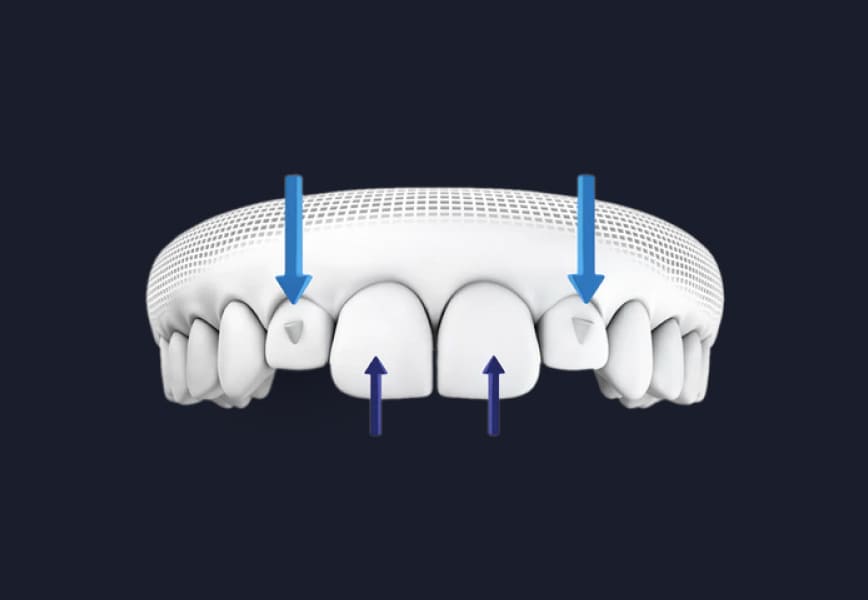
SmartForce Features
Specialized attachments and features are designed to help deliver controlled forces for a variety of tooth movements.
02
SmartTrack Material
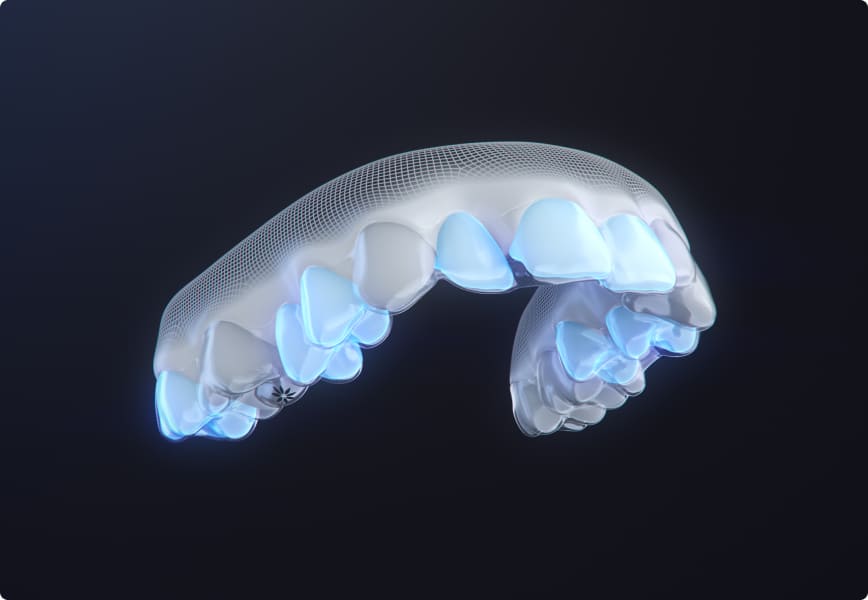
Patented SmartTrack material is designed to deliver gentle, consistent forces that help move the teeth according to the treatment plan.
03
SmartStage Technology
SmartStage technology digitally sequences tooth movements to help achieve efficient and controlled orthodontic progression.
Invisalign may be suitable for a range of orthodontic conditions, from minor alignment issues to more complex malocclusions. Whether it is appropriate depends on the individual diagnosis and treatment plan.
01
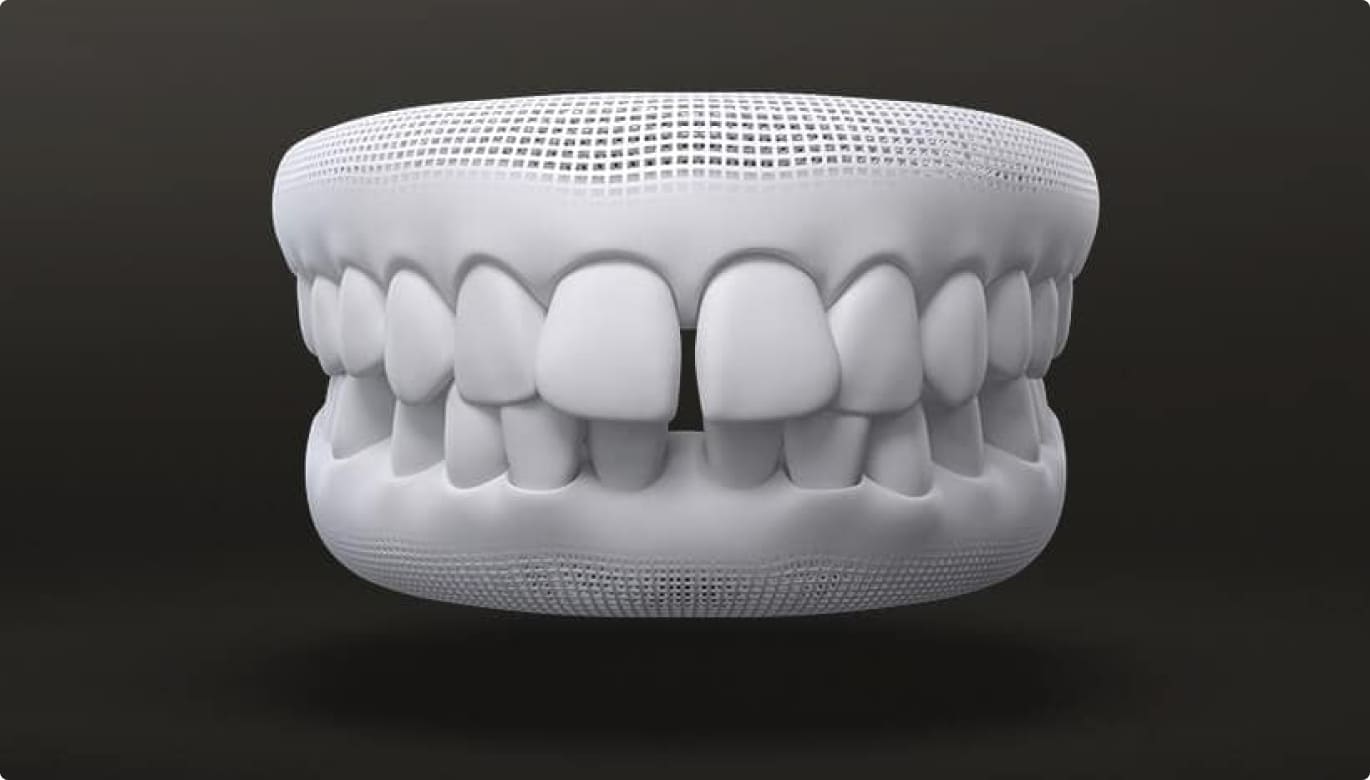
Dental Spacing
Noticeable spaces between teeth may affect both smile aesthetics and oral health.
02
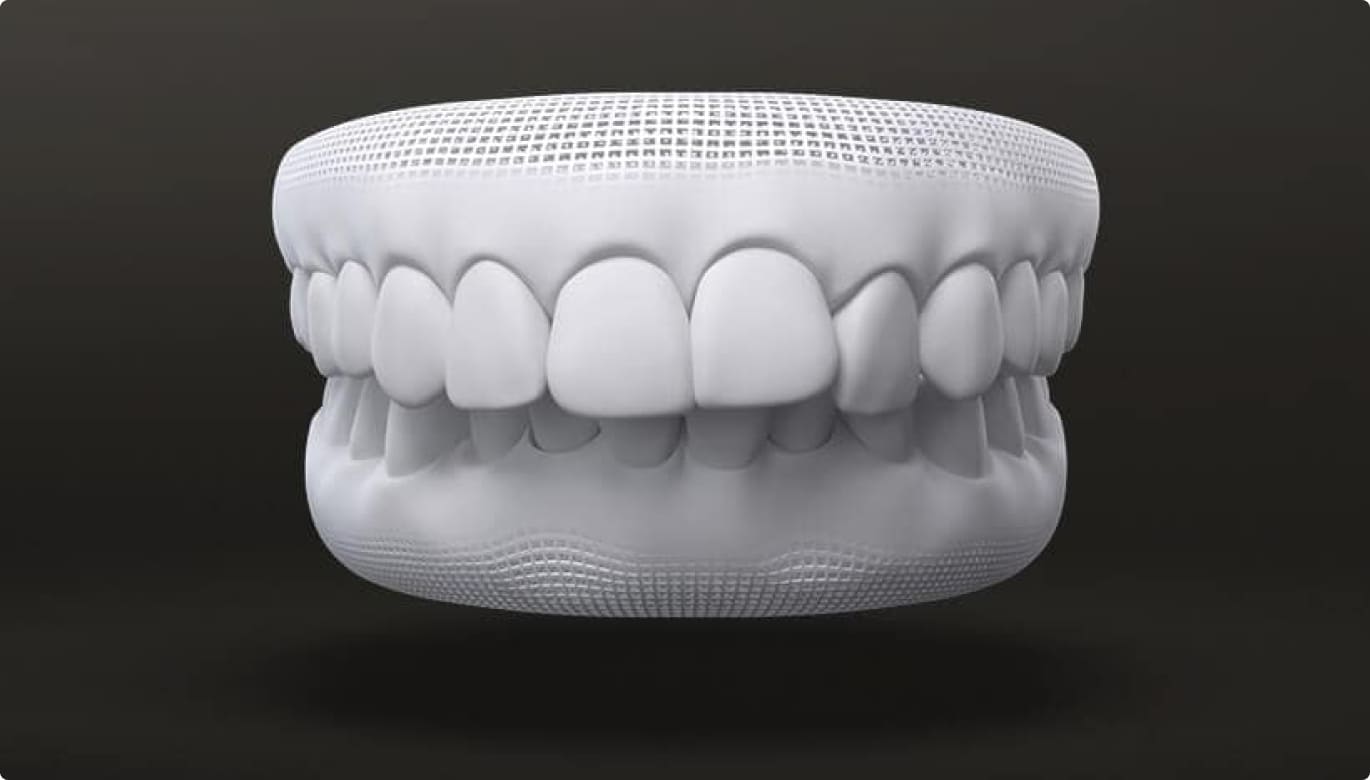
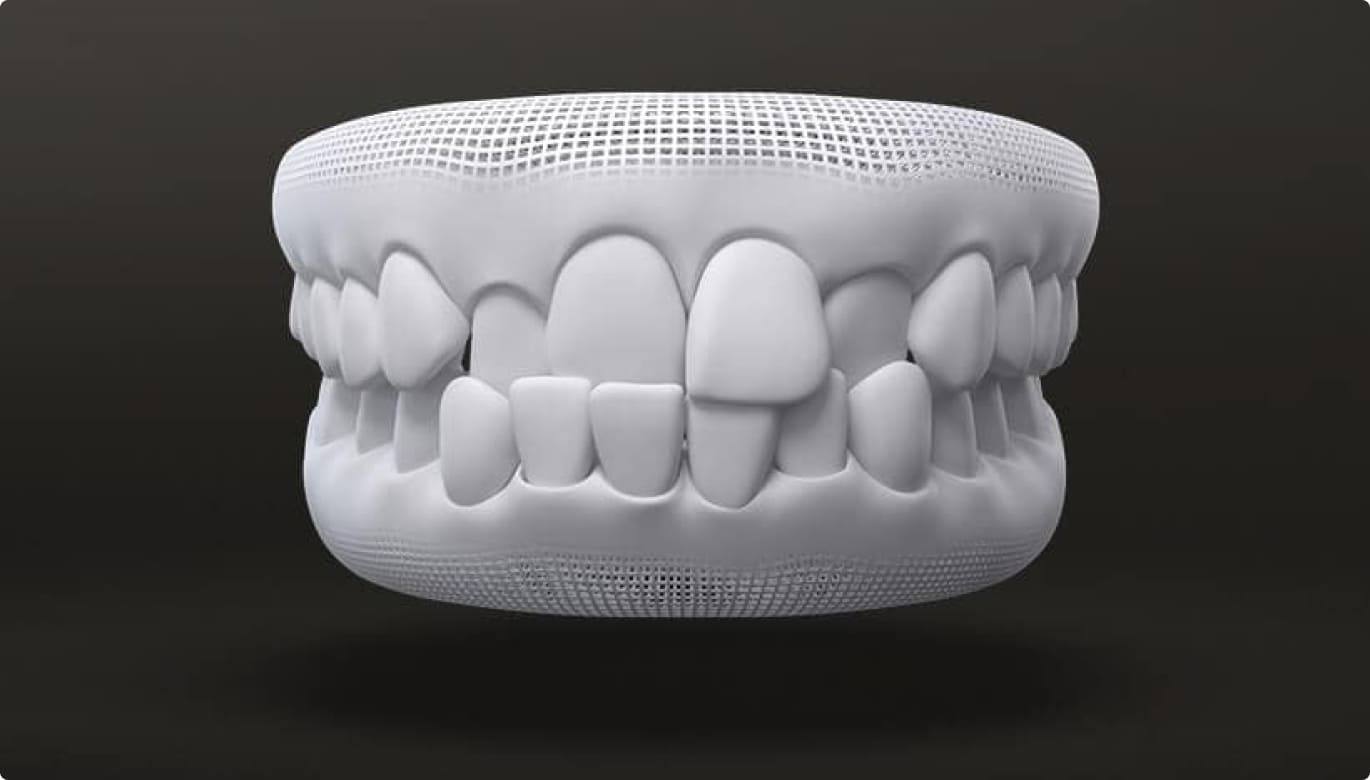
Deep Bite
A deep bite occurs when the upper front teeth excessively overlap the lower front teeth and may place additional stress on the teeth or jaw.
03
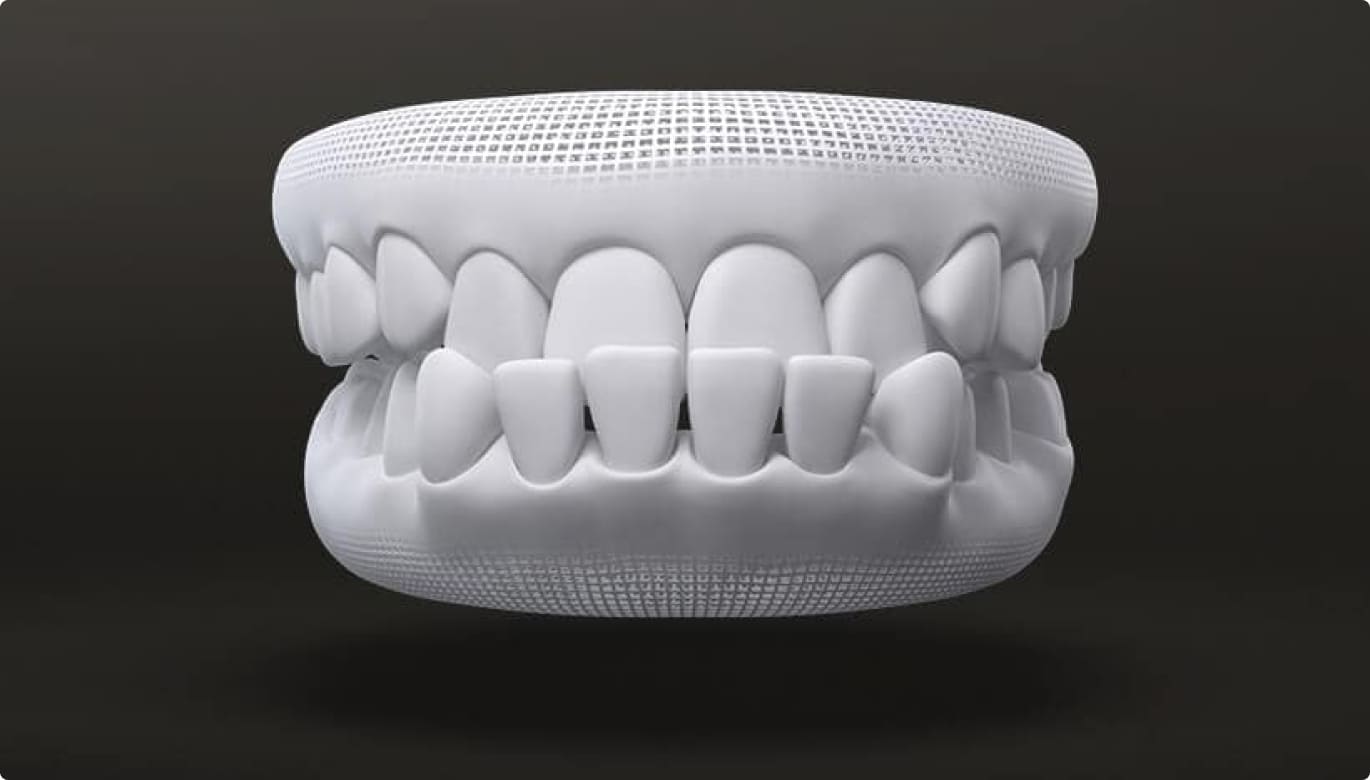
Crossbite
A crossbite occurs when one or more upper teeth bite inside the lower teeth and may contribute to abnormal tooth wear or bite problems.
04
Underbite
An underbite occurs when the lower front teeth bite in front of the upper front teeth, potentially affecting normal bite function.
05
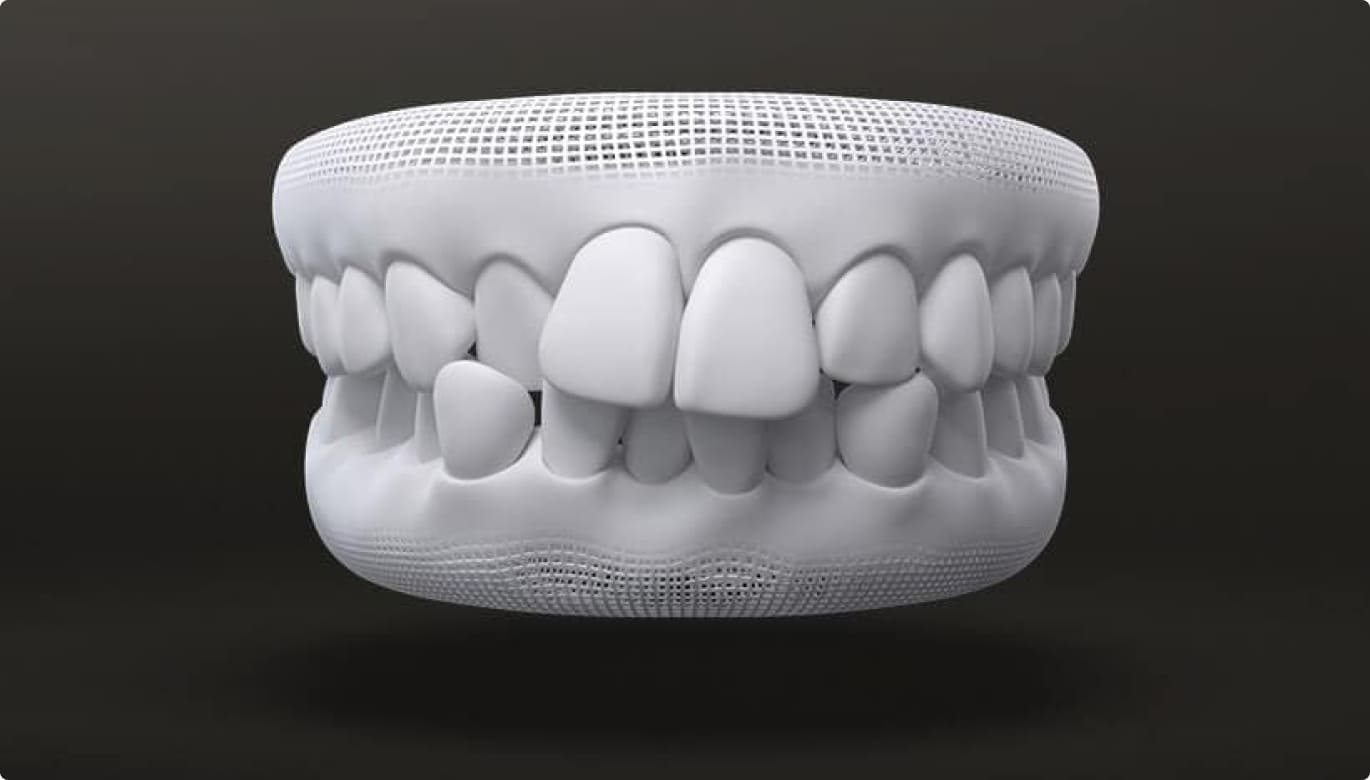
Crowding
Crowding occurs when there is not enough space in the dental arch for the teeth to align properly, which can make oral hygiene more difficult and affect smile aesthetics.
06
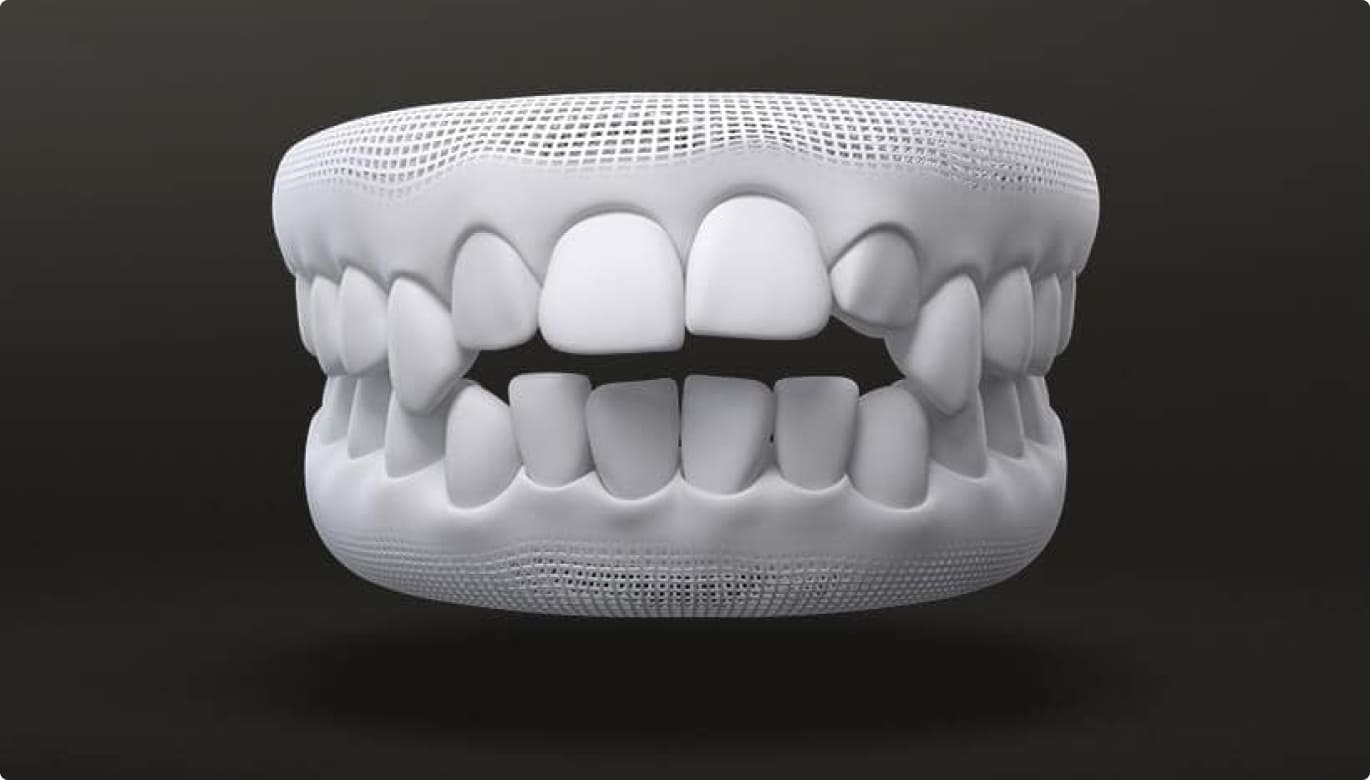
Open Bite
An open bite occurs when the upper and lower teeth do not meet properly when the mouth is closed, which may affect chewing and speech.
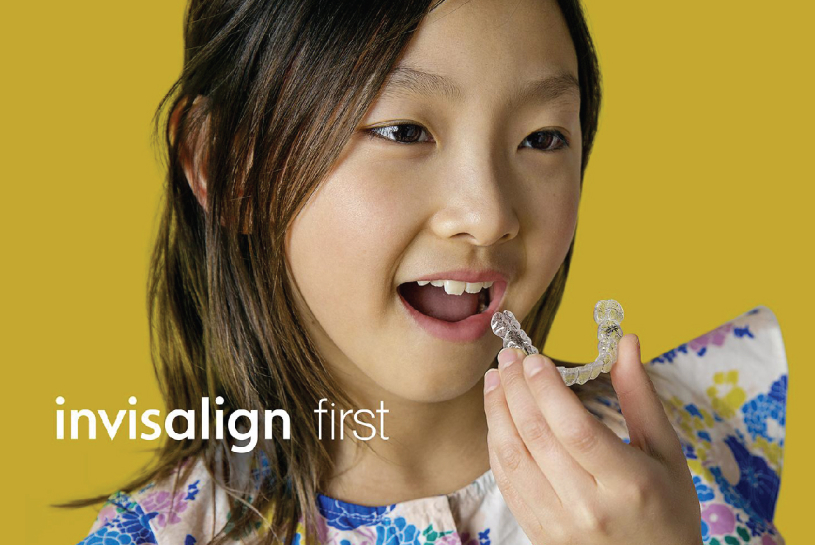
Invisalign First
The First Step Toward Your Child’s Healthy, Confident Smile
Invisalign First is a clear aligner system specifically designed for growing children who may benefit from Phase I orthodontic treatment.
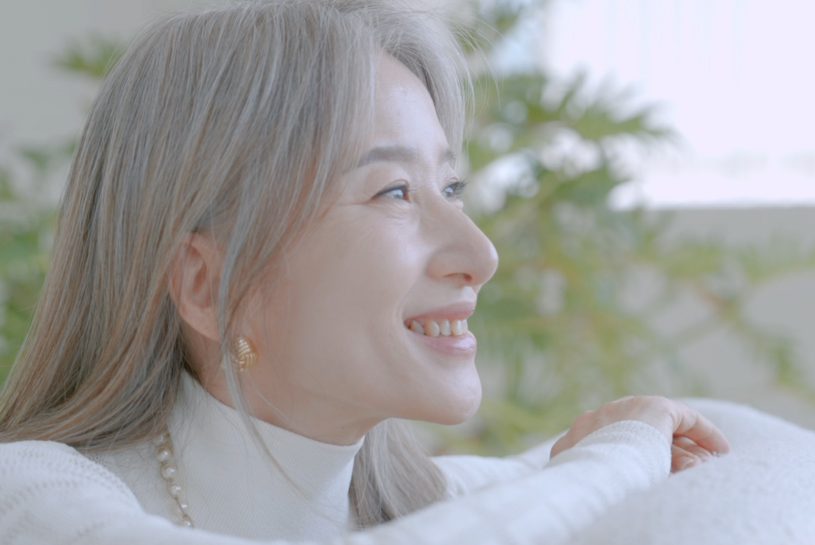
A Discreet Orthodontic Option for Adults with Active Lifestyles
Why Adults May Consider Invisalign
01
Improved tooth alignment can make oral hygiene easier and support periodontal health.
02
Orthodontic treatment may help improve protrusion and create a more balanced facial profile in suitable cases.
03
The discreet appearance of Invisalign can help patients feel more confident during orthodontic treatment.
Invisalign FAQ
Q.
How much does Invisalign treatment cost?
A .
Invisalign treatment fees vary depending on the initial alignment of the teeth, bite, facial and jaw structure, treatment complexity, and the treatment plan. In Korea, Invisalign Lite treatment may commonly range from approximately KRW 3–5 million, while Comprehensive treatment may range from approximately KRW 6–8 million. Exact fees are provided after a detailed orthodontic evaluation.
Q.
Isn’t Invisalign treatment the same no matter where I go?
A .
No. Invisalign is a treatment system, but the diagnosis and treatment plan are developed and managed by the orthodontist. Just as the same tools can produce very different results depending on who uses them, the orthodontist’s experience and clinical judgment play an important role in ClinCheck planning, attachment design, tooth movement, progress evaluation, and treatment refinement.
Q.
Can Invisalign be used for complex cases?
A .
Invisalign has evolved significantly through decades of development in materials, attachments, and digital treatment planning. With an appropriate diagnosis and an experienced orthodontist, it may be considered for many complex orthodontic cases. However, not every case is suitable for Invisalign alone.
Q.
Is Invisalign the same as other clear aligner systems?
A .
Not all clear aligner systems are identical. Invisalign uses its own SmartTrack material, SmartForce features, ClinCheck treatment planning, and other proprietary technologies. The range and predictability of tooth movement depend not only on the aligner system itself but also on the diagnosis, treatment design, patient cooperation, and clinician experience.
Q.
Can Invisalign be used in extraction cases?
A .
Yes, Invisalign may be used for selected extraction cases. Depending on the treatment plan, the orthodontist may also use additional components such as attachments, buttons, elastics, or orthodontic miniscrews to achieve the required tooth movement.
Q.
Is Invisalign less painful?
A .
Invisalign uses a series of aligners designed to apply controlled, gradual forces to the teeth. Many patients experience only mild pressure or soreness when changing to a new aligner, although discomfort varies from person to person. The smooth surface and customized trim line may also reduce irritation to the lips and cheeks compared with some fixed appliances.
Q.
How long does Invisalign treatment take?
A .
Treatment time varies considerably depending on the case. Simple alignment cases may be completed within approximately six months, while more complex orthodontic treatment may require one to two years or longer.
Several factors can affect treatment time:
1. The rate of tooth movement varies from person to person, so treatment may finish earlier or later than initially estimated.
2. Invisalign treatment depends heavily on wearing the aligners for the recommended number of hours each day. Insufficient wear can extend treatment time.
3. In growing patients, treatment may take longer when the orthodontist needs to wait for jaw growth or the eruption of permanent teeth.
Q.
Can Invisalign correct dental protrusion?
A .
If the protrusion is primarily caused by tooth position and can be corrected orthodontically, Invisalign may be an appropriate treatment option. When significant skeletal protrusion or jaw imbalance is present, orthognathic surgery may also need to be considered.
Q.
How should I use Invisalign chewies?
A .
Invisalign chewies can help the aligner seat more completely against the teeth. After inserting the aligner correctly, gently bite on the chewie and move it across the dental arch so that each area is pressed into place. Follow your orthodontist’s instructions regarding how long and how often to use them.
Q.
How should I wear elastics with Invisalign?
A .
Use only the elastics prescribed by your orthodontist. Depending on the treatment design, elastics may be attached to hooks on the aligners, buttons bonded to the teeth, or orthodontic miniscrews. Wearing them in the correct position and for the prescribed amount of time is essential.
Q.
What should I do if I lose an Invisalign aligner?
A .
Contact your orthodontist before changing your aligner schedule on your own. Depending on your treatment stage, you may be advised to temporarily wear the previous or next aligner, or a replacement aligner may need to be fabricated.